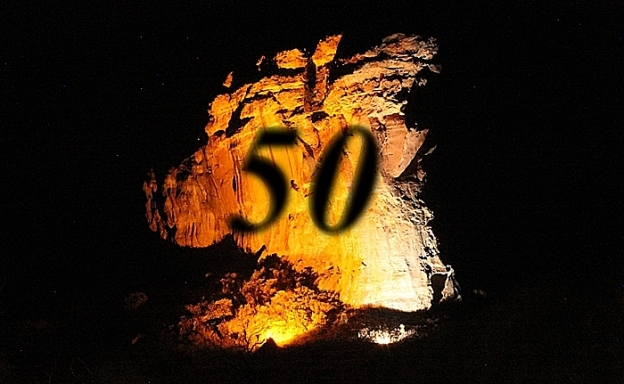
Golden Gate Highlands National Park turns 50 today!
We’re back in Golden Gate Highlands National Park, to celebrate the 50th anniversary of the Park’s founding. On this special occasion, it is good to look back on the history of this magnificent piece of South Africa.
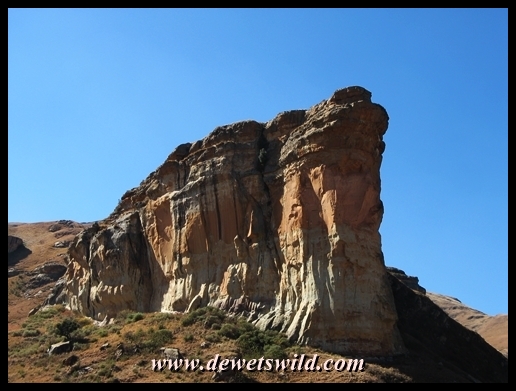
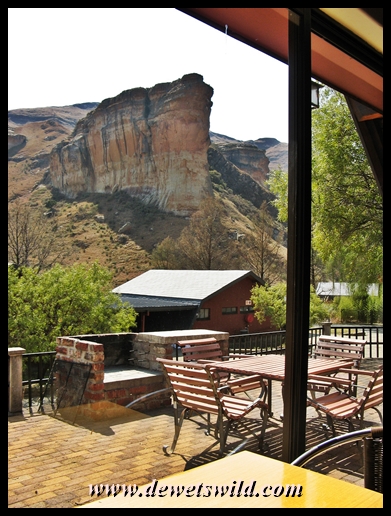
The iconic Brandwag buttress
In December 1880 Jan van Reenen bought a farm here in the scenic Eastern Free State and, on arrival, the family found the setting sun casting a soft golden glow on the sandstone cliffs, inspiring the name “Golden Gate”.
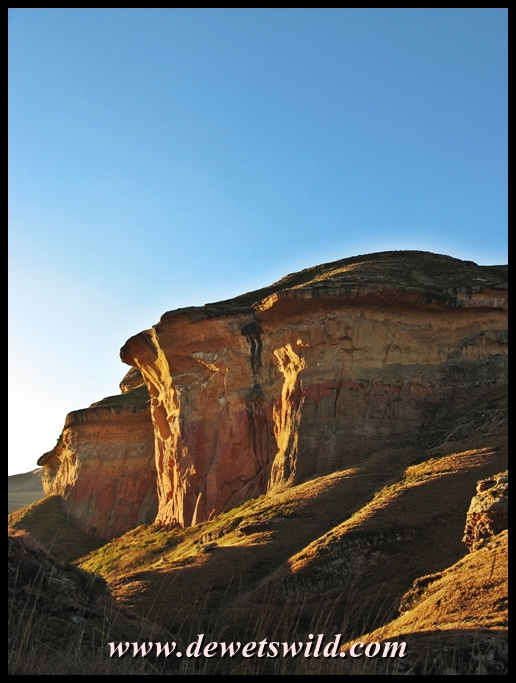
Mushroom Rocks
It was in March 1962 that the then National Parks Board (today called South African National Parks) decided to set aside a piece of the Orange Free State as a national park, and the beautiful and mountainous Golden Gate was identified as the best location. By September 1962 the Government announced that portions of a number of farms have been purchased for this purpose, leading up to the official proclamation of the Golden Gate Highlands National Park on the 13th of September 1963.
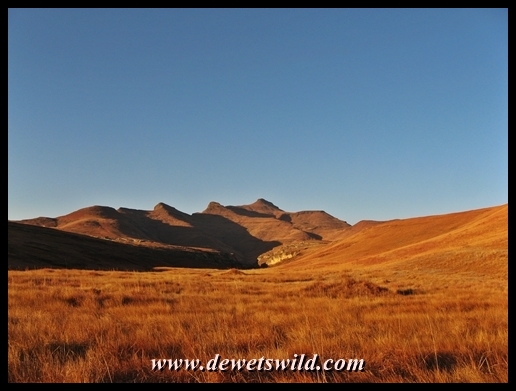
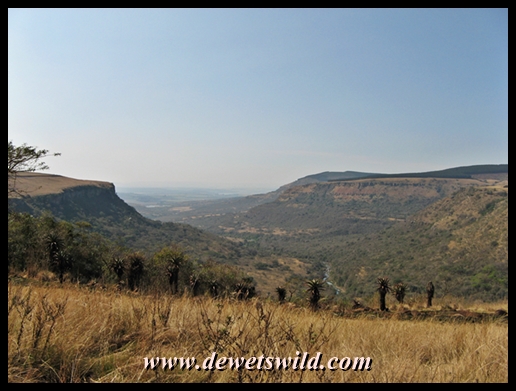
Grand Golden Gate scenery
At its inception the park covered a mere 4,792 hectares. Additional land purchases saw the Park’s size increase to 6,241 hectares in 1981 and to 11,630 hectares in 1989. The biggest expansion occurred in November of 2008, when the neighbouring Qwa Qwa Nature Reserve (originally proclaimed in 1990 by the authorities in the former homeland of the same name) was incorporated into the National Park, increasing its size to the current 32,690 hectares. Today, Golden Gate also forms an integral part of the Maloti Drakensberg Transfrontier Conservation Area – a worthy initiative linking all the conservation areas of this mountainous region that also includes the uKhahlamba Drakensberg Park in Kwazulu-Natal Province and Sehlabathebe National Park in Lesotho, amongst others.

Golden Gate Dam
Golden Gate features some of South Africa’s most beautiful mountain scenery, with a considerable range in altitude (between 1800 and 2850 meters above sea level) and associated climatic conditions, located as it is in the foothills of the Maloti and Drakensberg mountain ranges. Temperatures range from an extreme -12 degrees Celsius on winter nights to 33 degrees or more on summer days, with most rainfall occurring in summer (though snow falls quite frequently in winter). The Little Caledon River and Klerk Spruit are the most important watercourses in the Park, with the layered sandstone cliffs being its most recognisable feature. The plant life is mostly grassy and herbaceous (with spectacular floral displays in spring and summer), and few large woody species – the latter being mainly confined to the narrow valleys, or “kloofs” as they are known locally, and includes some exotic specimens that are being allowed to live out their lives due to their aesthetic and historic value.
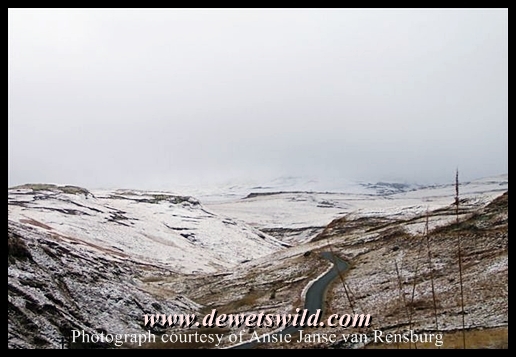
Golden Gate covered in snow
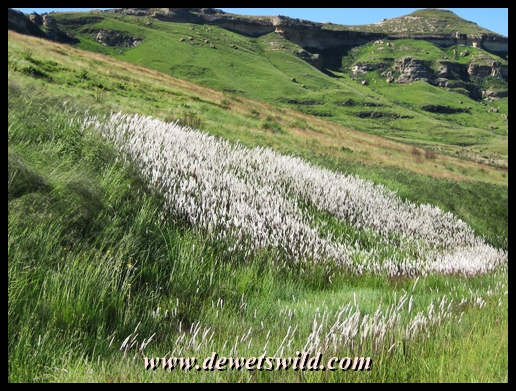
Blooming grasses
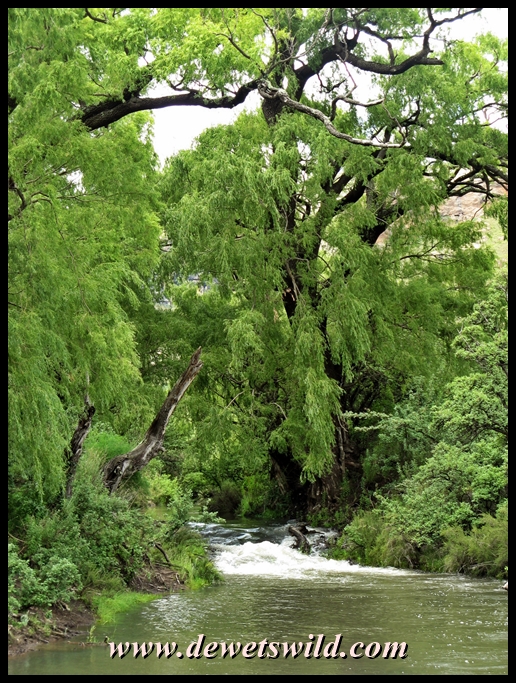
Little Caledon
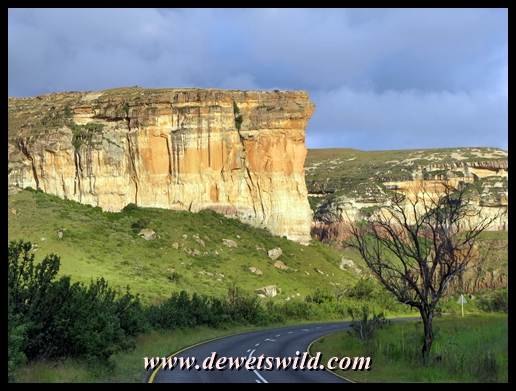
Brandwag Buttress

Mountain stream
The National Parks Board quickly began reintroducing various game species that occurred here historically but had been wiped out by man prior to the park’s proclamation (although some species, like grey rhebuck, mountain reedbuck, black-backed jackal and baboon, had managed to hang on). The first animals, five red hartebeest from the Kalahari Gemsbok National Park, already arrived on the 5th of May 1963. Two other notable introductions are those of the endangered oribi, a small antelope, in 1972 and 1974, and of the sungazer, an endangered girdled lizard with a characteristic spiky appearance, during 1990. Today the park protects a huge number of plant species (there’s more than 60 species of grasses alone), a remarkable variety of insects (including 78 kinds of butterfly), two indigenous species of fish, eight kinds of amphibians, 28 species of reptile, 180 kinds of birds (including endangered species like the bearded and cape vultures, and the bald ibis) and nearly 60 species of indigenous mammals, some in considerable numbers. The game count in 2011 showed the park is home to around 2,400 blesbok, 1,400 black wildebeest, 1,000 plains zebra, 1,000 red hartebeest, 700 eland and 450 springbok, to name a few.
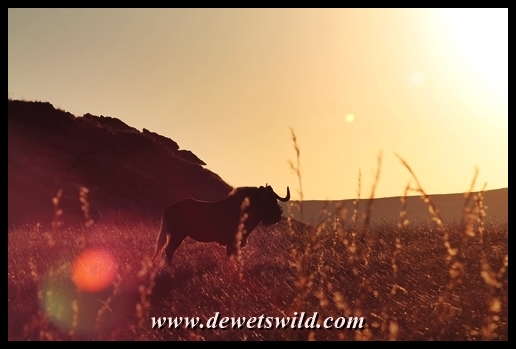
Black wildebeest at dawn
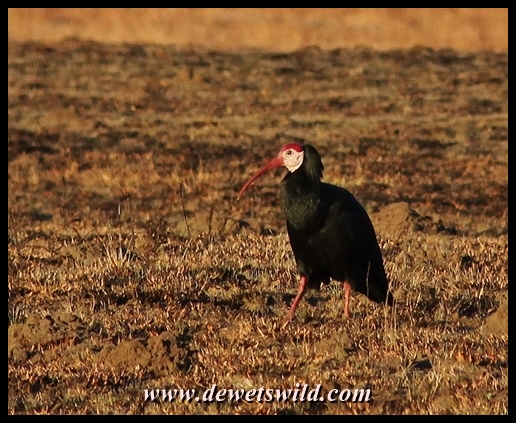
The threatened Southern Bald Ibis
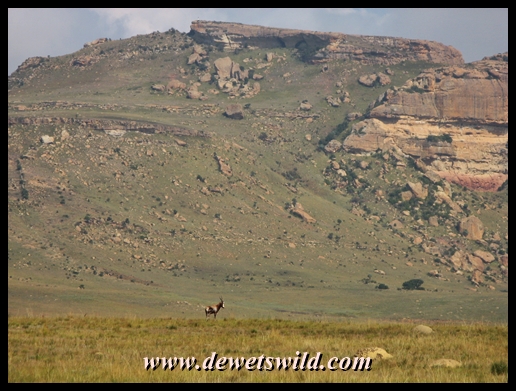
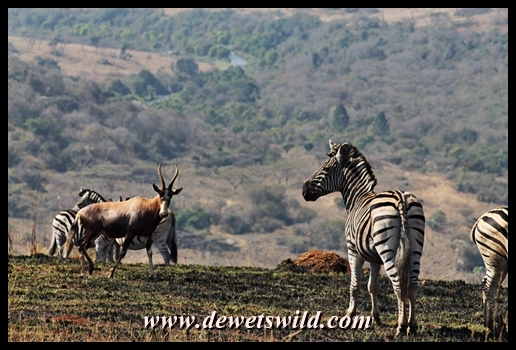
Blesbok dwarfed by Golden Gate’s mountains
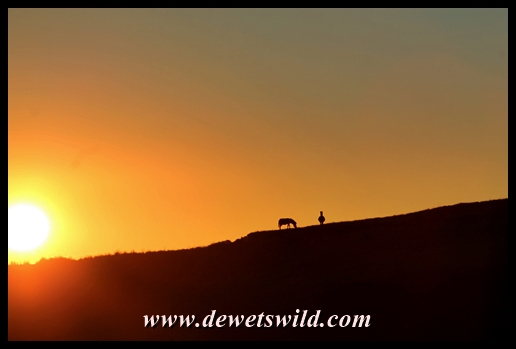
Plains zebra silhouette
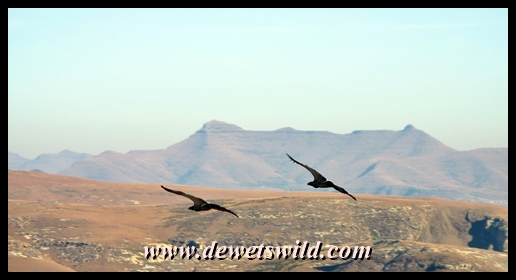
Cape griffons in flight

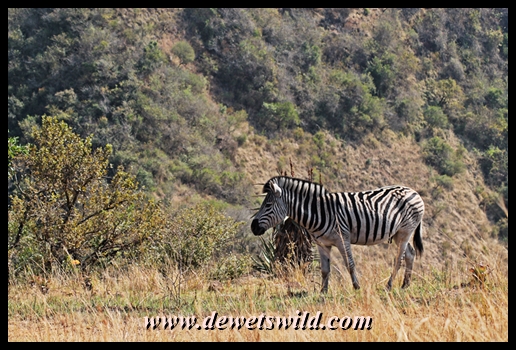
Plains zebra
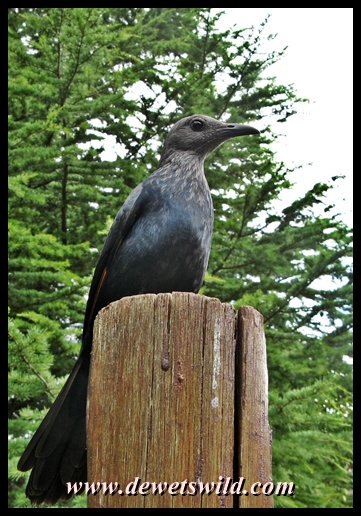
Red-winged starling
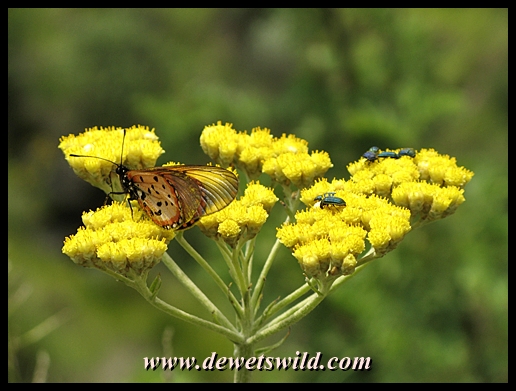
Small fry in Golden Gate

Wild flower in Golden Gate
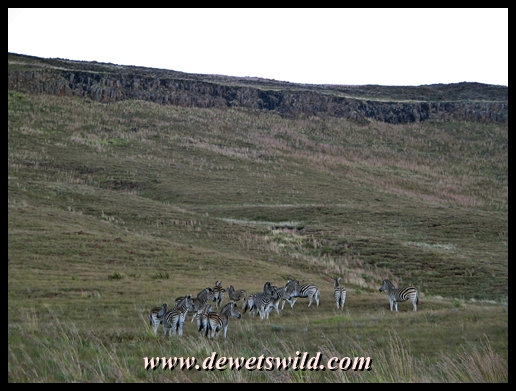
Plains zebra
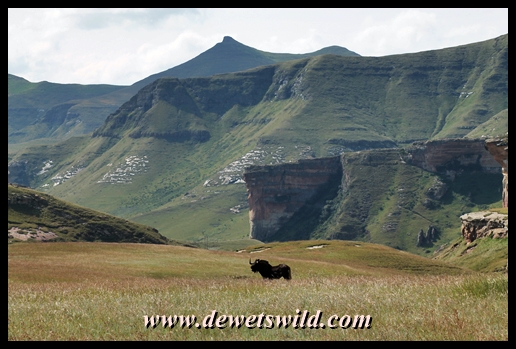
Black wildebeest

Egrets over Glen Reenen
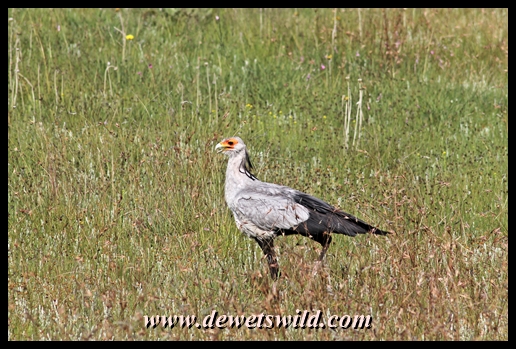
Secretary Bird
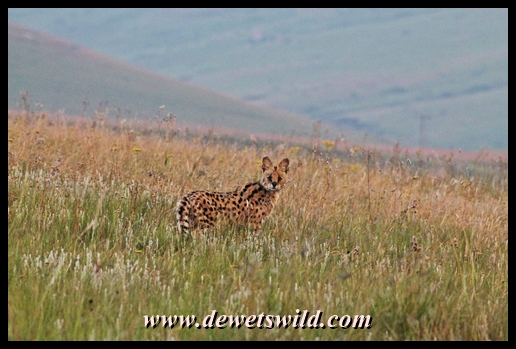
Serval
Golden Gate doesn’t only protect a grand and valuable variety of natural beauty though. The Park is world-renowned for the discovery of the oldest fossilised eggs, embryos and nesting sites of dinosaurs dating back 190 million years. Closer to the present, there’s a number of rock painting sites reminding us that this beautiful landscape was once the home of the Khoisan. The small van Reenen family graveyard is also worth a solemn visit. Golden Gate has seen its fair share of human conflict, and among the relics hikers may come across are the discarded remains of ammunition and weaponry destroyed during the Second Anglo-Boer War in the early 1900’s (during which some Boer women and their children opted to rather hide out in the caves of Golden Gate than face the perils of the British concentration camp at Harrismith after their farms and homesteads had been burned to the ground). Insight into the culture, traditions, history and lifestyle of the Basotho people can be gained by visiting the fascinating “living” museum at the Basotho Cultural Village. Differing from most other national parks in South Africa, a few local people, and their livestock, still inhabit portions of the Qwa Qwa section of the Park.
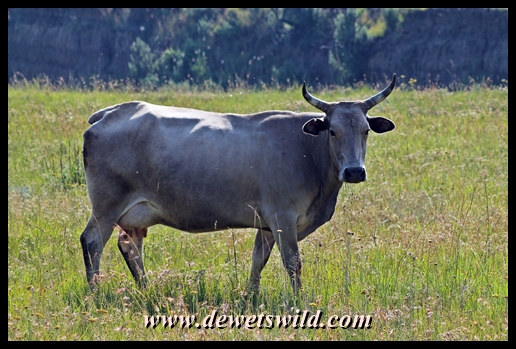
Herds of cattle roam the Qwa Qwa section
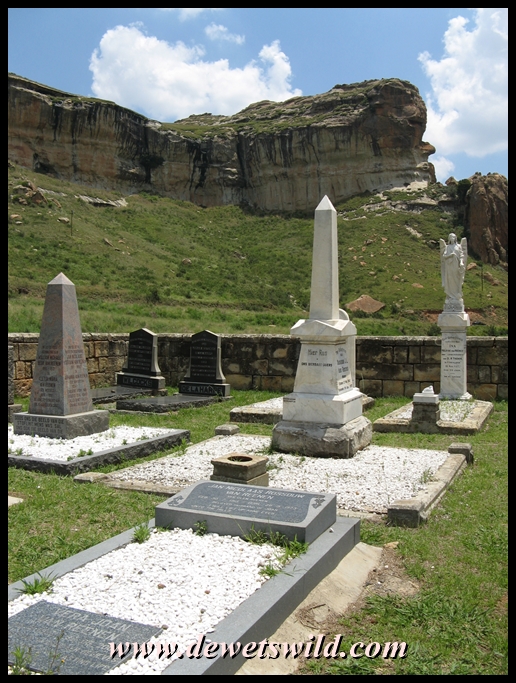
van Reenen family graveyard
Glen Reenen Rest Camp provided the first tourist accommodation in the fledgling park, with the first overnight guests being housed there in converted farm buildings on the 29th of September 1963. Additional accommodation was soon constructed at Glen Reenen, and camping facilities provided. Glen Reenen was extensively upgraded, expanded and renovated during 2003 and 2004 but retains its rustic charm and farm-like character. Facilities here include a fuel station and a small shop that stocks a variety of groceries and curios.
Glen Reenen
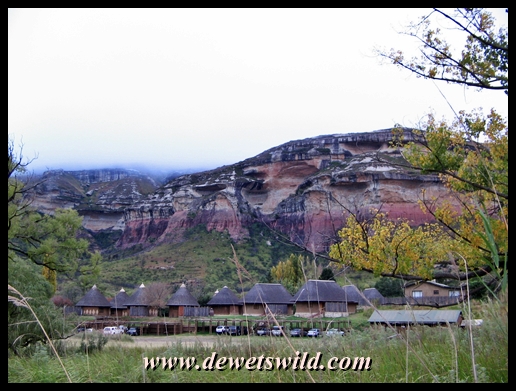
Glen Reenen

Glen Reenen
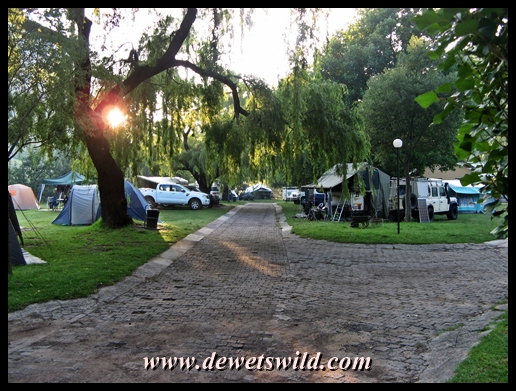
Glen Reenen
By 1968, thirty-four new self-catering chalets had been completed in the Brandwag Rest Camp below the Park’s most recognisable feature, the iconic Brandwag buttress. Work then commenced on the building of an alpine-style mountain inn to provide full service accommodation and so the Brandwag Hotel was officially opened on the 24th of March 1972. Following extensive renovations and upgrading to both the main hotel building, with its fifty-plus hotel rooms, and the chalets, this resort (complete with tennis courts and bowling greens) was renamed the Golden Gate Hotel and Chalets in 2010. Facilities now include various conference rooms, a restaurant, a coffee shop, a sports bar and a curio shop.

Golden Gate Hotel
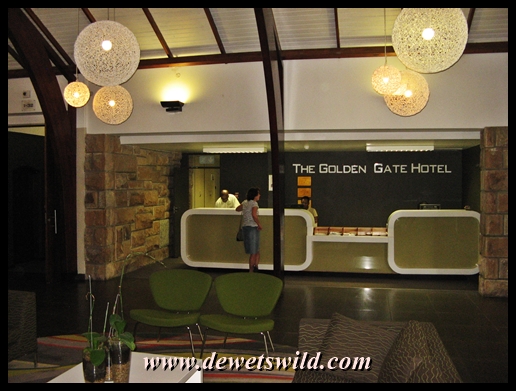
Golden Gate Hotel
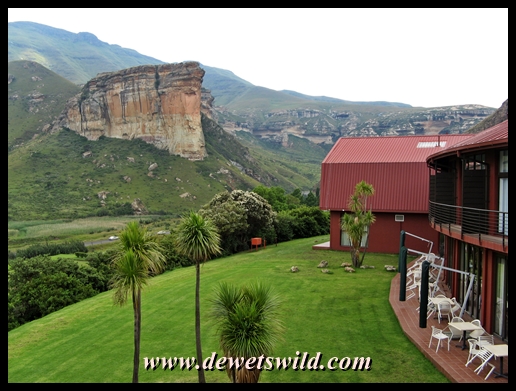
Golden Gate Hotel
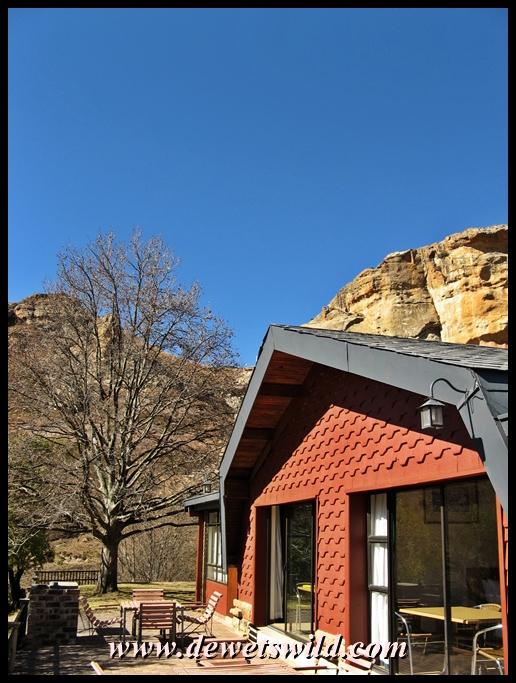
Golden Gate Hotel
In the early 1980’s the Wilgenhof Environmental Education Centre came into existence, its main focus being to provide visiting school groups with a well-developed curriculum, to learn more about the value of our natural resources and the reasons for protecting the remaining few natural areas in our country and the world. Scholars are housed in dormitory-style rooms, and the facility also provides a lecture hall and kitchen.
The eight self-catering log units at the Highlands Mountain Retreat is a unique accommodation option, located at an altitude of 2200m with a magnificent view over the eastern sections of the Park, and accessible only along a narrow road leading deep into the mountains. The Highlands Mountain Retreat opened to visitors in 2005.
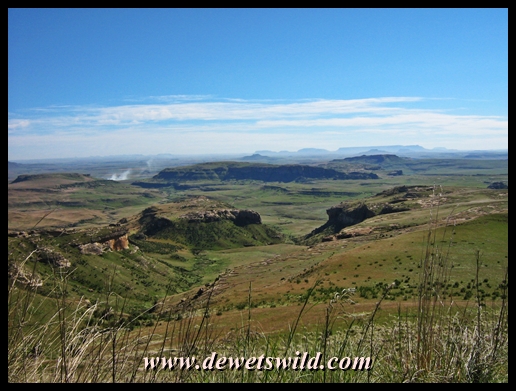
Highlands Mountain Retreat

Highlands Mountain Retreat
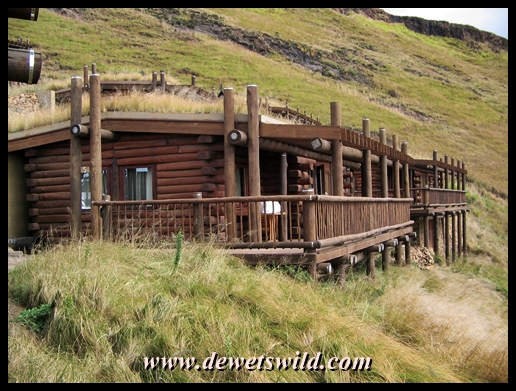
Highlands Mountain Retreat
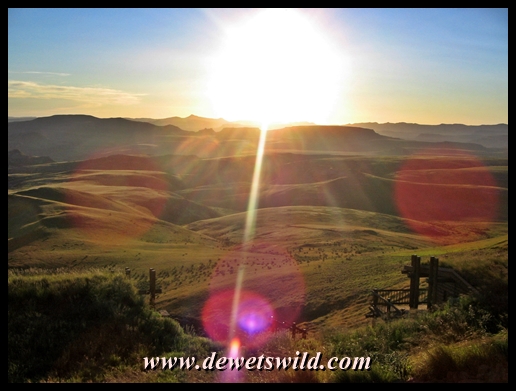
Highlands Mountain Retreat
Following the inclusion of the Qwa Qwa nature reserve in 2008, accommodation is now also available at the Basotho Cultural Village in spacious self-catering units that resemble traditional Basotho rondawels (round thatched huts).
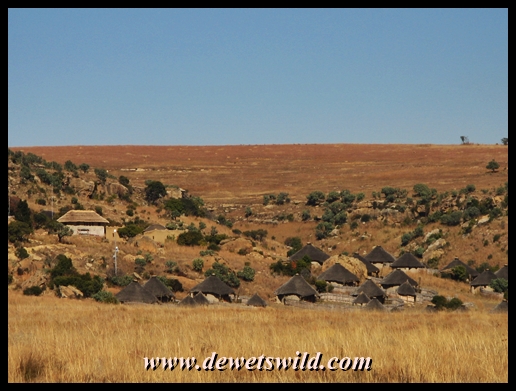
Basotho Cultural Village
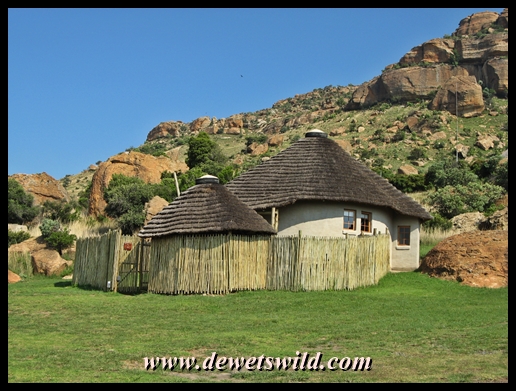
Basotho Cultural Village
The restored old farmstead at Noord-Brabant offers six guests secluded, private accommodation some distance from the main road leading through the Park. All the mentioned accommodation options inside the Park are managed by SANParks and is where we prefer to stay when visiting Golden Gate, but there is a wide variety of privately owned and operated accommodation options in the towns and on the farms around the Park.
The road between Glen Reenen and Harrismith, our favourite route to Golden Gate, was paved only in the mid-1990’s and allows quick three to four hour access to the Park via the N3 motorway from Durban and the major urban centres in Gauteng. The original route to the Park leads through the towns of Bethlehem and Clarens, and is certainly the most scenic option.
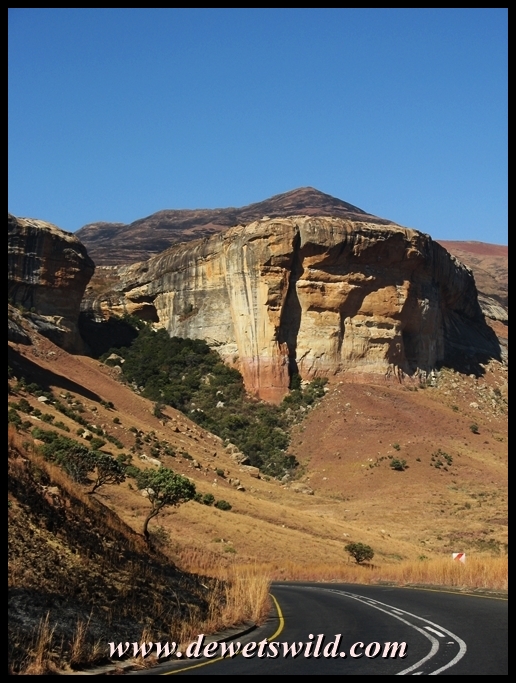
Grand Golden Gate scenery

At the foot of Brandwag
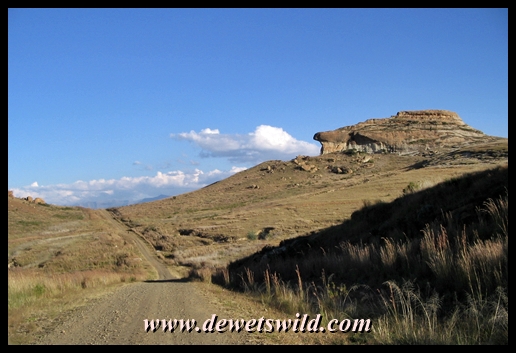
The road to Kestell
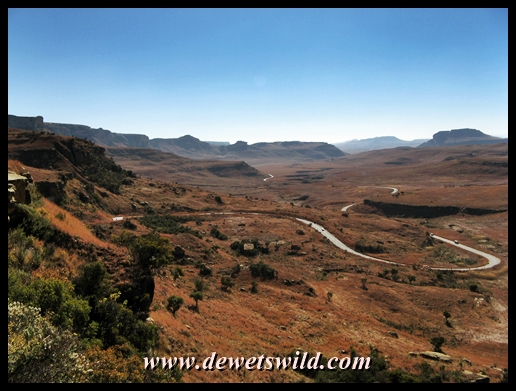
Lichens Pass
There’s a variety of outdoor activities to enjoy during a visit to Golden Gate. Horse riding has been extremely popular since the Park’s early years, as is the natural swimming pool at Glen Reenen, in a rock pool in a mountain stream (understandably the latter only during the summer months!). There’s a selection of day walks, varying in duration from one to six hours and suited to a variety of age groups and fitness levels, to enjoy, the most popular leading to the top of Brandwag Buttress. Opened in 1978, there’s also the Ribbok Hiking Trail, a 30km trail that takes two days to complete and over the length of which hikers covers a range in altitude of over 1000 meters. Up to 18 hikers can be accommodated on any given day on the Ribbok trail, where basic overnight facilities are provided in a hiking cottage deep in the mountains. Cyclists too enjoy the meandering routes through the mountains. The newly opened (2012) photographic hide at the vulture restaurant, where carcasses are provided to supplement the diets of the endangered vultures that occur here, is a highlight of any visit. Searching for the numerous game and bird species from the comfort of your own vehicle is an option definitely worth exercising, with two tarred loop roads near Glen Reenen and a gravel road to the small town of Kestell offering good sightings and magnificent views. Meriting picnic site near the park’s administrative headquarters at Gladstone is just the place to enjoy a relaxing afternoon.
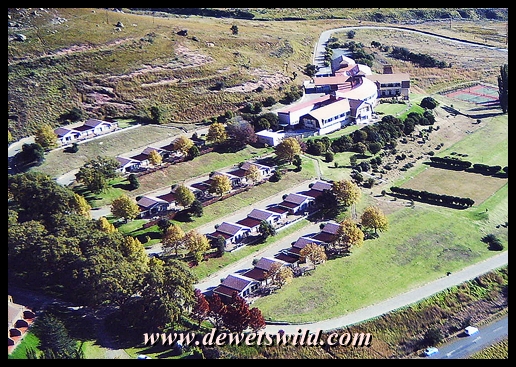
Golden Gate Hotel from the top of Brandwag
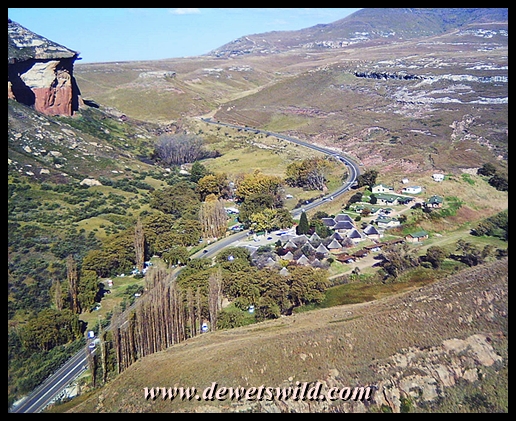
Glen Reenen from the top of Brandwag
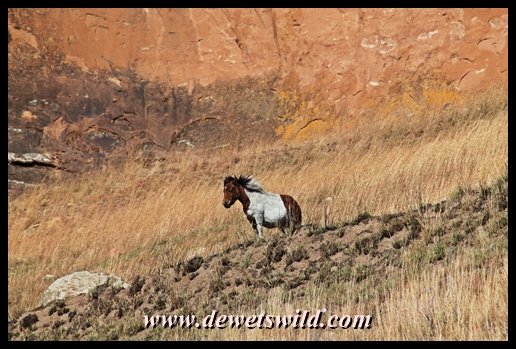
Pony surveying the Golden Gate landscape
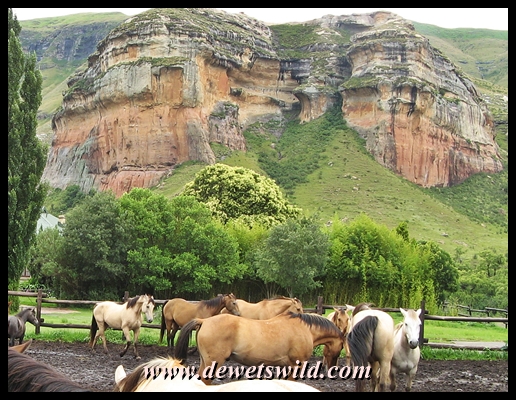
Horses at the Gladstone stables
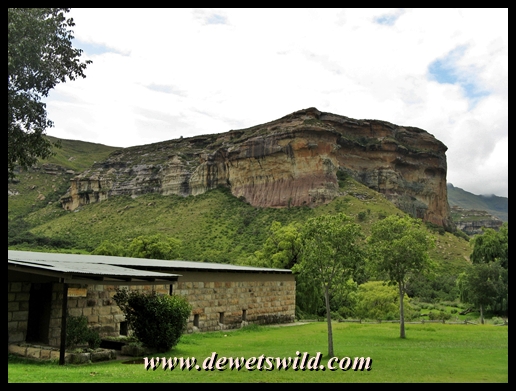
Gladstone stables

Hiking trail
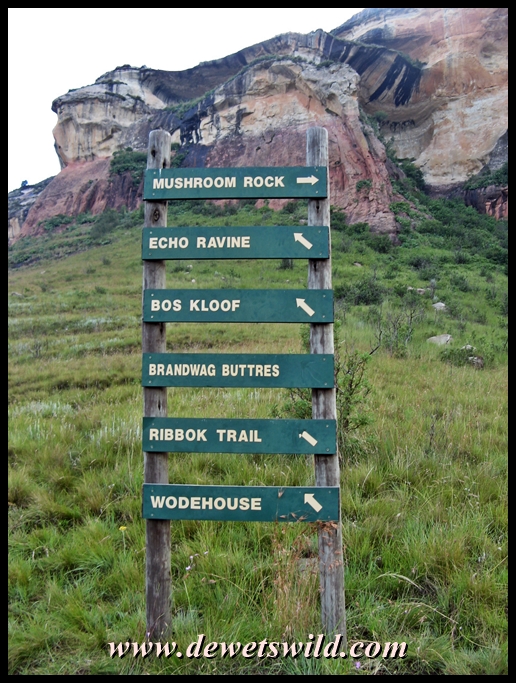
Hiking trail
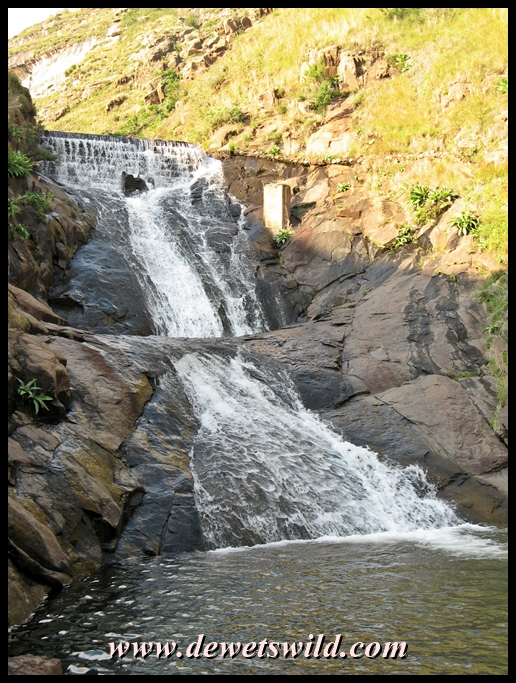
Glen Reenen’s swimming pool
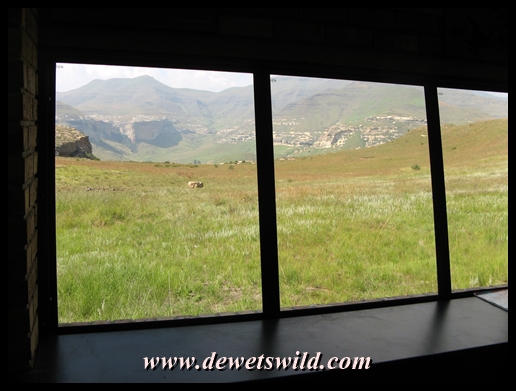
Vulture hide
There probably aren’t very many people more in love with Golden Gate than us de Wets, but can you blame us? The Golden Gate Highlands is a spectacularly beautiful national park, one of the jewels in South Africa’s conservation crown, and may it remain so for many, many generations to come!