Tag Archives: Kruger National Park

Celebrating a century of the Kruger National Park

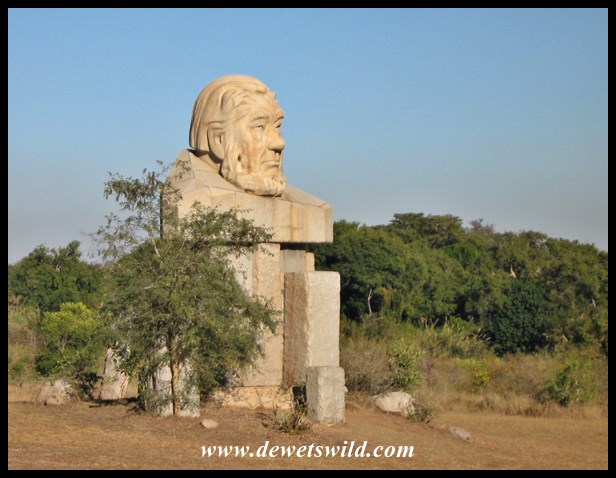
Statue of Paul Kruger at Kruger Gate

Statue of Paul Kruger at Kruger Gate

Today we celebrate the centenary of one of the world’s greatest conservation areas; the Kruger National Park. I am grateful to say that I was introduced to the Kruger National Park 43 years ago, have loved her ever since, got to spend 22 years in her service and now have the immense privilege of showing her off to new fans from this country and from all over the rest of the world.

At the end of the South African WarMajor (later Colonel) James Stevenson-Hamilton was appointed to the position of warden of the Sabie Game Reserve; a loosely defined piece of land between the Sabie River in the North, the Crocodile River in the South, the foothills of the Drakensberg in the West and the Lebombo Mountains in the East that was proclaimed a game sanctuary by president Paul Kruger of the (then still independentZuid-Afrikaansche Republiek, some months before hostilities broke out with the British.

Stevenson-Hamilton, born in October 1867, arrived at his new station in July of 1902, soon setting up his office at Sabie Bridge, the place where the Selati Railway crossed the Sabie River. It was the local Shangaan population that gave Stevenson-Hamilton his nickname of “Skukuza“, meaning “he who sweeps clean” or “he who turns everything upside down“. Against considerable odds, piled up against him from politicians, mining houses and wealthy landowners, the plucky Scotsman managed to considerably enlarge the area under his jurisdiction, expand his powers of law enforcement, and won considerable support from the South African public, culminating in the proclamation of the Kruger National Park by Minister of Lands, Piet Grobler, on the 31st of May 1926.

The Kruger National Park was opened to the public in 1927, and by 1929 the first purpose-built accommodation facilities at Sabie Bridge, or “Reserve” as it became known, housed their first guests. The first hut, named the “Campbell Hut” after W.A. Campbell, a founding member of the National Parks Board, has been preserved as a tiny museum showcasing the early years of tourism in the Kruger Park, and is located near Skukuza’s restaurant.

From humble beginnings, through the dedication and hard work of her staff compliment and the love and loyalty of her visitors, the Kruger National Park today stands as a beacon in a world where wild places are more scarce and endangered than ever.


The fathers of the Kruger National Park: On the left, Minister Piet Grobler, in the centre President Paul Kruger, and on the right, Colonel James Stevenson-Hamilton
The fathers of the Kruger National Park: On the left, Minister Piet Grobler, in the centre President Paul Kruger, and on the right, Colonel James Stevenson-Hamilton

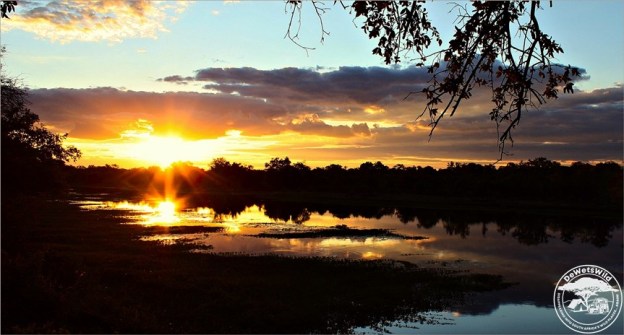
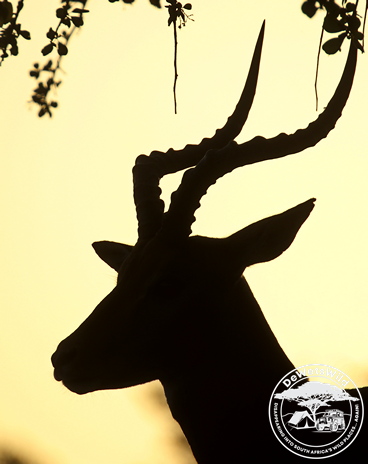
Summer Snapshots from Kruger: Silhouettes

DeWetsWild conducted a two-week tour of the Kruger National Park with altogether nine people to see out 2025 and ring in 2026 and every day for the month of February I’ll be sharing just a few of the many memories our group collected.

Seems like a few of silhouettes is a good way to bring my recollections of this trip to a close.

If you’d like to join me on a guided tour of South Africa’s wild places, of even if you’d just like a bit of help putting your reservations together, don’t hesitate to reach out!

Summer Snapshots from Kruger: Bountiful Birds

DeWetsWild conducted a two-week tour of the Kruger National Park with altogether nine people to see out 2025 and ring in 2026 and every day for the month of February I’ll be sharing just a few of the many memories our group collected.

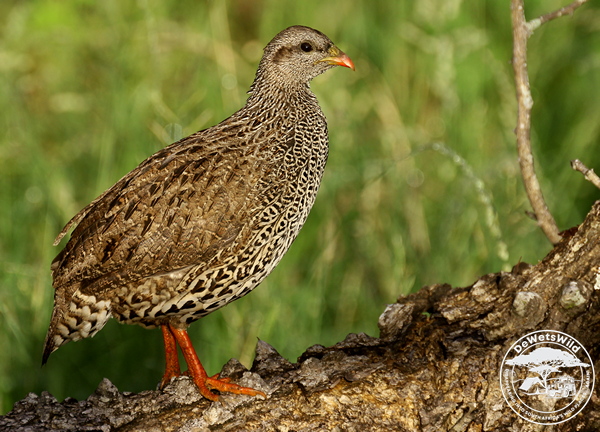
While the Kruger National Park boasts an exceptional number of bird species on its official list even during winter, the summer brings with it an enormous number of migrants, and even more so in a season as wet as the current one. During our tour of two weeks we managed to tick off 187 bird species in the area between the Letaba and Sabie Rivers. These are just a few of them.

If you’d like to join me on a guided tour of South Africa’s wild places, of even if you’d just like a bit of help putting your reservations together, don’t hesitate to reach out!

Summer Snapshots from Kruger: Cold-blooded Encounters

DeWetsWild conducted a two-week tour of the Kruger National Park with altogether nine people to see out 2025 and ring in 2026 and every day for the month of February I’ll be sharing just a few of the many memories our group collected.

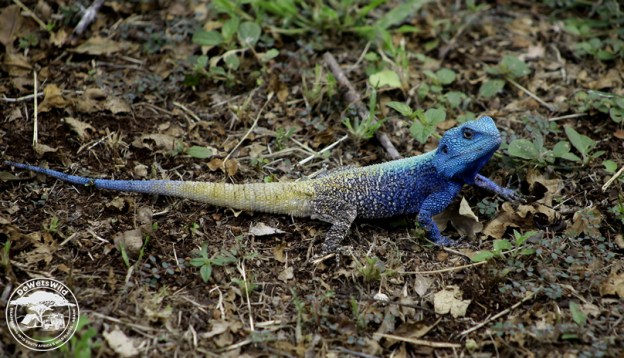
Walking around the Kruger’s Rest Camps during the heat of the day, when the summer temperatures make it extremely unpleasant to be out exploring on the roads, opens up a world of smaller creatures that would otherwise probably go unnoticed while cooped up in a vehicle.

If you’d like to join me on a guided tour of South Africa’s wild places, of even if you’d just like a bit of help putting your reservations together, don’t hesitate to reach out!

Summer Snapshots from Kruger: An influx of Harlequin Quails

DeWetsWild conducted a two-week tour of the Kruger National Park with altogether nine people to see out 2025 and ring in 2026 and every day for the month of February I’ll be sharing just a few of the many memories our group collected.

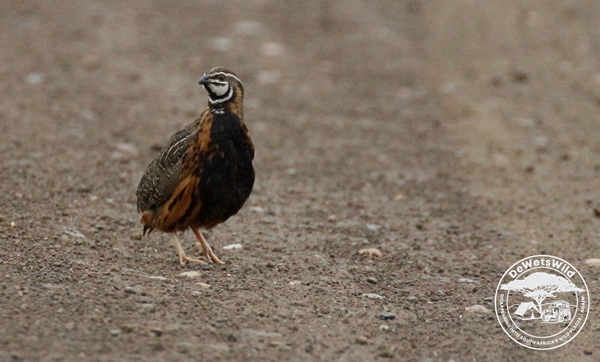
The exceptionally wet weather in the Kruger National Park this summer is behind an immense influx of Harlequin Quails into the Park. While sightings of the tiny birds were limited to fleeting glimpses when they ventured into the road from the long grass their distinctive calls could be heard literally everywhere we drove!

Coturnix delegorguei

The Harlequin Quail is an intra-African migrant bird, arriving in our part of the continent in response to good rains. During such periods they may be found in the savanna habitats stretching from northern Kwazulu-Natal to the North West Province. They also occur through most of the woodland and savanna regions of sub-Saharan Africa, parts of the Arabian peninsula and on Madagascar. According to the IUCN the Harlequin Quail is of least concern. Harlequin Quails feed on seeds, green shoots and a wide variety of small insects.

Outside of the breeding season Harlequin Quails may be seen foraging in groups of up to 20 individuals. They nest in hollows scratched in the ground, usually hidden among grass tussocks, soon after the rains start. The female incubates the clutch of up to 8 eggs for a little less than 3 weeks. The precocial chicks grow exceptionally quickly and can even fly short distances by the time they’re only 5 days old!

————————————————————————————————————————————-

If you’d like to join me on a guided tour of South Africa’s wild places, of even if you’d just like a bit of help putting your reservations together, don’t hesitate to reach out!

Summer Snapshots from Kruger: How many kids can you handle?

DeWetsWild conducted a two-week tour of the Kruger National Park with altogether nine people to see out 2025 and ring in 2026 and every day for the month of February I’ll be sharing just a few of the many memories our group collected.

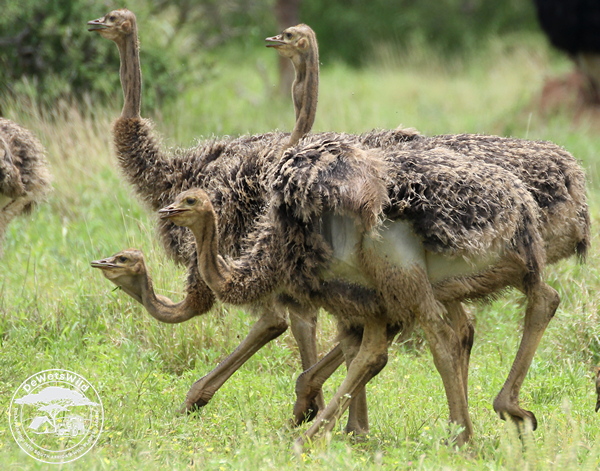
We encountered this family of ostriches a couple of times near the Nkaya Pan waterhole south of Satara. I must say, these youngsters were much better behaved than some school groups I’ve seen (and guided)!

If you’d like to join me on a guided tour of South Africa’s wild places, of even if you’d just like a bit of help putting your reservations together, don’t hesitate to reach out!

Summer Snapshots from Kruger: Scorpion Hunting

DeWetsWild conducted a two-week tour of the Kruger National Park with altogether nine people to see out 2025 and ring in 2026 and every day for the month of February I’ll be sharing just a few of the many memories our group collected.

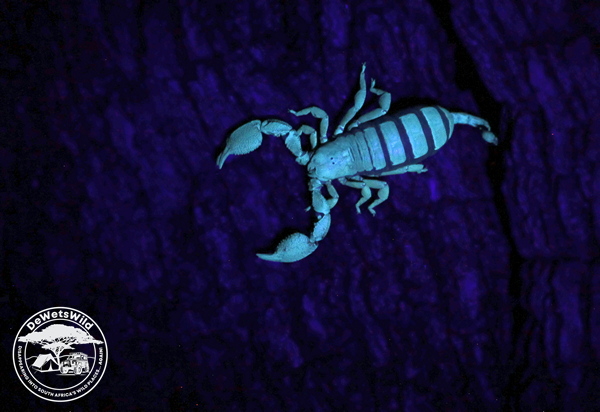
One of the things I love to do with my guests in the evenings is to take a walk through our camp looking for nocturnal wildlife. Over the years I’ve found Satara Rest Camp to be an excellent place to go looking for scorpions, especially the large Tree Creeper Scorpion, using a small ultraviolet flashlight that makes the scorpions “glow” in the dark and easily detectable.

If you’d like to join me on a guided tour of South Africa’s wild places, of even if you’d just like a bit of help putting your reservations together, don’t hesitate to reach out!

Summer Snapshots from Kruger: A Legend on his last legs

DeWetsWild conducted a two-week tour of the Kruger National Park with altogether nine people to see out 2025 and ring in 2026 and every day for the month of February I’ll be sharing just a few of the many memories our group collected.

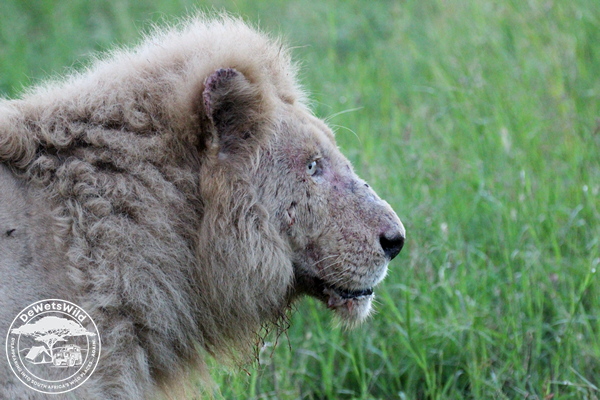
As popular as lions are there’s one lion in the Kruger National Park that has attained legendary status, and that’s the white lion male that roams the Satara area. We were fortunate to see him twice during this tour, though but a shadow of the majestic beast he was when we encountered him on New Year’s Day 2022. Then he was one of a coalition of four strong males ruling the area and its pride of females; four years later two of his brothers has already died and they’ve lost control of their pride and territory.

At the first sighting of this trip, the white lion and his brother were in the presence of a much younger male, perhaps a son going by the affection between them. This boded well for the two old gents if the youngster was willing to share his kills with them, and judging by their well-fed bellies that certainly appeared to be the case.

Just a few days later however we found the two older males alone and scavenging at a hyena den. Incredibly their condition deteriorated rapidly in that short time and the expression in the White Lion’s eyes appeared rather bleak and hopeless. It was a heartbreaking encounter. Life in the wild is not easy for lions.

Sadly, to the best of our knowledge, “Casper” as he is affectionately known, has not been seen since the flooding that hit the Kruger National Park in middle January. We can only hope that he met a dignified end in that vast wilderness he once ruled along with his brothers.

EDIT 18 February 2026: Good news received from the Kruger National Park that Casper was seen again near Satara on 17th of February.

If you’d like to join me on a guided tour of South Africa’s wild places, of even if you’d just like a bit of help putting your reservations together, don’t hesitate to reach out!

Summer Snapshots from Kruger: Grateful for Rhino encounters

DeWetsWild conducted a two-week tour of the Kruger National Park with altogether nine people to see out 2025 and ring in 2026 and every day for the month of February I’ll be sharing just a few of the many memories our group collected.

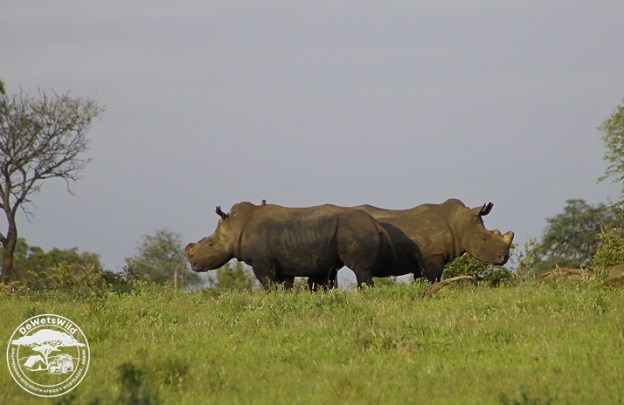
We had a handful of white rhino sightings during our fortnight in the Kruger Park, of which this was the most memorable. With the threat of rhino poaching ever present, seeing these beautiful animals with their horns trimmed to mere stumps (by park managers desperate to do whatever they can to safeguard them) seems a small price to pay for the privilege of spending time in their presence.

If you’d like to join me on a guided tour of South Africa’s wild places, of even if you’d just like a bit of help putting your reservations together, don’t hesitate to reach out!

Summer Snapshots from Kruger: The beauty of a green Kruger Park

DeWetsWild conducted a two-week tour of the Kruger National Park with altogether nine people to see out 2025 and ring in 2026 and every day for the month of February I’ll be sharing just a few of the many memories our group collected.

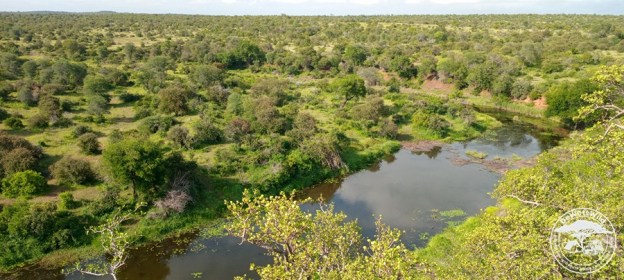
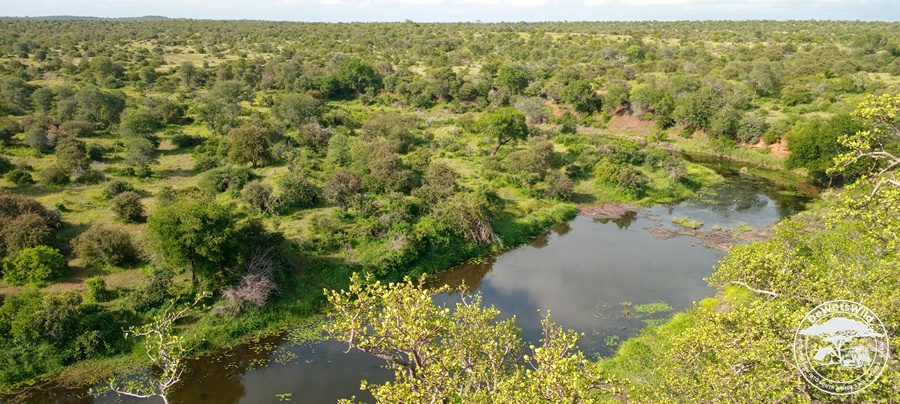
The Kruger National Park dressed in lush greenery during a wet summer season surely is one of most beautiful sights in all the world. This was the view from the viewpoint at Nwanedzi Picnic Spot late in December 2025.

If you’d like to join me on a guided tour of South Africa’s wild places, of even if you’d just like a bit of help putting your reservations together, don’t hesitate to reach out!