Jumping up from a picnic, while celebrating a special friends birthday, to take pictures of large eagles flying over a major metropolis is not a familiar scenario for the de Wets. And yet that seems to be par for the course at the Walter Sisulu National Botanical Gardens!
Opened to the public in 1987 as the Witwatersrand National Botanical Garden on land donated five years earlier by the town councils in Johannesburg’s western suburbs, the gardens were renamed after the ANC leader Walter Sisulu in 2004. The focal point of the garden is undoubtedly the Witpoortjie Waterfall, the source of the Crocodile River which flows through much of the garden. Apart from beautifully tended and themed plant displays, the grounds include large tracts of natural vegetation and ample lawns under shady trees, very popular for picnics. Several pathways and tracks provide access to various parts of the gardens, and the most challenging of these lead to the top of the cliff above the waterfall, a favourite spot for many photographers hoping for a special shot of the eagles soaring past.

Walter Sisulu National Botanical Garden

Walter Sisulu National Botanical Garden

The path to the top of the Waterfall

Walter Sisulu National Botanical Garden

Walter Sisulu National Botanical Garden

Walter Sisulu National Botanical Garden

Witpoortjie Falls

Witpoortjie Falls

Witpoortjie Falls

Crocodile River

Crocodile River

Crocodile River

Crocodile River
The gardens are open daily from 08:00 to 17:00 and facilities include a restaurant, kiosk, several function venues, a concert stage, an environmental education centre, a curio shop and a nursery selling indigenous garden plants. Guided tours of the gardens can be arranged in advance. We like the garden’s policy of “picnic in, litter out” encouraging visitors to take all their garbage with them when they leave.
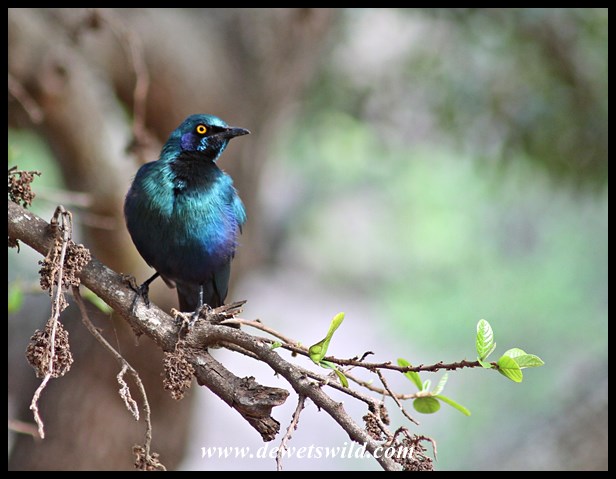
The gardens are a haven for a multitude of birds and small animals, many of which are quite tame and obviously used to the human presence.

Red Bishop

Southern Masked Weaver

Juvenile Red-Chested Cuckoo

Dark-capped Bulbul

Leopard tortoise

Leopard tortoise

Weevil
It’s been more than thirty years since a pair of Verreaux’s Eagles (formerly known as Black Eagles) first took up residence at a nesting site next to the Witpoortjie Waterfall. The current pair had successfully raised a chick to sub-adulthood and at the time of our visit was just starting to let the youngster know that it has to start looking for lodgings of its own. This made for spectacular flying displays over the gardens and against the backdrop of the Roodekrans cliffs.

Signage encouraging responsible enjoyment of the magnificent eagles

Their nesting site

Verreaux’s Eagles at Walter Sisulu National Botanical Gardens

Verreaux’s Eagles at Walter Sisulu National Botanical Gardens

Verreaux’s Eagles at Walter Sisulu National Botanical Gardens

Verreaux’s Eagles at Walter Sisulu National Botanical Gardens

Verreaux’s Eagles at Walter Sisulu National Botanical Gardens

Verreaux’s Eagles at Walter Sisulu National Botanical Gardens

Verreaux’s Eagles at Walter Sisulu National Botanical Gardens

Verreaux’s Eagles at Walter Sisulu National Botanical Gardens

Verreaux’s Eagles at Walter Sisulu National Botanical Gardens
On the other side of the garden, a dam with a bird-viewing hide at its edge was just one more delightful feature to add to our reasons to return to the gardens (soon!). Here we found an extremely irritable Egyptian Goose laying claim to the body of water and intent on ridding it of anything else that seemed remotely like waterfowl! It probably had a nest or goslings hidden somewhere near.

Sasol Dam from the Bird Hide

Egyptian Goose on the attack

Egyptian Goose on the attack

Yellow-billed Duck fleeing the area

Egyptian Goose on the attack

Egyptian Goose on the attack

Egyptian Goose on the attack

Egyptian Goose on the attack

Very pleased Egyptian Goose

African Black Duck
This was our first visit to these beautiful gardens, and we were wonderfully surprised and delighted by what we found. We spent the entire day at the garden, from when the gates opened until they closed, and yet feel like we haven’t seen most of it. Couple that with a jolly time spent with good friends, we’re sure it won’t be long before we return.
—————————————————–
Please vote for de Wets Wild in the 2014 SA Blog Awards
If you enjoy de Wets Wild as much as we enjoy sharing our love for South Africa’s wild places with you, please vote for us in the 2014 SA Blog Awards by clicking on this badge. We’ve entered both the Travel and Environment categories, and you may vote for us in both.
Thank you for your support!

-26.086888
27.839935