Tag Archives: travel

Back from the bush… Again!

I’ve just arrived back home again after another fantastic trip to the Kruger National Park, this time to participate in the Napi Wilderness Trail along with my mom, sister and brother.

Sunset on the Napi Trail

It will be a few days before I’ll be ready to tell you all about our experiences on the trail, and in the meantime will get to all the comments you’ve left while I was away and line up some more scheduled posts on interesting South African wildlife.

Photo Safari through Hluhluwe-Imfolozi Park (Part 3)

Hluhluwe-Imfolozi Park is famous as the place where the White Rhinoceros was saved from extinction in the middle of the previous century. These animals, and their more cantankerous cousins the Black Rhinoceros, still occur in healthy populations at Hluhluwe-Imfolozi, but how sad that they again face a terrible onslaught from greedy humans for their horns, even here in their ancestral home.

The Park is also home to the other members of the “Big 5“, although the leopards didn’t show themselves to us during this visit. We had several sightings of different lion prides lazing on sandbanks in the Black Umfolozi River, and we encountered elephants and buffaloes throughout the reserve on a daily basis. Spotted Hyenas were a regular sight around Mpila, and we were thrilled by an encounter with a small pack of African Wild Dogs hunting impalas near Bhekapanzi Pan. That same morning we also had a fleeting sighting of a cheetah on Sontuli Loop. Furthermore, baboons, vervet and samango monkeys, duikerbushbuck, nyala, kudu, waterbuck, wildebeesthippo, zebra, giraffe and warthog all put in appearances as we explored Hluhluwe-Imfolozi this winter.

As we wrap up this report from our winter holidays in the bush, we really hoped you enjoyed travelling through Hluhluwe-Imfolozi Park with us, and perhaps feel inspired to visit for yourself!

Being one of our favourite destinations, we’ve featured Hluhluwe-Imfolozi Park many times on our blog – have a look through all our posts about this special wilderness if you’d like to learn more about it.

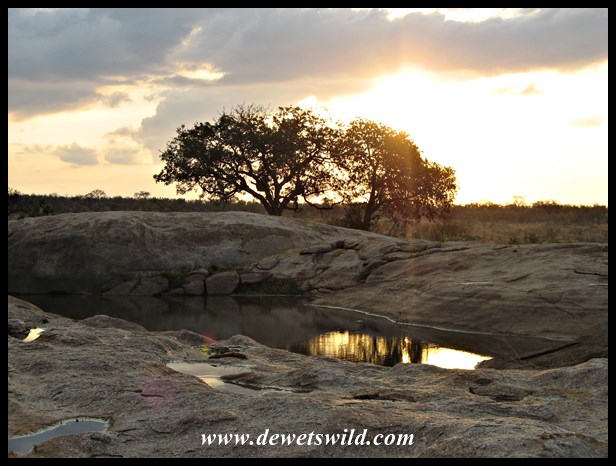
Photo Safari through Hluhluwe-Imfolozi Park (Part 2)

The Hluhluwe-Imfolozi Park supports over 400 species of birds, many of which have become exceedingly rare, even threatened, outside formal conservation areas like this.

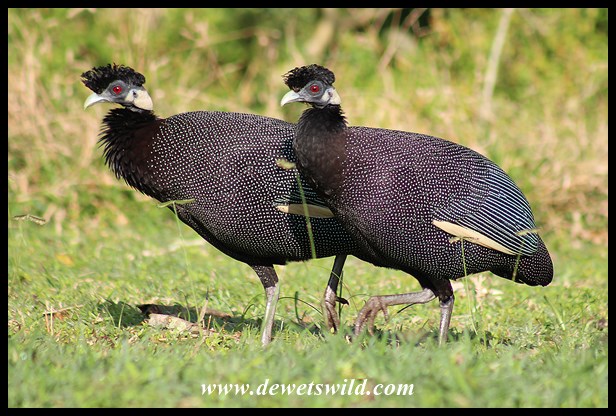
Bird-watching along the reserve’s road network is very rewarding, and there’s always something of interest at the three hides located at waterholes around the Park, or at the picnic sites set in beautiful locations along the Hluhluwe and Black Umfolozi Rivers. It is in the camps however, among the accommodation units, that the birds are most accustomed to a human presence and easiest to photograph as they go about their feathery business.

Enjoy this gallery showing some of the 73 species of bird we managed to identify during our recent winter visit to Hluhluwe-Imfolozi Park.


Being one of our favourite destinations, we’ve featured Hluhluwe-Imfolozi Park many times on our blog – have a look through all our posts about this special wilderness if you’d like to learn more about it.
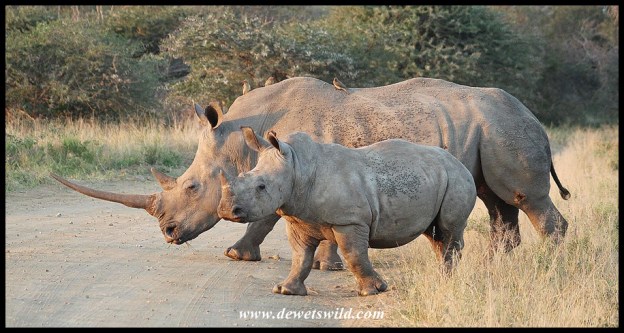
Photo Safari through Hluhluwe-Imfolozi Park (Part 1)

Moving along to the latter half of our winter holidays in the bush brings us to another of Africa’s oldest conservation areas (and another of our favourite wild places) – the Hluhluwe-Imfolozi Park.

This conservation area covers an enormous 960km² of beautifully unspoilt wilderness, and incorporates the Hluhluwe and Umfolozi Game Reserves that were officially proclaimed in 1895.

We spent four nights in the Park – 3 in cottage #17 at wonderfully wild Mpila and the last in chalet #42 at the Park’s flagship tourist facility; Hilltop.

Of course no visit to a Game Reserve would be complete without plentiful encounters with wild creatures, so let’s get started with a few small critters we came across (more to follow in the next two days).

Being one of our favourite destinations, we’ve featured Hluhluwe-Imfolozi Park many times on our blog – have a look through all our posts about this special wilderness if you’d like to learn more about it.

iSimangaliso’s Eastern Shores – A Photographic Journey (Part 4)

Time to wrap up the photographic trip report of our recent visit to the Eastern Shores of Lakes St. Lucia, with a gallery of some of the larger animals we encountered on land and sea in the place of miracles and wonders – the iSimangaliso Wetland Park.

Follow the links for more of our posts about St. Lucia town, Cape Vidal and Mission Rocks.


iSimangaliso’s Eastern Shores – A Photographic Journey (Part 3)

On the Eastern Shores of Lake St. Lucia, the amazing diversity of life forms comes in all sizes. The star of this collection of photos showcasing some of the smaller creatures that crossed our path on our recent visit must be the tiny frog that somehow got into my mug while we were enjoying coffee and rusks one morning at Mziki viewpoint near Mission Rocks. Exactly when it got into my coffee is unclear – I had put my mug down a few times to take pictures – and I have no idea how much of my coffee I had shared with the little guy. Joubert only noticed it sitting in the cup when I took my last swig as we started packing up to leave. Lucky for it, I drink a lot of milk in my coffee so it wouldn’t have been scalded.

Follow the links for more of our posts about St. Lucia town, Cape Vidal and Mission Rocks.

iSimangaliso’s Eastern Shores – A Photographic Journey (Part 2)

The iSimangaliso Wetland Park is a bird-watcher’s paradise – 526 bird species have been recorded within its borders!

During the few days we recently spent on the Eastern Shores of Lake St. Lucia, we managed to tick 109 kinds of birds, and had we been better at identifying the “Little Brown Jobs” our list would undoubtedly have been quite a bit longer still.

This incredible diversity is surely due to the Park’s rich variety of habitats, and our “success” in connecting with so many kinds of birds can only be ascribed to the terrific collection of roads, hides, picnic sites and other localities so easily accessible to visitors.

We hope you enjoy this sample of iSimangaliso’s birdlife!

Follow the links for more of our posts about St. Lucia town, Cape Vidal and Mission Rocks.

iSimangaliso’s Eastern Shores – A Photographic Journey (Part 1)

We’re fresh back from a terrific holiday in two very special wild places in northern Kwazulu-Natal. Our first destination was the iSimangaliso Wetland Park, and specifically the Eastern Shores of Lake St. Lucia, where we spent one night at Manzini Chalets in the holiday town of St. Lucia, and four nights in a log cabin at Cape Vidal.

I can’t think of a better way to start off the report back on our trip than with a few landscape photos that illustrates why iSimangaliso is a land of “miracles and wonders”, and one of our favourite destinations!

Follow the links for more of our posts about St. Lucia town, Cape Vidal and Mission Rocks.

Back from the Bush

We’ve just arrived back home after a wonderful ten days in the bush, visiting the iSimangaliso Wetland Park and Hluhluwe-Imfolozi Park in South Africa’s Kwazulu-Natal Province.

While we get busy responding to the comments you left on the scheduled posts that published in our absence, here’s a small gallery of what you can expect when we report back on our trip in the coming days…

A not so wintry day at Walter Sisulu Botanical Garden

It is supposed to be mid-winter in South Africa, but with daytime temperatures in the comfortable low 20’s centigrade recently, we just couldn’t pass on the opportunity to visit the Walter Sisulu National Botanical Garden in Johannesburg again this past Sunday. We enjoyed a lovely day walking and picnicking with good friends, soaking up the glorious sunshine under a cloudless sky, and of course our cameras went along!

Even in winter the garden is a feast for the eyes, and especially the winter-blooming aloes and carpets of daisies are a sight to behold. You are seldom far from water anywhere in the garden, with the Crocodile River flowing serenely through it and the Witpoortjie Falls being the focal point for all visitors to the gardens.

Anyone with a love for or interest in birds, especially photographers, will really find a visit to the gardens worth their while. Apart from the highly visible nesting pair of Verreaux’s Eagles, the garden absolutely abounds with birdlife, even now in winter when so many of the summer migrants have departed for warmer climes. The hide at the Sasol Dam in a quieter corner of the garden must surely rank as one of the best facilities of its kind in the country in terms of the variety and quality of sightings on offer.

If you’d like to know more about the Walter Sisulu National Botanical Gardens, have a look at our post about our visit in November 2014 or visit their website.