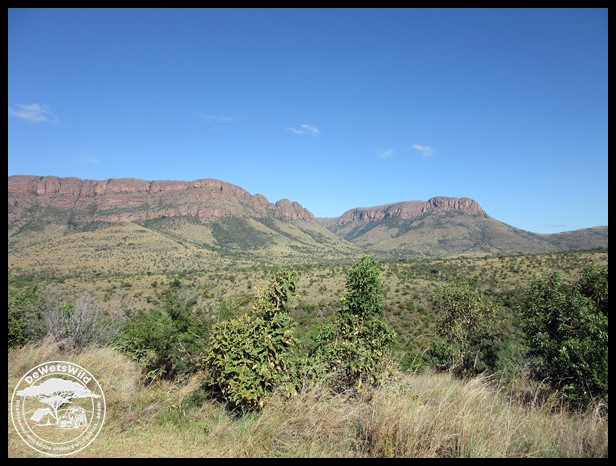
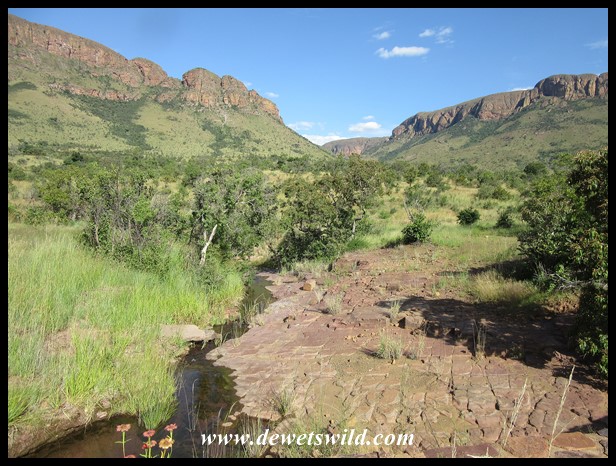
Marakele National Park – the Setswana name meaning “Place of Sanctuary” – traces its existence to the proclamation of a 150km² tract of the Waterberg as the Kransberg National Park in 1986. Over the years, more land was added and today the expanded protected area known as the Marakele National Park covers 670km² of bushveld plains and soaring mountains.

Marakele Landscape

Marakele Landscape

Marakele Landscape

Marakele Landscape

Marakele Landscape – the top of the Waterberg

Marakele Landscape

Marakele Landscape

Marakele Landscape

Marakele Landscape

Marakele Landscape

Marakele Landscape

Marakele Landscape

Marakele Landscape

Marakele Landscape
Without a doubt the highlight of a visit to Marakele is the vista from Lenong Viewpoint high up on the mountain.

Lenong viewpoint is up there, at the towers, in Marakele National Park

Lenong viewpoint marker

The view from the road to the top of Lenong Viewpoint on the mountain

The view from the top of Lenong Viewpoint on the mountain
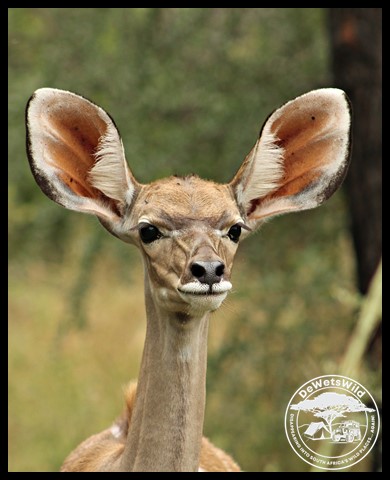
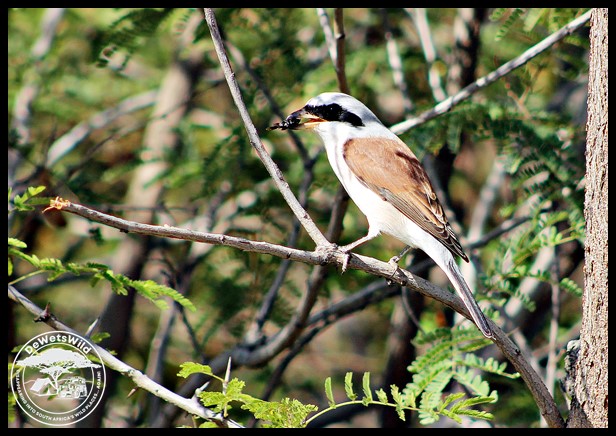
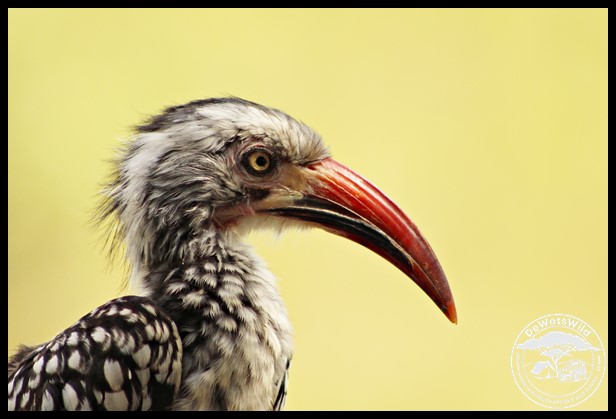
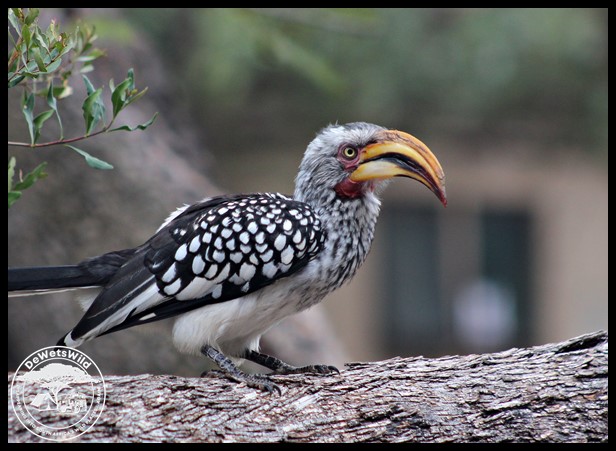
Marakele’s name is well deserved, considering that it is home to 91 kinds of mammals (including the famed “Big 5“), 363 kinds of birds (including an important colony of Cape Vultures), at least 62 species of reptiles, 27 amphibians and as many as 20 species of fish.

Vervet Monkeys gossiping (photo by Joubert)

White-crested Helmetshrike (photo by Joubert)

Beautiful Lion in Marakele National Park (photo by Joubert)

Elephant cow that made sure we were well and truly out of reach of her family (photo by Joubert)

Buffalo bull (photo by Joubert)

Klipspringer

Buffaloes visiting Tlopi (photo by Joubert)

Giraffe on the Kwaggasvlakte near Bontle in the Marakele National Park

Green-backed Heron (photo by Joubert)

Hamerkop (photo by Joubert)

Rock Hyrax

Grey-backed Camaroptera

Redbreast Tilapia in the dam at Tlopi

Sharptooth Catfish (photo by Joubert)

Southern Boubou

Crimson-breasted Shrike

Banded Mongoose

Western Stripe-bellied Sand Snake

Burnt-necked Eremomela

White Rhinos going for s stroll

Elephant roadblock at sunset (photo by Joubert)

Black Rhino (photo by Joubert)

Cape Vultures in flight over Marakele – the Park is home to the world’s biggest colony of these birds.

Southern Pied Babbler (photo by Joubert)
The South African National Parks provides a range of overnight options to suit almost every taste and budget in the malaria-free Marakele National Park. Bontle Rest Camp is located just a kilometre into the Park, very near the main gate and reception office. Here guests can camp in their own tents and caravans or rent one of the fully self-contained safari tents that sleep either 2 or 4 people. The camp is unfenced and regularly visited by various kinds of animals and birds. Guided drives and walks can be arranged through the reception office, and a swimming pool was added to the camp’s facilities in March 2023.

Welcome to Bontle!

Bontle Safari Tent

Bontle Safari Tent

Bontle Campground

Bontle Campground

Better safe than sorry

Warthogs at home in Bontle

Ostrich at home in Bontle, Marakele NP

Bontle ablution block

Our camping setup at Bontle in Marakele National Park, March 2023

Bontle Swimming Pool

One of the three ablution blocks serving Bontle’s campers
Motswere Cottage, in a remote woodland corner of the Park, is the most secluded option available to overnight guests. It is a revamped farmhouse that can accommodate groups of up to 8 guests.

Motswere Cottage, Marakele National Park
Tlopi Tented Camp is Marakele’s most popular accommodation option, with the ten two-bed tents (an additional stretcher is available for kids) situated beautifully on the bank of a dam that attracts a constant parade of wildlife day and night.

Tlopi Tented Camp, Marakele National Park, June 2021

Tlopi Tented Camp’s setting on the dam

Tlopi Tented Camp, Marakele National Park, seen from the Mbidi Loop

Tent #10 (Loerie) at Tlopi Tented Camp, Marakele National Park, June 2021

Tlopi Tent #1 (Plover), Marakele National Park, February 2022

Tent #10, “Loerie”, at Tlopi Tented Camp in Marakele National Park (June-July 2022)

Elephant visiting at Tlopi

Visitor at Tlopi

Elephants arriving at Tlopi’s dam

Tlopi scenery

Sunset at Tlopi, with the smoke from our braai fire wafting over the dam

Sunset at Tlopi

Early evening at Tlopi (photo by Joubert)

Joubert got this photograph of a Vervet Monkey sneaking into Tlopi Camp by jumping across the electric fence spun over the entrance to camp

Vervet monkey waiting for a gap at our tent in Tlopi Tented Camp
The Thutong Environmental Centre provides dormitory-style accommodation for up to 128 people and is ideal for big organised groups from family reunions to schools and church groups.

Thutong Environmental Education Centre, Marakele National Park, September 2017

Thutong Environmental Education Centre, Marakele NP, April 2019

Thutong view

Thutong Environmental Education Centre, Marakele National Park, September 2017
Remember that DeWetsWild will gladly assist you with a reservation and planning if you’re interested in visiting Marakele National Park and making the most of your visit, whether you intend staying at Bontle, Tlopi, Motswere or Thutong.
Marakele National Park is within easy reach of Gauteng’s major urban centres, lying just 220km north of Pretoria along good tarred roads. The town of Thabazimbi, just 10km from Marakele’s gate, provides all the necessary amenities one might need, from shops and fuel stations to medical facilities. Inside the Park guests are able to explore along a network of rough gravel roads, with the route up to Lenong viewpoint being the only stretch of tarred road in the Park.
















 DeWetsWild