Heavy thunderclouds hanging threateningly above an already overflowing Pioneer Dam, at Mopani Rest Camp in the Kruger National Park
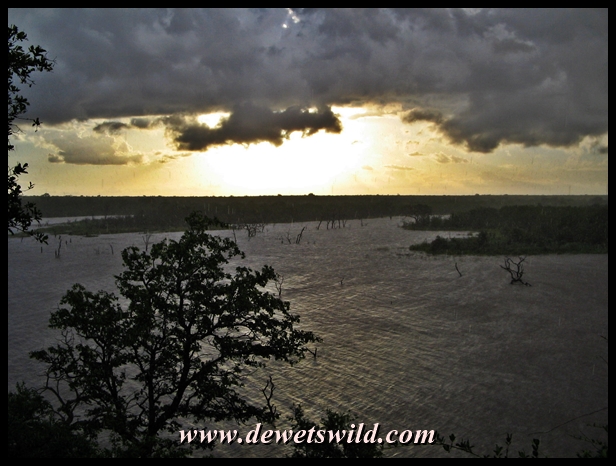
“Saturated” is this week’s photo challenge from WordPress
Heavy thunderclouds hanging threateningly above an already overflowing Pioneer Dam, at Mopani Rest Camp in the Kruger National Park
“Saturated” is this week’s photo challenge from WordPress
Our September 2013 trip to the north of the Kruger National Park afforded us the opportunity of visiting our favourite Shingwedzi Rest Camp for the first time following the devastating floods in January 2013.
Most of Shingwedzi has re-opened for visitors, with only some facilities, including the restaurant, remaining out-of-service – a sterling effort getting the camp up-and-running again so soon!
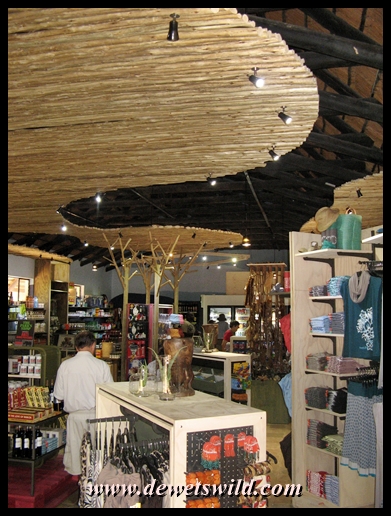
Revamped Shingwedzi shop
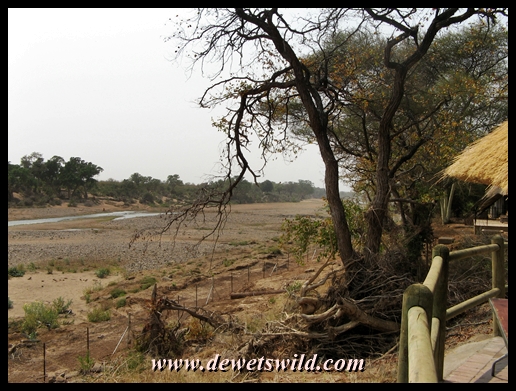
The view downstream from camp, to where the causeway is now buried beneath a thick layer of sand
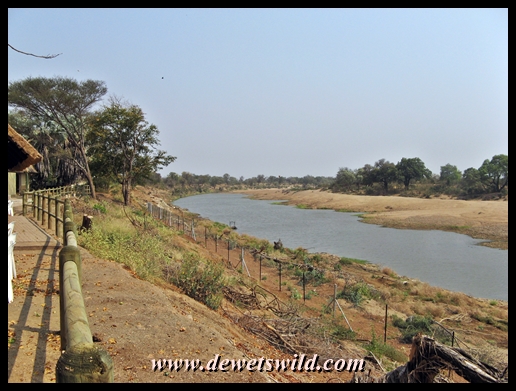
View upstream from camp – a huge pool of water now houses hippos and crocodiles where previously there would have been nothing but sand in the dry season
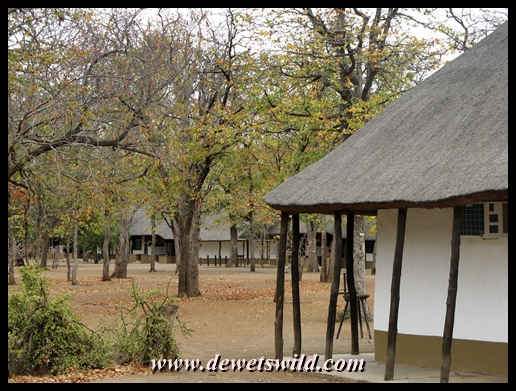
Shingwedzi accommodation

Shingwedzi camping site
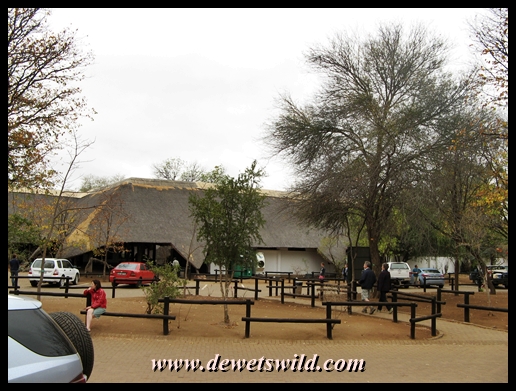
Shingwedzi main building – reception, shop and restaurant
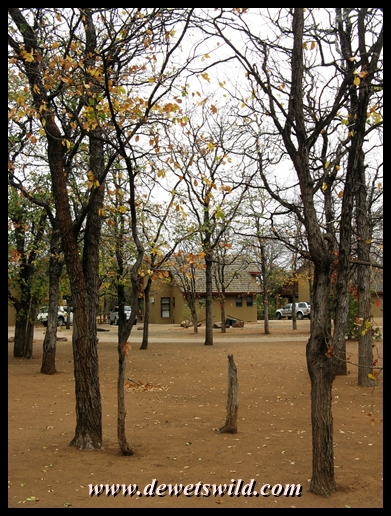
Shingwedzi accommodation

Shingwedzi camping site
Driving around the area, the impact on man-made infrastructure and the natural environment was still clearly evident eight months after the flood waters of the Mphongolo and Shingwedzi Rivers swept through here in the dark of night.

Elephant at a pool in the Shingwedzi River
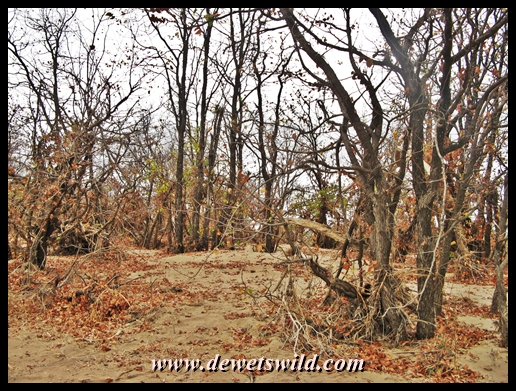
Deep sediment deposits where the Shingwedzi burst its banks
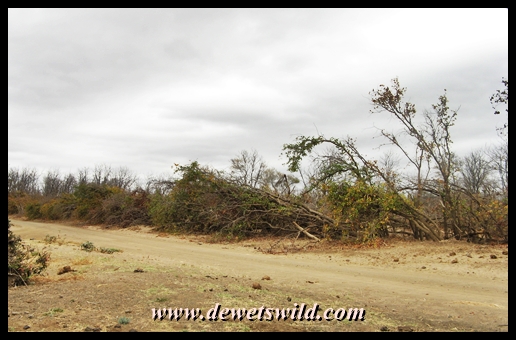
Bent trees and shrubs along the Shingwedzi river
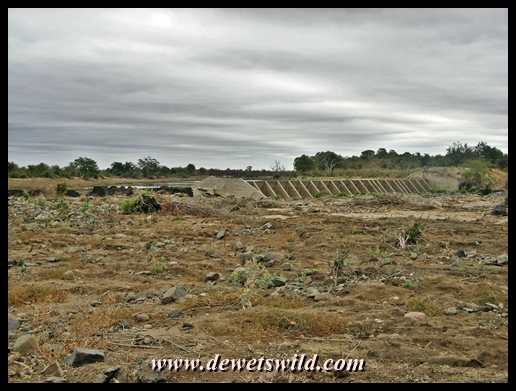
What’s left of the Kanniedood Dam wall. Not a single tree remain standing in the immediate area below the broken dam – before the flood you could not even see the wall due to the dense plantlife!
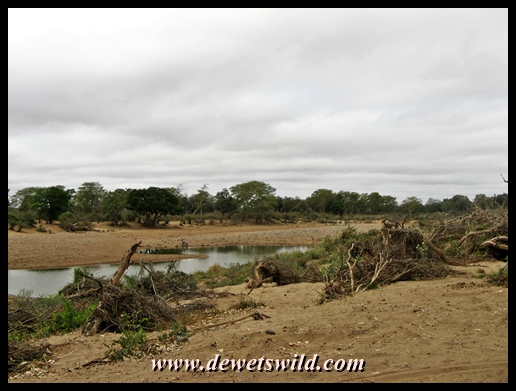
Debris, deep sand and newly formed pools of water along the course of the Shingwedzi River
Nature is resilient and we have no doubt that the Shingwedzi area will remain a firm favourite for many of the Kruger faithful, the de Wets included! Have a look here to find out why we love Shingwedzi so much!
The blotches, and the lines between them, on a giraffe’s hide are as unique as human fingerprints. These photographs were taken during our recent trip to the North of the Kruger National Park.

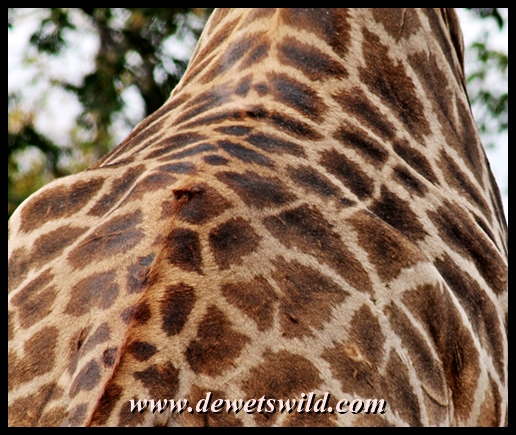

“From lines to patterns” is this week’s photo challenge theme
Never a day passes in the Kruger National Park that is not full of surprises.
We will be heading back home to Pretoria tomorrow, but today we had great sightings of huge elephant and buffalo herds, jackals, a massive eland bull, several grysbok and even an albino impala.
The highlight of the day was seeing a young male lion walking casually past a mixed herd of elephant and buffalo on the Dzundwini loop-road near Punda Maria – that’s three of the “Big-5” in the same spot! Unfortunately I could only manage a shot of the lion and elephant in the same frame.

It was a cool, overcast day at Punda Maria in the Kruger National Park today, and this buffalo wasn’t impressed with us disturbing his slumber!

We were very fortunate to have encountered two of the rarer antelope species to be found in the Kruger National Park today: a roan antelope bull mixing with a herd of tsessebe, near Babalala picnic spot in the north of the Park
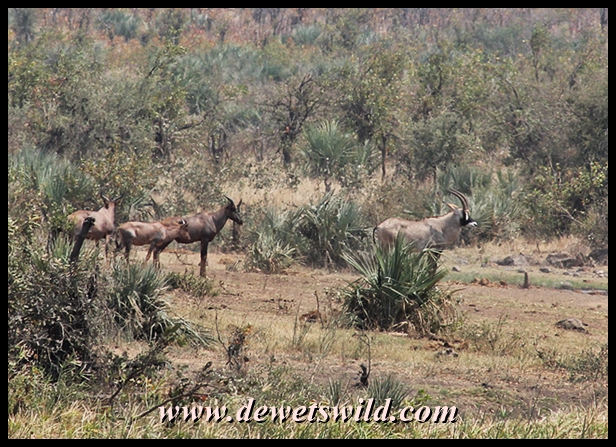
We bid you good evening from Letaba Rest Camp, in the Kruger National Park!
We arrived through Phalaborwa Gate early this morning and will spend one night here at Letaba before moving on to Punda Maria in the morning.
We had a fleeting late-morning sighting of a leopard on the prowl, but the highlight of the day unquestionably has to be the time we spent with the magnificent old elephant bull Masthulele, currently the biggest of Kruger’s tuskers, where he was feeding in the Letaba River not far from camp.
Edit: SANParks announced in September 2017 that Masthulele died during 2016.
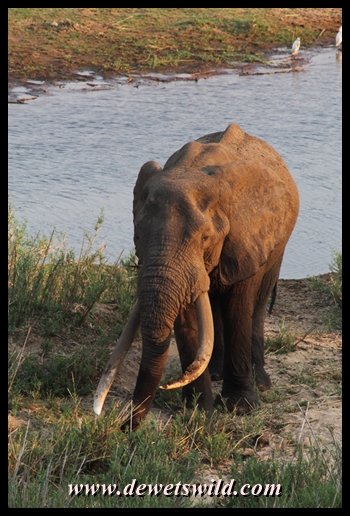
Exploring South Africa’s wild places is always nicer when the experience is shared with good company!
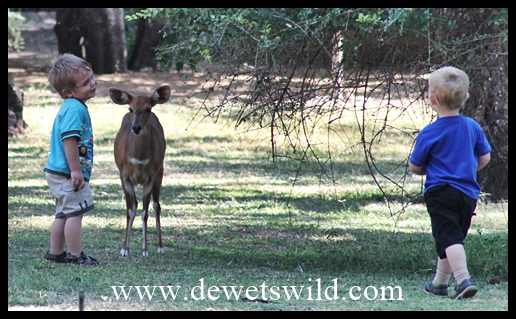
Pictured here is Joubert and his friend Louw getting acquainted with one of the bushbuck that have found a safe, predator-free home inside Letaba Rest Camp, in the Kruger National Park.
“Companionable” is this week’s photo challenge from WordPress
A small group of people are inspecting a dung-covered thorn-bush out in the African wilderness, the sun having just peeked over the eastern horizon, listening enchanted to their guide explaining the scene: “Long ago, the hippo lived on land with the elephant, the rhino and the buffalo. But Hippo complained bitterly to the Creator that his skin was far too sensitive for the African sun and pleaded to be allowed to live in the water. Crocodile wasn’t at all pleased with this arrangement though, fearing that the bulky hippo would eat all the fish in the river. Hippo then promised to spread his dung with his tail so that Crocodile could check that there was no fish bones in it. But the crocodile was still not convinced, as he’d have to go onto dry land to check Hippo’s dung, so Hippo put Crocodile’s mind at ease by saying that the rangers would check the dung on his behalf. And this is what we’re doing now, just checking that Hippo is keeping to his agreement with Crocodile”
My brother Niel and I arrived early morning on Saturday 15th of June for our annual brothers-trip to the Kruger National Park. We’d slowly make our way up to Satara Rest Camp that day, before joining the Olifants Wilderness Trail on Sunday afternoon at Letaba Rest Camp. Lots of time for relaxed game-viewing and photography along the way, and Kruger delivered the goods as always.


At 15:00 our Trail Guides Aaron and Louis meet up with Niel and I and the six other participants with whom we’ll be sharing our much-anticipated wilderness experience for the next three nights. It’s a two-and-a-half hour drive to the base camp, with frequent stops to appreciate the scenery and rich bird and animal life for which the Kruger Park is so renowned, and by the time we arrive darkness had already engulfed the small rustic camp.


The unspoiled African wilderness quickly makes friends of strangers, and there’s nothing to help the process along like a camp fire – or bush TV as Louis describes it because it’s so hypnotic. In the light of the dancing flames and with the grunting of hippos in the background, Aaron explains our schedule for the next three days and goes through some basic safety pointers for walking among dangerous wild animals. There’d be two days of walking, each starting with an early wake-up, coffee and rusks before dawn. At first light we’d drive a short distance into the wilderness before setting off on foot, spending four to five hours in the veld and enjoying a light picnic breakfast at a scenic spot, before returning to base for lunch and some quiet relaxation. The afternoon walks would be at a slower pace, taking in the setting sun from a beautiful vantage point, where after we’d return to camp for dinner before relaxing around the camp fire again. We’re also introduced to Shadrack, the shy camp caretaker and the cook responsible for the hearty traditional South African meals we’d enjoy for the next couple of days.
When walking in the bush, the focus shifts from the big hairy scary creatures to the smaller features that would normally go unnoticed while driving through the Park, although there’s always a good chance of encountering big game along the way. Easy to understand therefore why your heart would start racing when a scrub hare unexpectedly jumps up next to your feet while walking through the tall “adrenalin grass” next to the Hlahleni stream!


The Olifants Wilderness Trail has been running since 1979, and the little base camp is as rustic today as it was then. Four A-frame huts, each with two beds, provide accommodation to the trailists, who enjoy their meals and each other’s company at the communal boma and fireplace which has a commanding view over the Olifants River and the Lebombo Mountains. At the back of the camp are the pole-enclosed toilets and hot-water showers. There’s no electricity (or cellphone reception) at the camp, so in the evenings and early mornings paraffin lamps add to the camp’s peaceful atmosphere. This is wilderness at its uncluttered best, and a rich variety of birds and animals visit the camp and surrounds throughout the day.


Sitting atop a large boulder next to a deep river pool, watching the sun set over the Olifants while hippos are snorting and splashing just metres away, was the absolute highlight of our Olifants Wilderness Trail experience; an abiding memory that will remain with us forever.


All too soon the time came to return to civilisation. The mood on the vehicle was a lot more sombre on the way back to Letaba, and it was with heavy hearts that we said goodbye to Aaron, Louis and our fellow trailists.
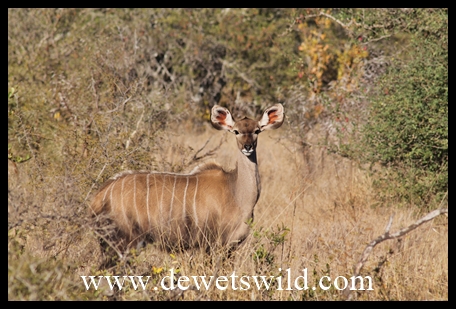
Kudu calf
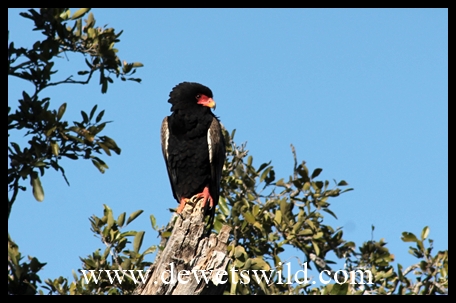
Bateleur

Giraffe bull
For Niel and I it was time to head back to the city, but Kruger had one more surprise in store for us on the way to Phalaborwa Gate. Masthulele, currently the biggest of Kruger’s Tuskers, accompanied by two younger bulls, was enjoying a drink from a pool in one of the dry river courses. How nice it was to bump into this familiar old friend!
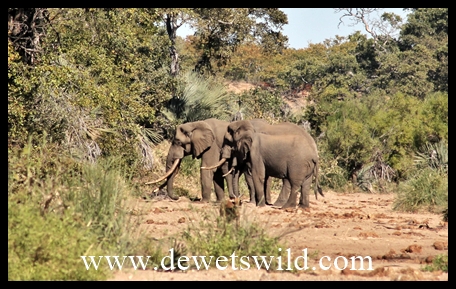
Masthulele

Crocodile at Sable Dam
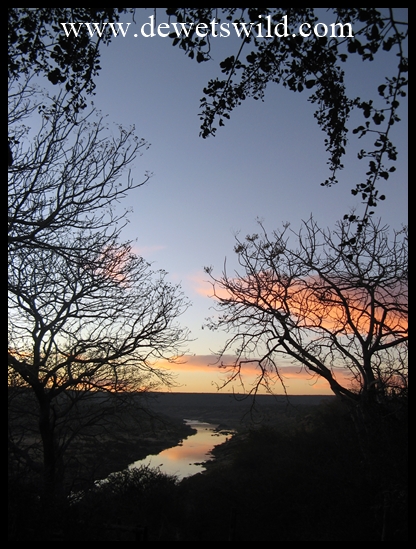
A spectacular view over the Olifants River as dawn breaks in the Kruger National Park, looking downstream from the Olifants Wilderness Trail base camp. What a beautiful country we live in!
“The world through your eyes” is this week’s WordPress photo challenge.
 DeWetsWild