Tag Archives: wildlife

Marakele National Park

The aptly named Marakele National Park is most certainly a “place of sanctuary” to much of South Africa’s indigenous wildlife, as the translation of the Tswana name suggests.
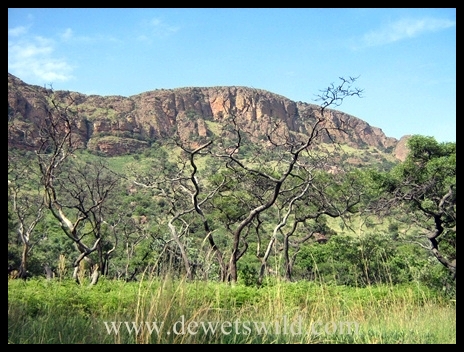
Located in the Waterberg mountain range in the Limpopo Province, there are two main reasons for the park’s extraordinary diversity of plant and animal life. Firstly, it is located in the transition zone between the country’s drier western and wetter eastern climatic zones. Secondly, it has an impressive altitudinal range between 980 and 2100m above sea level. Thus the park has a rich variety of habitats housing a wide variety of fauna and flora – many of which is endangered or unique to the area, and as a result it forms a core area of the Waterberg Biosphere Reserve.
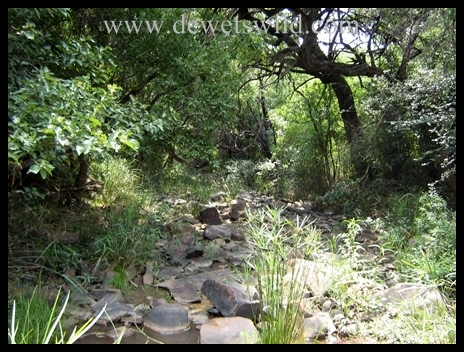
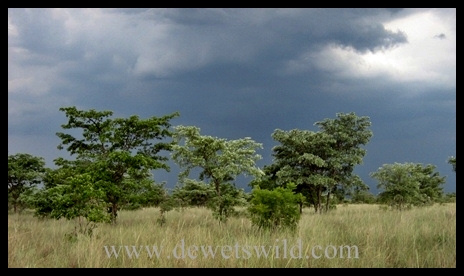
The Waterberg cycad (Encephalartos eugene-maraisii) is one example of a rare plant species finding sanctuary here at Marakele. This plant was named in honour of naturalist, author and poet Eugene Marais who spent much of his life here in the Waterberg, his work inspired by the beautiful landscapes, fascinating wildlife and warm people of the region.
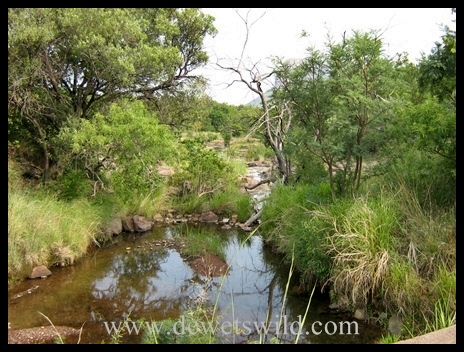
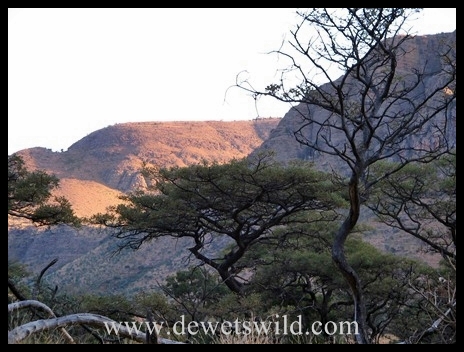
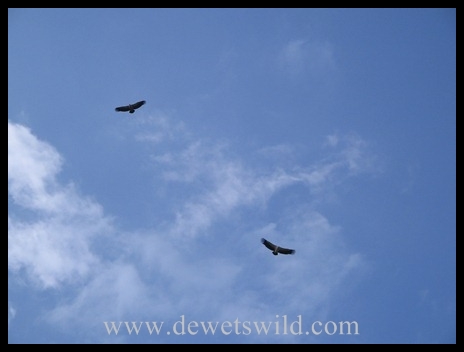
Marakele may be home to Africa’s Big Five, but pride of place certainly goes to the population of Cape Griffon vultures that have made their home among the towering cliffs – at 800 breeding pairs it is one of the biggest colonies of these endangered birds left on the planet.
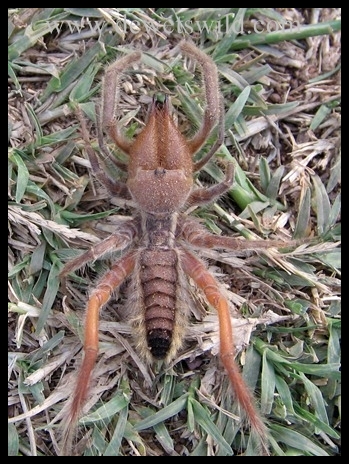
The best place to see the vultures are from the Lenong viewpoint located high on a cliff edge, where they soar by in breath-taking proximity. The very narrow road leading up to the viewpoint may be one of the steepest and most hair-raising drives in South Africa, but the spectacular views from the top is a sight to behold and treasure.
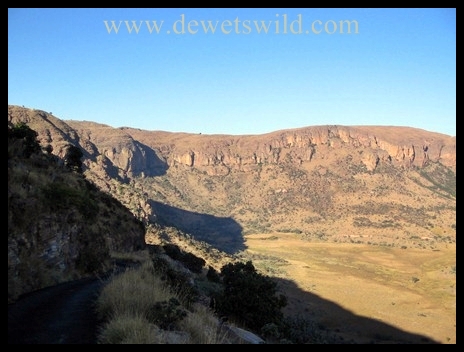
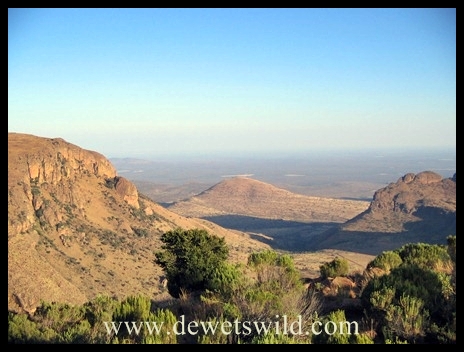


The Park was originally proclaimed in 1986 (then named Kransberg after a prominent peak in the Waterberg range) and has been continuously expanded to its current size of almost 650km². Accommodation is available at Tlopi Tented Camp while the Bontle Camping Area provides decent facilities for caravanners and campers. Guided activities are on offer, and other facilities include a hide next to a waterhole that provides excellent opportunities to photograph birds and game, and two rustic picnic spots.
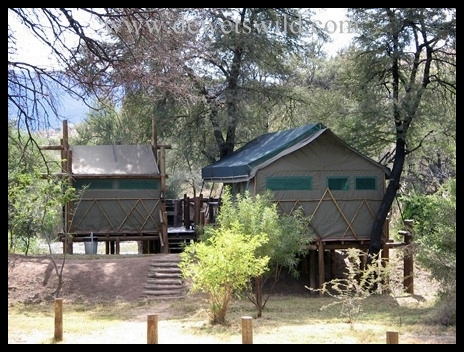
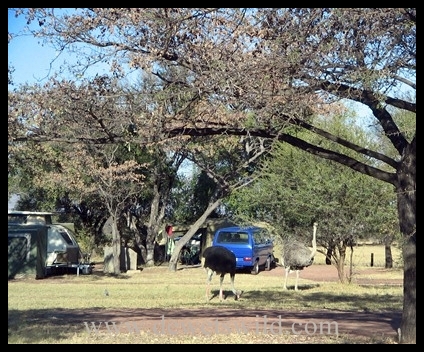
Visit Marakele National Park and you will soon realise that humans too can find sanctuary from the humdrum of everyday life here.

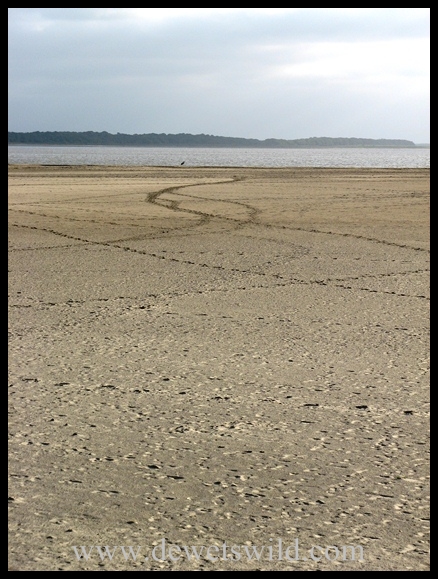
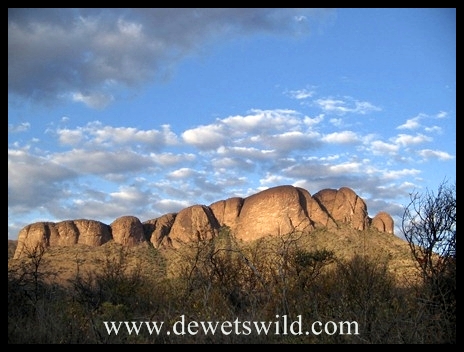
Sunset over Marakele National Park

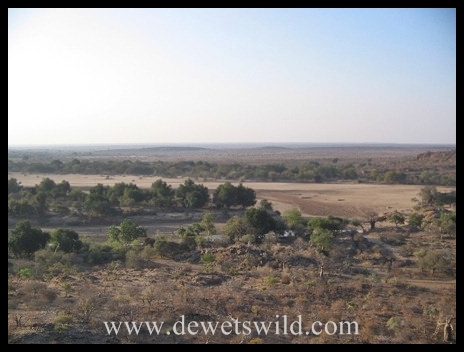
Mapungubwe National Park


In the far north-west corner of South Africa’s Limpopo Province, on the border with Botswana and Zimbabwe, is a national park that protects not only a rich and diverse natural landscape, but also a fascinating cultural heritage.

Mapungubwe National Park was officially proclaimed only in 1995 (originally called Vhembe-Dongola National Park) and was conferred World Heritage Site status in 2003, but the area’s rich history dates back much further than that. Atop the inconspicuous Mapungubwe Hill, archaeologists have uncovered evidence of a thriving and advanced African civilisation, dating back to between 900 and 1250AD, trading with countries as far away as Egypt, India and China. This rich cultural heritage is today showcased in an award-winning interpretive centre and guided tours are presented to the archaeological site on and around Mapungubwe Hill.

The Park however has much more to offer nature enthusiasts though. The Park is home to large predators like lion, leopard and spotted hyena, a large number of elephants, many antelope species, zebra and giraffe, a huge variety of birds, reptiles and invertebrates, and interesting plant life – not least of which is the impressive baobabs.

From a cliff-top viewpoint there are magnificent views over the confluence of the Limpopo and Shashe rivers where South Africa, Botswana and Zimbabwe meets, with a well laid-out picnic site nearby.

2056 Confluence uitkyk

In the same general vicinity a unique raised walkway – high enough for elephants to walk underneath with ease and almost a kilometre in length – leads through the riverine vegetation on the banks of the Limpopo. Here the fever trees, with their yellow trunks, are particularly beautiful – a notice board at the start of the trail calls into memory a quote from one of Rudyard Kipling’s’ Just So Stories, The Elephant’s Child: “…till at last he came to the banks of the great grey-green, greasy Limpopo River, all set about with fever-trees…”.

The Maloutswa Hide, in the western section of the Park, is another highlight not to be missed. Here, in a shaded, spacious wooden building overlooking a large pan one can easily while away hours watching the animals and birds come and go to slake their thirst at the water’s edge.

SANParks offer overnight accommodation in four camps (Leokwe Rest Camp, Limpopo Forest Tented Camp, Tshugulu Lodge and Vhembe Wilderness Camp) and camping at the Mazhou Campsite, and a variety of guided activities are also on offer.

Today grand plans are being implemented to establish a unified trans frontier conservation area centred on Mapungubwe by incorporating state and private land from the three neighbouring countries – a praise-worthy initiative well worth supporting.

Changing Seasons

The birth of impala lambs in South Africa coincides with the start of summer, with up to 90% of the lambs arriving within a three week period at the end of November and early December. These lambs were photographed at the Ithala Game Reserve last year.

(you may click on the image for a clearer view)

For more of this weeks challenge go to Weekly Photo Challenge: Changing Seasons.

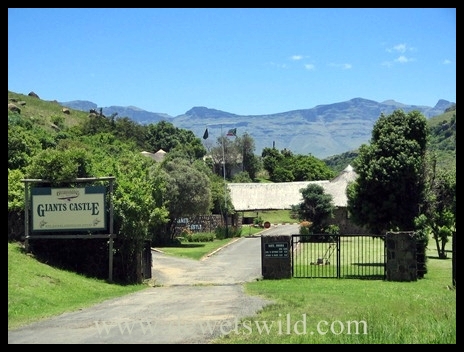
Giant’s Castle Game Reserve

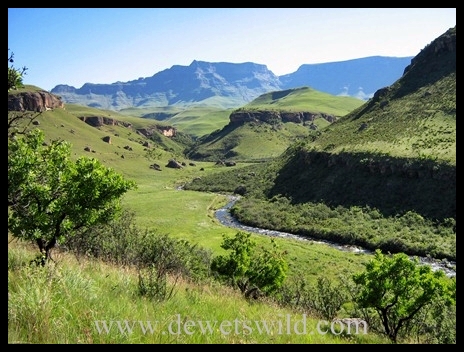
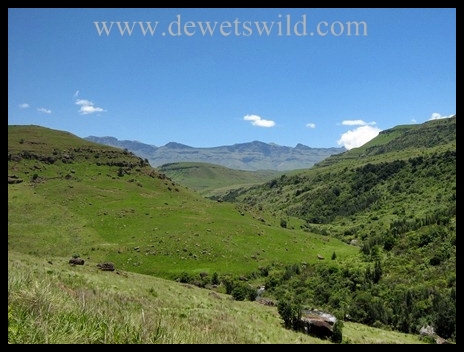
The Giant’s Castle Game Reserve was established in 1903 and is named after a peak, 3314-m high, that towers imposingly over the valleys of the reserve.  Located in western KwaZulu-Natal Province on the border with Lesotho, the reserve is today an integral part of the uKhahlamba Drakensberg Park, a world heritage site.

Specifically proclaimed for the protection of the last remaining free-roaming populations of eland (the biggest antelope in Africa) in Natal, the area where the reserve is located today was also home to the San-Bushmen, hunter-gatherers that were driven from the area by the middle of the nineteenth century and of whom the only remaining proof of their occupation is the vast number of paintings that adorn the walls of caves and rock overhangs in the area. Ironically so, for the San revered the eland as the most sacred of animals.

One hundred and nine years after the reserve’s foundation, the eland and a wealth of other animals, birds and plants all find protection here, but the magnificent mountain scenery still leaves the most lasting impression on visitors.

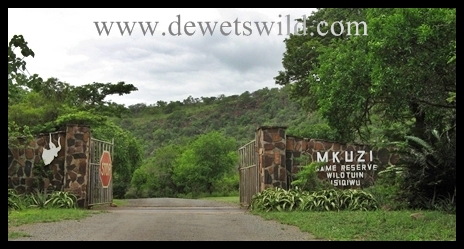
uMkhuze Game Reserve

Heaven to bird watchers and a paradise for photographers!

The uMkhuze Game Reserve, which celebrated its centenary on the 12th of February 2012, is today an integral part of the greater Isimangaliso Wetland Park (a World Heritage Site) and is one of South Africa’s most ecologically diverse conservation areas. It is located in the north of Kwazulu-Natal province, roughly 500 kilometres south-east of Johannesburg or 350 kilometres north of Durban, very near the N2-national highway which makes it a very easy-to-reach destination.

The reserve is probably best known as a mecca for bird watchers, with over 400 bird species having been identified here.
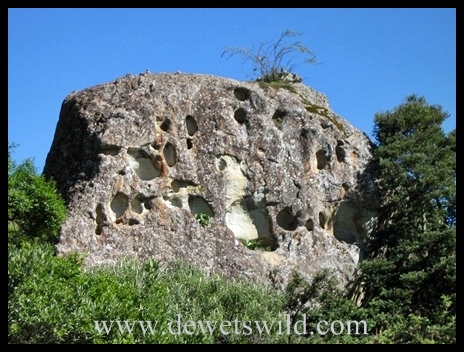
This abundant birdlife is attracted to the reserve by the wide array of habitats, stretching from the slopes of the Lebombo Mountains through gently rolling bushveld and dense woodlands to thick riparian forests, swamps and the magnificent watery expanse of Nsumo Pan.

With the exception of lion, uMkhuze provides sanctuary to good numbers of almost all South Africa’s big game and large predators. (EDIT: Lions were reintroduced to uMkhuze in late 2013)

Photographers have been well catered for, with several hides and platforms available in which visitors can easily spend hours or even the entire day watching the continuous processions of animals and birds slaking their thirst at the water’s edge.

Mantuma is the main camp in uMkhuze. Here you will find a curio shop with basic items for sale, a swimming pool and the delightfully named “Rhino Dine-O” take-away kiosk catering to the needs of the reserve’s guests. The elegant nyala often make themselves at home amongst the huts in the unfenced Mantuma Camp. A spacious and very shady camping area at the Emshopi entrance gate accommodates up to 100 campers at a time.
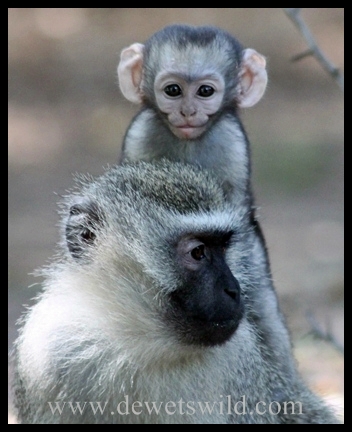
uMkhuze Game Reserve offers so much to experience that there’s always something left to explore and that’s ample reason to return again and again!

Wildlife

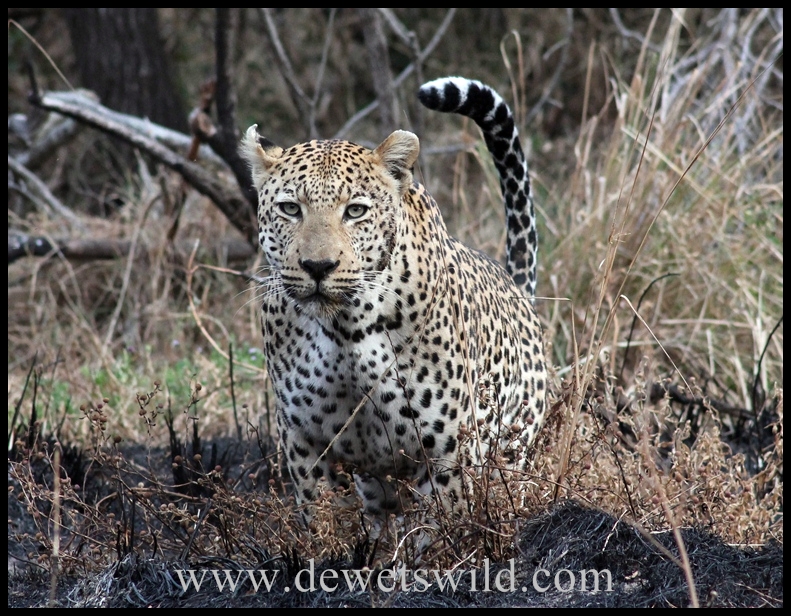
I’ve blogged about my fabulous leopard sighting near Skukuza in the Kruger National Park during my visit in July of this year before, but couldn’t resist publishing another photo of that encounter here as entry into LetsBeWild.com‘s weekly photo challenge – this week’s challenge is wildlife and I think it fits the bill perfectly. Let us know if you agree please!

(you can click on the image for a clearer view)


Leopard near Skukuza, Kruger Park

We are thrilled that this entry was awarded an honorable mention from the adjudicators of LetsBeWild.com’s wild weekly photo challenge!

Kruger National Park, October 2012

As close to a wild lion as you can get!

Less than a month has passed since our previous visit, and the early spring rains have transformed the southern regions of the Kruger National Park into a lush green paradise. Animals abound – the reason why many of the Kruger-faithful refers to the south of the Park as “the zoo” – and a lot of the migratory birds that call South Africa home during our hot summer months have already made their appearance, joining the large number of bird species that are resident throughout the year.

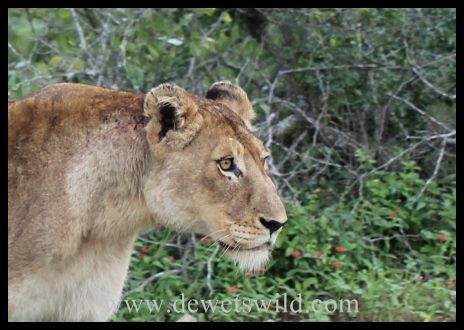
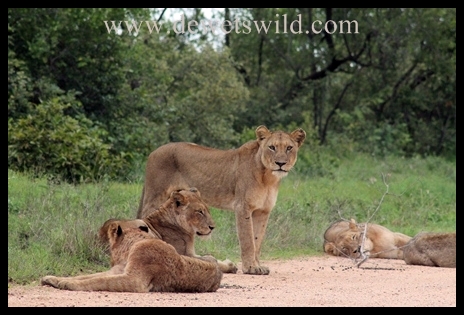
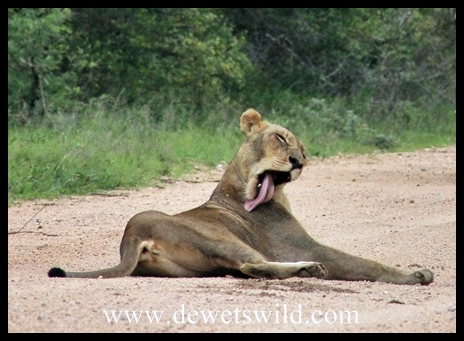
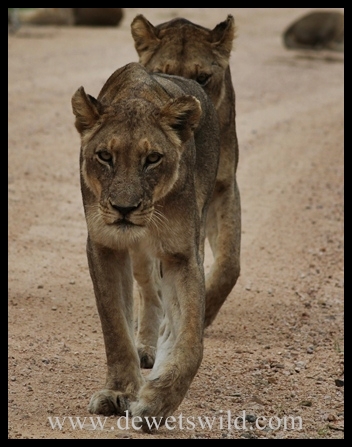
We always lament the fact that a trip to the Kruger National Park seems to fly past in a heartbeat, and our three night visit (staying over in Skukuza and Crocodile Bridge Rest Camps) was no different. But this time Kruger kept the best for last – our parting gift, on the way to Malelane Gate, was a pride of about fifteen lions lazing around in and next to the road, delaying our exit by almost an hour (not that we’d ever complain!) before they decided to march right past our vehicle – a breathtaking experience that will remain in our memories for ever.

We’re happy to have been able to share some more pictures of our latest adventure with you (we’ve already published two images from this trip in weekly photo challenges – “Foreign” and “Escape“) in the hope that you’d be inspired by our natural heritage as much as we are!