Tag Archives: Addo Main Rest Camp

More snaps from our summer days in the Addo Elephant National Park

The Addo Elephant National Park is one of South Africa’s most visited wild places, and not without reason. The Park has a wealth of habitats and a wonderful array of wildlife, not least of which is the elephants that were the original reason for Addo’s proclamation. Furthermore it is such an easy destination to visit, with an excellent network of roads, conveniences like a shop and restaurant, and comfortable accommodation options for visitors.

During our visit earlier in January I posted a few photographs on a daily basis to give those following along on our travels a glimpse of what we were experiencing. Let’s start this recap with those.

There’s no denying that Addo’s Elephants are the stars of the show – rightly so, considering how close the population were to being wiped out when the Park was proclaimed – but national parks like Addo conserve so much more than just the big, charismatic African fauna. Addo is richly endowed with various kinds of smaller, often less noticeable, plants and wildlife, and visitors who take care to look for them will find their visits endless enriched.

Addo is also a haven for a wide variety of birds – we managed to identify 81 species during our four day visit.

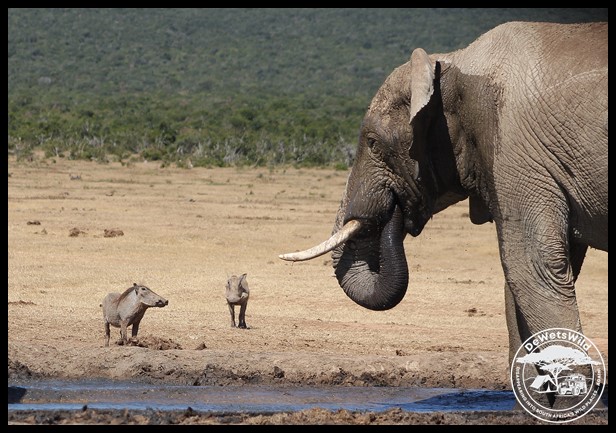
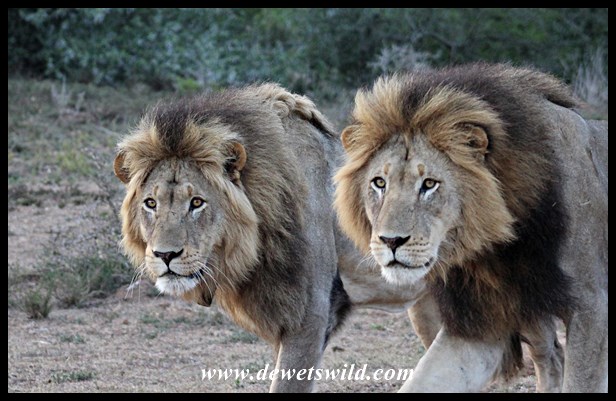
Of course a national park on this continent will never grow famous if it isn’t home to a wide variety of charismatic mammals, and here Addo certainly ranks among the best of the best. Lions, hyenas, jackals, zebras, antelope, buffaloes and warthogs can pop out around any corner and are usually quite comfortable around humans in their vehicles, making for great photographic opportunities.

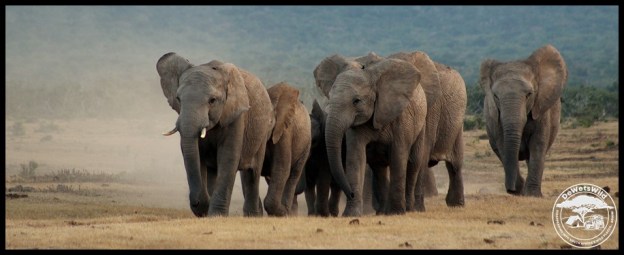
And then, of course, there’s the elephants. Addo’s elephants are more relaxed than most other populations in the country and, if you are as enthralled with these beautiful animals as we are, you will enjoy the many up-close encounters Addo delivers with the giant pachyderms.

DeWetsWild is proud to be a contracted reservations agent for the Addo Elephant National Park, so whether you’d like us to assist you with a reservation to visit on your own or would like us to include the Park in a guided tour arranged specifically for you, please don’t hesitate to reach out!

Summer Trek – Addo, 5 January 2025

Our final full day at Addo Elephant National Park was cool and overcast – a massive change in weather from the extreme heat we experienced two days ago. With the cooler weather there was also much less activity at the waterholes.

Summer Trek – Addo, 3 January 2025

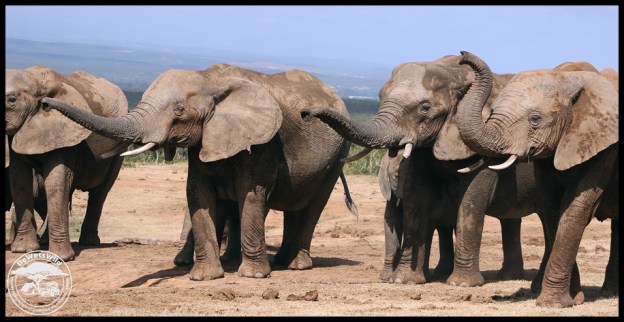
The 3rd day of the new year was very, very hot and the animals – especially the elephants – congregated in enormous numbers around Addo’s waterholes to quench their thirst and cool off in the mud.


Summer Trek – Addo, 2 January 2025

Happy New Year, everyone!

We’ve resumed our summer travels through the national parks and reserves of the Western and Eastern Cape and find ourselves at the Addo Elephant National Park this evening. In the little time we’ve spent here already today the Park has certainly lived up to its name!

Our 2024 in Pictures

Join us as we reminisce about the places DeWetsWild visited while exploring Southern Africa’s wild places in 2024!

May 2025 be a year to remember for all the best reasons. Happy New Year, everyone!

Addo Elephant National Park: Celebrating 90 years of conservation success!

Today we celebrate the 90th birthday of the Addo Elephant National Park.

By the early 1900’s the Eastern Cape’s wildlife was being exterminated at an alarming rate. The last remaining lions and black rhinos in the region did not see the arrival of the year 1900, and only about 140 African Elephants remained around the Addo district, which was rapidly developing into an important agricultural area, leading to conflict with the newly established farmers. The government’s decision to intervene was not good news for the elephants. In 1919 they appointed Major P.J. Pretorius to destroy the elephants, and by 1920 he had killed 114 of them and caught 2 for a circus. Only 16 elephants remained when public sentiment swung in their favour and the wanton killing ended, and when the Addo Elephant National Park was proclaimed on 3 July 1931, only 11 elephants were left. Initially, the Park was not fenced to keep the elephants in and when they left the Park they were at the mercy of the “civilisation” that wanted to destroy them all, so the first Park manager made the decision to feed them with citrus and other fresh produce to keep them within his boundaries. Slowly but surely their numbers started growing, but by the time the Park, then only 2,270 hectares in size, was finally surrounded with an elephant-proof fence in 1954, there was still only 22 elephants at Addo. The unnatural practice of feeding the elephants, which in the end was done more for the entertainment of tourists than for the elephants’ sake, ended in 1979. By then the herd numbered about 100 animals, but Addo’s elephants have responded wonderfully to the protection they’ve been afforded since the Park’s proclamation, and today number over 600! Along with the elephants, the last free-roaming herds of African (Cape) Buffalo that occurred in the then Cape Province, as well as the unique and endemic Addo Flightless Dung Beetle, finally found a secure refuge. In subsequent years the Park’s area was expanded and species that fell into local extinction were reintroduced.

With the Addo elephants now finally living in a safe refuge, the focus at Addo Elephant National Park is no longer on saving a single species. Today, the park’s management is concerned with the protection of the enormous diversity of landscapes, flora and fauna encompassed within its boundaries, which covers an expansive area of over 178,000 hectares stretching from beyond and across the Zuurberg range to the coastal forests and dune fields of Alexandria. The Park protects portions of no less than five of South Africa’s seven distinct terrestrial biomes, these being subtropical thicket, fynbos, forest, grassland and Nama-Karoo, not to forget to mention the portion of marine environment protected around Algoa Bay’s St. Croix and Bird islands which is important breeding sites for endangered seabirds. Addo is the only National Park in South Africa that can claim to protect the “Big Seven” – the famed “Big Five“ of ElephantLionBlack RhinoBuffaloLeopard, together with the Great White Shark, and Southern Right Whale.

Addo Elephant National Park protects a total of 95 mammals species. The Park also boasts a list of 417 bird species, and if that isn’t enough, visitors also have a chance of spotting any of the more than 50 reptile species or 20 kinds of frogs and toads that call Addo Elephant National Park home. The Park’s most famous invertebrate inhabitant undoubtedly is the Addo Flightless Dung Beetle (Circellium bacchus), this being only one of 5 places they are still found. These interesting insects make use of elephant and buffalo dung as food, either for themselves or rolled into brood balls in which they lay a single egg before burying it in soft sand and on which the larvae then feeds when it hatches.

The Addo Main Camp is the Addo Elephant National Park’s first and biggest tourist facility. Camping and a wide variety of accommodation (as well as a swimming pool) is available to overnight guests. There are picnic sites for day visitors, an underground hide overlooking a waterhole frequented by all the Park’s animals and floodlit at night (we even saw a brown hyena there when we visited in December), a birdwatching hide overlooking a small artificial wetland, a self-guided discovery trail, guided drives and horse rides, a fuel station, restaurant, shop and excellent interpretive centre where young and old can learn more about the Park and its inhabitants. Elsewhere in the Park guests can overnight at the luxury, full service and privately-run Gorah, Riverbend and Kuzuko-lodges, or in one of the Park’s own camps at Nyathi, Matyholweni, Kabouga Cottage, Mvubu Campsite, Narina Bushcamp, Langebos and Msintsi. Between the Main Camp and Matyholweni guests have access to an extensive and well-maintained network of all-weather game viewing roads, while other areas of the Park can be explored along hiking trails or 4×4 trails.

The easiest way to reach the Park is along the N2 highway from Gqeberha (formerly Port Elizabeth), turning off to the gate at Matyholweni just before you reach the small town of Colchester on the bank of the Sundays River, about 45km from PE’s airport.
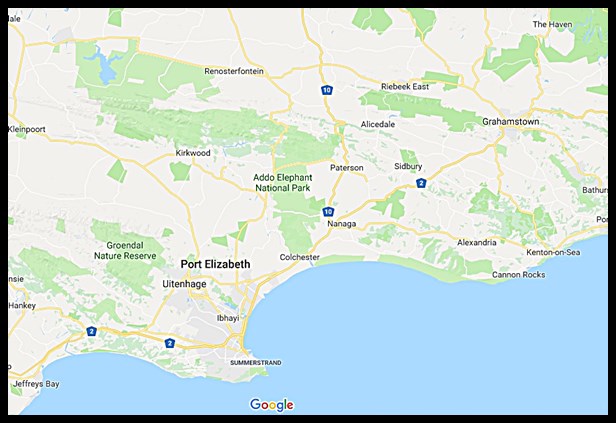
Addo Location


Summertide Diary: Exploring Addo (part three)

30 December 2020

Today was our last day in the Addo Elephant National Park, and that meant it was also the last day we had to enjoy with Joubert’s maternal grandparents and we all felt a little melancholy. It was a very windy day and most of the animals were hiding away from the gusts, so we decided to do an extended morning drive to the Ngulube and Harvey’s loop in the southern section of the Park, again taking a break at Jack’s Picnic Spot, and then spend the afternoon hours together in camp.

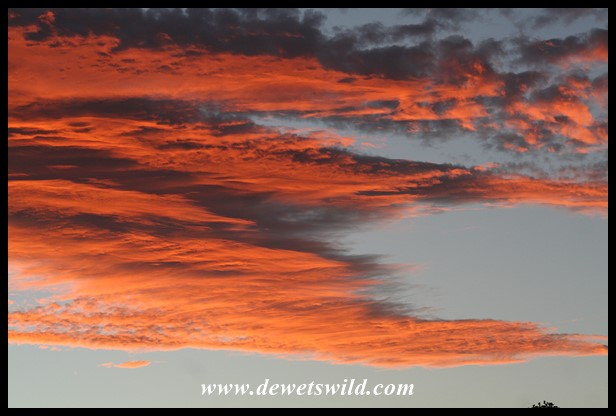
We enjoyed a wonderful final sunset over Addo, the clouds glowing red in the last rays of sunshine coming over the horizon. This is Joubert’s photo. The next morning there would be sad goodbyes as we left for Mountain Zebra National Park while Marilize’s parents returned home to Jeffreys Bay.

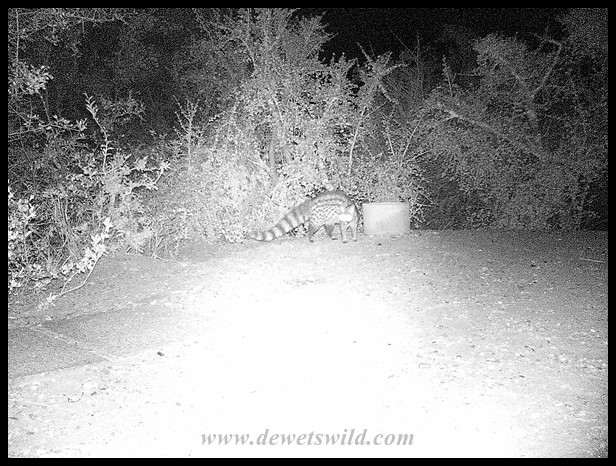
While we were enjoying our meal on the stoep that evening this Small-spotted Genet, picked up by our small camera trap, was (unsuccessfully) looking for leftovers of our braai (barbeque) just outside the little circle of light around our chalet.

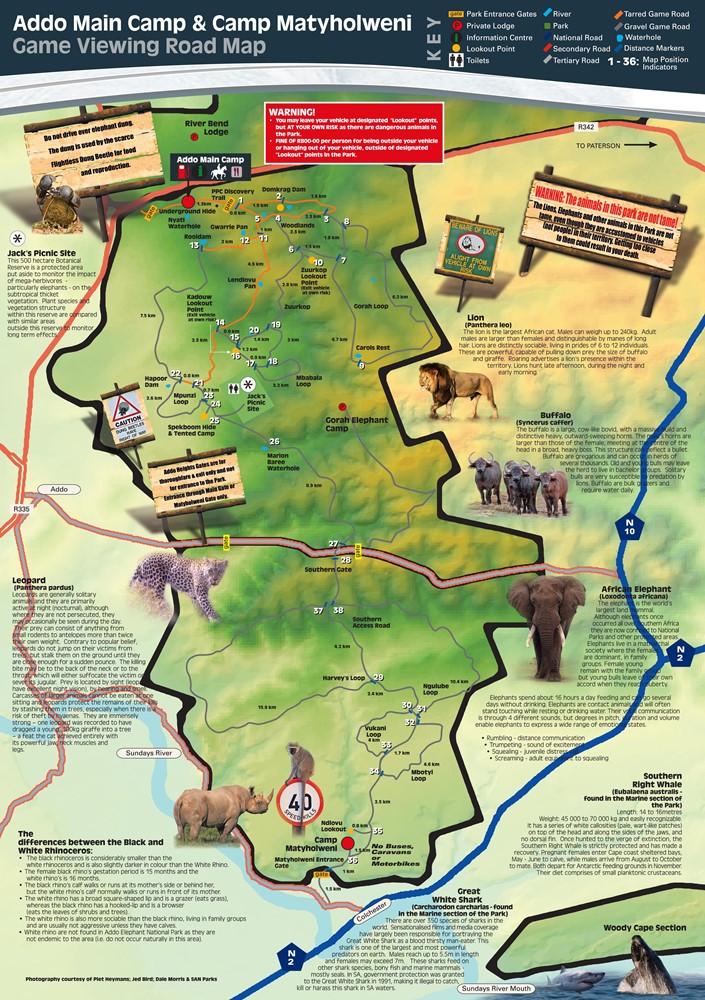
If you’d like to learn more about the Addo Elephant National Park’s history and all it has to offer visitors, why not have a read through this post we compiled after our previous visit? And to follow along on our travels through Addo, you might find this map (from the SANParks website) most handy.Addo map from https://www.sanparks.org/parks/addo/tourism/map.php

Summertide Diary: Exploring Addo (part two)

29 December 2020

The first leg of our route through the Addo Elephant Park this morning, again managing to leave camp as the gates opened, went past Gwarrie Pan and Rooidam towards Hapoor Dam. Still being early in the morning there was little animal activity around the watering holes but lots to see along the way nevertheless, both big and small.

It was on arrival at Hapoor Dam that the morning turned really exciting as we came across spotted hyenas feeding on the carcass of a buffalo calf, soon to have their feast interrupted by a very annoyed elephant bull. More on that tomorrow!

Annoyed elephant spoiling the hyena feast

I think by now the birds inhabiting Jack’s Picnic Spot started to recognise us as friends, for they were very eager to join us at our breakfast table and didn’t let any rusk crumbs that dared drop to the ground go unpunished!

From “Jack’s” we headed south-east as far as Arizona Dam before turning back to camp along the same way we came, just in case there was still some drama at Hapoor (which there was, but this time it involved elephants waiting for a work crew to fix an errant water pump so they could get their morning drink).

From the moment we left camp for our afternoon drive it was noticeable that there was a sudden explosion in the Park’s Warthog population, as seemingly every sow we saw was accompanied by little bundles of joy – not something we noticed on any of our previous drives.

Another notable encounter in the afternoon, which by then turned exceedingly windy, was with a family of foraging Meerkats, a perennial favourite with visitors to our parks.

But warthogs and meerkats weren’t all that we crossed our path that afternoon and we returned to camp very pleased with our day – again!

If you’d like to learn more about the Addo Elephant National Park’s history and all it has to offer visitors, why not have a read through this post we compiled after our previous visit? And to follow along on our travels through Addo, you might find this map (from the SANParks website) most handy.Addo map from https://www.sanparks.org/parks/addo/tourism/map.php

Summertide Diary: Exploring Addo (part one)

28 December 2020

This morning we’re just in time for the gates opening at of 05:30 and ready to search and explore everything Addo Elephant National Park has to offer. The signs along the way give a good indication of what we might expect to see…

We head for the Gorah Loop in the east, where the more open vistas make game-viewing much easier than in the thickets that predominate over other sections of the park.

Having left so early meant no breakfast before we headed out the door, so by now there was only one logical place to head to – Jack’s Picnic Spot – so that we could fill up on coffee and rusks. Jack’s is well frequented in the early morning, and not only by humans!

Heading back to camp we have some wonderful encounters with elephants and buffaloes, the two members of the “Big 5” most commonly seen here at Addo.

Back at camp there’s ample opportunity to walk around, and there’s few better places to do that inside Addo Main Rest Camp than on the Discovery Trail, where interesting information is provided on the park’s fauna and flora as you amble along.


For our afternoon drive we opt for another jaunt along Gorah Loop, and again it doesn’t disappoint!

This young kudu bull was in quite a hurry – why and where it was headed to was less clear.

If you’d like to learn more about the Addo Elephant National Park’s history and all it has to offer visitors, why not have a read through this post we compiled after our previous visit? And to follow along on our travels through Addo, you might find this map (from the SANParks website) most handy.Addo map from https://www.sanparks.org/parks/addo/tourism/map.php


Summertide Diary: Arriving at Addo

27 December 2020

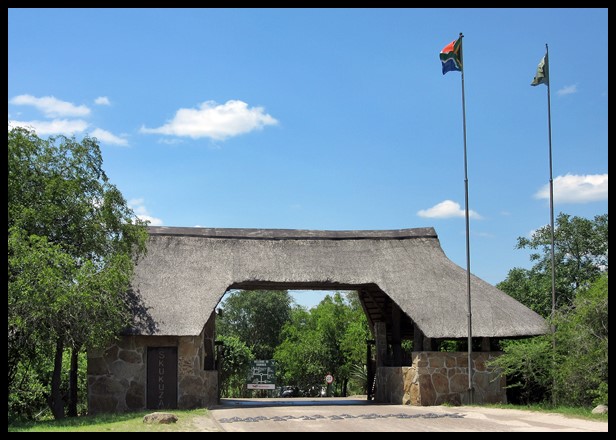
After spending a lovely three days over Christmas at home with Marilize’s parents, whom we haven’t seen in person since they retired to Jeffreys Bay 15 months ago, we all headed together to the Addo Elephant National Park‘s Matyholweni Gate, just an hour’s drive away, for a four night visit to this very special place.

It takes a few hours of leisurely driving to travel through the Park from Matyholweni to the Main Camp where we were booked to stay, and this of course means there’s wonderful sightseeing, bird-watching and game-viewing along the way! Jack’s Picnic Spot, just a little over halfway, is a great place to stretch tired legs while enjoying visits from all kinds of birds and other small creatures at your picnic table.

In the afternoon, and after getting settled into our comfortable chalet, we have a little time to take a drive along a few loop roads close to camp before the gates close.

If you’d like to learn more about the Addo Elephant National Park’s history and all it has to offer visitors, why not have a read through this post we compiled after our previous visit? And to follow along on our travels through Addo, you might find this map (from the SANParks website) most handy.Addo map from https://www.sanparks.org/parks/addo/tourism/map.php