Tag Archives: Marievale Bird Sanctuary

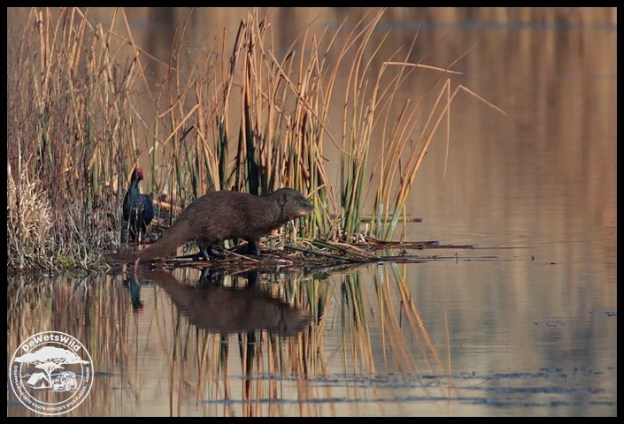
Marsh Mongoose

Atilax paludinosus

As you’d probably guess from its name the Marsh, or Water, Mongoose is closely associated with densely vegetated wet habitats like river and stream courses, floodplains, wetlands, estuaries and the like. Similarly its diet consists mainly of aquatic fare, like crabs, frogs, fish and molluscs, though they will also prey on birds and small mammals and are particularly fond of crocodile eggs. They are excellent swimmers and easily mistaken for otters.

Marsh Mongooses are nocturnal and only rarely venture out in daylight. They’re solitary animals and any group you encounter is likely to be a mother with her latest offspring, numbering as many as 4 per litter. The young are usually born just before the start of the rainy season and are weaned at about 2 months of age. They’re fully grown at about a year in age and adults weigh about 2.5kg.

With the exception of the driest parts the Marsh Mongoose is found throughout sub-Saharan Africa and is considered to be of least concern, although loss of habitat is probably causing a decline in numbers and range.

We spotted this Marsh Mongoose on a recent bird photography excursion at Marievale Bird Sanctuary.

Our 2025 in Pictures

Join us as we reminisce about some of the places DeWetsWild visited while exploring Southern Africa’s wild places in 2025!

May 2026 be a year to remember for all the best reasons. Happy New Year, everyone!

I am a fully accredited and legally registered tour guide (with all the necessary insurance, professional drivers license and first aid certification) – don’t hesitate to reach out if you’d like me to arrange a guided tour of beautiful South Africa and all her natural wonders for you as well, or even just to assist with your holiday reservations for our national parks and nature reserves throughout the country.

Mid-week Bird Photography outing to Marievale

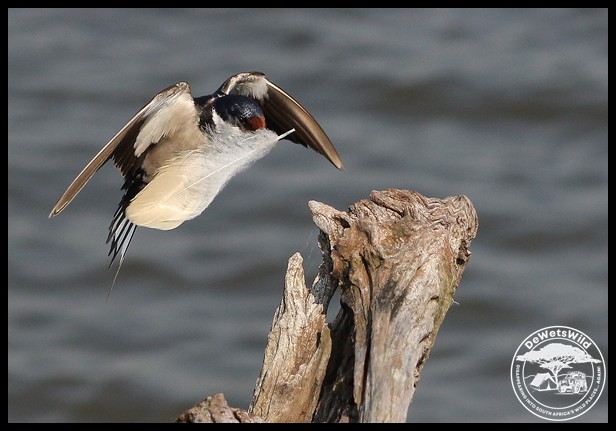
Wednesday last week, in conjunction with Hannes Rossouw Photography, we headed to the Marievale Bird Sanctuary for a wonderful morning of bird watching and photography in one of Gauteng Province’s prime locations for these pursuits. If you’d like to join Hannes and me on our next trip to Marievale, please don’t hesitate to reach out!


A month of monochrome memories: Cisticola Chorus

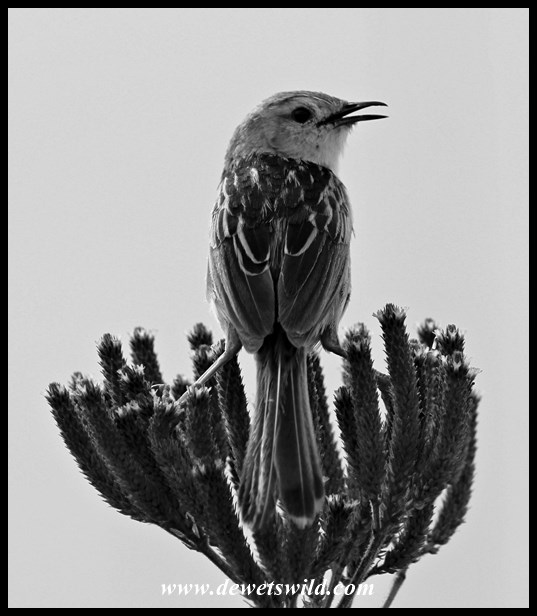
Marievale Bird Sanctuary is a wonderful place to get close-up views of birds that would normally be very shy and retiring, like this Levaillant’s Cisticola chirping from atop an elevated singing post.

Marievale 27122015 (3)

Our end-of-year 2015 holidays were absolutely packed to the brim. Apart from our ten-day visit to the Kruger National Park (read more about our time at Lower Sabie, Olifants and Shingwedzi in December), we also made day trips to five other reserves, and will be sharing photos from those (except Suikerbosrand, which we introduced in a post all of its own) daily through the month of February, in a series we call “a month of monochrome memories”.

A month of monochrome memories: Sunbathing Crab

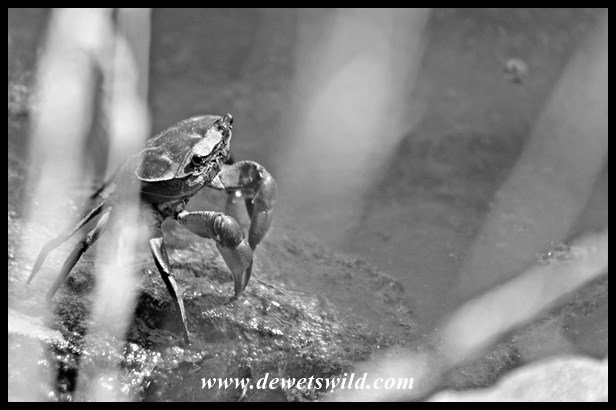
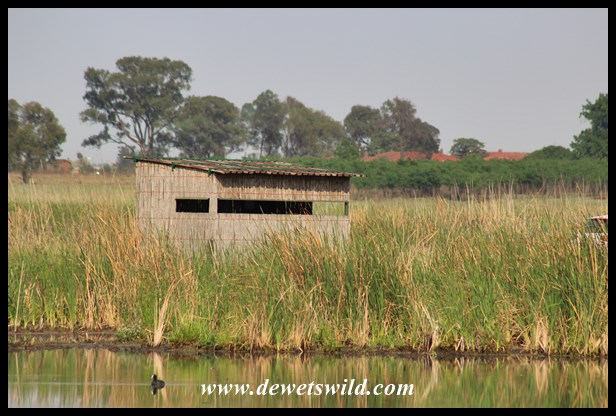
The hides at Marievale Bird Sanctuary don’t only provide excellent opportunities for bird-watching, they are also a window into the lives of many other, often smaller, creatures.

Marievale 27122015 (2)

Our end-of-year 2015 holidays were absolutely packed to the brim. Apart from our ten-day visit to the Kruger National Park (read more about our time at Lower Sabie, Olifants and Shingwedzi in December), we also made day trips to five other reserves, and will be sharing photos from those (except Suikerbosrand, which we introduced in a post all of its own) daily through the month of February, in a series we call “a month of monochrome memories”.

Marievale’s for the birds (and birdwatchers)!

This past Sunday, my brother introduced Joubert and me to the Marievale Bird Sanctuary, a popular destination for birdwatchers and photographers in Gauteng’s Far East Rand.

Marievale 11Oct2015 (16)

Marievale protects 1012 hectares of the much larger Blesbokspruit RAMSAR wetland, surrounded by mine dumps and other development. Facilities include two 4-bed chalets overlooking the wetland for overnight visitors, a conference centre, picnic sites, walking trails and several photographic hides. The roads in the reserve are rough gravel, for the most part easily traversed in a normal sedan.

Marievale 11Oct2015 (13)

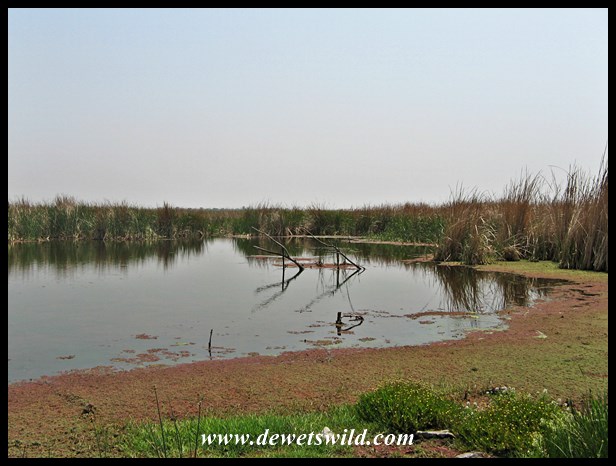
The reserve’s vegetation comprises extensive stands of reedbeds (about 70% of its surface area) and flooded grasslands, interspersed with areas of open water and, during drier periods, mud flats frequented by impressive concentrations of wading birds. The area can hardly be described as pristine however, as the wetland itself owes its existence to the altered flow of the river caused by mining, railways and roadworks, inundating what would otherwise have been grasslands. Pollution from the mines and industries surrounding it, and upstream, is now threatening Marievale’s man-made wetlands.

Marievale 11Oct2015 (35)

Nevertheless, the list of bird species recorded at Marievale has around 280 entries; during the extremely enjoyable six hours we spent in the reserve on Sunday we managed to tick 70 of those. Many of the birds are quite accustomed to the steady flow of human visitors and offer excellent photographic opportunities from the hides or while walking and driving around.

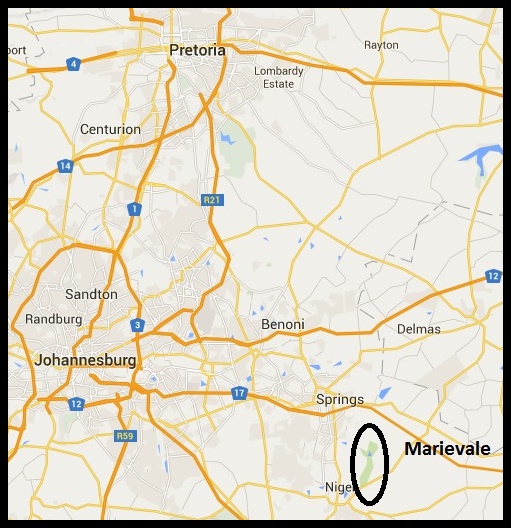
Marievale Bird Sanctuary is controlled by the Gauteng Province’s Department of Agriculture and Rural Development and is easily accessed from the R42 to Delmas, just 4km outside the town of Nigel (map drawn with Google Maps).

Marievale location