Tag Archives: wildlife

Summer at Ithala

There’s just something so very special about Ithala Game Reserve that causes us to return year after year. Maybe it is the spectacular scenery or the amazingly diverse wildlife. Maybe it’s the friendly, hospitable staff members that makes us feel so welcome. Whatever the reason (and we suppose it has to be the entire package), there was no way we couldn’t include Ithala in the itinerary of our “summer in the bush” December holidays.
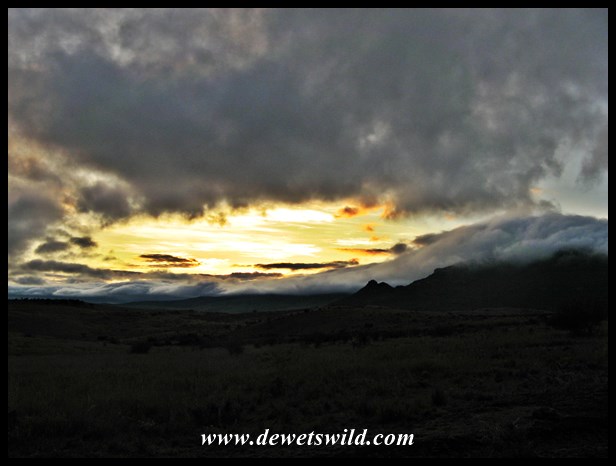
Ithala_December2014 (12)

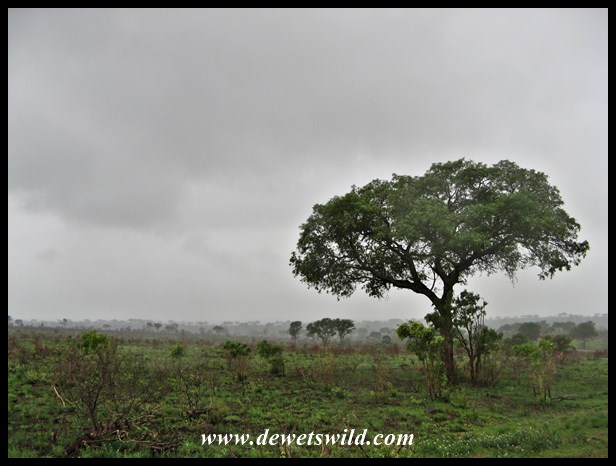
Ithala’s only 197km from Chelmsford Nature Reserve, and we arrived in the morning of the 15th of December under heavily laden skies. In fact, we’d see very little sunshine during our three night stay in comfortable Ntshondwe, Ithala’s award-winning resort.
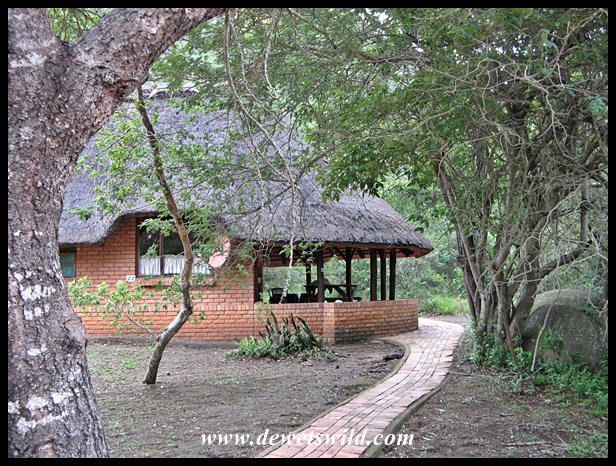
Ntshondwe, Ithala, December 2014

Ntshondwe, Ithala, December 2014

The reserve has a good network of all-weather gravel roads, and the rain did not interfere with our game-viewing to any large degree, although we weren’t able to enjoy quite as many picnics as we had hoped to. While we didn’t have any sightings of the predators that roam Ithala’s diverse habitats (mostly at night) on this trip, the numerous herds of large herbivores were a sight to behold.

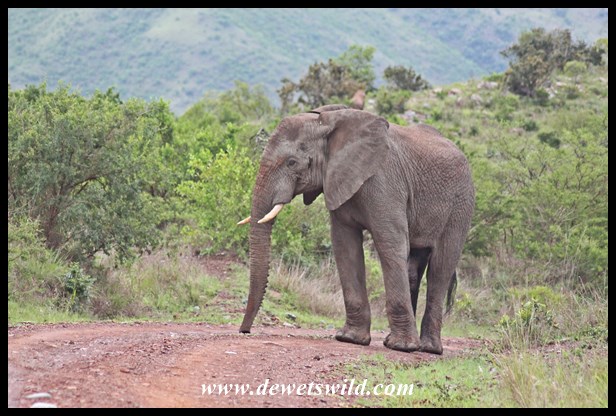
The elephants at Ithala are shy and seldomly seen, so we count ourselves very lucky to have had two sightings of them on this trip. One sighting was of a big herd near Ngubhu Picnic Site, moving along a drainage line some distance away. The second sighting however was a thrilling affair as we happened upon two young bulls right in the road, near gate closing time, around a bend between the Ngulumbeni Loop and camp. One of the bulls hightailed it deep into the bush as soon as we appeared around the corner, but his companion decided to give us a good show for quite a while, not prepared to relinquish his spot on the road to let us pass.
Ithala 16122014

Whenever there was a break in the rain, we’d undertake short walks around Ntshondwe, enjoying the opportunity to get closer to some of Ithala’s smaller and more delicate inhabitants.

Ithala in summer is a bird-watcher’s delight, and even us, relatively novice “twitchers”, managed to seek out and identify a wide variety of the reserve’s feathered denizens, despite the mostly inclement weather.

Before leaving Ithala for uMkhuze Game Reserve, we took a short, final early morning drive towards the gate and Onverwacht Loop, and were rewarded for our effort by a herd of giraffe moving serenely along the horizon, dark clouds and the sun struggling to break through providing a dramatic background to the scene.

Reason enough to return to Ithala? Absolutely! Not that we need an excuse, this place has had us under its spell for so long we won’t be able to stay away.


Fight for dominance

We were fortunate to witness these two plains zebras settling a dispute at Ithala Game Reserve, during our recent summer visit there. They were so close to our vehicle we almost felt every bite and kick they dealt one another…

More from Ithala soon!


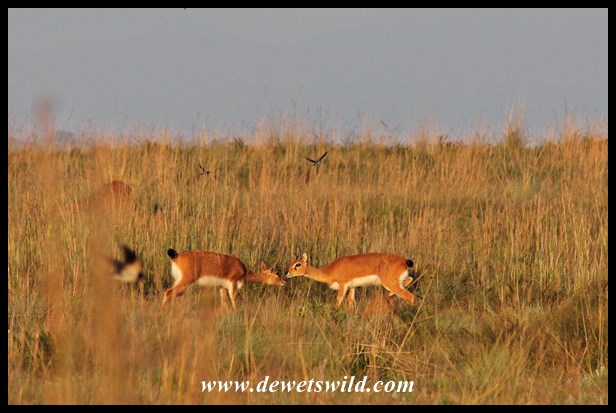
The Oribi

Ourebia ourebi

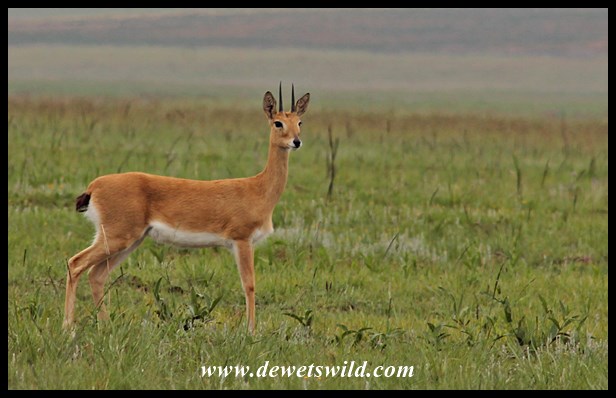
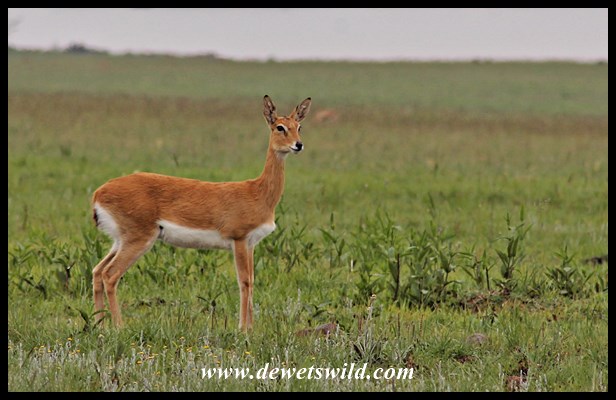
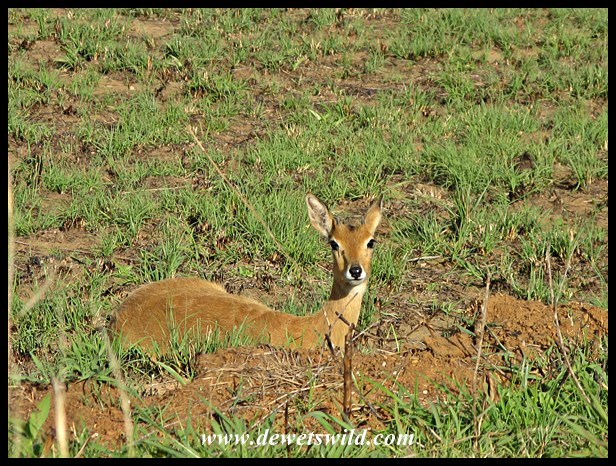
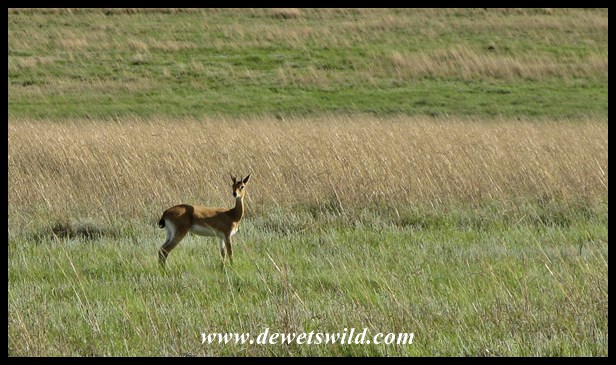
The long-legged oribi (oorbietjie in Afrikaans) is a small antelope, and one of the most special wildlife sightings you could hope for in South Africa.

Oribi (8) Oribi (7)

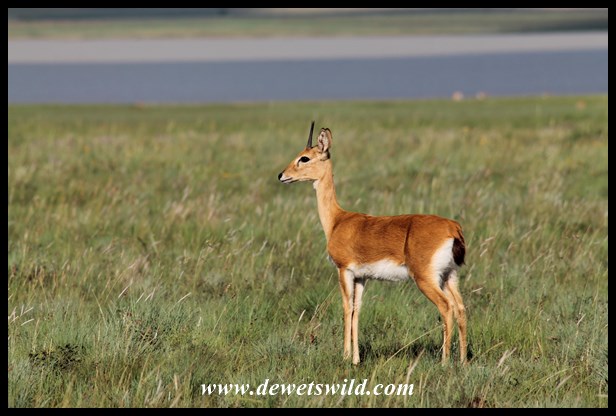
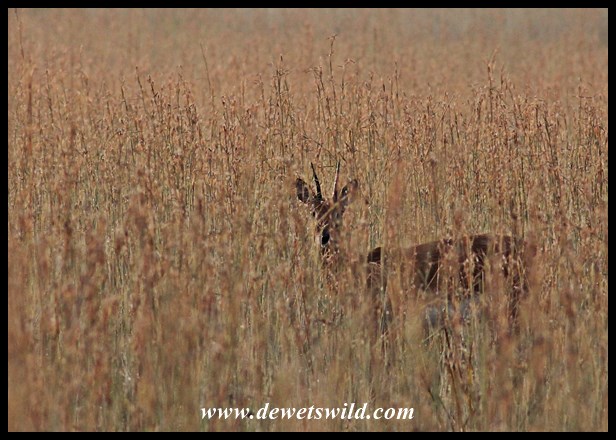
They stand only between 50 and 65cm high at the shoulder, and weigh around 14kg. Only the males carry the sharp little horns that average between 10 and 13cm long.

Oribi (4)

These dainty antelope have very specific habitat requirements, preferring grasslands and floodplains with just the correct mix of short (for grazing) and long (for hiding) patches of grass. They also have very specific preferences as to the type of short grasses they feed on and, while they often occur near water, do not appear to drink very regularly, if at all.

Oribi (9)

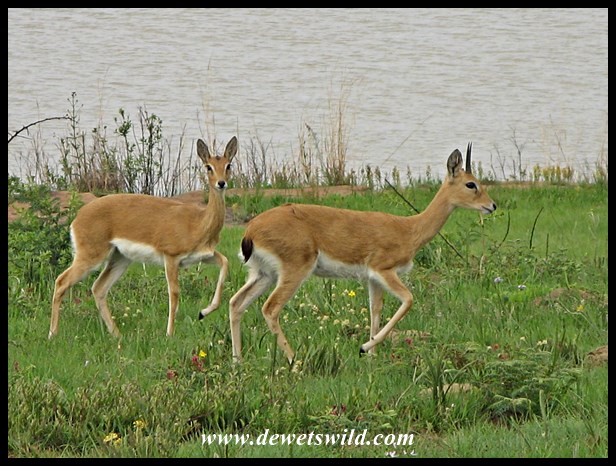
Oribis are the most social of the smaller antelope species; the most commonly encountered grouping being a single territorial ram with up to four adult ewes and their lambs.

Oribi (6)

Oribi grazing next to the Kamberg Road

Oribi rams are territorial, and the family groups are extremely reluctant to leave their home ranges, even when being pursued (they prefer sprinting short distances to hide in long grass). For this reason, they suffer more than most dwarf antelope from predation and poaching.  In South Africa, most lambs are born in the summer months of November and December and remain hidden for up to 4 months before they join their mother’s family group. They have a natural lifespan of 8 to 13 years.

Oribi (5)

Today, the oribi is one of South Africa’s most endangered mammals, although in many other parts of Africa they are still quite numerous. Their favoured grassland habitat is prime for farming and thus getting ever scarcer and more fragmented, while illegal hunting with dogs is a further risk to their continued survival. Nevertheless, a substantial portion of the population still occurs on private land, and the Oribi Working Group’s annual census is an important tool to establish population sizes and trends.

Oribi (3)

South Africa’s biggest single population of oribi occurs in the Chelmsford Nature Reserve in Kwazulu-Natal Province. Chelmsford was the first destination on our recent summer holidays in the bush, and we’ll soon share more about our latest visit there with you.

Oribi (2)

Magnificence embodied

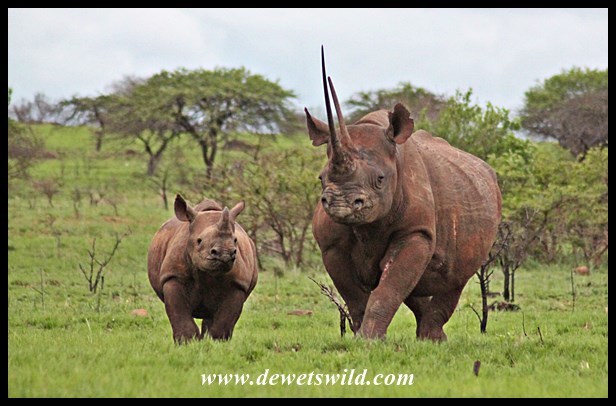
This must surely rank as one of the most special wildlife encounters we’ve ever had.

We came across this beautiful black rhino cow and her two younger companions (at least one, maybe both, her calves) in December in one of the game reserves we visited on our summer trip to the bush. It was an overcast evening, with the little available light fading fast and perfectly accentuating the cow’s aggressive temperament, so characteristic of the species.

Long may she reign over her piece of African wilderness.

(click on any of the images to view them in a bigger format gallery)

Warmth

What could be warmer than a mother’s love?

We’re catching up on the WordPress Photo Challenges we missed while on our extended summer holidays in the bush. “Warmth” was the theme for the challenge of 26/12/2014

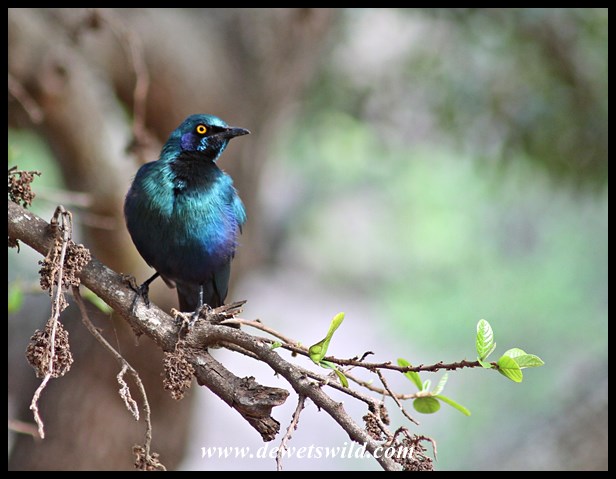
Glossy starling in Lower Sabie

A quick sojourn to Skukuza

Roughly two weeks ago I was invited to Skukuza Rest Camp, in the Kruger National Park, and of course this was the perfect opportunity to mix business and pleasure again. Unfortunately Marilize and Joubert couldn’t join me on this trip, but instead I enjoyed the company of a colleague as passionate about the Park as I am.

We drove to Kruger on the Sunday afternoon and could enjoy the scenery and wildlife along the way from Phabeni Gate to Skukuza. It had been raining all day, and some more in the weeks prior to our arrival, and fresh, green growth was sprouting all over.

KrugerNP_Nov14 (1)

Despite heavily overcast skies, Monday afforded us more opportunity to experience the Park, before and after our important meeting of course. The rains heralded the start of the impala lambing season, and many other kinds of animals were getting into the birthing action too.

And then Tuesday dawned, with bright and sunny skies, but for us it was time to head back to Pretoria, via Lower Sabie and exiting the Park at Crocodile Bridge.

Nothing like an unexpected bush visit to rejuvenate mind and body! This last gallery sums it up so well for me; even such a short visit to the Kruger Park can deliver unexpected and very memorable sightings. While doing our walkabout at Lower Sabie Rest Camp, I came across this tree agama being irritated by a large ant…


—————————————————–

Please vote for de Wets Wild in the 2014 SA Blog Awards

If you enjoy de Wets Wild as much as we enjoy sharing our love for South Africa’s wild places with you, please vote for us in the 2014 SA Blog Awards by clicking on this badge. We’ve entered both the Travel and Environment categories, and you may vote for us in both.

Thank you for your support!

SA Blog Awards Badge

Converge

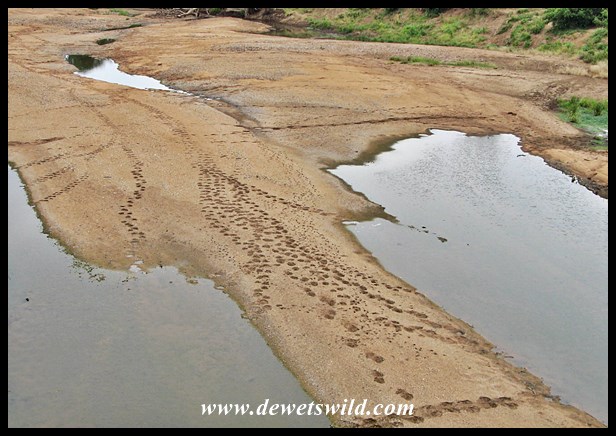
Tracks in the sand bear witness that these pools in the Shingwedzi River are a magnet for animals in the northern Kruger National Park

Converge

Converge” is the theme for this week’s WordPress Photo Challenge

—————————————————–

Please vote for de Wets Wild in the 2014 SA Blog Awards

If you enjoy de Wets Wild as much as we enjoy sharing our love for South Africa’s wild places with you, please vote for us in the 2014 SA Blog Awards by clicking on this badge. We’ve entered both the Travel and Environment categories, and you may vote for us in both.

Thank you for your support!

SA Blog Awards Badge

Surrounded by splendour at Golden Gate

Few places can compete with the Golden Gate Highlands National Park when it comes to sheer scenic splendour. Visiting the Park is always a pleasure, and our November 2014 visit was no exception. The Park is looking beautiful following the first good spring rains, and walking or driving around, there’s just so much to take in!

Summer is the best time for bird-watching, when the migrants from cooler climes arrive and many male birds are adorned in their breeding plumage. In addition, Golden Gate is home to several rare and endangered species, and we were lucky to encounter some of them.


Of course, a National Park wouldn’t be complete without large mammals, and Golden Gate has its fair share of animals adapted to the climatic extremes of a mountain environment.

It is always rewarding to bend the knees and appreciate the smaller, less obvious, of Golden Gate’s inhabitants.

After seeing Golden Gate looking so lovely, we can hardly wait for our next visit at the end of December!