Tag Archives: picnic spots

Birds of a feather

We’re participating in the online adventure travel and photography magazine LetsBeWild.com‘s Wild Weekly Photo Challenge for bloggers. This week’s challenge is “Birds of a feather” and we’re submitting a collection of photographs of some of the more than one hundred bird species we’ve identified over the last five days that we’ve been spending here in the Kruger National Park.

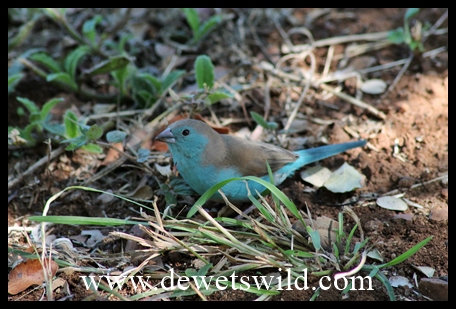
Blue Waxbill

Blue Waxbill

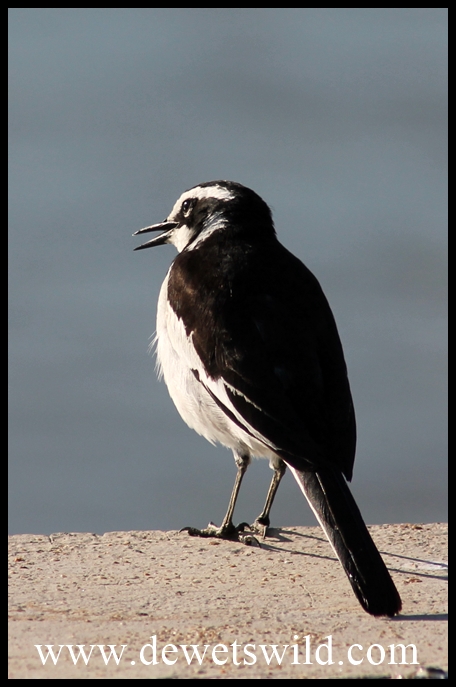
Pied wagtail

Pied wagtail

Hooded (left) and Lappet-faced (right) Vultures

Hooded (left) and Lappet-faced (right) Vultures

Tawny Eagle

Tawny Eagle

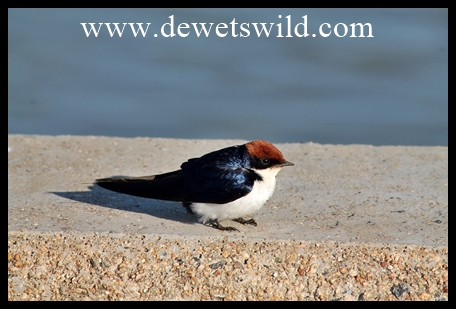
Wire-tailed Swallow

Wire-tailed Swallow

Lilac-breasted Roller

Lilac-breasted Roller

Pearl-spotted owlet

Pearl-spotted owlet

White-crowned Lapwing

White-crowned Lapwing

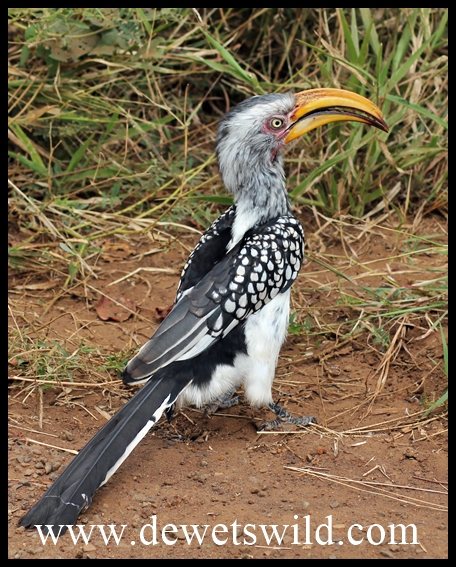
Yellow-billed Hornbill

Yellow-billed Hornbill

Hamerkop

Hamerkop

Helmeted Guineafowl

Helmeted Guineafowl

Ground Hornbill

Ground Hornbill

Black Flycatcher

Black Flycatcher

Fish Eagle

Fish Eagle

Kori Bustard

Kori Bustard

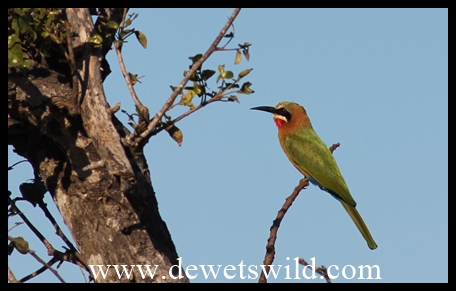
White-fronted Bee-eater

White-fronted Bee-eater

Bateleur

Bateleur


Kruger Park 29/04/2013

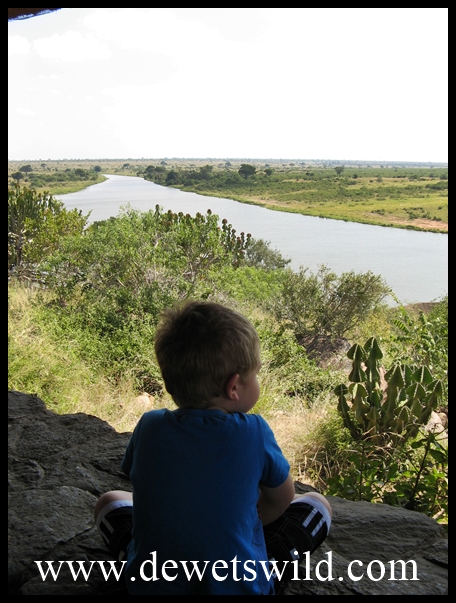
What a view!

Today we enjoyed our lunch at the picnic spot high above the Mlondozi Dam, from where we could watch pods of hippos and herds of elephants mingle while enjoying a cool drink ourselves.

Krokodilbrug_29042013

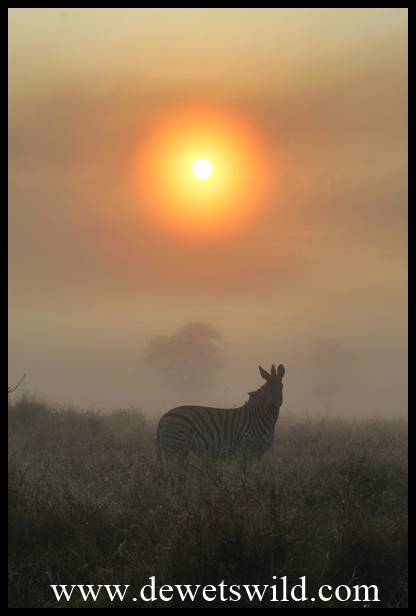
Kruger Park 28/04/2013

Thick mist blanketing the Crocodile Bridge section of the Kruger National Park this morning

Krokodilbrug_28042013

Kruger Park 27/04/2013

Good evening everyone!

An overcast start to the day at Pretoriuskop, but the cloud cover dissolved soon enough to reveal another glorious lowveld day here in the Kruger National Park. We visited a couple of dear friends at Skukuza before making our way here to Crocodile Bridge Rest Camp, where we’ll be spending the next four nights.

Crocodile Bridge Sunset (click on the image for a clearer view)


Kruger Park 26/04/2013

Yep, we’re back in the Kruger National Park – we simply cannot get enough of this paradise!

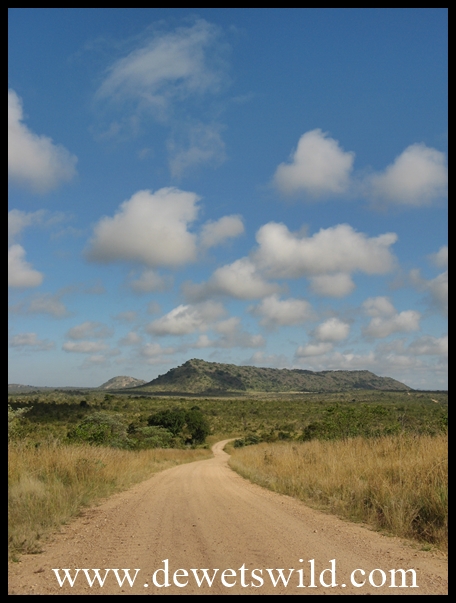
Tonight, we’re sleeping in  historic Pretoriuskop Rest Camp. Depicted below is the nearby Ship Mountain (so named because it resembles the upturned hull of a ship) used as a landmark by transport riders and explorers more than a hundred years ago en route to Delagoa Bay (today’s Maputo in Mozambique).

Pretoriuskop_26042013

If our internet connection allows, we’ll again try to post a picture or two on a daily basis while we’re in the Park, and there will definitely be a full report back when (unfortunately) we have to return to the city…

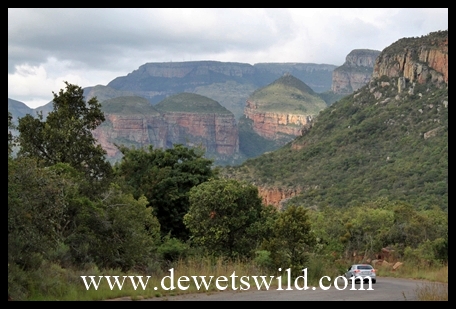
Blyde River Canyon Nature Reserve, March 2013

Back to the largest green canyon on earth

Blyde_0732

We headed for the Blyde River Canyon again over Easter 2013 and had a most enjoyable time, as always, being out in nature. In June 2012, we based ourselves at Forever’s Swadini Resort in the lowveld portion of this beautiful nature reserve, and so this time around we spent three very comfortable nights at their Blyde Canyon Resort up top on the escarpment. While the climate and surroundings of the two resorts differ markedly, both are well managed with good amenities and very definitely worth a visit.

Camping at Blyde Canyon

Camping at Blyde Canyon

Comfortable chalets at Blyde Canyon

Comfortable chalets at Blyde Canyon

At Blyde Canyon Resort a number of hiking trails and viewpoints are available to enjoy the spectacular natural surroundings, offering chance encounters with small antelope and primates. During our visit the resort also arranged a very informative talk on snakes, including a number of venomous specimens being displayed, which turned all the more exciting when a live, wild juvenile cobra put in an appearance between the visitors lounging on the lawn – luckily the presenter was on hand to capture it for later release back into the wild.

The resort is an excellent base from which to explore other parts of the nature reserve, such as the Bourke’s Luck Potholes, named after a prospector who expected to find alluvial gold deposits there. Here, at the confluence of the Blyde (meaning joy) and Treur (meaning sorrow) Rivers, the force of the cascading waters carrying with it all sorts of debris have weathered away the bedrock to form a series of very interesting formations. A number of popular viewsites and the Echo Caves are additional attractions in the vicinity to consider.

On the way to Blyde Canyon, we enjoyed a couple of hours exploring the Sudwala Dinosaur Park – have a read here if you’d want to see more of this worthwile destination.

Mountains

The magnificent Amphitheatre is a rock wall approximately 5km in length, and forms part of the Drakensberg mountain range. This photograph was taken near the Mahai Visitor Centre in the Royal Natal National Park.

(you can click on the image for a bigger view)

We’re participating in the online adventure travel and photography magazine LetsBeWild.com‘s Wild Weekly Photo Challenge for bloggers. This week’s challenge is “Mountains”

Have a look here if you’re interested in reading more about Royal Natal National Park

Clouds

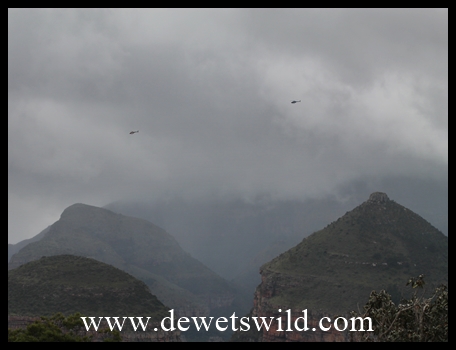
Thick fog and heavy clouds blanketing the Blyde River Canyon, in South Africa’s Mpumalanga Province.


Clouds1

Clouds2

We’re participating in the online adventure travel and photography magazine LetsBeWild.com‘s Wild Weekly Photo Challenge for bloggers. This week’s challenge is “Clouds”

Chelmsford Nature Reserve, March 2013

Tall grass and thick mist – a wonderful long-weekend retreat!

Chelmsford_entrance

We recently spent a very relaxing long weekend at one of our favourite small wild places, the beautiful and little-known Chelmsford Nature Reserve in the north-west of Kwazulu-Natal Province.

The reserve must have received good rainfall during the summer, as almost the entire area was covered in tall, green grass, which made it difficult to get good sightings (and photographs) of Chelmsford’s star attraction: the oribi, a small and endangered species of antelope.

Chelmsford Oribi

Chelmsford Oribi

Chelmsford Oribi

Chelmsford Oribi

We spent three nights in our comfortable chalet, one of only eight at the Leokop Camp on the bank of the Ntshingwayo Dam. The reserve also offers shady campsites at the dam’s edge, and it is easy to see why so many people enjoy pitching a tent or unhitching their caravan in such an idyllic setting.

The reserve doesn’t have any dangerous large animals, allowing visitors to walk or cycle around among the game to their hearts’ content. Plains zebra, blesbok, springbok and black wildebeest were plentiful, and we also had numerous, if fleeting, sightings of smaller animals like the oribi, cape fox, and a number of mongooses.

Chelmsford_Blesbok

Blesbok

Chelmsford_Zebra

Plains Zebra

Chelmsford is also a renowned bird-watching destination, and during our stay we ticked of more than 70 feathered species including a variety of raptors.

Surrounding a large body of water and with the mornings here in South Africa turning rather chilly now, it wasn’t surprising to find the reserve blanketed in thick fog every morning.

We’ve always found a visit to Chelmsford to be well worth our while and we will definitely return as often as we possibly can – a resolution our latest visit reaffirmed.

Dewy spider's web

Dewy spider’s web

Dewdrops on spider's web

Dewdrops on spider’s web

Have a look at an earlier blogpost of ours on Chelmsford here, if you’d like to read more of our impressions of this wonderful nature reserve. During our visit, we tried to post a daily photo as well, which you may not have seen yet: 21/03/2013, 22/03/2013 and 23/03/2013.

Overlooked

This caracal was hiding next to the road in the Oribi Gorge, in Kwazulu-Natal Province – had it’s eyes not reflected in our headlights as we rounded a bend, it would have gone totally unnoticed.

We’re participating in the online adventure travel and photography magazine LetsBeWild.com‘s Wild Weekly Photo Challenge for bloggers. This week’s challenge is “Overlooked