Tag Archives: picnic spots

Biyamiti Bushveld Camp, Kruger National Park

Our most treasured memory of Biyamiti takes us back many years while visiting with our good friends, the Ristows. A pride of lions caught some hapless prey animal just after sunset in the riverbed in front of camp. Soon after, a pack of hyenas starting mobbing the kings of the jungle and tried taking over the kill, only to have their hysterical, blood-curdling giggling silenced in a most impressive fashion by the booming, window-rattling roaring of the lions. It was a night-time African symphony that will remain fresh in our memories forever.

Biyamiti_0434

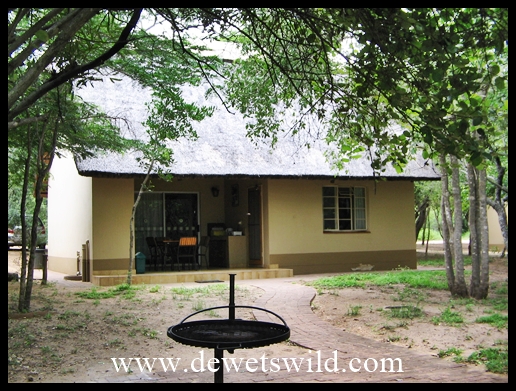
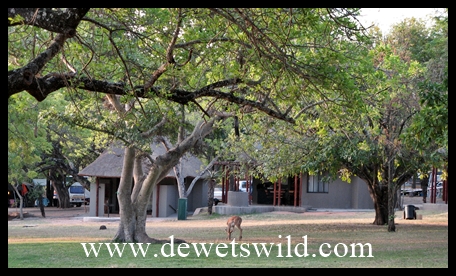
Biyamiti Bushveld Camp is beautifully located on the bank of the seasonal river of the same name, in the far south of the Kruger National Park. This is one of Kruger’s most popular camps, and it is often a hard task to book accommodation there even a year in advance. It’s a small camp, with only fifteen 4- or 5-sleeper, self-catered accommodation units, most offering a view over the river bed in front of the camp and all very privately situated. Bushbuck make themselves at home on the jackalberry-shaded lawns, and a wide variety of birds provide the background music throughout the day and night. There’s no restaurant or shop in Biyamiti, adding to the peaceful atmosphere.

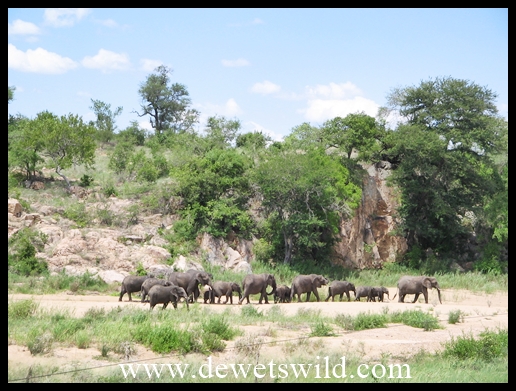
Herd of elephant in the Biyamiti River in front of the camp

Herd of elephant in the Biyamiti River in front of the camp

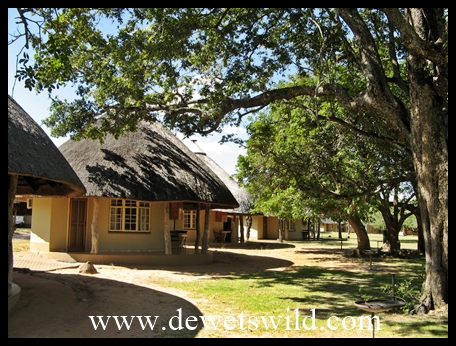
Biyamiti cottage

Biyamiti cottage

This is one of the Kruger’s most prolific game-viewing areas, and as an added bonus the 22 kilometres of riverine road that leads to Biyamiti is only accessible to guests actually staying in the camp, ideal for those who don’t like sharing their big-five encounters with throngs of other tourists all jostling for the best view. Additionally, guided walks and drives are available and the night drives especially come highly recommended.

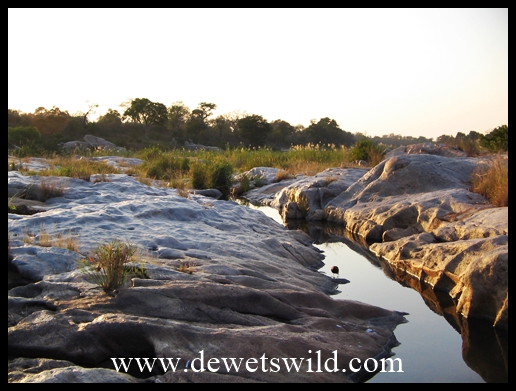
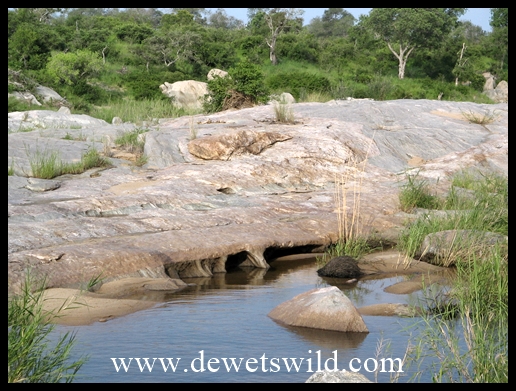
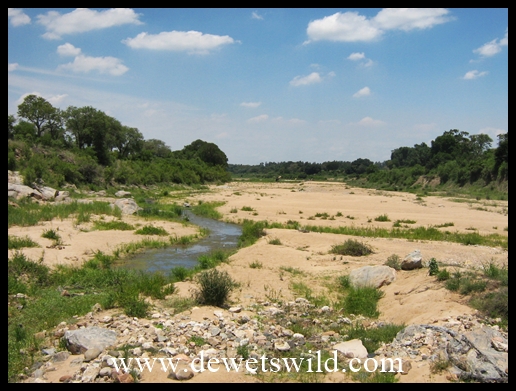
The Biyamiti-area has two very scenic highlights to offer. The first is the causeway over the Biyamiti river, on the gravel S114-road between Malelane and Skukuza, where a little weir and several rock pools ensures a reliable source of water year round to which a wide variety of birds, reptiles and big game is drawn throughout the day.

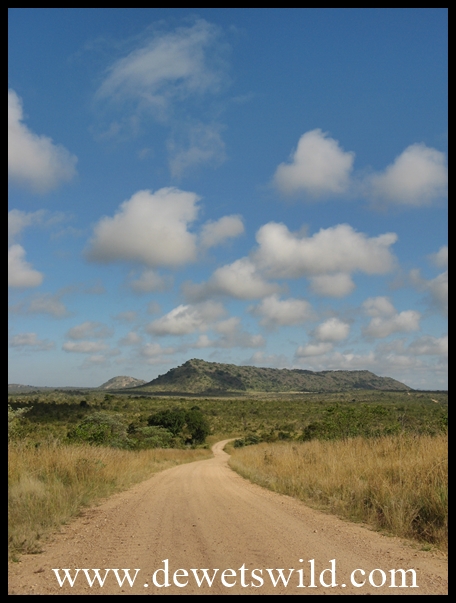
Biyamiti scenery

Biyamiti scenery

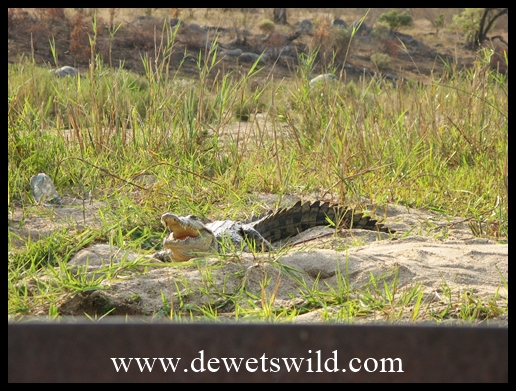
Biyamiti weir is a beautiful but dangerous place

Biyamiti weir is a beautiful but dangerous place

Biyamiti scenery

Biyamiti scenery

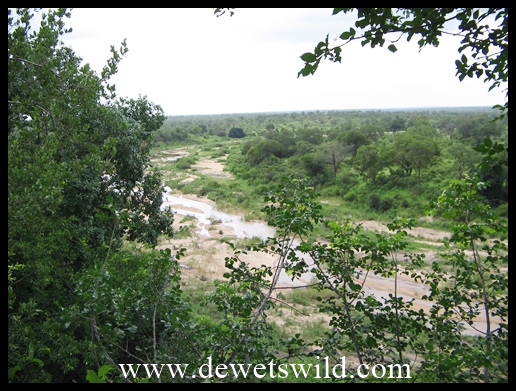
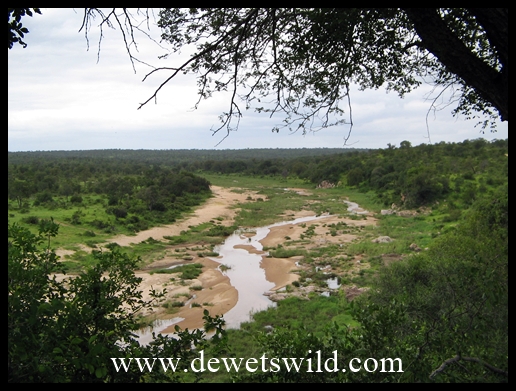
Another treasure is a hilltop viewsite, only about two kilometers from camp, providing a panoramic vista over a broad bend in the river below. This is an ideal place to breathe in a spectacular African sunset before taking a slow drive back to camp and still be in time for the gates closing.

Biyamiti viewsite

Biyamiti viewsite

Biyamiti viewsite

Biyamiti viewsite

Biyamiti is a tranquil slice of game-viewing heaven and certainly deserves its popular reputation.

The Biyamiti at its confluence with the Crocodile River

The Biyamiti at its confluence with the Crocodile River

World Oceans Day

Every year, people and organisations around the globe celebrate World Oceans Day on the 8th of June. It is a day to contemplate the life sustaining role of the earth’s oceans for us humans and the life forms with which we share the “blue planet”, and we’re encouraged to commit to ways to limit our own individual negative impacts on this vital resource.

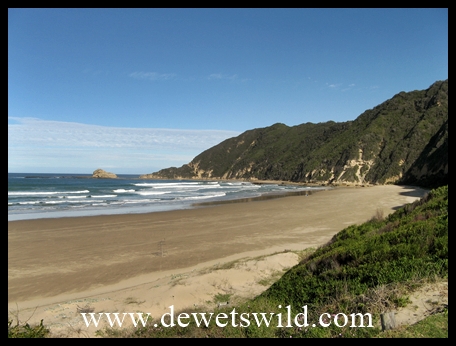
This photograph shows a small portion of the Tsitsikamma coast in the Garden Route National Park, South Africa’s oldest marine protected area.

World Oceans Day

Tembe Elephant Park

In the far north of Kwazulu-Natal province, on the border with Mozambique, lies a uniquely beautiful, but little known, wilderness gem. Diminutive suni antelope forage along the sandy forest floor, a reminder that this area was an ancient seabed millions of years ago. Magnificent elephants carrying impressive ivory amble through the thickets, undeniably the star attractions of this show, while lions loudly proclaim their rule over the marshes and pans.

This is the Tembe Elephant Park.
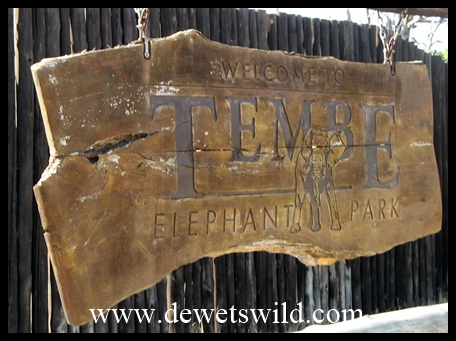
Tembe_6664
Leopard, buffalo and rhinoceros (both black and white) complete the “Big 5”, while giraffe, plains zebra, hippo, warthogs and several kinds of antelope, including massive numbers of nyala and impala, have found sanctuary here. The incredible variety of habitats found in this area – sand forests, extensive stands of palms, dense woodland, open bushveld, the expansive Muzi marshes and seasonal waterholes – abounds with birdlife, and over 340 species have been identified here already, including some rarities like the African Broadbill.
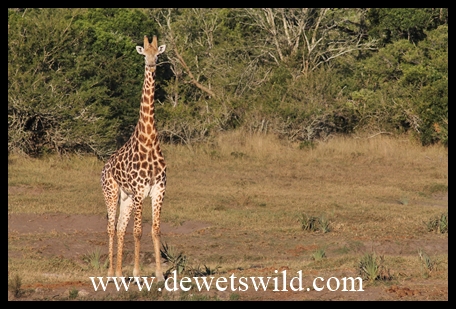
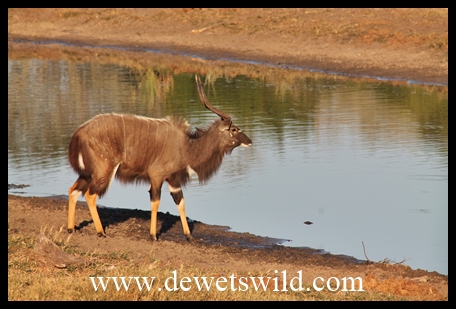
Tembe_1360

Tembe_1384

Tembe_1515

Tembe_1593

Tembe_1639

Tembe_2100

Tembe_2137

Tembe_2144

Tembe_2234
For centuries humans and elephants have shared this piece of Maputaland, although never harmoniously, as conflict arose around shared water sources and when elephants raided the crops on which the people relied. This changed in 1983, when Chief Mzimba Tembe set aside 30,000 hectares of tribal land as a refuge for the last remaining free roaming elephants in this part of the continent. His community agreed to resettle outside the reserve so that its boundaries could be fenced and animals that had long been exterminated from the area could be reintroduced. Not only was this a visionary investment in the wellbeing of his people, but Chief Tembe also gave a precious gift to the people of South Africa and the world. Today the reserve and lodge still belong to the Tembe people, who benefit from employment in the tourism and conservation sectors, the natural resources protected there and the profits generated through tourism.
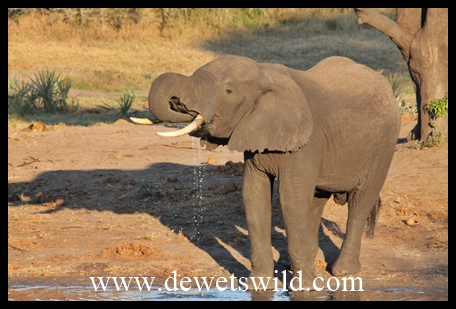
Tembe_1443

Tembe_1644

Tembe_2009

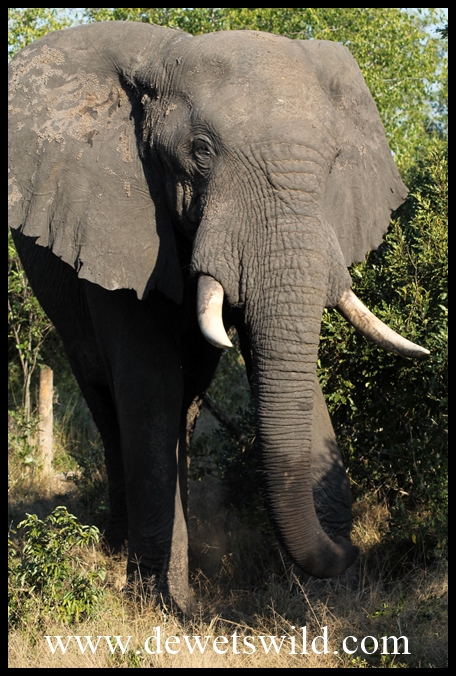
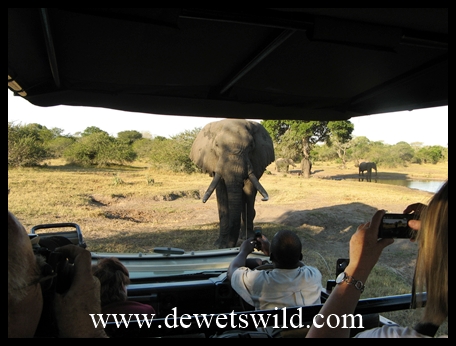
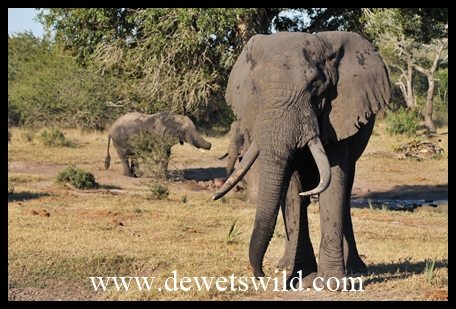
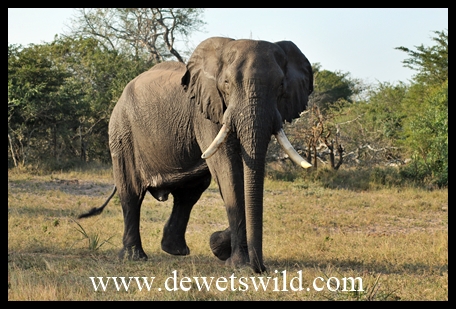
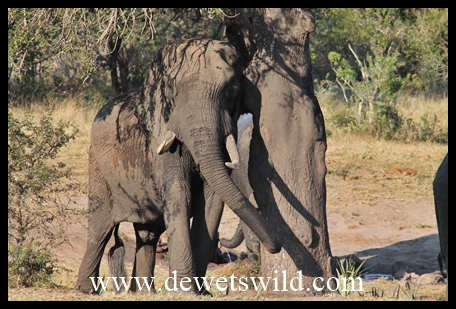
The elephants now number more than 250 animals, and Tembe has become renowned for the large number of elephant bulls carrying impressive ivory. As an added bonus, these beautiful animals are extremely relaxed in the company of people – be ready for some close-up encounters when coming to Tembe!
Tembe_1747

Tembe_2032

Tembe_MrHalfEar

Tembe_Ucici3

Tembe_Ucici2

Tembe_1891
Upon arrival around noon, the warm welcome we received from the officials at the gate immediately made us feel right at home. Formalities completed, the lodge was informed of our arrival and within minutes our transport had arrived. Only 4 x 4 vehicles are allowed on the extremely sandy tracks inside the reserve and we were therefore escorted to a secure parking area near the gate where we could safely leave our vehicle.

Transferred into the game-drive vehicle we departed for the nearby lodge, but almost immediately encountered a massive elephant, named Ucici, walking along the road in our direction. Guide Vusi switched off the engine and we sat absolutely mesmerised as the huge tusker came confidently ever closer, eventually stopping a mere meter or two away from us, before moving to the side of the road so that we could pass, not in the least perturbed by our presence. What a welcome!

Tembe_Ucici
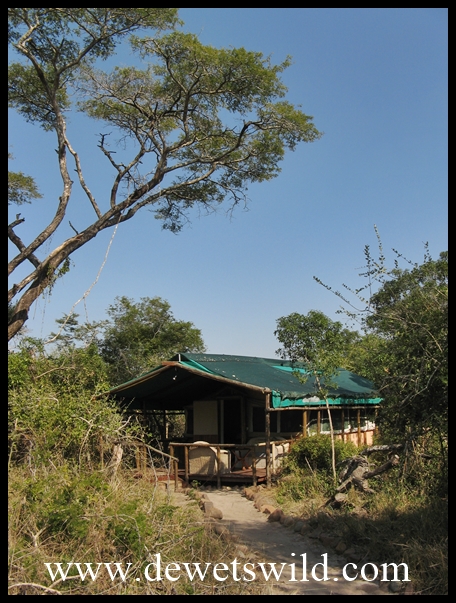
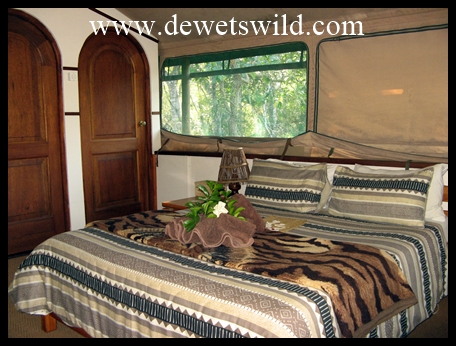
At the lodge, some of the staff members had gathered to greet us on with traditional song and dance. After checking in and enjoying a nice cool drink of fruit juice we were escorted to our accommodation – a beautifully decorated, and very roomy, safari tent with en-suite bathroom, to which our luggage had already been delivered – to settle in before lunch and the afternoon game drive.
Tembe_6805

Tembe_6680
Not even an hour has passed since our arrival, and already the scenery, wildlife and warm people of Tembe have made a deep impression on all of us. We had three nights to spend here, and it was clear that we were going to enjoy every minute of it.

We quickly settled into the lodge’s leisurely routine. An early morning wake-up call is available, but being early birds you’d have to be up pretty early yourself if you wanted to wake up the de Wets! Before setting off on the early morning game drive at first light, guests can help themselves to a selection of cereals, toast, fruit salad and yoghurt to put pay to any hunger pangs that might have arisen through the night.

Clambering into the game-viewing vehicle everyone gets a blanket to keep the worst of the cool morning air at bay before heading into the wilderness, the guides scanning the sandy tracks for fresh signs of predators. Our guide Patrick and soft-spoken tracker Nkosi was born and raised in the Tembe area and thanks to their excellent knowledge of the plants, animals and culture of Tembe, and their warm and friendly nature, every drive turned out to be a most pleasant experience.
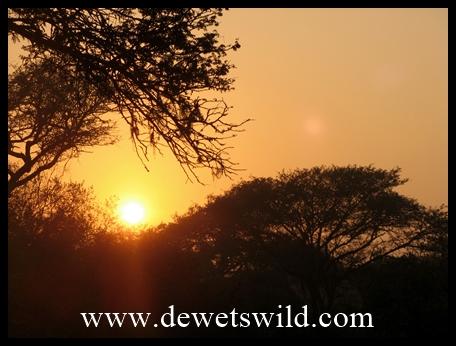
Tembe_6793
Half-way through the morning drive the guides will park at a lovely spot where hot coffee, tea and rusks are by now a very welcome treat before heading back to camp. Have you ever enjoyed your morning tea accompanied by the roaring of two magnificent wild lions just meters away? Thanks to Tembe we can now say that we have!

Tembe_2212
On arrival back at the lodge, guests head for the dining area where a full English breakfast, nicely rounded off with a bran muffin or two, will be served.

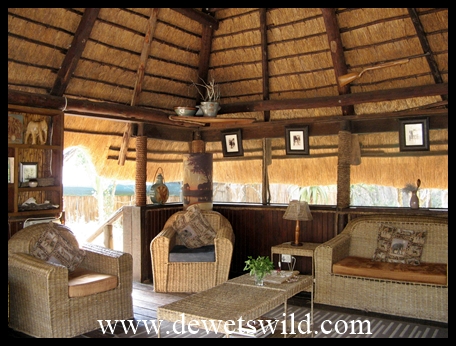
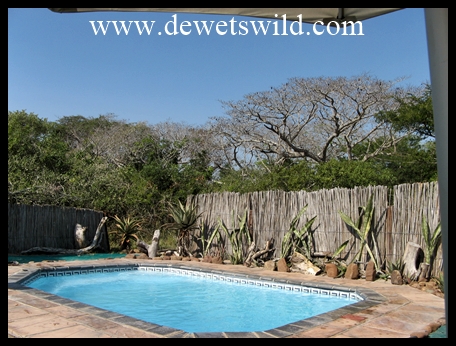
Guests then have the late morning and early afternoon to laze around the camp – a small library, a couple of reed enclosed lounges and a sparkling pool are available for guests’ enjoyment or you could head to your secluded safari tent to relax on the veranda. You can even arrange for a massage or you could also ask your guide to deliver you to the hide at Mahlasela Pan to spend a couple of hours there watching the animals and birds come and go. We enjoyed walking around the camp grounds taking in the rich fauna and flora.
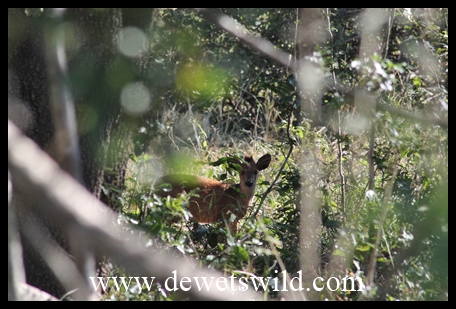
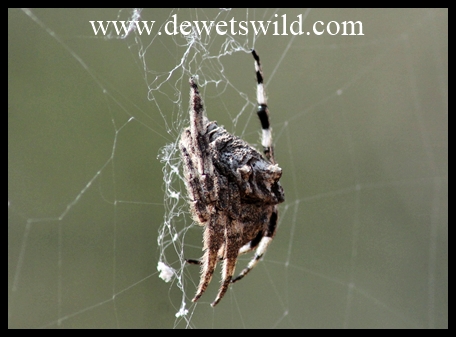
Tembe_1274

Tembe_1589

Tembe_1603

Tembe_1974

Tembe_6807

Tembe_6808

Everyone gets together in the dining area for lunch at around 2pm. Who knew that Kudu Burgers are that delicious!? The lodge staff will go out of their way to ensure that every guest’s specific dietary preferences are met, so don’t worry that you’ll go hungry if you like vegetables more than meat!
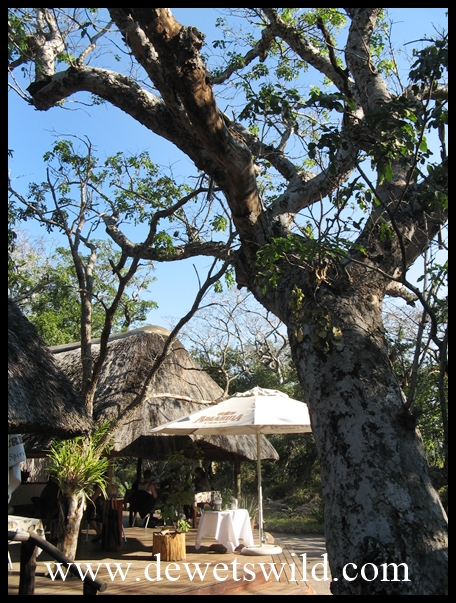
Tembe_6687
It’s time again to head off into the bush in search of Tembe’s feathered, hooved, tusked and clawed inhabitants. It was during one of our afternoon drives that we encountered the magnificent elephant bull Isilo, South Africa’s biggest living tusker. Just as the sun reaches the western horizon there’s time to park off again in another beautiful location and enjoy a cold refreshment while taking in the unparalleled beauty of an African sunset. With darkness now swallowing the wilderness the spotlight comes out for the drive back to the lodge, picking up the eye-shine of some of Tembe’s nocturnal animals and birds along the way.
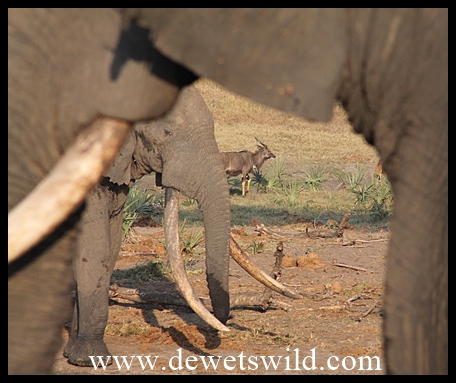
In the Background (Isilo)

Isilo of Tembe (click on the image to see more of this magnificent animal)
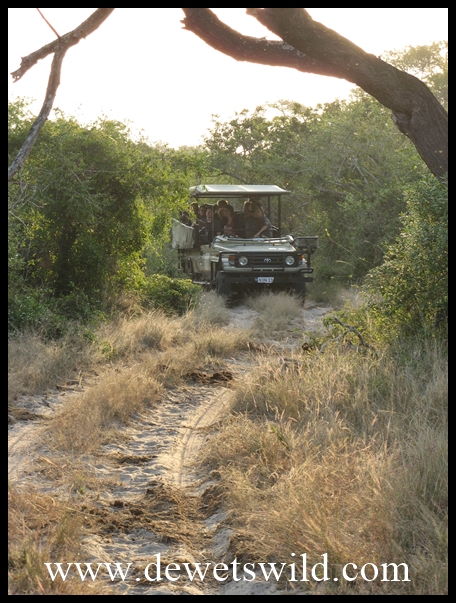
Tembe_6774

Tembe_6827

Tembe_6841

On arrival back at camp, a very inviting camp fire awaits the guests and quickly everyone is relaxing around it, excitedly chatting about their day as if they were old friends who have known each other for years. As soon as dinner is ready the camp staff comes around, inviting everyone to their tables. More mouth-watering meals; kudu wors and steak, impala kebabs and chops, all served with crisp home-grown vegetables, salads and maize porridge, the African staple, to be enjoyed under the curious gaze of the bush babies clambering around the trees that surround the dining area. Of course you’d expect a delicious desert at the end of such a delectable meal, and the Tembe staff won’t disappoint in that arena either!

Tembe_6845
Three guests were lucky enough to celebrate their birthdays at Tembe during our stay. After dinner, the lodge staff presented them each with a beautifully decorated cake accompanied by the obligatory “Happy Birthday” songs in English and Zulu. After the meal, it’s time for entertainment in the form of traditional Zulu song and dance performed by artists from the Tembe community.
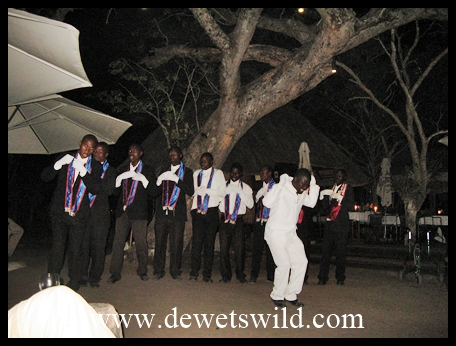
Tembe_6847
Retiring to your accommodations for the night, you will find the beds neatly turned down, the electric blankets heating it all cosily, and on your pillow a small chocolate and short note with information about Tembe’s people and animals.

Now that’s a routine we could all get used to. Lying in bed at night, listening to the far off wailing of a bush baby or hearing a tree snapped nearby by a foraging tusker, city life and its daily grind is but a distant memory…

Be warned – leaving Tembe is bound to be a lump-in-the-throat affair. Being seen off by the staff in front of the lodge, wishing you a safe trip and hoping to see you again soon, you’ll already be making plans to return to this beautiful place, its amazing wildlife and the warm, hospitable people who are so proud of their culture and their reserve, and what they have achieved here.

Tembe_6822

DeWetsWild is proud to include Tembe in the portfolio of destinations we offer our guests and clients, secure in the knowledge that they’d be treated like royalty for every minute of their stay at South Africa’s most affordable full service game lodge in a “Big-5’ game reserve, while enjoying breath-taking encounters with legendary wildlife and a glimpse into fascinating local culture.

When you start putting together your bucket list, be sure to leave a space for Tembe near the top!
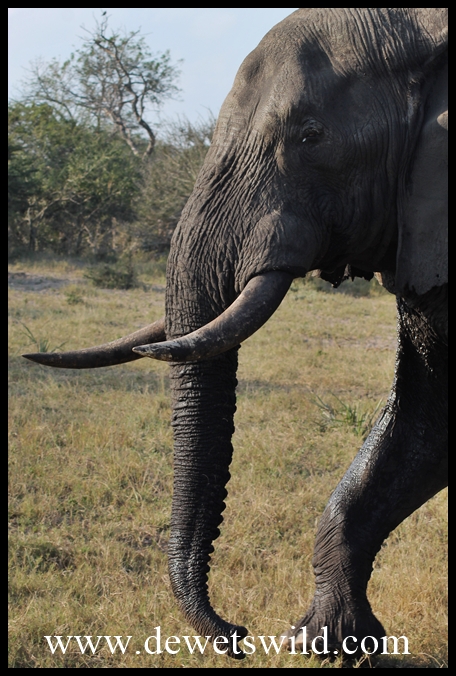
Tembe_1715

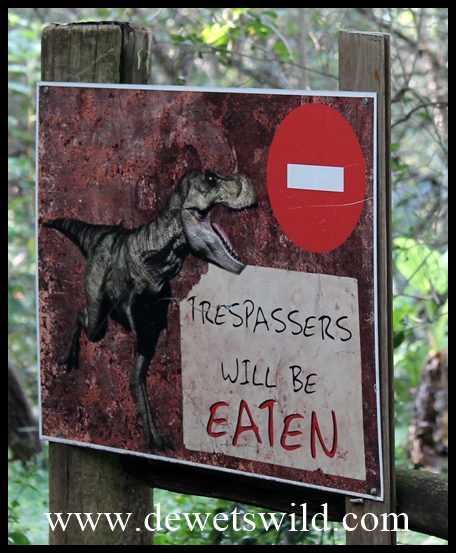
The Sign Says

Best to stay on the right side of the fence then!
The sign says

Seen at the Sudwala Dinosaur Park in Mpumalanga, South Africa.

“The Sign Says” is this week’s photo challenge from WordPress

The Forest

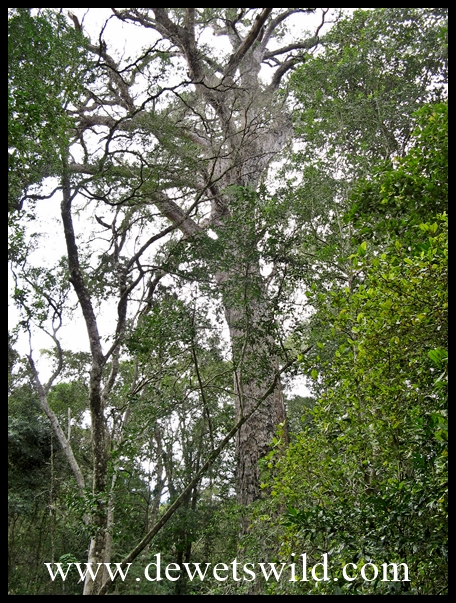
We don’t have many true forests in South Africa, and over the years much of the forests that there was has fallen to man’s greed. Luckily, some of the remaining forest patches today enjoy protection in national parks and nature reserves. Pictured here is a giant Outeniqua Yellowwood Tree that towers almost 40 meters high and a must see for anyone visiting the Tsitsikamma Forest in the Garden Route National Park.

The Forest

We’re participating in the online adventure travel and photography magazine LetsBeWild.com‘s Wild Weekly Photo Challenge for bloggers. This week’s challenge is “The Forest“.

Pretoriuskop Rest Camp, Kruger National Park

In 1927, a total of three tourist vehicles visited the Kruger National Park, entering through the Numbi Gate. A year later, the first accommodation was provided for visitors in what was then the garden of the legendary ranger Harry Wolhuter about nine kilometres into the Park. By 1931 Pretoriuskop, as the Rest Camp became known, and “The Game Reserve” had become so popular and grown so big that a permanent camp manager had to be appointed.

Like those first visitors, I had my first taste of the Kruger National Park as a small boy, four years old, entering through the Numbi Gate to overnight at Pretoriuskop, the Park’s oldest and historically richest rest camp.

Pretoriuskop scenery

Pretoriuskop scenery

Till this day, the huge “Indaba Tree” beneath which ranger Wolhuter held his staff meetings in the 1920’s can be seen inside the camp. But Pretoriuskop’s history dates back much further than that. Along the main road leading from Numbi to the camp, the lonely grave of Voortrekker Willem Pretorius who died in 1845, buried here by pioneering trader Joao Albasini, can be seen below the hill known as Pretoriuskop ever since. Albasini had a trading post to the north of Pretoriuskop, and the ruins of his house and shop can still be viewed today at the Phabeni Gate.

The Voortrekkers came along here in the 1840’s en route to Delagoa Bay (later Lourenco Marques and now known as Maputo), and later, following the discovery of gold at Pilgrims Rest in the interior, the same old ox-wagon route (Oude Wagenpad in Dutch) was used by the transport riders carrying goods between the gold fields and the harbour. Today, the H2-2 tourist road still follows the same general course as that historic trail, and along the way a number of historic landmarks can be appreciated. One of these, visible from quite a distance, is Ship Mountain – a strange rocky outcrop in the shape of a ship overturned – which was a popular place for the transport riders to camp out. The birthplace of South Africa’s most famous dog, Jock, is another point of interest along the way. In the 1880’s Jock, and his owner Percy Fitzpatrick, then a transport rider, had many adventures in the lowveld, immortalised in Sir Percy’s book “Jock of the Bushveld”.

Ship Mountain, seen from the “Oude Wagenpad”

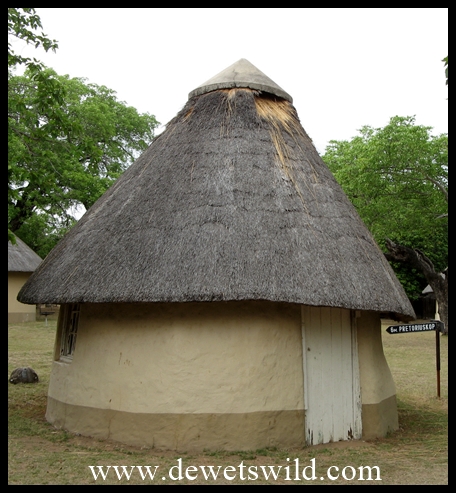
Today, Pretoriuskop is one of the Kruger National Park’s bigger rest camps yet it retains its historic and quiet, friendly character, with impala and guineafowl moving peacefully around the terrain. Accommodation ranges from camping and very basic huts to luxury guest houses, a beautiful pool built into a natural rock face is available for guest’s enjoyment and a fully stocked shop, restaurant, cafeteria and petrol station makes for a comfortable stay. Wolhuter’s Hut (no longer used to accommodate guests) has been preserved  to show today’s visitors the accommodation provided to those first guests at Pretoriuskop in the 1920’s.

Pretoriuskop Rest Camp

Pretoriuskop Rest Camp

Pretoriuskop swimming pool

Pretoriuskop swimming pool

Pretoriuskop Rest Camp

Pretoriuskop Rest Camp

Wolhuter's hut in Pretoriuskop

Wolhuter’s hut in Pretoriuskop

Because Pretoriuskop is located at a higher altitude, the camp is much cooler, even during the height of summer, than the rest of the Park. This also means that Pretoriuskop has a higher annual rainfall, and the sourveld vegetation around the camp is characterised by tall grass and dense bush, making game viewing tricky. Nevertheless, there’s a good chance of encountering large predators on any of the roads that radiate from the camp, kudu are numerous thanks to the thick vegetation, and it is here that the first white rhinos were reintroduced into the Kruger Park in 1961, having been wiped out of the lowveld by hunters by 1896. Another special reason to visit Pretoriuskop is the chance to encounter some of the rarer antelope, like sable, lichtenstein’s hartebeest, tsessebe and reedbuck, that still occur here in small groups.

Waterbuck at Shitlhave Dam near Pretoriuskop

Waterbuck at Shitlhave Dam near Pretoriuskop

Helmeted Guineafowl

Helmeted Guineafowl

White rhinoceros

White rhinoceros

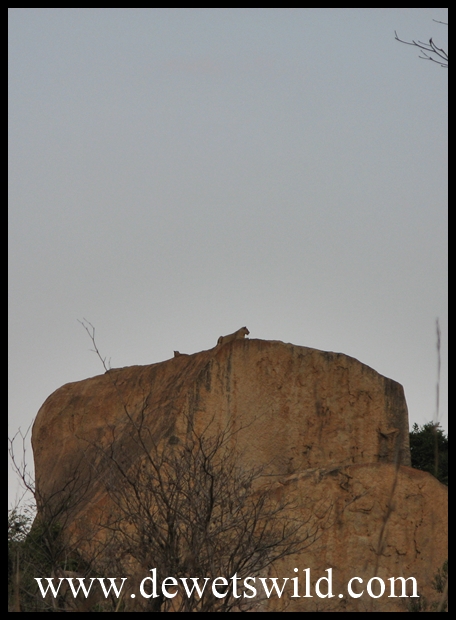
Lioness and cub atop Shabeni

Lioness and cub atop Shabeni

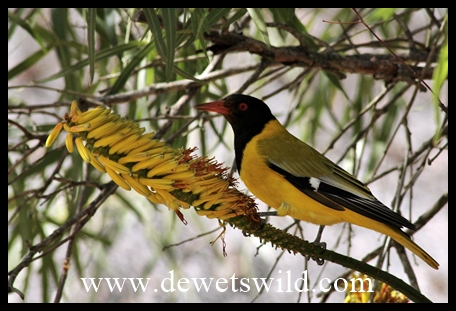
Black-Headed Oriole

Black-Headed Oriole

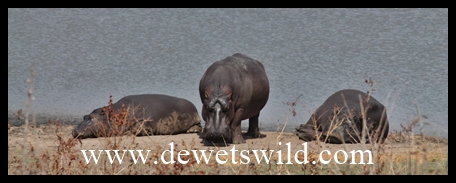
Hippopotamus

Hippopotamus

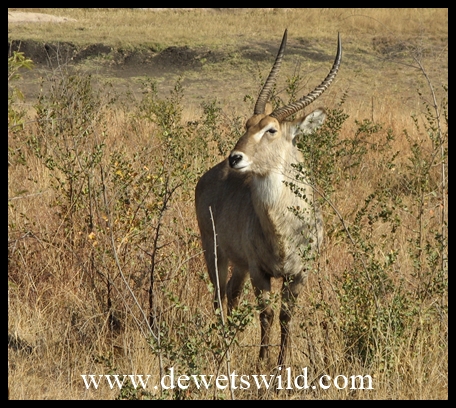
Waterbuck

Waterbuck

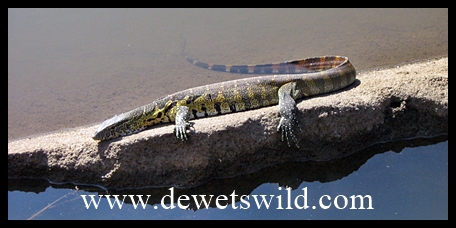
Water monitor

Water monitor

Warthog

Warthog

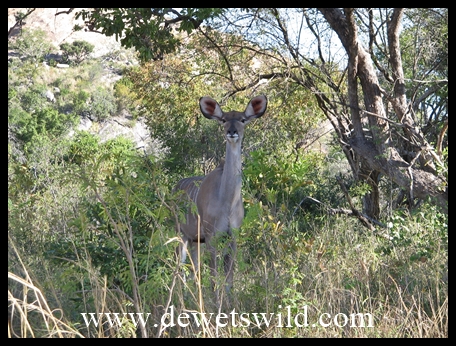
Kudu

Kudu

Kudu cow and calf

Kudu cow and calf

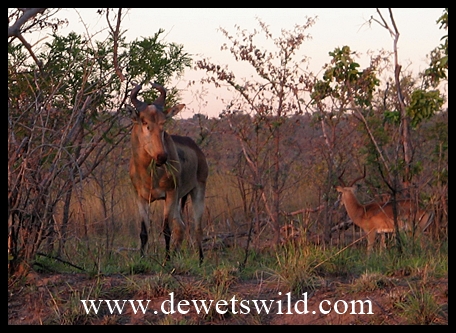
Lichtenstein's Hartebeest

Lichtenstein’s Hartebeest

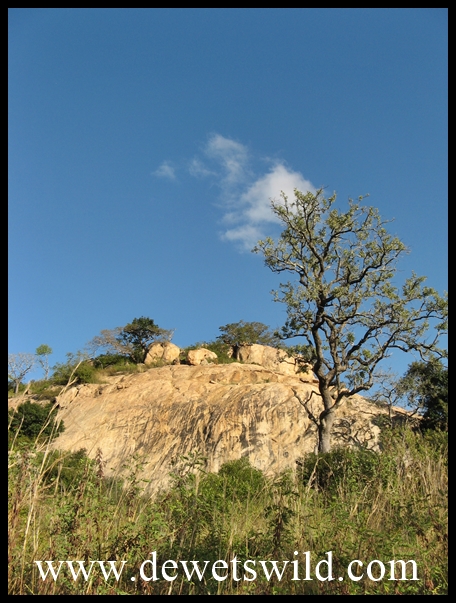
To us, the Pretoriuskop area’s scenery is the biggest attraction though. Mestel and Shitlhave Dams are near the camp and aside from residents pods of hippo and herds of waterbuck attract streams of game looking to quench their thirst. The enormous granitic outcrops, like Manungu and Shabeni, so characteristic of this area, offer beautiful photo opportunities and driving slowly around them in the golden light of the late afternoon, with magnificent views in all directions, is a truly relaxing, almost meditative, undertaking that has to be experienced to be appreciated.

Rocky outcrops lending character to the landscape around Pretoriuskop

Rocky outcrops lending character to the landscape around Pretoriuskop

Rocky outcrops lending character to the landscape around Pretoriuskop

Rocky outcrops lending character to the landscape around Pretoriuskop

Stream crossing near Pretoriuskop

Stream crossing near Pretoriuskop

Rocky outcrops lending character to the landscape around Pretoriuskop

Rocky outcrops lending character to the landscape around Pretoriuskop

The massive granite dome of Shabeni

The massive granite dome of Shabeni

Pretoriuskop vegetation

Pretoriuskop vegetation

The Beach

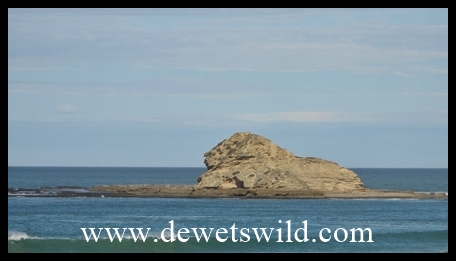
I’ve wonderful childhood memories of Swartvlei Strand (Beach), in the Wilderness section of the Garden Route National Park, near the town of Sedgefield in South Africa’s Western Cape Province. The unique rock formation some distance from the beach has always been fascinating to me, resembling a male lion lying down, looking out over the Indian Ocean.

The Beach_Swartvlei Strand

The Beach(2)_Swartvlei Strand

We’re participating in the online adventure travel and photography magazine LetsBeWild.com‘s Wild Weekly Photo Challenge for bloggers. This week’s challenge is “The Beach

Kruger National Park, April 2013

We recently had another (long awaited) breakaway to the paradise that is the Kruger National Park, spending one night in historic Pretoriuskop Rest Camp followed by four nights in Crocodile Bridge Rest Camp. Both these camps are located in the very popular south of the Park and we’ll bring you more detail on each in future installments of de Wets Wild.

Thanks to two consecutive years of exceptionally high rainfall the Park is lush and green with surface water abounding in all the watercourses and seasonal pans. Of course this made searching for game a little harder but we still had numerous excellent sightings of the spectacular wild animals and birds for which the Kruger National Park is known the world over. The weather also played along beautifully and for six days we could forget that winter is hiding just around the corner here in South Africa.

Click on any of the images below to view them all in a carousel gallery, and have a look at the links provided at the end for some additional photos taken during our most recent trip to heaven.

Birds of a feather

26/04/2013

27/04/2013

28/04/2013

29/04/2013

30/04/2013

Movement

On most occasions you’d encounter African Wild Dogs, they’ll be running somewhere, covering enormous distances in quick time. This photograph was taken near the Afsaal picnic spot, in the Kruger National Park.

We’re participating in the online adventure travel and photography magazineLetsBeWild.com‘s Wild Weekly Photo Challenge for bloggers. This week’s challenge is “Movement“.

Kruger Park 30/04/2013

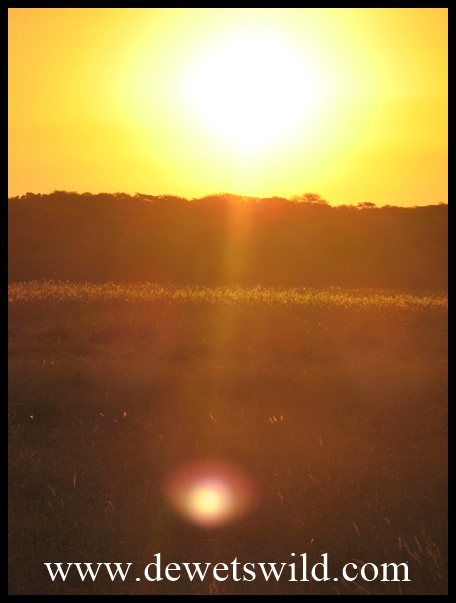
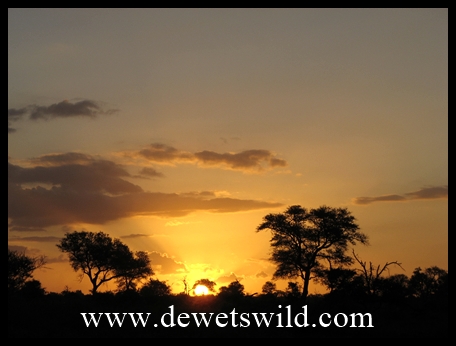
We’ve enjoyed our final sunset of this Kruger Park visit, and wasn’t it gorgeous?

Krokodilbrug_30042013

Tomorrow we’ll be heading back home to Pretoria, but only after we undertake a final game drive. Will Kruger have one more parting gift in store for us?