Tag Archives: outdoors

Marakele’s Behemoths

There’s no denying that Africa’s mega-mammals are a great attraction for visitors to our national parks, and being in close proximity to these majestic and charismatic animals remains a thrill we cannot ever tire of, no matter how often we have the pleasure to see them up close.

The Cape, of African, Buffalo may not box in the same weight division as the rhinos and elephants that also call Marakele National Park home, but they have a well deserved fearsome reputation, especially the cantankerous lone males, of which we saw quite a few while we were exploring the Park on our short visit last week.

With our white and black rhinos being so severely threatened by poachers it was heartening to have several good sightings of these prehistoric-looking animals at Marakele, and we realised again what a great debt of gratitude we owe the rangers who keep these animals safe on a daily basis.

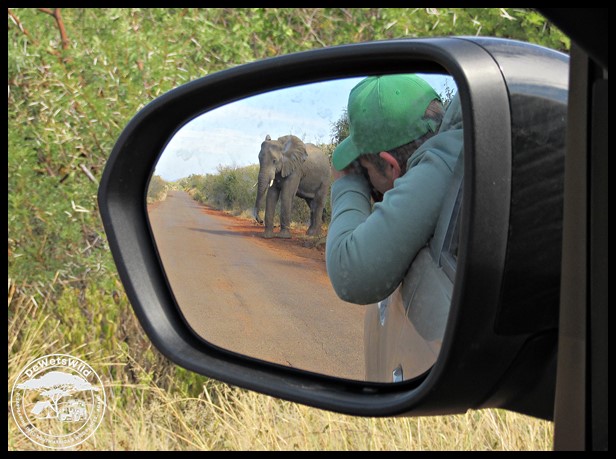
An elephant roadblock is always a wonderful experience, but in Marakele, where the elephants are less used to having vehicles in their space, it can be downright exciting! It is important to give the grey giants lots of space and respect, so I am grateful that I can trust Joubert to get the shots while I keep the car pointing in the right direction!

Remember that DeWetsWild will gladly assist you with a reservation and planning if you’re interested in visiting Marakele National Park and making the most of your visit.

More to Marakele’s Birdlife than Hornbills

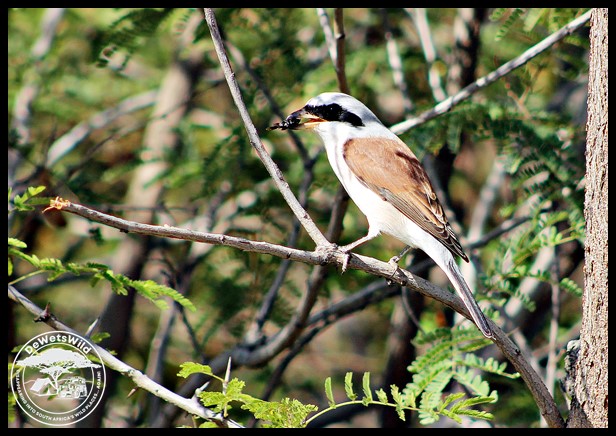
The rich variety of habitats protected within the borders of the Marakele National Park harbours an amazing variety of bird species (besides the hornbills we showed you yesterday). These are just a few of the other species we saw and photographed in the two days we spent at Marakele last week.

Remember that DeWetsWild will gladly assist you with a reservation and planning if you’re interested in visiting Marakele National Park and making the most of your visit.


Bontle’s Hornbills

Yellow-billed Hornbill

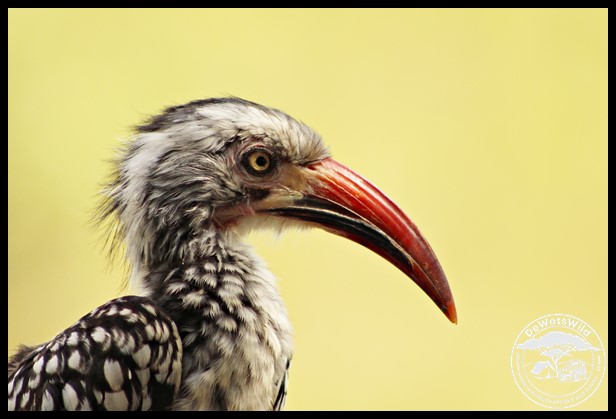
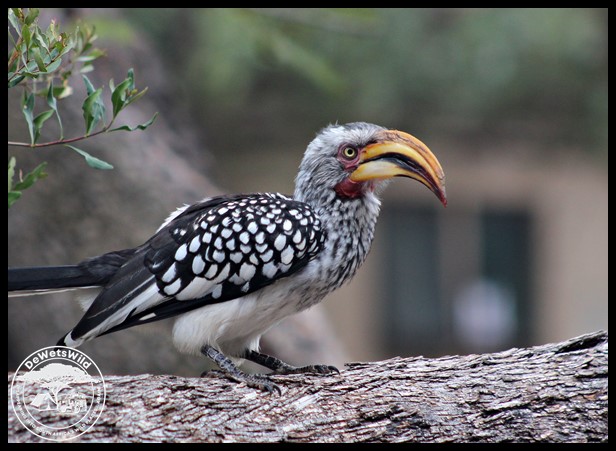
A few days ago the image we posted of a Yellow-billed Hornbill (re-posted above) elicited quite a bit of interest. Hornbills, particularly the Yellow-billed and Red-billed varieties, are very common at the Marakele National Park’s Bontle Rest Camp, and they already came to welcome us as soon as we started pitching our tents soon after arriving. They’re used to having humans around and have very expressive faces, making for wonderful photographic opportunities. Enjoy this little gallery of other hornbill pictures taken in Bontle while we put together a few more posts about our recent short visit to Marakele and have a read here if you’d like to learn more about these charismatic creatures.

Remember that DeWetsWild will gladly assist you with a reservation and planning if you’re interested in visiting Marakele National Park and making the most of your visit.


A Marakele First

“The harder I practice, the luckier I get.”

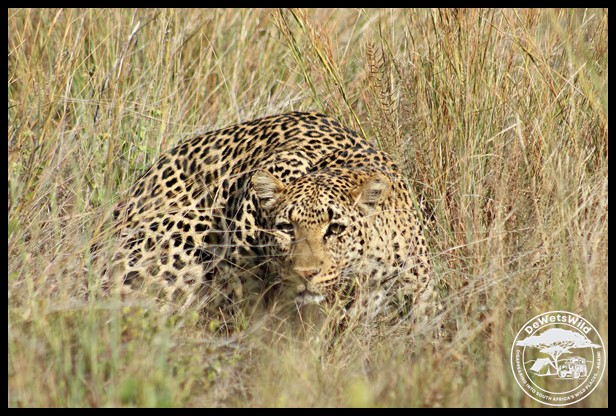
Famous South African golfer Gary Player’s words can certainly be applied to searching for South Africa’s wild animals as well, for today, having visited Marakele National Park regularly for 20 years, we had our first encounter with one of the Park’s elusive leopards. These shots were taken by Joubert this afternoon.

Marakele in Autumn

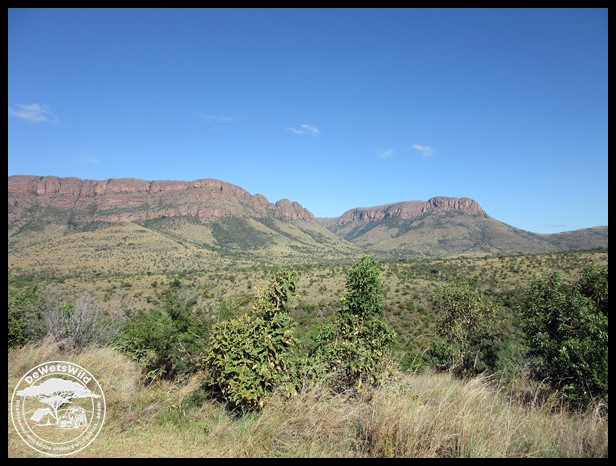
It’s the autumn school holidays in South Africa and we’ve managed to escape Pretoria for a couple of days camping at beautiful Bontle in the Marakele National Park.

Greater Flamingo

Phoenicopterus roseus (ruber)

The Greater Flamingo is the largest species of flamingo, standing up to 1.8m tall with a weight up to 4.5kg (more usually 1.6m and 2.7kg, respectively). It is distributed from India and western Asia, into southern Europe and  through much of Africa and Madagascar, the widest occurrence of any kind of flamingo. The IUCN lists the Greater Flamingo as being of least concern. It is found at suitable habitat throughout South Africa but is classified as near-threatened locally due to pollution, water extraction and disturbance at breeding and feeding sites, fences spanning water bodies, and collisions with power lines.

Greater Flamingoes are social birds often forming enormous flocks, especially when breeding, and inhabit coastal mudflats, dams, sewage works, river mouths and even small temporary pans that form after rainfall, also occasionally feeding along sandy beaches. They may move over exceptional distances in response to rainfall, mostly migrating during the night at flying speeds of 50-60km/h. Greater Flamingoes feed on tiny aquatic invertebrates, like brine shrimp or fly larvae, that they filter from the water. South Africa doesn’t have any regularly used Greater Flamingo breeding sites – they breed exclusively at large, seasonally flooded and shallow salt pans like Etosha in Namibia and Makgadikgadi in Botswana.

The Greater Flamingo was long considered to be one species with the American Flamingo (P. ruber) but this view is no longer accepted in the scientific community.

Lesser Flamingo

Phoeniconaias (Phoenicopterus) minor

Most people are probably familiar with flamingoes, of which there are altogether six species on the planet. Two species occur in South Africa. In this edition of DeWetsWild we’ll showcase the Lesser Flamingo, and in the next installment we’ll cover the Greater Flamingo.

Lesser Flamingoes inhabit shallow, nutrient-rich, wetlands that may include salt pans, saline lakes, mudflats, tidal lagoons and even sewage treatment plants. They feed exclusively on cyanobacteria, better known as blue-green algae, syphoning it from the shallow water in typical flamingo fashion. They can cover enormous distances migrating mostly at night between suitable water bodies at an average speed of 60km/h. They’re regularly found in association with Greater Flamingoes at the same locations.

Lesser Flamingoes breed exclusively on salt pans and saline lakes, forming breeding colonies of several thousand monogamous pairs, each of which builds a mound of mud up to 40cm high and surrounded by water (as protection against land-based predators) to use as a nest, usually coinciding with the rainy season. The parents take it in turns to incubate the single egg (rarely two) for a month, with the chick leaving the nest and joining a creche within 6 days of hatching. Though the chicks can fly by the time they’re 3 months old the parents continue to feed the chick on a secretion from their gastrointestinal tract for several months. Fully grown they stand almost a meter tall, with a similar wingspan, and weigh approximately 2kg.

The IUCN classifies the Lesser Flamingo as being near threatened, siting a declining population and threats to important breeding sites. At the latest estimates their population stood at between 2.2 and 3.4-million distributed from the Indian Subcontinent, through the south of the Arabian Peninsula, to East Africa and on to southern Africa, with smaller populations around Lake Chad and in West Africa. There is evidence of considerable movement between populations, even over thousands of kilometres. In South Africa there’s concentrations of this species in the Western Cape, on the Highveld, and at Lake St. Lucia, though their only regularly used breeding colony in our country is at Kamfers Dam outside Kimberley and susceptible to pollution and human encroachment.

Gaboon Adder

Bitis gabonica

The Gaboon Adder must surely rate as one of the best camouflaged, if not one of the most beautiful, snakes in South Africa. These large vipers may grow to 2m in length (usually up to 1.3m in our part of the world) and weigh up to 8kg. It boasts the longest fangs of any venomous snake, up to 5cm long, and its venom is produced in large quantities – less than a quarter of a dose is sufficient to kill an adult human. The venom is cytotoxic and rapidly cause swelling, intense pain and shock and may lead to tissue death and amputation, difficulty breathing and heart failure if treatment with anti-venom is not quickly commenced. Thankfully they’re surprisingly placid and bites to humans are very rare.

Gaboon Adders inhabit forests and other similarly moist and densely vegetated habitats, where they feed on a wide range of vertebrate prey up to the size of rabbits. They are mainly nocturnal hunters, but like to bask in the sun on the edge of clearings in the forest during the day. Females are gravid for up to a year after mating, producing up to 40 live young, usually in the summer months.

In South Africa the Gaboon Adder is restricted to a small coastal strip stretching from St. Lucia Estuary to the Mozambique border – almost all of its natural range in this country is therefore included in the iSimangaliso Wetland Park. They have also been introduced to the Umlalazi Nature Reserve to the south. Outside of South Africa, Gaboon Adders are found along the forested mountain border of Zimbabwe and Mozambique, coastal Tanzania, and widely through Africa’s equatorial reaches from Zambia in the south to Nigeria in the west and to Uganda and South Sudan in the east. The IUCN lists it as vulnerable with a declining population over most of its range. and though the local population is estimated to be stable at between 2,000 and 3,500 in the wild it is still considered to be “near threatened”.

Cape Shoveler

Spatula (Anas) smithii

The Cape Shoveler inhabits shallow freshwater habitats (including farm dams, flooded grasslands, marshes and sewage works), lagoons, estuaries and salt pans, where it feeds mainly on aquatic invertebrates and tadpoles with plant material forming a smaller portion of the diet. While they are usually resident, at times Cape Shovelers will cover enormous distances; the reason for these erratic movements aren’t yet understood. Outside of the breeding period they may form sizable flocks of more than a hundred individuals.

Cape Shovelers breed at any time of the year (peak from late winter to early summer) in monogamous pairs, with the female being responsible for the building of the nest – a scrape in the ground built up with twigs, leaves and down, usually on a thickly vegetated island. She lays a clutch of 5-13 eggs and incubates them for 4 weeks. Once hatched, it is mostly the female that takes care of the ducklings while the male guards against predators. The chicks can fly when they’re about 9 weeks old and become independent soon after. Fully grown they measure about half-a-metre in length and weigh approximately 600g.

The Cape Shoveler occurs only in Southern Africa, being found from southwest Angola, through Namibia, Botswana and Zimbabwe to Lesotho, Eswatini and South Africa, where they’re found at varying densities in all our provinces, with the largest concentrations on the Highveld and in the Western Cape. Considering that the IUCN estimates a growing population of up to 33,000 birds the Cape Shoveler is listed as being of least concern.

Silver Tree

Leucadendron argenteum

The IUCN lists the Silver Tree as “vulnerable”. During early colonial times the trees were heavily harvested for fire wood and its remaining natural occurrence is limited to 5-7 fragmented sub-populations on Table Mountain, with other populations away from the mountain considered to have been established by humans. Despite mainly being found within the Table Mountain National Park the remaining natural populations are also thought to be declining because of various factors, including urban expansion, unnatural fires and competition with exotic plants. The Kirstenbosch National Botanical Garden has some beautiful examples of the Silver Tree.

While plants die off during fires, the seeds require fire to germinate. Remarkably for a plant that seldom lives longer than 20 years and is mature at between 5 and 7 years, the seeds of the Silver Tree can remain viable for 60 to 80 years, waiting for a fire to trigger them into growing. They usually grow to 5-7m tall, with exceptional examples reaching heights of 16m, and owe their distinct appearance to a dense coating of velvety hairs on the soft leaves. Male and female flowers are carried on separate plants, and pollination is wind-dependent.