We did warn you that we might be back here at Golden Gate Highlands National Park soon!
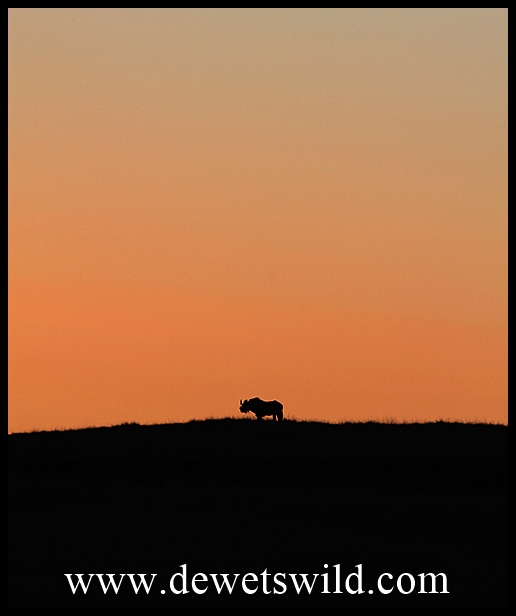

We did warn you that we might be back here at Golden Gate Highlands National Park soon!
Golden Gate Highlands National Park is one of our favourite destinations, as many of you will already know (because we tell you that so regularly ;-)). Our last visit there was in December and we were starting to really miss the spectacular mountain scenery, so we decided on the spur of the moment to pay Golden Gate a quick weekend visit last week.
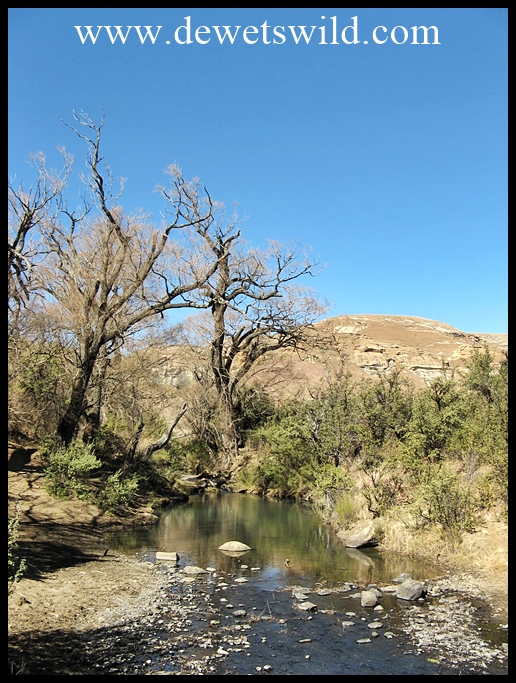
Mountain stream

Lichens Pass snaking its way up into the mountains

Golden Gate Dam
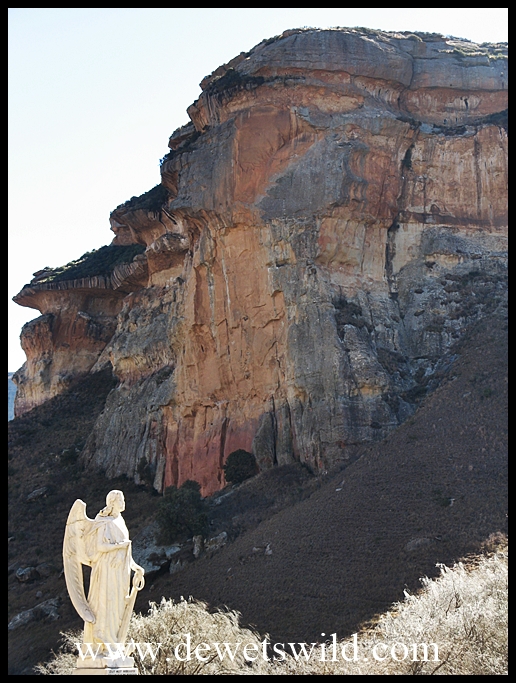
Resting in peace at the foot of the Golden Gate

Mushroom Rocks
One of the self-catering chalets at the Golden Gate Hotel, operated by SANParks, would be our accommodations for the night. Our well-appointed unit had a unobstructed view of the iconic Brandwag buttress, which is illuminated at night.
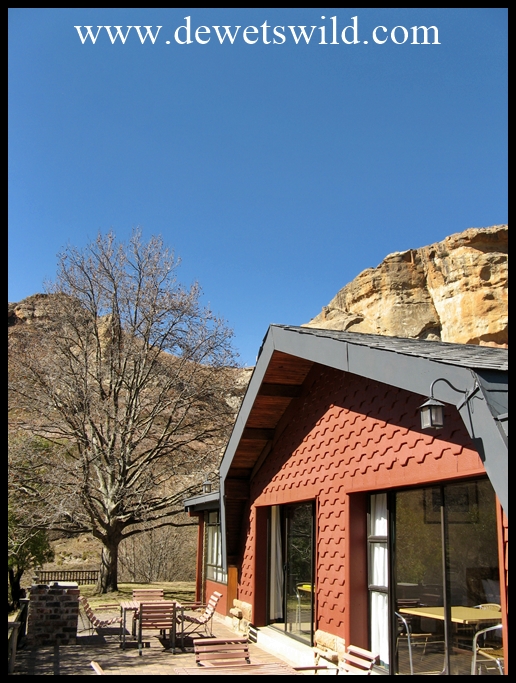
Golden Gate Chalet
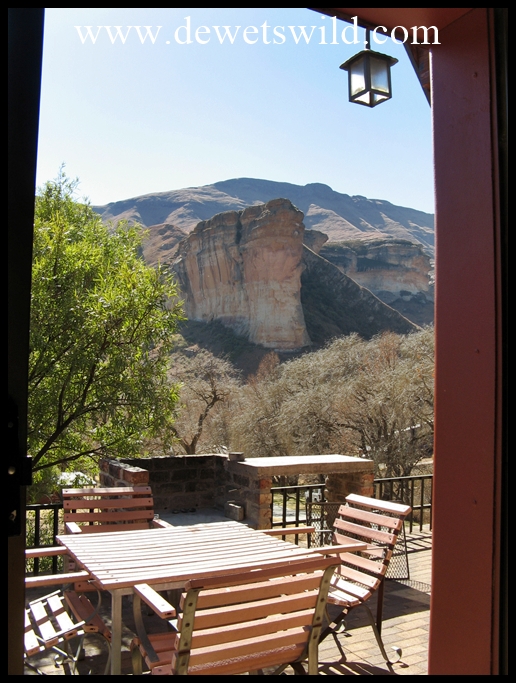
A room with a view

Brandwag illuminated at night
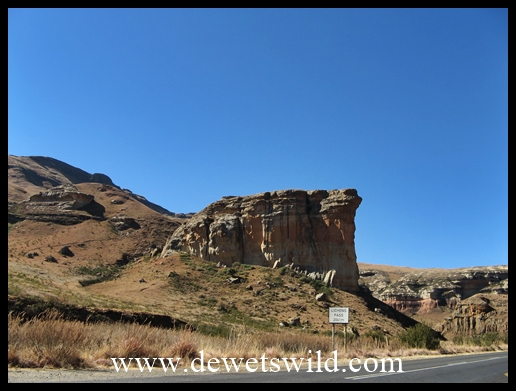
Another view of Brandwag
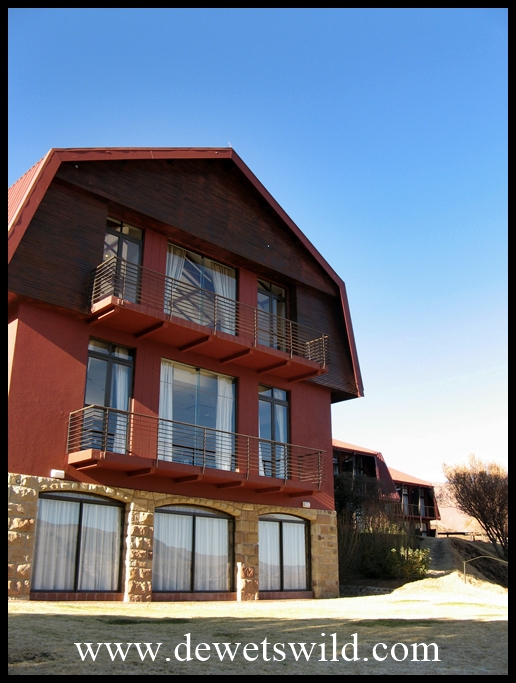
The Golden Gate Hotel
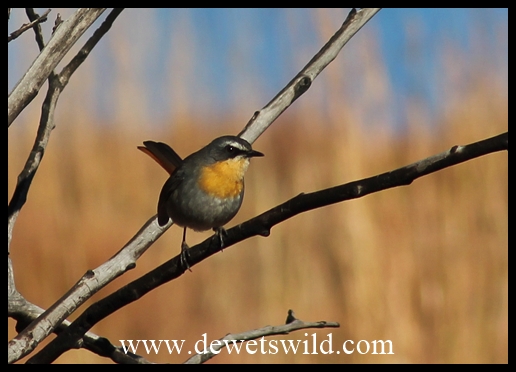
Birdlife abounds around the chalets at the Golden Gate Hotel

Birdlife abounds around the chalets at the Golden Gate Hotel
The vulture hide is a very welcome recent addition to the Park’s facilities and we had a fantastic sighting of jackal / vulture interaction there on the Saturday afternoon – have a look at our “Bowling for Buzzards” post for pictures from that episode.

The Cape Griffon is an endangered species
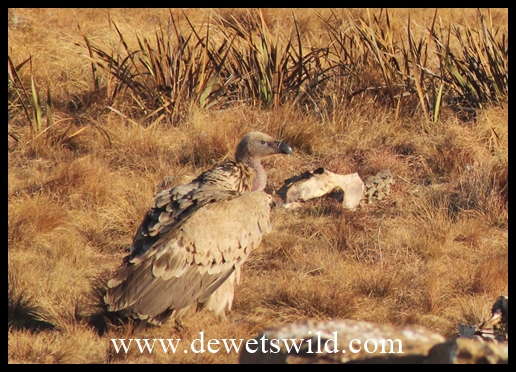
The Cape Griffon is an endangered species

The vulture “restaurant” has a stunning view!
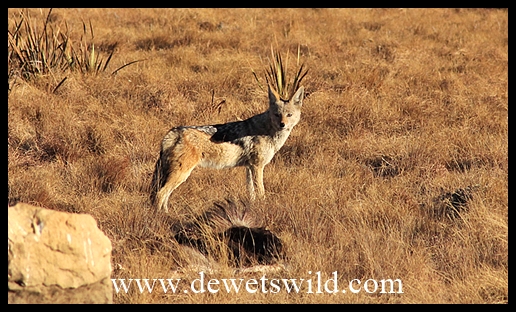
Black-backed jackal
Setting out at first light on Sunday morning it was clear that winter had a firm hold on this mountainous landscape. At the top of Lichens Pass our temperature gauge was showing 5 degrees below freezing at 07:00am! Despite the bitter cold we were able to enjoy a couple of good game sightings and beautiful scenery.
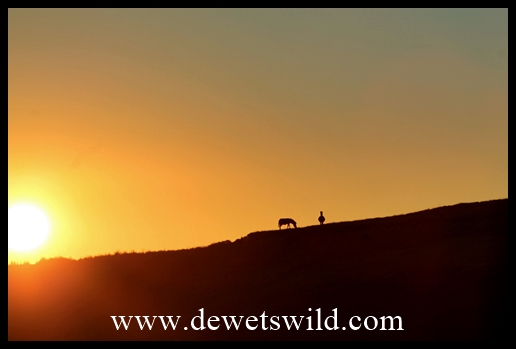
Zebra sunrise

Plains zebra

A herd of blesbok making their way through the frosty landscape

Sunrise over the Eastern Free State
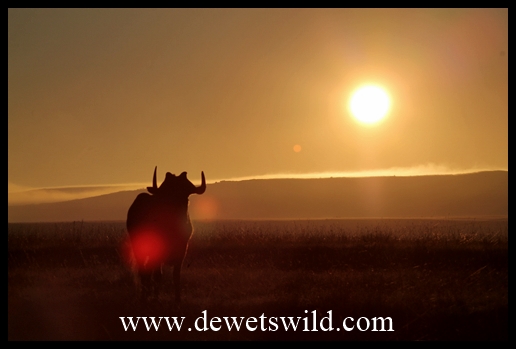
Black wildebeest
After a leisurely picnic lunch beneath a protea-bush in the Basotho Village, we had to head for home. One night simply wasn’t enough, and we will be returning soon!
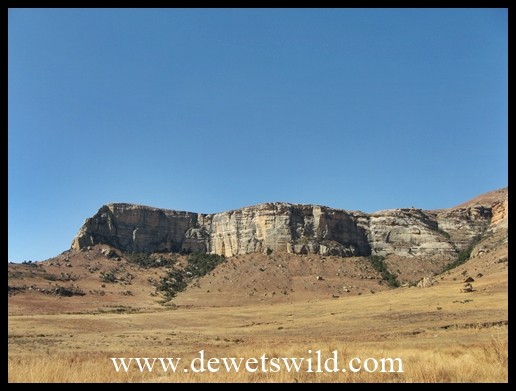
Beautiful mountain vistas at the eastern entrance to Golden Gate Highlands National Park
The Golden Gate Highlands National Park will celebrate its fiftieth anniversary in September this year, and to mark the event SANParks is offering a half-price promotion – have a look if you also need to escape to the mountains in a hurry!
Nature’s beauty is unrivaled.
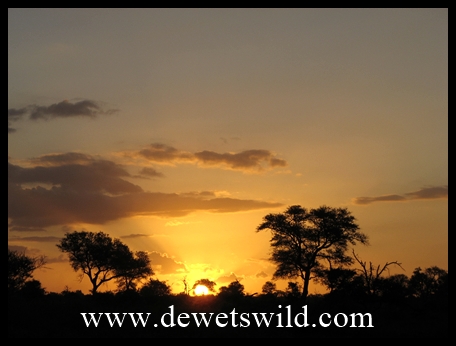
We’ve posted this picture, taken near Crocodile Bridge in the Kruger National Park earlier this year, before, but couldn’t resist posting it again in response to this week’s photo challenge.
This afternoon, watching from the hide at the Golden Gate vulture restaurant*, I was treated to one of the most entertaining sequences of animal interaction I have ever experienced!
A pair of black-backed jackals were protecting the last scraps of a carcass with everything they had against a group of Cape griffons.

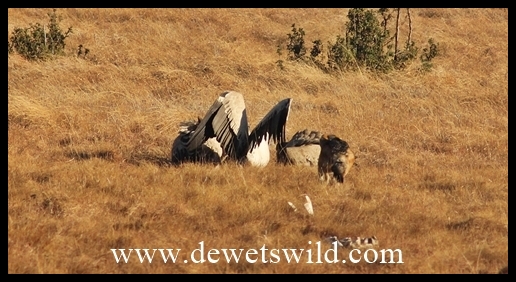
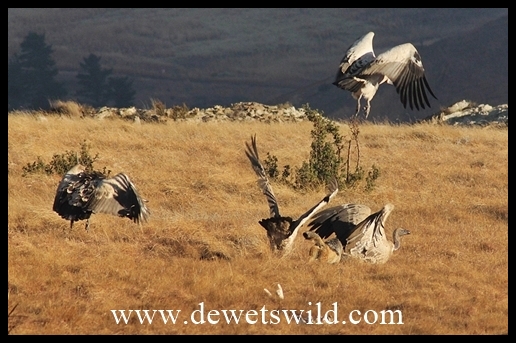
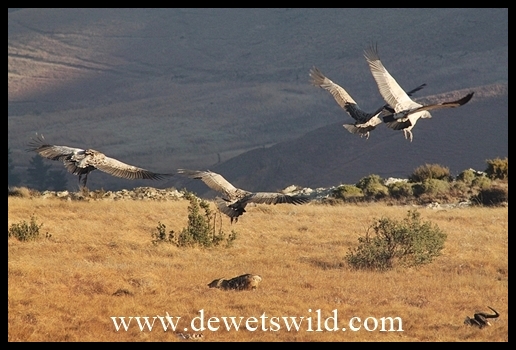
I couldn’t help but think of the “bowling for buzzards” scene in the animated Disney movie “The Lion King” where meerkat Timon and warthog Pumbaa save little Simba by rushing into the huddle of vultures surrounding the lion cub!
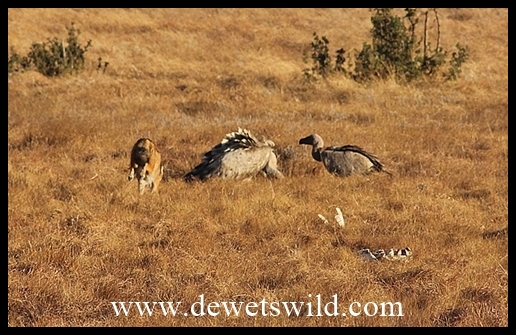
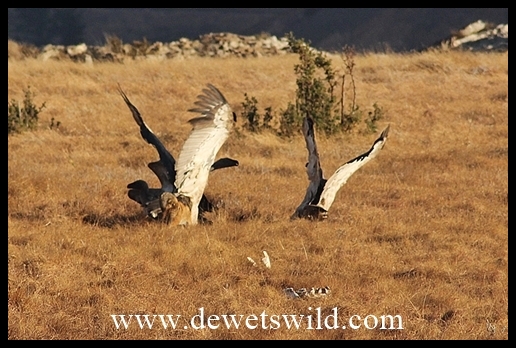
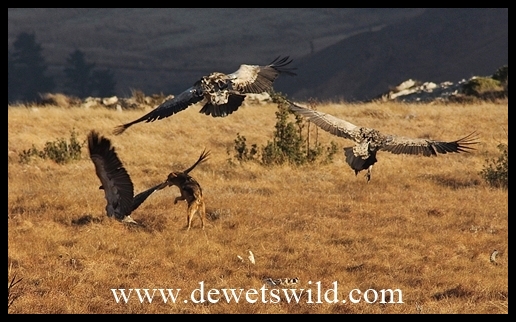
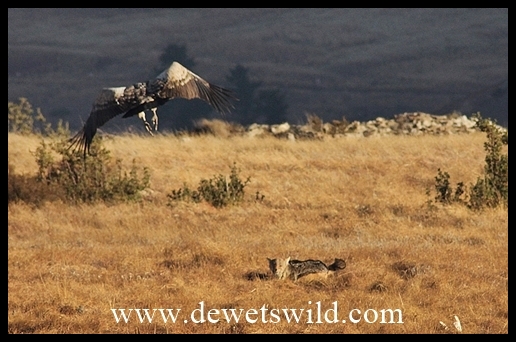
A “Vulture Restaurant” is a feeding station where carcasses are made available for vultures in safe places to mitigate the risk of them feeding on poisoned carcasses elsewhere.
Fresh mountain water and crisp mountain air on a sunny, but windy, winters day… We’re spending the weekend in the beautiful Golden Gate Highlands National Park, in the eastern Free State Province of South Africa.
Not only is the first and last hours of daylight – the “Golden Hours” – the best for photography, but it is also the best time to be out searching for the big cats in South Africa’s wild places, like this leopard we encountered near Cape Vidal, in the iSimangaliso Wetland Park.


“The Golden Hour” is the current weekly photo challenge from WordPress
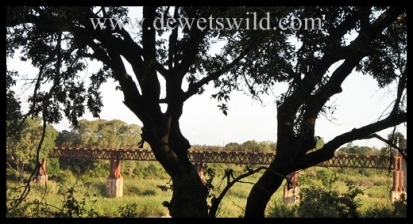
On the 8th of November 1912 a railway line connecting the border town of Komatipoort with the gold fields at Tzaneen in the north-western Lowveld of South Africa, cutting across the Sabie Game Reserve for a distance of approximately eighty kilometres, was inaugurated. Known as the Selati Line, it played an immense part in the history of the Kruger National Park.
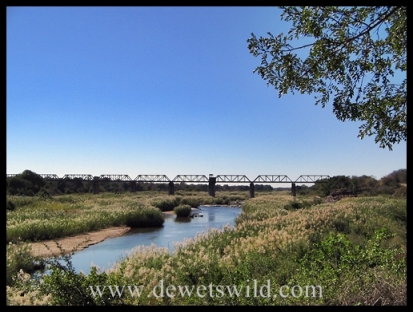
In 1923 the South African Railways introduced a nine day train tour through the Lowveld, incorporating the “Reserve” halt at Sabie Bridge on the Selati Line, where the train would park for one night and depart again an hour after sunrise. The stopover in the game reserve quickly became the highlight of the tours (which also included the beaches and night clubs of Lourenco Marques in Portuguese East Africa (today Maputo, Mozambique)), swinging public opinion in favour of the protection of the reserve and its subsequent proclamation as South Africa’s first National Park in 1926.
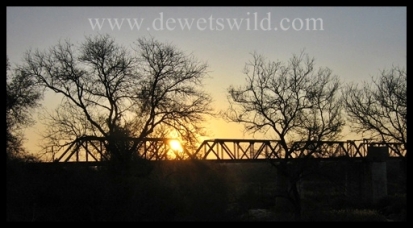
Construction of a new railway line running around the borders of the Park commenced in the late sixties, as the number of trains passing through the Park – up to 250 a week – was causing a huge number of animals to be maimed and killed on the tracks. The last train steamed through “Reserve” siding in September 1973.
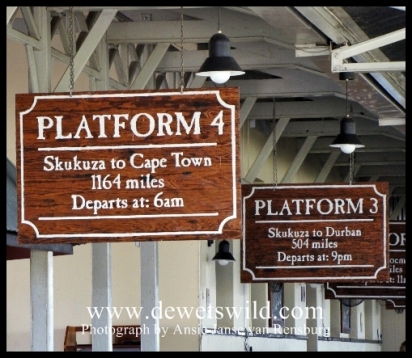
Today, Sabie Bridge is called Skukuza, the Kruger National Park’s headquarters and biggest rest camp. The two metal train bridges across the Crocodile and Sabie rivers stand silent witness to a long departed era of Kruger Park’s history. In 1978 “The Railways” donated steam engine 3638, named “Skukuza”, to the then National Parks Board for permanent display at the replica station inside the camp. Hitched to “Skukuza” are three coaches that today serve as the Selati Restaurant – a unique and nostalgic dining experience in one of the world’s most famous conservation areas.

This post was inspired by this week’s WordPress photo challenge: Nostalgic.
A big thank you to my sister Ansie for allowing us to include her great photos of the locomotive and the signs on the platform at Skukuza!
Exploring South Africa’s wild places is always nicer when the experience is shared with good company!
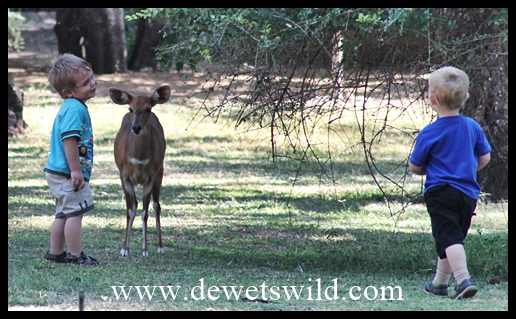
Pictured here is Joubert and his friend Louw getting acquainted with one of the bushbuck that have found a safe, predator-free home inside Letaba Rest Camp, in the Kruger National Park.
“Companionable” is this week’s photo challenge from WordPress
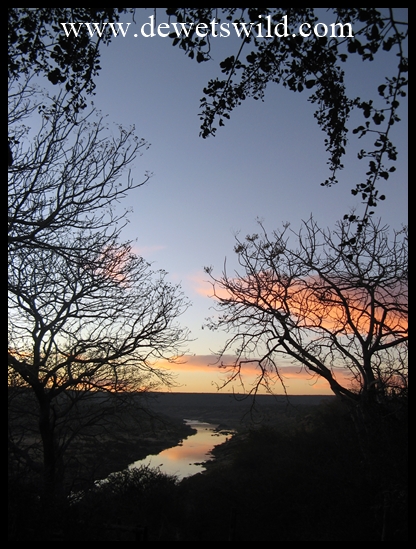
A small group of people are inspecting a dung-covered thorn-bush out in the African wilderness, the sun having just peeked over the eastern horizon, listening enchanted to their guide explaining the scene: “Long ago, the hippo lived on land with the elephant, the rhino and the buffalo. But Hippo complained bitterly to the Creator that his skin was far too sensitive for the African sun and pleaded to be allowed to live in the water. Crocodile wasn’t at all pleased with this arrangement though, fearing that the bulky hippo would eat all the fish in the river. Hippo then promised to spread his dung with his tail so that Crocodile could check that there was no fish bones in it. But the crocodile was still not convinced, as he’d have to go onto dry land to check Hippo’s dung, so Hippo put Crocodile’s mind at ease by saying that the rangers would check the dung on his behalf. And this is what we’re doing now, just checking that Hippo is keeping to his agreement with Crocodile”
My brother Niel and I arrived early morning on Saturday 15th of June for our annual brothers-trip to the Kruger National Park. We’d slowly make our way up to Satara Rest Camp that day, before joining the Olifants Wilderness Trail on Sunday afternoon at Letaba Rest Camp. Lots of time for relaxed game-viewing and photography along the way, and Kruger delivered the goods as always.


At 15:00 our Trail Guides Aaron and Louis meet up with Niel and I and the six other participants with whom we’ll be sharing our much-anticipated wilderness experience for the next three nights. It’s a two-and-a-half hour drive to the base camp, with frequent stops to appreciate the scenery and rich bird and animal life for which the Kruger Park is so renowned, and by the time we arrive darkness had already engulfed the small rustic camp.


The unspoiled African wilderness quickly makes friends of strangers, and there’s nothing to help the process along like a camp fire – or bush TV as Louis describes it because it’s so hypnotic. In the light of the dancing flames and with the grunting of hippos in the background, Aaron explains our schedule for the next three days and goes through some basic safety pointers for walking among dangerous wild animals. There’d be two days of walking, each starting with an early wake-up, coffee and rusks before dawn. At first light we’d drive a short distance into the wilderness before setting off on foot, spending four to five hours in the veld and enjoying a light picnic breakfast at a scenic spot, before returning to base for lunch and some quiet relaxation. The afternoon walks would be at a slower pace, taking in the setting sun from a beautiful vantage point, where after we’d return to camp for dinner before relaxing around the camp fire again. We’re also introduced to Shadrack, the shy camp caretaker and the cook responsible for the hearty traditional South African meals we’d enjoy for the next couple of days.
When walking in the bush, the focus shifts from the big hairy scary creatures to the smaller features that would normally go unnoticed while driving through the Park, although there’s always a good chance of encountering big game along the way. Easy to understand therefore why your heart would start racing when a scrub hare unexpectedly jumps up next to your feet while walking through the tall “adrenalin grass” next to the Hlahleni stream!


The Olifants Wilderness Trail has been running since 1979, and the little base camp is as rustic today as it was then. Four A-frame huts, each with two beds, provide accommodation to the trailists, who enjoy their meals and each other’s company at the communal boma and fireplace which has a commanding view over the Olifants River and the Lebombo Mountains. At the back of the camp are the pole-enclosed toilets and hot-water showers. There’s no electricity (or cellphone reception) at the camp, so in the evenings and early mornings paraffin lamps add to the camp’s peaceful atmosphere. This is wilderness at its uncluttered best, and a rich variety of birds and animals visit the camp and surrounds throughout the day.


Sitting atop a large boulder next to a deep river pool, watching the sun set over the Olifants while hippos are snorting and splashing just metres away, was the absolute highlight of our Olifants Wilderness Trail experience; an abiding memory that will remain with us forever.


All too soon the time came to return to civilisation. The mood on the vehicle was a lot more sombre on the way back to Letaba, and it was with heavy hearts that we said goodbye to Aaron, Louis and our fellow trailists.
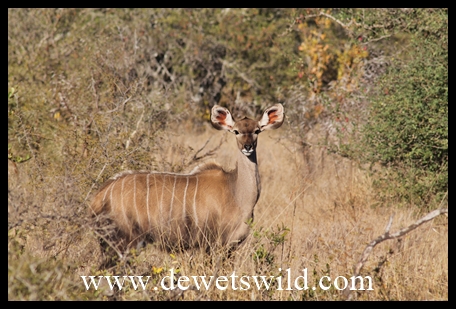
Kudu calf
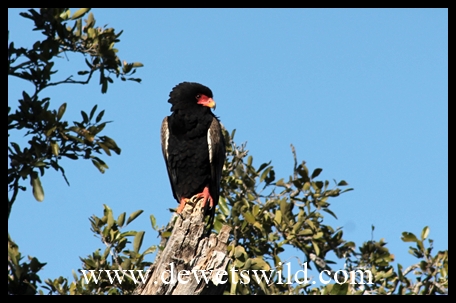
Bateleur

Giraffe bull
For Niel and I it was time to head back to the city, but Kruger had one more surprise in store for us on the way to Phalaborwa Gate. Masthulele, currently the biggest of Kruger’s Tuskers, accompanied by two younger bulls, was enjoying a drink from a pool in one of the dry river courses. How nice it was to bump into this familiar old friend!
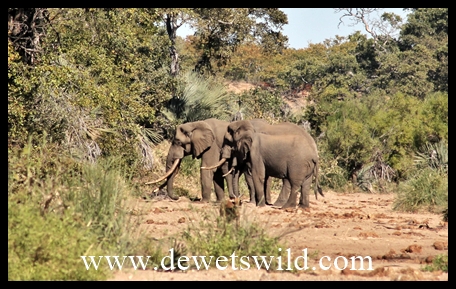
Masthulele

Crocodile at Sable Dam
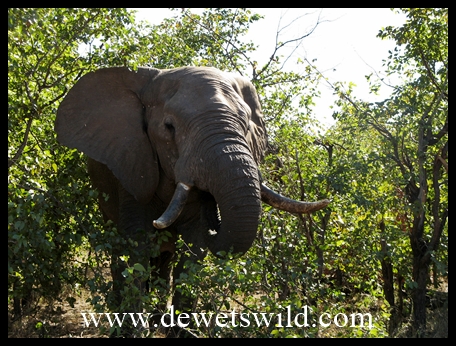
I took this photograph of an elephant bull with widely splayed tusks just outside of Letaba Rest Camp on our way out of the Kruger National Park yesterday, after my brother Niel and I had completed the Olifants Wilderness Trail (more on our fantastic trail experiences to follow later!).
 DeWetsWild