Nestled along the Matjulu Spruit, in the mountainous south-western corner of the Kruger National Park, just 12km from the Malelane Gate, lies the aptly named and very popular Berg-en-Dal Rest Camp (Afrikaans for “Mountain-and-Valley”).

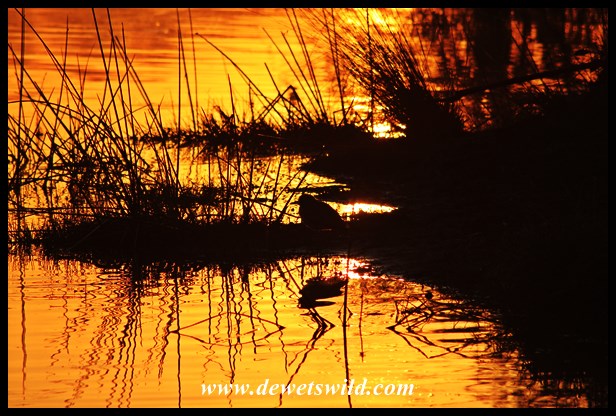
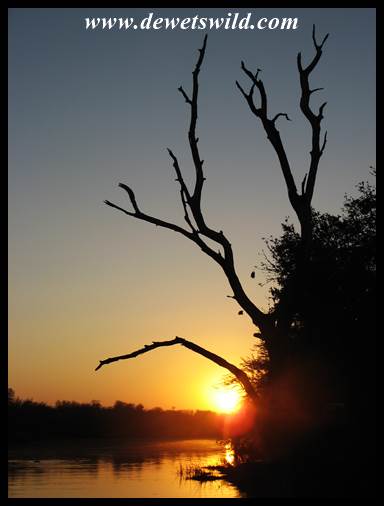
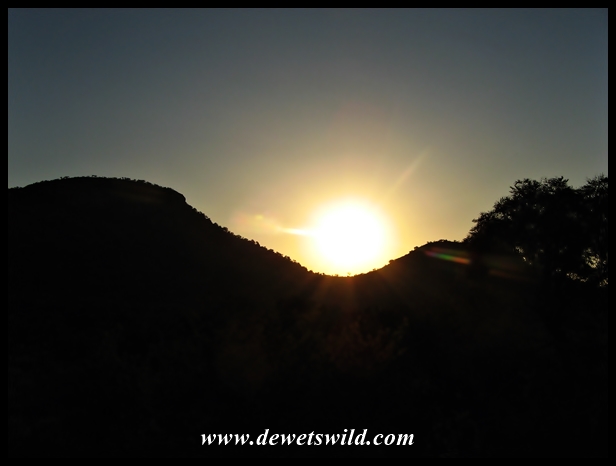
Berg-en-Dal scenery

Berg-en-Dal scenery
When it opened in February 1984, Berg-en-Dal’s face-brick architecture was a considerable departure from the “traditional” appearance of other Kruger camps. The camp’s buildings blend in perfectly with the mountainous surroundings and the small dam at the central visitor complex is a popular attraction to visitors who enjoy quietly watching a wide variety of game and birds come to the water.

Berg-en-Dal entrance

Berg-en-Dal dam
The camp covers an area of approximately 24 hectares, in which the natural vegetation has been preserved as far as possible, providing both privacy and a closeness with nature to Berg-en-Dal’s guests. The camping area has space for up to 70 caravans and tents, and accommodation is available in 69 bungalows, 23 cottages and two luxury guest houses. Facilities available include a restaurant and take-away kiosk, shop, fuel station, conference facilities, laundromat, swimming pool and amphitheatre in which wildlife films are shown in the evenings. Guided game-viewing drives and bush walks (the only way to see some of the San rock art found in the area if you are not booked on the three-night Bushman Wilderness Trail) can be booked in advance or at reception. In the reception building, the information centre provides fascinating insights into the biology and conservation of the black and white rhino. A new picnic facility for day visitors has recently been opened just a short distance from the camp, on the way to Malelane Gate.

Berg-en-Dal Accommodation

Berg-en-Dal Accommodation

Berg-en-Dal Camping

Berg-en-Dal film show

Berg-en-Dal Rhino Hall

Berg-en-Dal Rhino Hall

Berg-en-Dal Rhino Hall
The Rhino Trail meanders from the dam at the restaurant along the camp’s fence for a total distance of over 2km, exposing guests to a wide variety of aromatic bushes and trees with frequent sightings of Berg-en-Dal’s avian inhabitants and sometimes even encounters with big game, safely on the other side of the electrified perimeter fence. The first part of the trail, about 600m in length, is made accessible to visually impaired nature enthusiasts by a guide rope linking displays and braille information boards.

Poignant memorial on the Rhino Trail

Wildlife encounter on the Rhino Trail

Wildlife encounter on the Rhino Trail – African Leopard Butterfly

Wildlife encounter on the Rhino Trail
Malelane is a small camp just 3km from the entrance gate with the same name, and 9km from Berg-en-Dal. The name means “out-of-sight”, referring to the outpost of warriors posted here to protect Swazi interests in the area in pre-colonial days. Agricultural and industrial development across the Crocodile River, which forms the southern border of the Kruger Park, unfortunately do detract from the visitor experience at this otherwise lovely camp and was a deciding factor in the National Parks Board opting to build Berg-en-Dal in the hills nearby. The Malelane of today is much smaller than the original camp, offering five bungalows and 15 campsites compared to the original camp of 25 huts and 30 camping sites, and does not offer any of the other amenities available at Berg-en-Dal.

Malelane Gate

Guarding the entrance to Malelane Camp

Malelane Camp

Malelane Camp
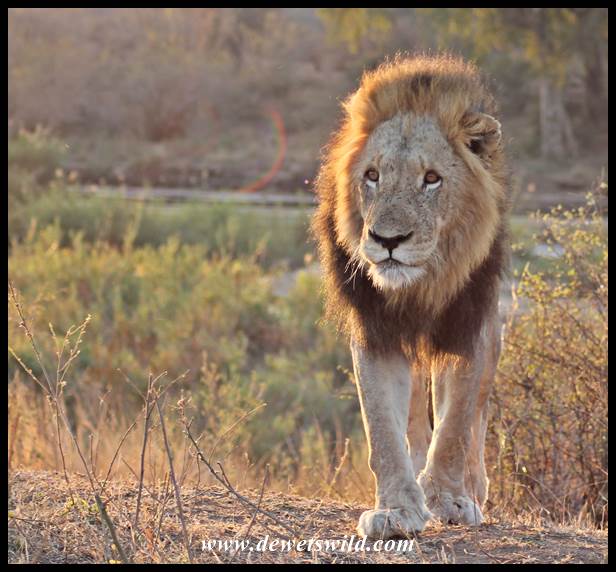
Game-viewing in the scenic surroundings of Malelane and Berg-en-Dal can be a richly rewarding experience. Lion and hyena are often seen, but it is leopards and wild dogs that the area is renowned for. Kudu, giraffe and impala, being browsing animals, are frequently encountered, while elephant and buffalo are attracted to the area by the relative abundance of water. A firm favourite (late afternoon) destination with many visitors is the Matjulu waterhole just 4km from Berg-en-Dal, where they while away the last minutes of sunlight before heading back to camp before the gates close for the night. Further afield the H3 main road through to Afsaal picnic site, and the gravel roads to the east of it linking up with the gravel S114-road to the Biyamiti causeway (and onwards to Skukuza) and the S25 that leads to Crocodile Bridge, seldom fails to deliver something exciting.

Afsaal Picnic Site

Berg-en-Dal scenery

Pied Kingfisher

Berg-en-Dal scenery

Elephant

White rhinoceros

Buffalo

Spotted hyena

Berg-en-Dal scenery

Crossing the Mlambane Spruit on the S114

Crossing the Mlambane Spruit on the S114

Berg-en-Dal scenery

Biyamiti weir

Biyamiti weir

Kudu

Giraffe and Berg-en-Dal scenery

Berg-en-Dal scenery

Ragged African Wild Dog