Our December 2019 bush breakaway concluded at the Hluhluwe-Imfolozi Park, one of the oldest game reserves in Africa and a place that is very dear to our hearts. We spent five nights there, accommodated in Chalet #16 at wonderfully wild Mpila Camp.

Welcome to Mpila

You should take this warning seriously!

Chalet 16 at Mpila in the Hluhluwe-Imfolozi Park, December 2018
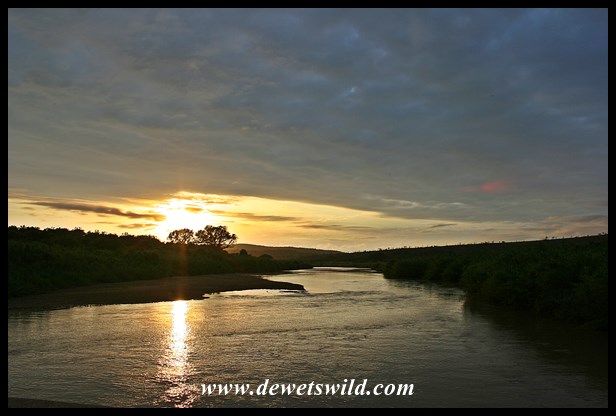
Hluhluwe-Imfolozi is looking as green and lush as we’ve ever seen it, with the rivers flowing strongly, and that is a heartening sight to behold considering that not so long ago the Park was in the grips of a terrible and prolonged drought that tested the metal of plant and animal life alike. Compare the images in the gallery below with those we took during a visit in 2015, at the height of the drought.

Waterhole at Mphafa Hide

Imfolozi Sunrise

Sunrise over the Black Mfolozi River

A wide bend in the Black Mfolozi

Marula fruit

Sickle Bush bloom

Sweet Thorn blossoms

A view over the White Umfolozi River with a herd of buffalo on the banks

View from Siwasamikhosikazi picnic site

Having fun at Hluhluwe-Imfolozi Park

View over the valley of the Nzimane River
A place as magnificent as Hluhluwe-Imfolozi is home to a countless variety of wildlife. Depicted in the following gallery is just a smidgen of the array of invertebrate life that crossed our path during our visit – we enjoyed them all of course, except those pesky mosquitoes… Regular spells of rain resulted in eruptions of termite and ant alates taking to the wing to establish new nests, providing a glut of food for a wide variety of insectivorous fauna.

Bagworm – larval stage of a moth in the family Psychidae

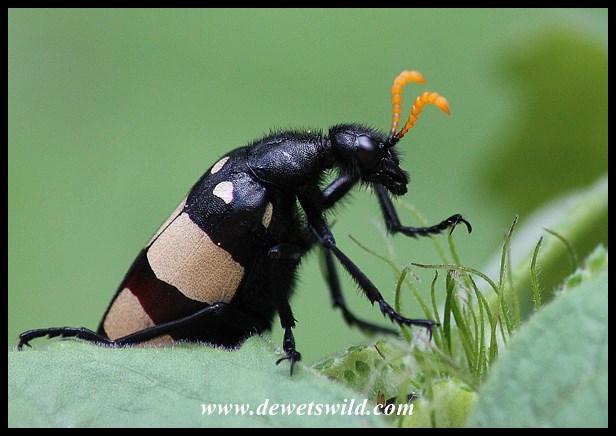
Black-striped Hairtail

Caterpillar on an aloe branch

Giant African Land Snail

Grasshopper of the family Pamphagidae – probably a female as they are wingless

Matabele Ants

Termite alates taking flight

Tick
The warm, wet weather and ample insect buffet meant that amphibians and reptiles were quite regularly seen, especially in the camp and at other places where you are allowed to exit your vehicle. These ranged in size and danger from frogs and geckos to monitor lizards and nile crocodiles and even a snake or two.

Foam Nest Frog nest

Raucous Toad

Common Dwarf Gecko

Giant Legless Skink

Striped Skink

Spotted Bush Snake inside our chalet at Mpila

Rock Monitor

Nile crocodiles on a sandbank in the Black Umfolozi River
Hluhluwe-Imfolozi is a bird paradise at any time of year, and even more so during the warm summer months when their numbers swell with migrants from northern latitudes. These are just a few of the over 100 species we recorded during this visit.

Black Cuckoo-shrike (female)

Black-bellied Bustard

Black-winged Kites

Blue Waxbill

Brown Snake Eagle

Brown-hooded Kingfisher

Burchell’s Coucal

Cape Turtle Dove

Cape White-eye

Chinspot Batis (female)

Crested Barbet

Crowned Hornbill

Dark-capped Bulbul

Egyptian Goose

Emerald-spotted Wood Dove

Familiar Chat

Golden-breasted Bunting

Grey-headed Sparrow

Hadeda Ibis nest at Mphafa hide (photo by Joubert)

Hamerkop silhouette

Hamerkop (photo by Joubert)

Helmeted Guineafowl

African Hoopoe

Lappet-faced Vulture

Lesser Spotted Eagle

Lesser Striped Swallow

Long-tailed Paradise Whydah (male in transitional plumage)

Mocking Cliff Chat

Namaqua Dove

Female Red-backed Shrike

Red-billed Oxpecker

Red-billed Quelea pair

Red-billed Teals

Red-breasted Swallow

Red-chested Cuckoo (photo by Joubert)

Red-winged Starlings raiding Village Weaver nests, presumably for nesting material

Rufous-naped Lark

Sabota Lark (photo by Joubert)

Scarlet-chested Sunbird

Secretary Bird (photo by Joubert)

Southern Masked Weaver (female)

Spotted Eagle-owl

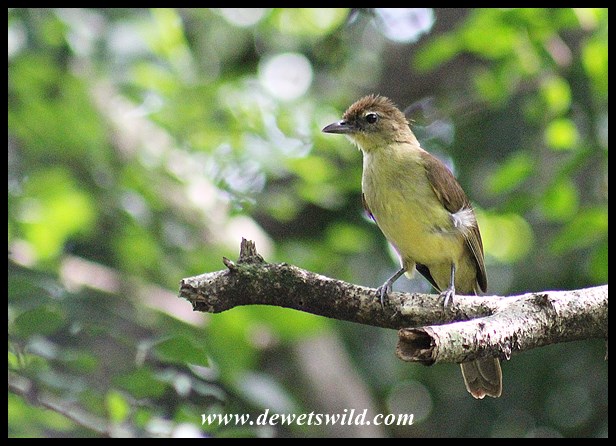
Ashy Flycatcher

Steppe Buzzard

Steppe Buzzard (photo by Joubert)

Steppe Eagle (photo by Joubert)

Tawny Eagle (photo by Joubert)

Tawny (front) and Wahlberg’s (back) Eagles sharing a tree

Three-banded Plover

Trumpeter Hornbills

Village Weaver (male)

Violet-backed Starling (female)

Water Thick-knees at Bhejane Hide

Wattled Lapwing

White-backed Vultures near Mpila

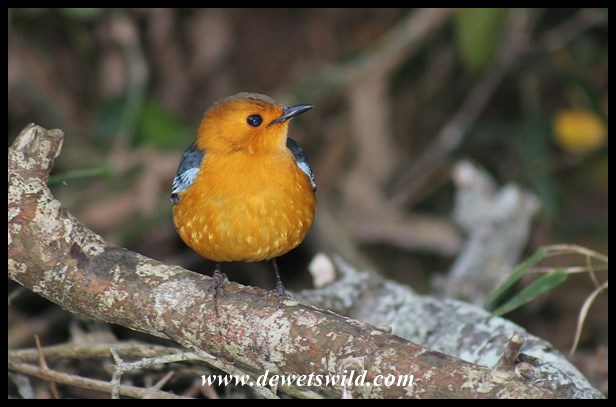
White-browed Scrub Robin

White-crested Helmetshrike

Woolly-necked Stork

Yellow-billed Kite (photo by Joubert)

Yellow-fronted Canary

Yellow-throated Longclaw

Yellow-throated Bush Sparrow
What would an African game reserve be without charismatic big mammals? Hluhluwe-Imfolozi certainly delivers on that score, but the occasional and usually unexpected glimpses of small or lesser seen furry creatures – mice, hares, bats and the like – can be just as pleasing!

Baboon male

African buffalo

African buffalo (photo by Joubert)

Elephant herd on the move

Big elephant bull in musth

Elephant drinking at Bhejane

Giraffe bull

Grey Duiker

Proud Impala Ram

Fighting Impala Rams (photo by Joubert)

Mauritian Tomb Bats

Nyala ewe

Scrub Hare

Single-striped Grass Mouse

Spotted Hyena

Spotted Hyena

I did it my way…

Thieving Vervet Monkey with a stolen bounty (photo by Marilize)

Playful warthog piglets at Mpila (photos of Joubert)

Warthog enjoying a scratch after a mudbath

White Rhinos

White Rhino

White Rhino
Even the magnificent King of Beasts provided us a few memorable encounters, and the lions at Hluhluwe-Imfolozi definitely are as regal as any elsewhere on the continent.

Beautiful male lion

Beautiful male lion (photo by Joubert)

The King and Prime Minister of Imfolozi

Young male lion on the move

Young male lion on the move

Young male lion on the move

Young male lion on the move

Young male lion on the move
A visit to Hluhluwe-Imfolozi is just never long enough, no matter how long we stay. We exited the Park at Memorial Gate as we headed back to Pretoria to spend Christmas with our family, which of course is always a great treat, but truth be told it would have been so much nicer if the rest of the family could’ve joined us in HIP to spend Christmas in paradise…

The route from Pretoria to Memorial Gate
(drawn with Google Maps)
-28.306111
31.868056