Tag Archives: view sites

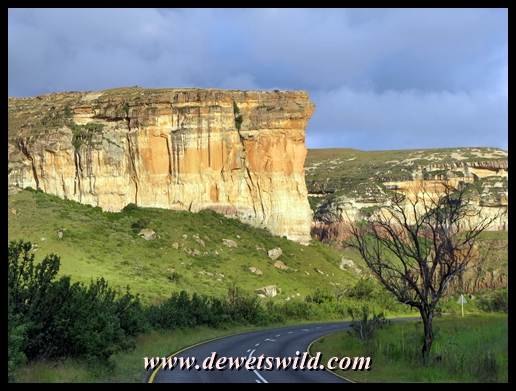
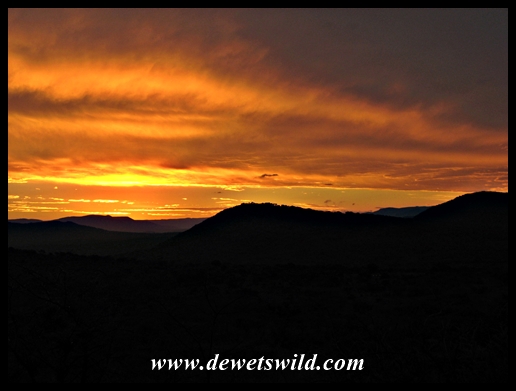
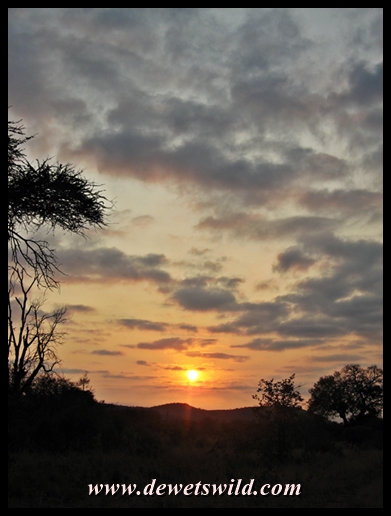
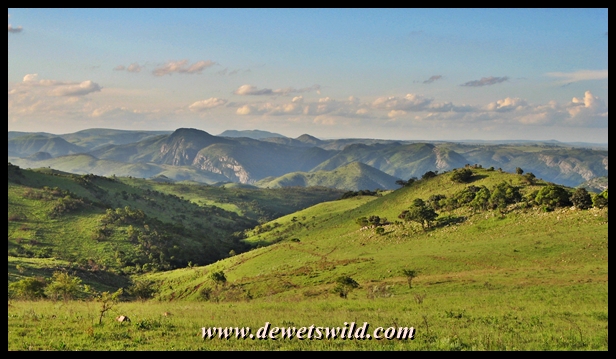
Cloudy Golden Gate, 28 December 2013

Today was our last full day to spend in the Golden Gate Highlands National Park – of this visit in any case. 😉

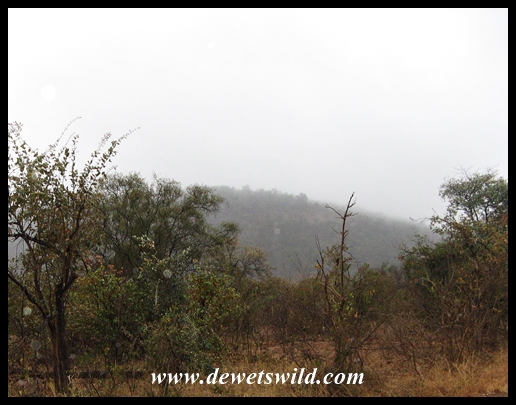
Tonight we think the fantastic cloud formations that passed over the beautiful mountain landscapes deserves some special attention…

(you can click on any of the images to view them in a carousel gallery)

Punda Maria Rest Camp, Kruger National Park

Punda Maria, the Kruger National Park’s northern-most rest camp, is a unique place rich in character, history and natural beauty.

Pafuri

Pafuri

In 1919 Captain JJ Coetzer, after serving in the military in East Africa, was appointed to a new ranger post in the north of the then Shingwedzi Game Reserve. He named his base, at the Shikokololo fountain at the foot of Dimbo Hill, Punda Maria – a combination of punda milia, Swahili for zebra, after the first animals he encountered in the area, and his wife’s name, Maria, who reportedly loved wearing striped dresses.

Pafuri

Pafuri

The original lattice-and-mud, white-washed walls and thatched roofs of the accommodation units constructed in 1933 are still used to house guests today. The interiors of the units were modernised in the 1980’s without altering the exterior appearance, preserving Punda Maria’s wilderness outpost atmosphere. The camp also offers two comfortable family cottages and seven two-sleeper safari tents, as well as a large camping area at the foot of the hill. Facilities in the camp includes a small shop, restaurant, filling station, laundry, swimming pool and a hide overlooking a flood-lit waterhole next to the perimeter fence. Guided drives and walks are available and the self-guided Paradise Flycatcher Trail that meanders through a piece of natural vegetation on the hillside within the camp allows an opportunity to get close to the small animals and numerous birds that call Punda Maria home.

The area around Punda Maria is exceptionally rich in plant, animal and bird life and is renowned for its scenic splendour.


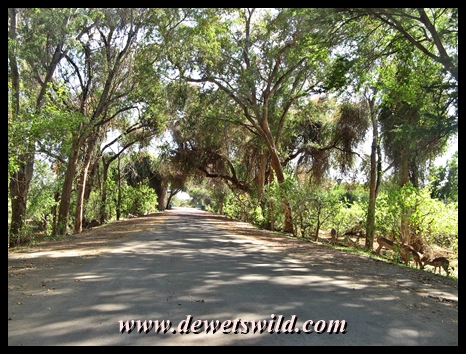
Mahonie Loop is one of the prettiest drives in the Kruger National Park. The loop goes around Dimbo Hill, passes three waterholes and crosses several small streams. Even though the entire route is less than 30 kilometres in distance, there’s so much to see and enjoy that it usually takes several hours to complete.


To the south-east of Punda Maria, in the direction of Shingwedzi, Dzundwini hill rises from the surrounding mopane plains. Dzundwini Loop passes between the hill and a series of fountains that attract good numbers of game, especially during the dry season, and a short cul-de-sac takes one high up onto the hill to a scenic vantage point.

Dzundwini

Dzundwini

Dzundwini

Dzundwini

Close to camp, on the S60 heading towards Pafuri, lies the long, flat hill of Gumbandebvu, regarded as sacred and haunted. The hill is named after a chief who’s daughter, Khama, was reputed to have had the gift of rain-making.

Khama working her rain-making magic over Gumbandebvu

Khama working her rain-making magic over Gumbandebvu

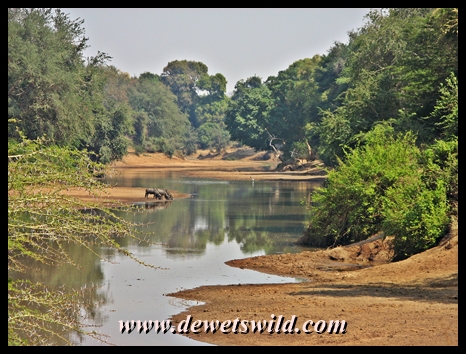
No visit to the North of the Kruger National Park would be complete without a pilgrimage to Pafuri. This is one of the Kruger’s most unspoilt areas and is regarded as one of the best birding locations in the entire country. The Pafuri Picnic Spot is a peaceful place to enjoy a leisurely meal or cool drink, watching the waters of the Luvuvhu River flow slowly past, with only the constant twittering of colourful birds, the call of a fish eagle, the bark of a baboon or the snort of a hippo to break the silence.

Thulamela, located on a hill overlooking the Luvuvhu River at the end of the short Nyala Loop, was a 16th century citadel from the same culture responsible for Great Zimbabwe. Artifacts found on the site is evidence of trade between this sophisticated hierarchical society and places as far afield as India, China and West Africa. Guided tours of the ruins can be undertaken from Punda Maria.

Thulamela Hill

Thulamela Hill

At the confluence of the Luvuvhu and Limpopo Rivers three countries meet – South Africa, Mozambique and Zimbabwe. Because all kinds of smugglers, bandits and poachers from the late 1800’s and early 1900’s could evade capture by the law-enforcement authorities of these countries by simply slipping across the borders, the area quickly became known as “Crook’s Corner”.

Crooks Corner

Crooks Corner

Crooks Corner

Crooks Corner

If you long to touch the wilderness, if you want to experience the Kruger National Park at its uncluttered wildest and if your pioneering spirit wants to drift back to more romantic times, then ensure that you include Punda Maria in your Kruger Park itinerary!

Pafuri

Pafuri

Ezemvelo Nature Reserve

We recently made our first visit to the privately owned Ezemvelo Nature Reserve, located just over 70 kilometres to the east of Pretoria, near the town of Bronkhorstspruit.

Ezemvelo entrance

Unfortunately the last twenty kilometres to the reserve’s entrance was a bone-shaking, teeth-rattling gauntlet along an extremely corrugated gravel road and we suspect many visitors turn around before they reach the reserve because of it. That’s a real pity, as we quickly found out that Ezemvelo is a gem of a place.

Ezemvelo scenery

The reserve protects a fairly sizeable piece (4000 hectares) of typical Highveld grassland vegetation interspersed with wooded “koppies” (hills), and is watered by the Wilge River and some of its smaller tributaries. This diversity of habitats allows Ezemvelo to host a wide variety of game, including leopard, brown hyena, and both black and blue wildebeest, and almost 300 bird species have been recorded here.

Visitors can take on one of the many walking trails or cycle around the reserve to their heart’s content. Guided horse trails and day-or night game drives can be arranged, but the reserve also has an extensive network of roads that you can traverse in your own vehicle (though some sections are more suited to vehicles with high ground clearance). A swimming pool, dam (for fishing), putt-putt course and picnic sites are all available for visitors’ enjoyment. Chalet accommodation and a very shady and inviting camping area are available near the main reception complex, which also has a little shop with limited supplies. The two rustic hiking huts are beautifully located below a cliff and overlooks a pool in a small stream that is obviously a popular watering hole for many animals, while the three family huts nearby are situated in a rocky environment high above the river course below.


On the whole we were very impressed with Ezemvelo Nature Reserve. It offers a relaxing atmosphere, great facilities, a variety of experiences, good sightings of a wide variety of birds and animals and inspiring scenery. We will definitely return (but next time we’ll just phone ahead to hear what condition the access road is in).

Ezemvelo scenery

Oribi Gorge

The deep valley of the Umzimkulwana River is one of the most spectacularly scenic areas of Kwazulu-Natal. Known as the Oribi Gorge, this haven for nature lovers and thrill seekers is located just over 20 km inland from Port Shepstone, on the Natal South Coast.

Oribi Gorge

Oribi Gorge

The Oribi Gorge Nature Reserve, under the auspices of Ezemvelo KZN Wildlife, the provincial conservation authority, was proclaimed on the 1st of April 1950 (having been protected as the Umzimkulwana State Forest since 1928). The reserve covers 1,917 hectares, the majority of which lies inside the valley of the Umzimkulwana, which meanders for a distance of almost 27km through the reserve. The gorge itself varies in width from a half to one kilometer and is up to 400 meters deep in places. Habitats in the reserve comprises mostly coastal forests, with grasslands covering the plains around the gorge, providing a safe home to a wide variety of flora, with over 500 species of plant identified, and fauna, which includes rarities like the samango monkey and blue duiker, and over 250 species of birds. Some lucky visitors even encounter leopard from time to time, or caracal like we did. Accommodation and camping is available in a small rest camp, complete with a reservoir swimming pool, while there are numerous beautiful picnic spots and view-sites along the tar road that travels down into the gorge along an old elephant path. The reserve is best explored along the many hiking trails that radiate through the gorge.

On the property of the Oribi Gorge Hotel are a number of sites, accessible for a small fee, offering spectacular views over the gorge and the river far below. It is also home base to Wild 5 Adventures, a company specialising in outdoor adventure activities. Thrill-seekers can enjoy abseiling down a cliff next to a waterfall or white-water rafting, a zipline crossing a portion of the gorge, or the highest swing in the world, at 165 meters!

At the privately owned Lake Eland Game Reserve, where accommodation and camping, and a restaurant, is available, visitors can enjoy picnics, self-drive or guided game and bird viewing, cycling, horse riding and fishing. The 80 meter long suspension bridge over a section of the gorge gets the heart racing, while the 4.5 km zipline tour, the longest in Africa, of which one section crosses 300 m across the gorge, is probably not for the faint-of-heart…

With the beaches of the South Coast less than half-an-hour’s drive away, and offering such a variety of leisure and adventure activities while surrounded by natural beauty, the Oribi Gorge definitely is an attractive holiday destination for the whole family.

Kruger National Park, September 2013.

Yes, we’ve been to the Kruger National Park again…

Our Heritage Day long weekend in Kruger started early, on the morning of Friday the 20th of September, waiting at Phalaborwa for the gate to open. Formalities completed, our chosen route took us along some of the less traveled gravel roads in the area to Letaba Rest Camp, where we’d spend our first night in the Park.

We spent the afternoon traversing the roads around the camp, soaking in the peaceful atmosphere and spending some time with our favourite Letaba resident, the big tusker Masthulele, and Hlahleni, one of the pretenders to the throne.

Come Saturday morning, we were on our way to Punda Maria, Kruger’s northern-most rest camp. A cold front was heading for the lowveld, and strong gusts of wind accompanied us all the way. Good sightings of elephants and some of Kruger’s rare antelope species, and a variety of other animals and birds, kept us entertained on the long drive northwards, and we arrived at “Punda”, where we were joined by Marilize’s parents and would be staying for the next three nights, just in time for the 2PM check-in time.

(We’ll dedicate a special post to Punda Maria soon – the camp and the area around it has a rich and fascinating history and plenty to offer nature lovers)

No visit to the north of the Kruger National Park would be complete without a pilgrimage to magical Pafuri. And so, despite the cold front having Kruger now firmly in its cold and wet grasp, this is where we headed on Sunday. Pafuri is a lush tropical paradise next to the Luvuvhu River, a bird watcher’s heaven, with regal nyala antelope around seemingly every corner.

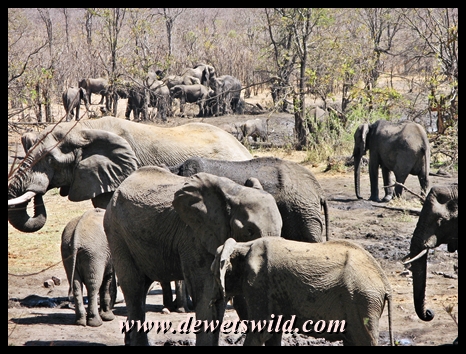
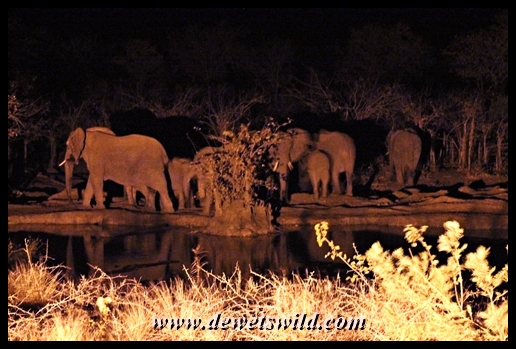
That evening, a herd of elephant spent a lazy hour or two at the floodlit waterhole next to the camp fence. You’ll understand why I blame the waterhole and the hide that overlooks it for losing quite a bit of sleep this weekend – who can sleep when there’s this much action right on your doorstep!

Elephant herd at Punda Maria's waterhole

Elephant herd at Punda Maria’s waterhole

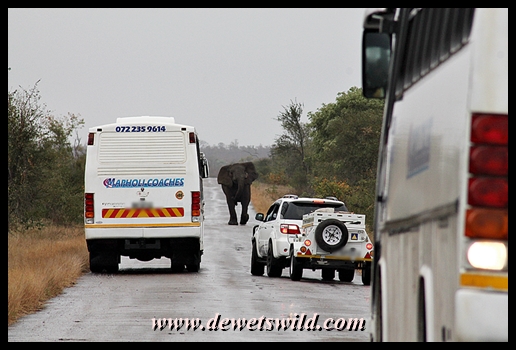
We decided to visit recently re-opened Shingwedzi on our last full day in the Park. Shingwedzi Rest Camp and its immediate surroundings was hard-hit by the January 2013 floods, and we were curious to have a look at how our favourite Kruger camp has bounced back (some photos in our “Shingwedzi after the flood” post). Along the way an extremely aggressive elephant bull showed two buses and several SUV’s exactly who is in charge of this piece of wild Africa!

Elephant roadblock on the way to Shingwedzi

Elephant roadblock on the way to Shingwedzi

The Shingwedzi area is teeming with game at the moment. We had our first ever sighting of an albino impala, and a massive eland bull spending some time in the almost dry Mphongolo River was a welcome surprise, as these large but skittish antelope are rarely seen by visitors to the Kruger Park.

Almost back at Punda Maria that evening we had a thrilling encounter with a young lion walking past a herd of elephant on the Dzundwini Loop (photo here).

See the lion?

See the lion?

Dinner was followed by some more time spent photographing Punda Maria’s nightlife instead of sleeping…

Genet, Punda Maria

Genet, Punda Maria

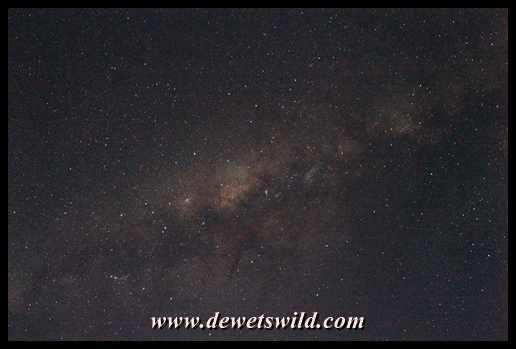
Milky Way

Milky Way above Punda Maria

But all good things come to an end and Kruger said goodbye with a magic sunrise on our way to Punda Maria Gate and back to Pretoria. Wouldn’t a scene like this also just convince that you need to get back here as soon as possible? Yes, we are already planning our next visit to Kruger National Park…

Punda Maria sunrise

Punda Maria sunrise

Infinite

The hills of Ithala Game Reserve rolling to the distant horizon…

Infinite

The theme for this week’s photo challenge is “Infinite”

Celebrating Fifty Years of the Golden Gate Highlands National Park!

Golden Gate Highlands National Park turns 50 today!

Golden Gate Highlands National Park turns 50 today!

We’re back in Golden Gate Highlands National Park, to celebrate the 50th anniversary of the Park’s founding. On this special occasion, it is good to look back on the history of this magnificent piece of South Africa.
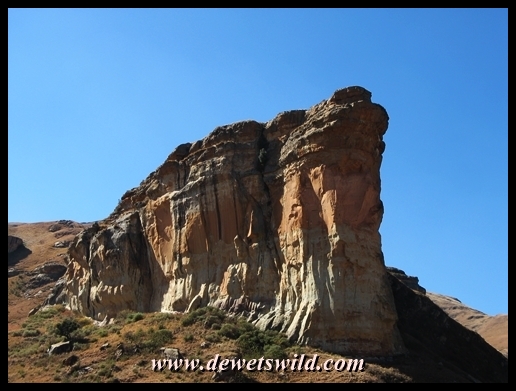
The iconic Brandwag buttress

The iconic Brandwag buttress

In December 1880 Jan van Reenen bought a farm here in the scenic Eastern Free State and, on arrival, the family found the setting sun casting a soft golden glow on the sandstone cliffs, inspiring the name “Golden Gate”.
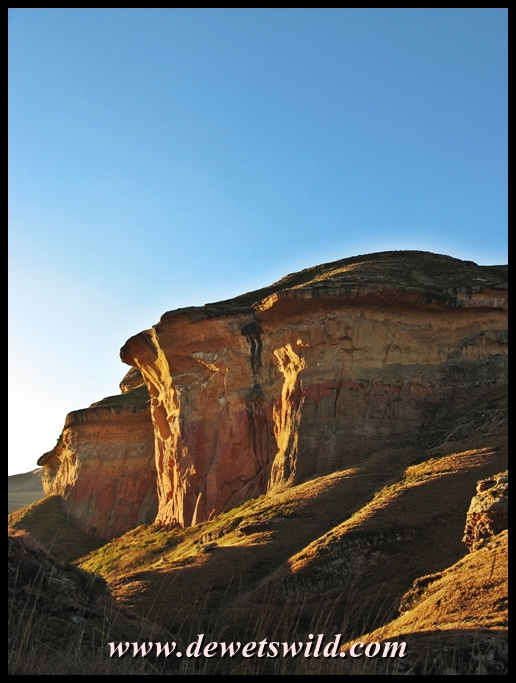
Mushroom Rocks

Mushroom Rocks

It was in March 1962 that the then National Parks Board (today called South African National Parks) decided to set aside a piece of the Orange Free State as a national park, and the beautiful and mountainous Golden Gate was identified as the best location. By September 1962 the Government announced that portions of a number of farms have been purchased for this purpose, leading up to the official proclamation of the Golden Gate Highlands National Park on the 13th of September 1963.
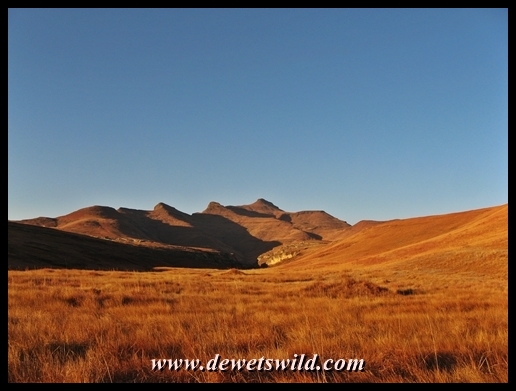
Grand Golden Gate scenery

Grand Golden Gate scenery

At its inception the park covered a mere 4,792 hectares. Additional land purchases saw the Park’s size increase to 6,241 hectares in 1981 and to 11,630 hectares in 1989. The biggest expansion occurred in November of 2008, when the neighbouring Qwa Qwa Nature Reserve (originally proclaimed in 1990 by the authorities in the former homeland of the same name) was incorporated into the National Park, increasing its size to the current 32,690 hectares. Today, Golden Gate also forms an integral part of the Maloti Drakensberg Transfrontier Conservation Area – a worthy initiative linking all the conservation areas of this mountainous region that also includes the uKhahlamba Drakensberg Park in Kwazulu-Natal Province and Sehlabathebe National Park in Lesotho, amongst others.

Golden Gate Dam

Golden Gate Dam

Golden Gate features some of South Africa’s most beautiful mountain scenery, with a considerable range in altitude (between 1800 and 2850 meters above sea level) and associated climatic conditions, located as it is in the foothills of the Maloti and Drakensberg mountain ranges. Temperatures range from an extreme -12 degrees Celsius on winter nights to 33 degrees or more on summer days, with most rainfall occurring in summer (though snow falls quite frequently in winter). The Little Caledon River and Klerk Spruit are the most important watercourses in the Park, with the layered sandstone cliffs being its most recognisable feature. The plant life is mostly grassy and herbaceous (with spectacular floral displays in spring and summer), and few large woody species – the latter being mainly confined to the narrow valleys, or “kloofs” as they are known locally, and includes some exotic specimens that are being allowed to live out their lives due to their aesthetic and historic value.
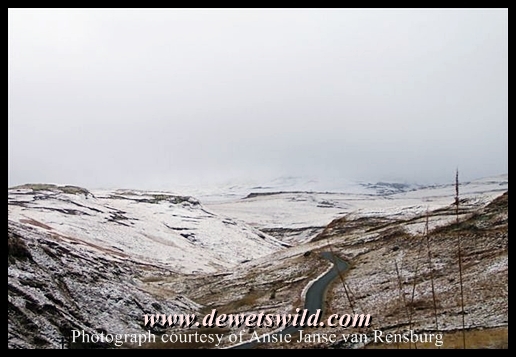
Golden Gate covered in snow
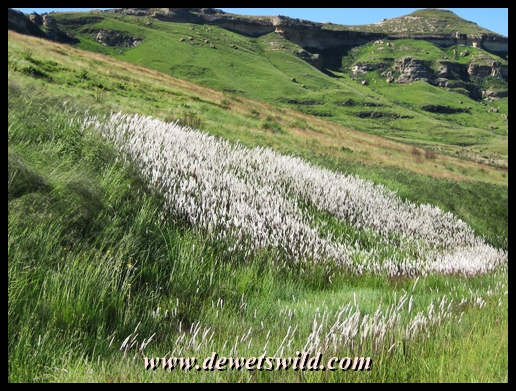
Golden Gate covered in snow

Blooming grasses
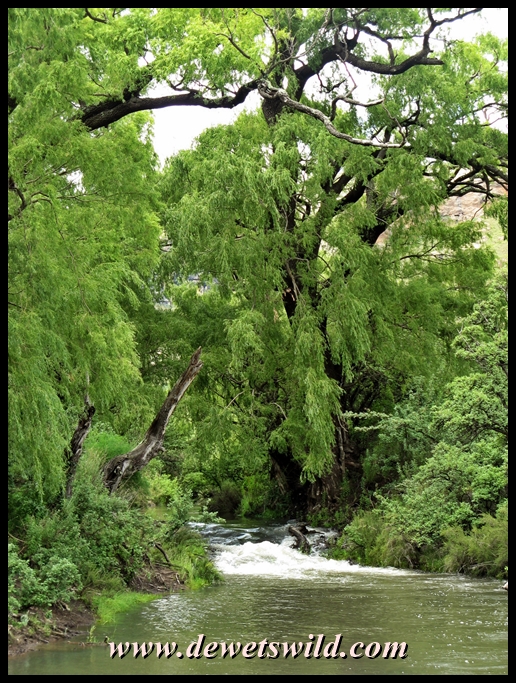
Blooming grasses

Little Caledon

Little Caledon

Brandwag Buttress

Brandwag Buttress

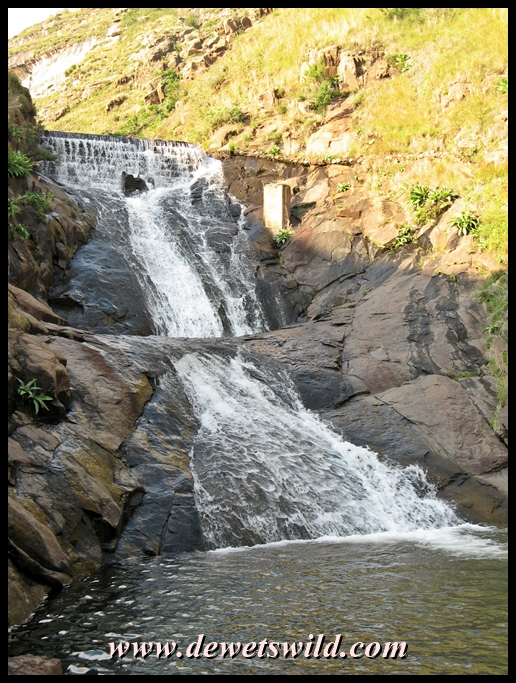
Mountain stream

Mountain stream

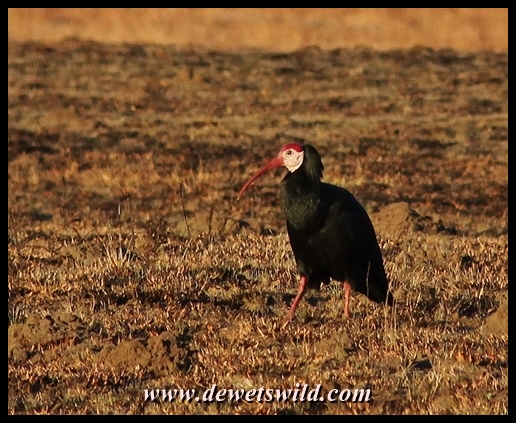
The National Parks Board quickly began reintroducing various game species that occurred here historically but had been wiped out by man prior to the park’s proclamation (although some species, like grey rhebuck, mountain reedbuck, black-backed jackal and baboon, had managed to hang on). The first animals, five red hartebeest from the Kalahari Gemsbok National Park, already arrived on the 5th of May 1963. Two other notable introductions are those of the endangered oribi, a small antelope, in 1972 and 1974, and of the sungazer, an endangered girdled lizard with a characteristic spiky appearance, during 1990. Today the park protects a huge number of plant species (there’s more than 60 species of grasses alone), a remarkable variety of insects (including 78 kinds of butterfly), two indigenous species of fish, eight kinds of amphibians, 28 species of reptile, 180 kinds of birds (including endangered species like the bearded and cape vultures, and the bald ibis) and nearly 60 species of indigenous mammals, some in considerable numbers. The game count in 2011 showed the park is home to around 2,400 blesbok, 1,400 black wildebeest, 1,000 plains zebra, 1,000 red hartebeest, 700 eland and 450 springbok, to name a few.
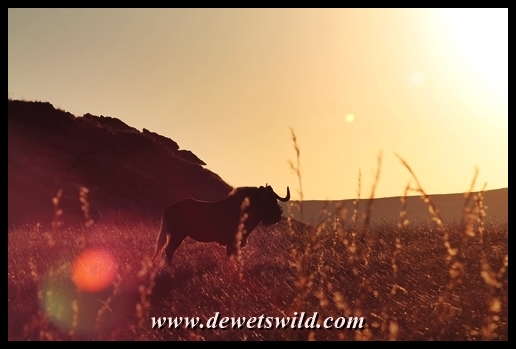
Black wildebeest at dawn
Black wildebeest at dawn

The threatened Southern Bald Ibis
The threatened Southern Bald Ibis

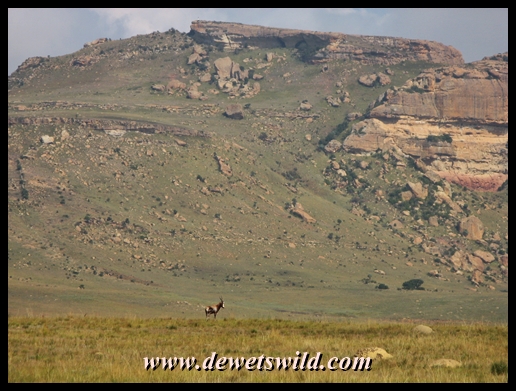
Blesbok dwarfed by Golden Gate's mountains

Blesbok dwarfed by Golden Gate’s mountains
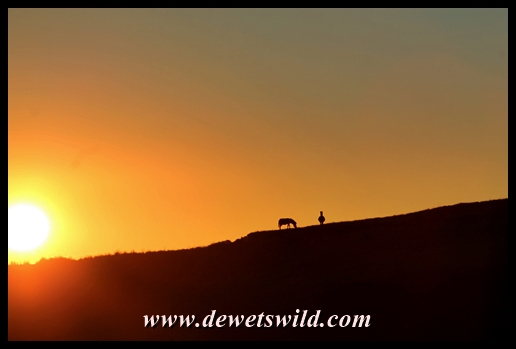
Plains zebra silhouette
Plains zebra silhouette

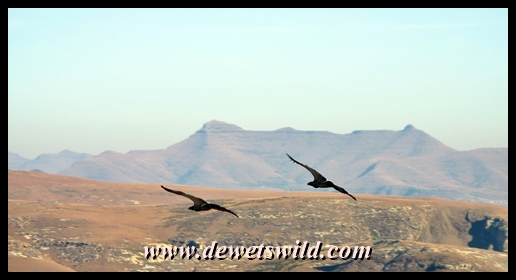
Cape griffons in flight

Cape griffons in flight

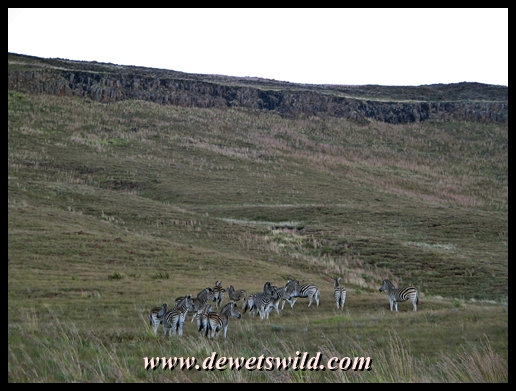
Plains zebra
Plains zebra

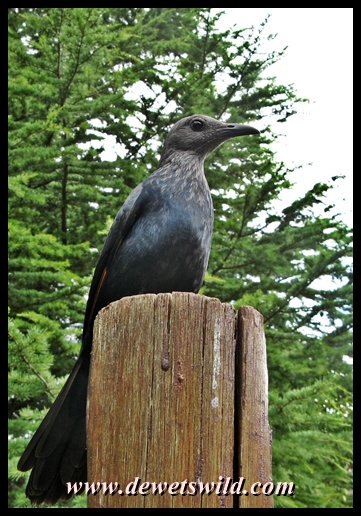
Red-winged starling

Red-winged starling

Small fry in Golden Gate

Small fry in Golden Gate

Wild flower in Golden Gate
Wild flower in Golden Gate

Plains zebra
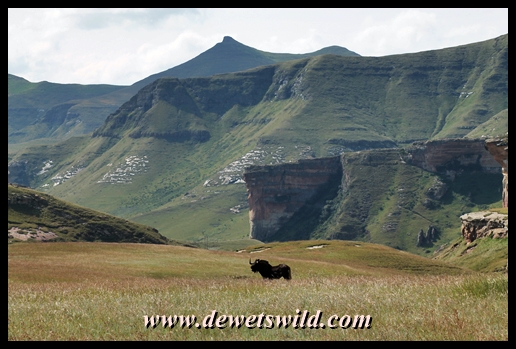
Plains zebra

Black wildebeest

Black wildebeest

Egrets over Glen Reenen
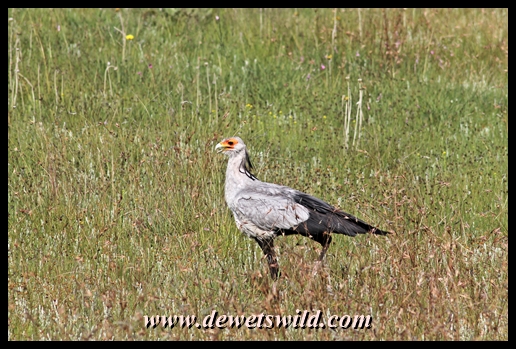
Egrets over Glen Reenen

Secretary Bird
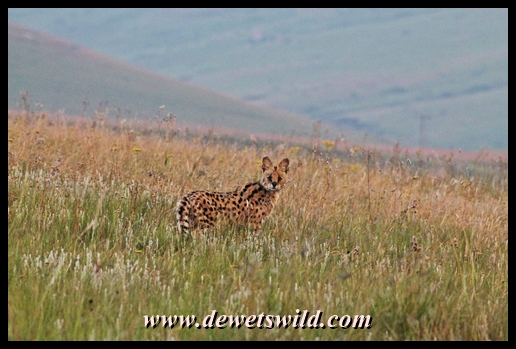
Secretary Bird

Serval

Serval

Golden Gate doesn’t only protect a grand and valuable variety of natural beauty though. The Park is world-renowned for the discovery of the oldest fossilised eggs, embryos and nesting sites of dinosaurs dating back 190 million years. Closer to the present, there’s a number of rock painting sites reminding us that this beautiful landscape was once the home of the Khoisan. The small van Reenen family graveyard is also worth a solemn visit. Golden Gate has seen its fair share of human conflict, and among the relics hikers may come across are the discarded remains of ammunition and weaponry destroyed during the Second Anglo-Boer War in the early 1900’s (during which some Boer women and their children opted to rather hide out in the caves of Golden Gate than face the perils of the British concentration camp at Harrismith after their farms and homesteads had been burned to the ground). Insight into the culture, traditions, history and lifestyle of the Basotho people can be gained by visiting the fascinating “living” museum at the Basotho Cultural Village. Differing from most other national parks in South Africa, a few local people, and their livestock, still inhabit portions of the Qwa Qwa section of the Park.
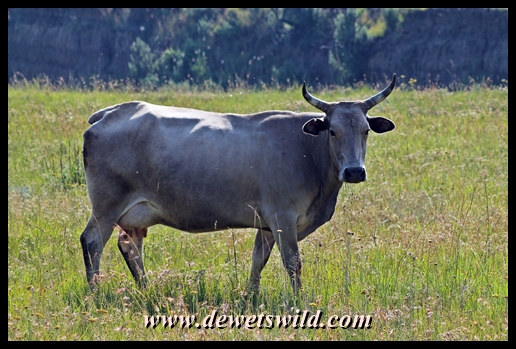
Herds of cattle roam to the Qwa Qwa section

Herds of cattle roam the Qwa Qwa section
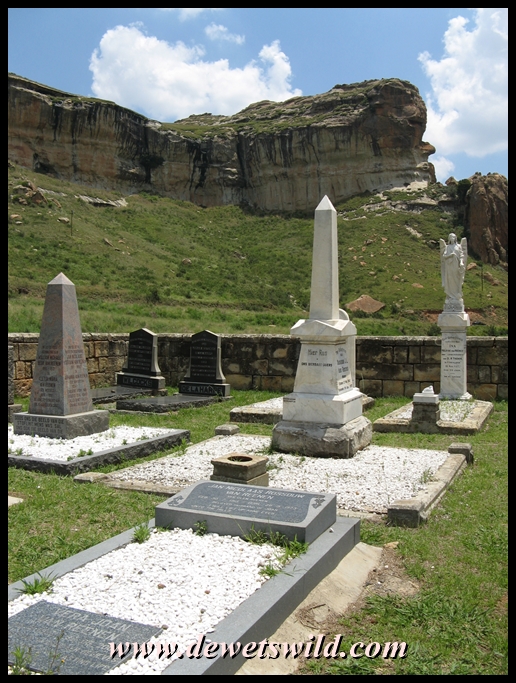
van Reenen family graveyard

van Reenen family graveyard

Glen Reenen Rest Camp provided the first tourist accommodation in the fledgling park, with the first overnight guests being housed there in converted farm buildings on the 29th of September 1963. Additional accommodation was soon constructed at Glen Reenen, and camping facilities provided. Glen Reenen was extensively upgraded, expanded and renovated during 2003 and 2004 but retains its rustic charm and farm-like character. Facilities here include a fuel station and a small shop that stocks a variety of groceries and curios.
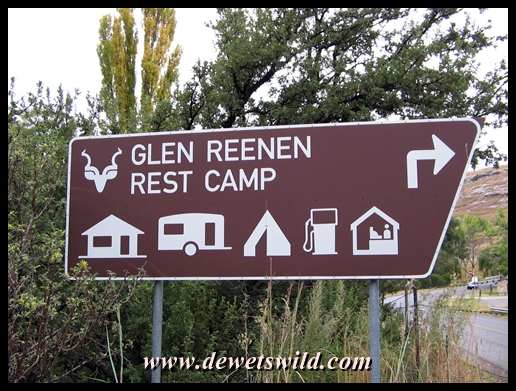
Glen Reenen
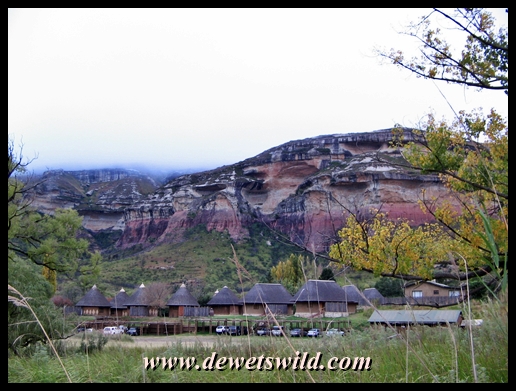
Glen Reenen

Glen Reenen
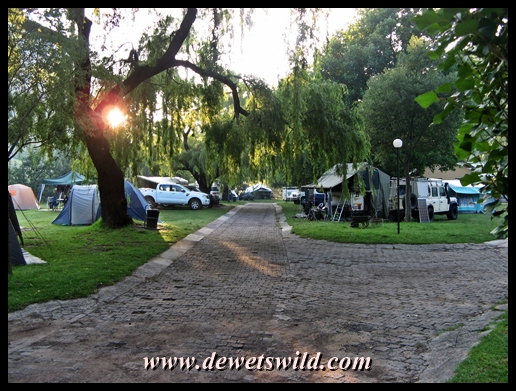
Glen Reenen

Glen Reenen

Glen Reenen

Glen Reenen

Glen Reenen

By 1968, thirty-four new self-catering chalets had been completed in the Brandwag Rest Camp below the Park’s most recognisable feature, the iconic Brandwag buttress. Work then commenced on the building of an alpine-style mountain inn to provide full service accommodation and so the Brandwag Hotel was officially opened on the 24th of March 1972. Following extensive renovations and upgrading to both the main hotel building, with its fifty-plus hotel rooms, and the chalets, this resort (complete with tennis courts and bowling greens) was renamed the Golden Gate Hotel and Chalets in 2010. Facilities now include various conference rooms, a restaurant, a coffee shop, a sports bar and a curio shop.

Golden Gate Hotel
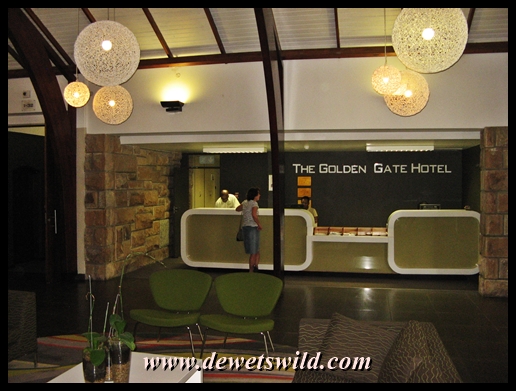
Golden Gate Hotel
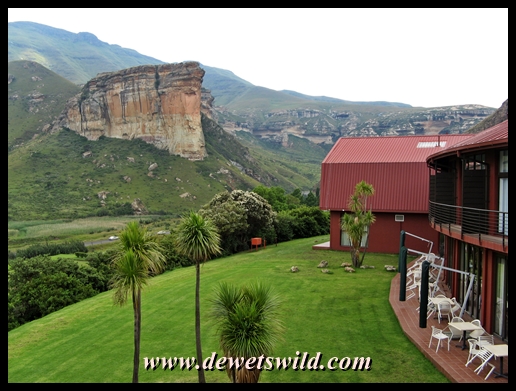
Golden Gate Hotel
Golden Gate Hotel

Golden Gate Hotel

Golden Gate Hotel

Golden Gate Hotel

Golden Gate Hotel

In the early 1980’s the Wilgenhof Environmental Education Centre came into existence, its main focus being to provide visiting school groups with a well-developed curriculum, to learn more about the value of our natural resources and the reasons for protecting the remaining few natural areas in our country and the world. Scholars are housed in dormitory-style rooms, and the facility also provides a lecture hall and kitchen.

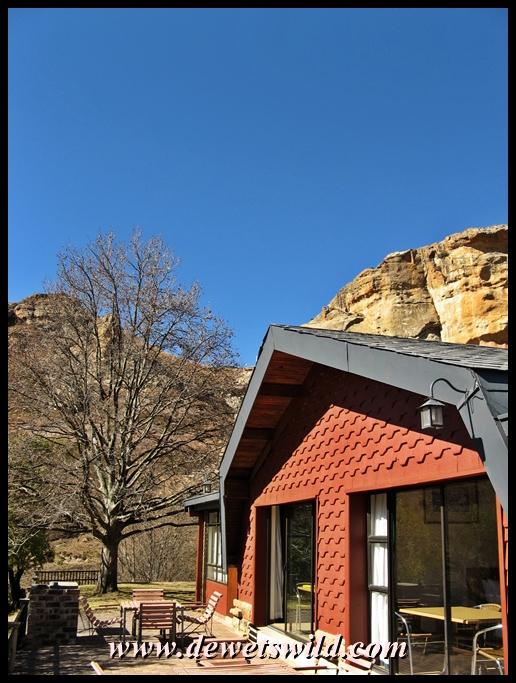
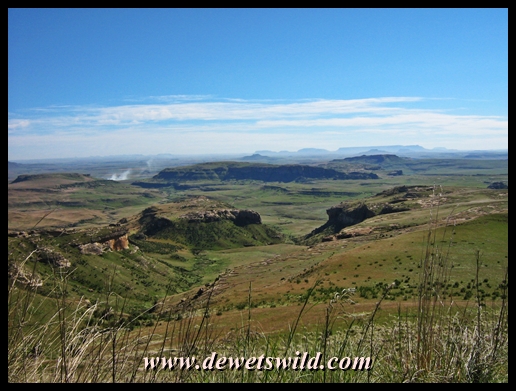
The eight self-catering log units at the Highlands Mountain Retreat is a unique accommodation option, located at an altitude of 2200m with a magnificent view over the eastern sections of the Park, and accessible only along a narrow road leading deep into the mountains. The Highlands Mountain Retreat opened to visitors in 2005.
Highlands Mountain Retreat

Highlands Mountain Retreat
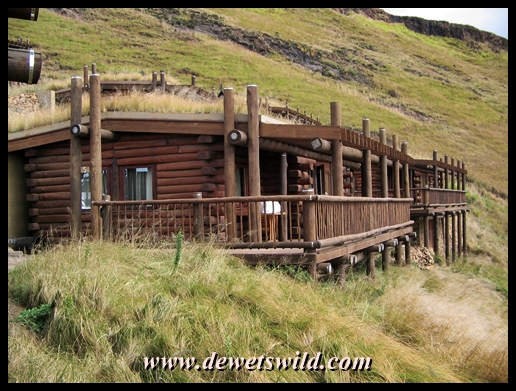
Highlands Mountain Retreat
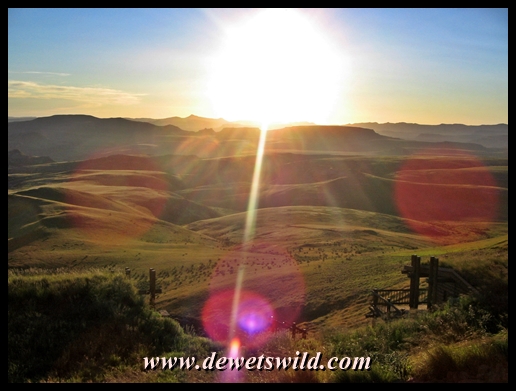
Highlands Mountain Retreat

Highlands Mountain Retreat

Highlands Mountain Retreat

Highlands Mountain Retreat

Highlands Mountain Retreat

Following the inclusion of the Qwa Qwa nature reserve in 2008, accommodation is now also available at the Basotho Cultural Village in spacious self-catering units that resemble traditional Basotho rondawels (round thatched huts).
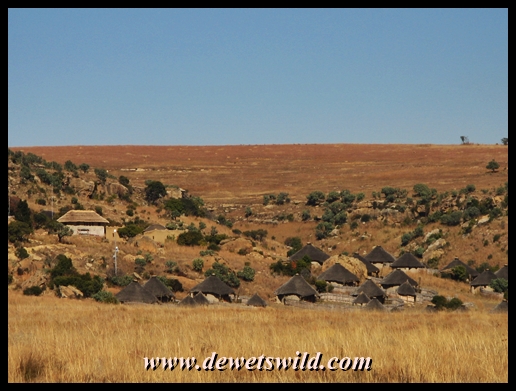
Basotho Cultural Village
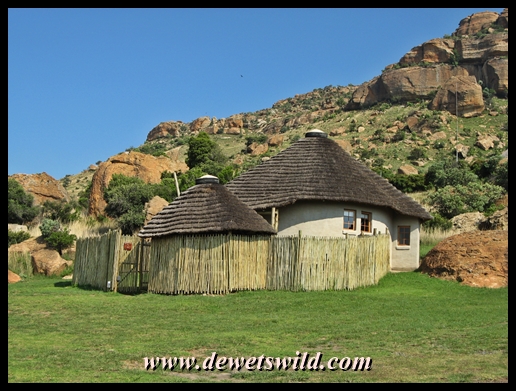
Basotho Cultural Village

Basotho Cultural Village

Basotho Cultural Village

The restored old farmstead at Noord-Brabant offers six guests secluded, private accommodation some distance from the main road leading through the Park. All the mentioned accommodation options inside the Park are managed by SANParks and is where we prefer to stay when visiting Golden Gate, but there is a wide variety of privately owned and operated accommodation options in the towns and on the farms around the Park.

The road between Glen Reenen and Harrismith, our favourite route to Golden Gate, was paved only in the mid-1990’s and allows quick three to four hour access to the Park via the N3 motorway from Durban and the major urban centres in Gauteng. The original route to the Park leads through the towns of Bethlehem and Clarens, and is certainly the most scenic option.
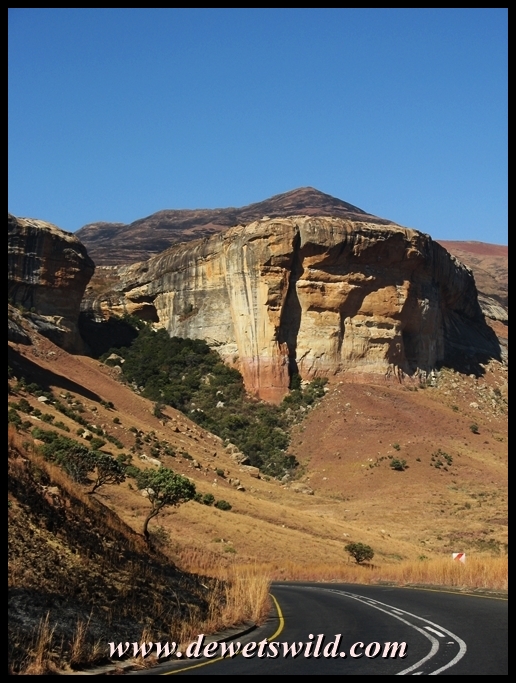
Grand Golden Gate scenery

Grand Golden Gate scenery

 At the foot of Brandwag
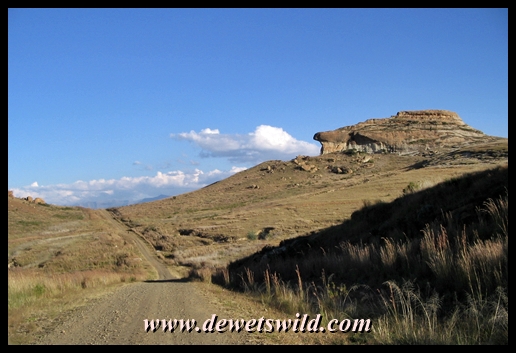
At the foot of Brandwag

The road to Kestell
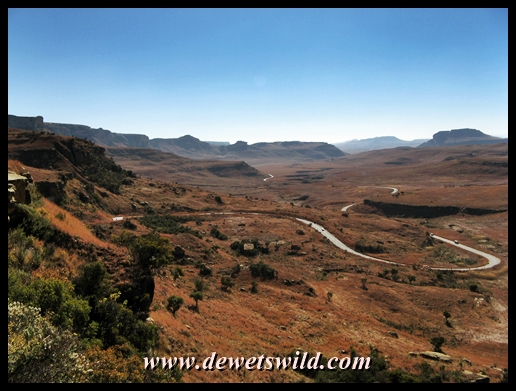
The road to Kestell

Lichens Pass

Lichens Pass

There’s a variety of outdoor activities to enjoy during a visit to Golden Gate. Horse riding has been extremely popular since the Park’s early years, as is the natural swimming pool at Glen Reenen, in a rock pool in a mountain stream (understandably the latter only during the summer months!). There’s a selection of day walks, varying in duration from one to six hours and suited to a variety of age groups and fitness levels, to enjoy, the most popular leading to the top of Brandwag Buttress. Opened in 1978, there’s also the Ribbok Hiking Trail, a 30km trail that takes two days to complete and over the length of which hikers covers a range in altitude of over 1000 meters. Up to 18 hikers can be accommodated on any given day on the Ribbok trail, where basic overnight facilities are provided in a hiking cottage deep in the mountains. Cyclists too enjoy the meandering routes through the mountains. The newly opened (2012) photographic hide at the vulture restaurant, where carcasses are provided to supplement the diets of the endangered vultures that occur here, is a highlight of any visit. Searching for the numerous game and bird species from the comfort of your own vehicle is an option definitely worth exercising, with two tarred loop roads near Glen Reenen and a gravel road to the small town of Kestell offering good sightings and magnificent views. Meriting picnic site near the park’s administrative headquarters at Gladstone is just the place to enjoy a relaxing afternoon.
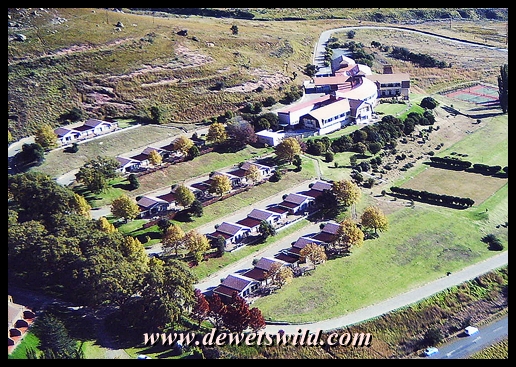
Golden Gate Hotel from the top of Brandwag
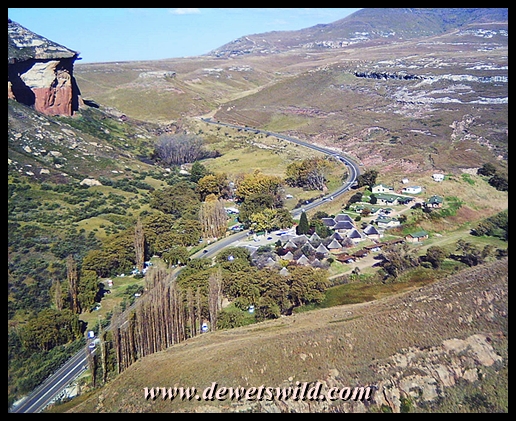
Golden Gate Hotel from the top of Brandwag

Glen Reenen from the top of Brandwag
Glen Reenen from the top of Brandwag

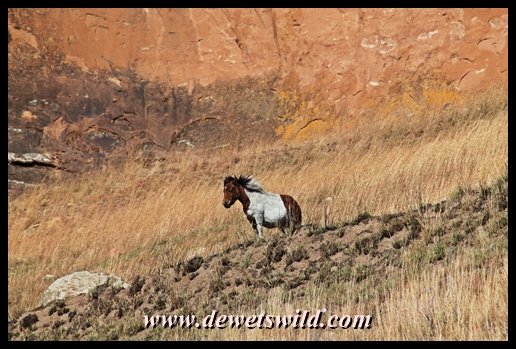
Pony surveying the Golden Gate landscape
Pony surveying the Golden Gate landscape

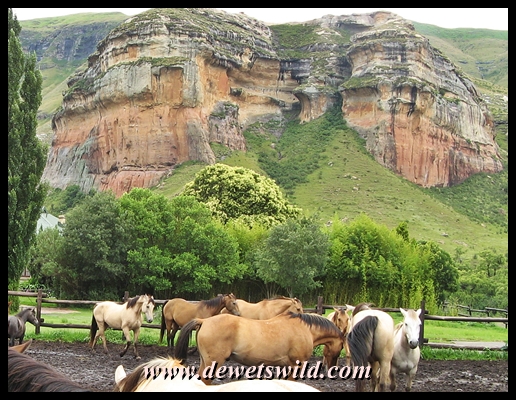
Horses at the Gladstone stable

Horses at the Gladstone stables

Gladstone stables

Gladstone stables

Hiking trail
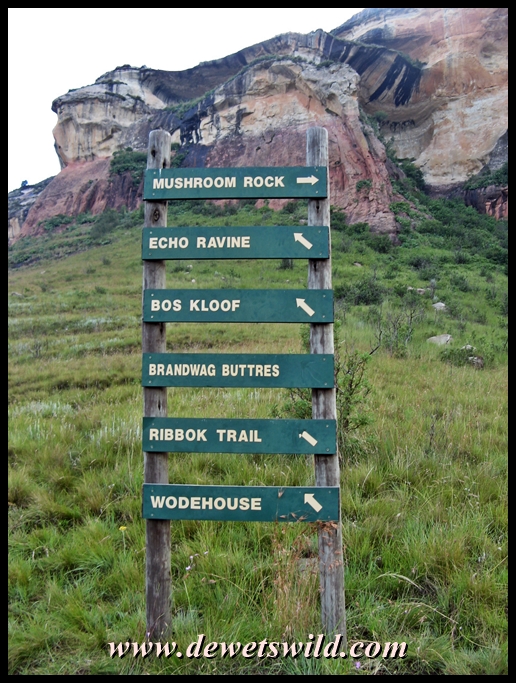
Hiking trail
Hiking trail

Hiking trail

Glen Reenen's swimming pool

Glen Reenen’s swimming pool

Vulture hide

Vulture hide

There probably aren’t very many people more in love with Golden Gate than us de Wets, but can you blame us? The Golden Gate Highlands is a spectacularly beautiful national park, one of the jewels in South Africa’s conservation crown, and may it remain so for many, many generations to come!

Umgeni Valley Nature Reserve

Umgeni Valley Nature Reserve

Umgeni Valley Nature Reserve

The Umgeni Valley Nature Reserve was established in 1976 by the Wildlife and Environment Society of South Africa. To this day it remains one of our country’s foremost environmental education centres and thousands of learners participate in a variety of courses presented here annually.

Umgeni Valley Nature Reserve

Umgeni Valley Nature Reserve

The reserve lies on the outskirts of the town of Howick in the Natal Midlands and is easily accessible from the main N3-highway. It covers an area of just 759 hectares stretching along the course of the Umgeni River below the Howick Falls (in itself worth a visit). Umgeni Valley Nature Reserve protects a variety of habitats including dense riverine thickets, open woodland, thorn-veld, grasslands and towering cliffs. Giraffe, monkeys, zebras and numerous antelope have found a home in the Umgeni Valley, and among the 270 bird species that have been recorded in the reserve are to be found raptors like the Crowned, Fish and Verreaux’s Eagles.

Reedbuck

Reedbuck

Zebra and Blesbok in Umgeni Valley

Zebra and Blesbok in Umgeni Valley

Zebra in Umgeni Valley

Zebra in Umgeni Valley

Zebra in Umgeni Valley

Zebra in Umgeni Valley

Visitors can enjoy a picnic or tackle one of the seven different walking trails of varying difficulty, fly-fishing (strictly on a catch-and-release basis), mountain biking or rock-climbing. Guided game-viewing drives are available while a gravel road (negotiable, slowly and carefully, in a standard sedan vehicle), five kilometres in length, stretches from the reserve entrance along the edge of the gorge, offering scenic views of the valley and the river below. Accommodation in the reserve ranges from the dormitories used by visiting school groups to rustic bush camps, cottages and self-catering chalets.

Umgeni Valley Nature Reserve

Umgeni Valley Nature Reserve

Howick Falls

Howick Falls

Karkloof Conservation Centre

The Karkloof has a long and rich history. Having once been on the main wagon trail linking Natal and the old Transvaal it is named for an overturned ox-wagon that became a landmark along the route in the mid-1800’s.

Karkloof Conservation Centre

Karkloof Conservation Centre

In modern times, local farmers, foresters and other landowners have joined hands to manage this beautiful piece of land in harmony with nature, establishing the Karkloof Conservancy in 1998.The conservancy covers an area of 40,000 hectares and protects wetlands, grasslands and natural forests and all manner of associated wildlife, including all three of South Africa’s endangered crane species, among a patchwork of scenic farmlands and plantations.

Karkloof Conservation Centre

Karkloof Conservation Centre

The farmers here pride themselves on their environmentally friendly farming practices and, realising the need for and value in greater public awareness of the work of the Karkloof Conservancy, a centre dedicated to the message of conservation, education and tourism was created and officially opened in October 2007. The Karkloof Conservation Centre is located at the entrance to Gartmore Farm, 15km to the north of Howick in the Natal Midlands. Gartmore and neighbouring Loskop are working dairy farms and here, among the beautiful green pastures, two bird-viewing hides overlook natural wetlands frequented by over 180 bird species (including the blue, crowned and wattled cranes) and a variety of naturally occurring small game animals. A small picnic site is available at the entrance, from where it is a short walk along a tree-lined path to the two hides.

Gartmore

Gartmore Hide

Gartmore

Gartmore Hide

Loskop Hide

Loskop Hide

Loskop Hide: pied kingfisher

Loskop Hide: pied kingfisher

Loskop Hide: sacred ibis, spoonbill and yellow-billed ducks

Loskop Hide: sacred ibis, spoonbill and yellow-billed ducks

Even a short visit to the Karkloof Conservation Centre will have you excited in the realisation that humans and nature can co-exist to the benefit of both, and perhaps you will be lucky, as we have, to get a glimpse of some of South Africa’s rarest birds as a bonus.

Crowned Cranes in a patch of long grass

Crowned Cranes in a patch of long grass

Sea

Summer’s heading our way here in the southern hemisphere, and many South Africans are looking forward to their holidays at the seaside. The rugged, rocky coast at the Storms River Mouth, in the beautiful Tsitsikamma section of the Garden Route National Park, is a particularly popular destination for many.

The Sea

“Sea” is the theme for the Weekly Photo Challenge this week