Seeing our son Joubert grow up to appreciate and enjoy our natural heritage – that makes us very happy!


Seeing our son Joubert grow up to appreciate and enjoy our natural heritage – that makes us very happy!
Spring has arrived in paradise!

We’ve just returned from another visit to our favourite place on earth – yes, the Kruger National Park (no prizes for correct guesses!). We spent six days travelling the entire length of the reserve, from Pafuri in the north to Crocodile Bridge in the south.

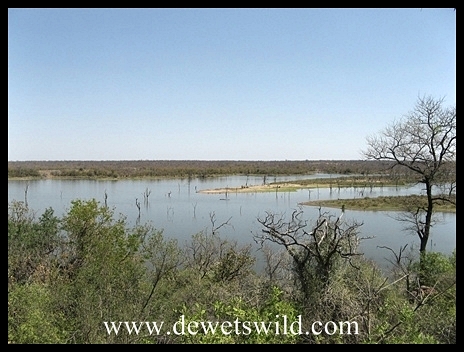
The spring season arrives in South Africa in September, and it’s an excellent time to be out game-viewing in our country’s biggest game reserve. Here’s a collection of some of the thrilling sightings we enjoyed on this trip.

The Northern Kruger National Park is elephant country, and we encountered numerous bulls, including some large tuskers.
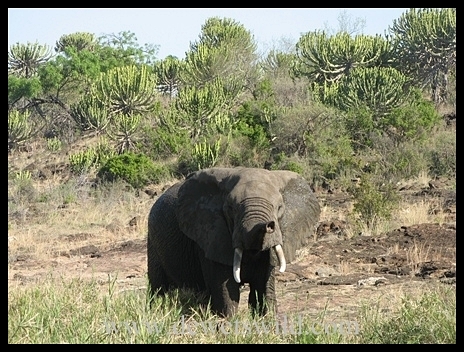
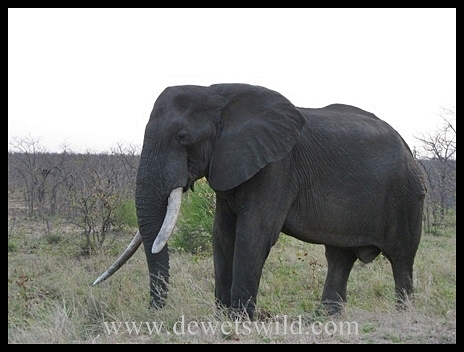

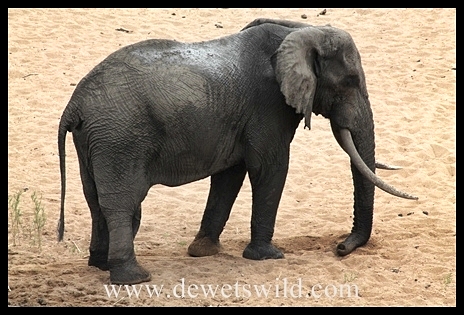

All the elephant herds we came across had small babies.
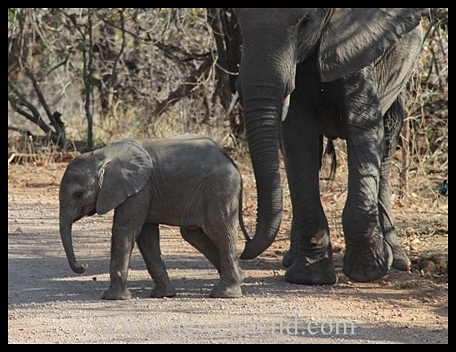
This one realised a bit late that mom had moved on, and ran as fast as his legs would carry him to catch up.

With spring’s fresh green growth, many young animals have already made an appearance.


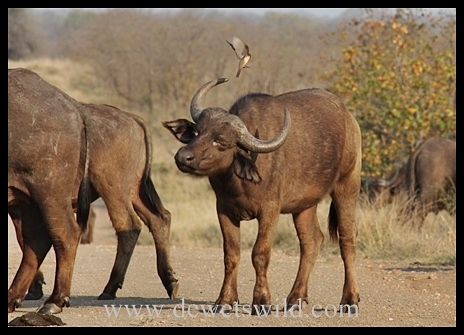
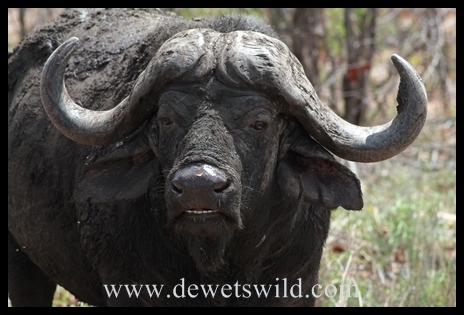
Buffalo are numerous and occur throughout Kruger, sometimes as loners and other times in huge herds several hundred strong.
These two cheetahs were devouring an impala they had caught in the dry bed of the Shingwedzi river, only about three kilometers from Shingwedzi Rest Camp.

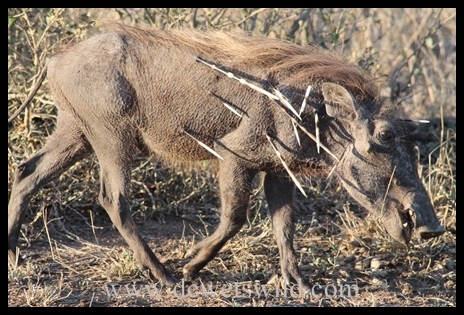
Near Satara, this warthog obviously had an altercation with a porcupine – we suspect it may have rushed into an already occupied bolthole a little too quickly!
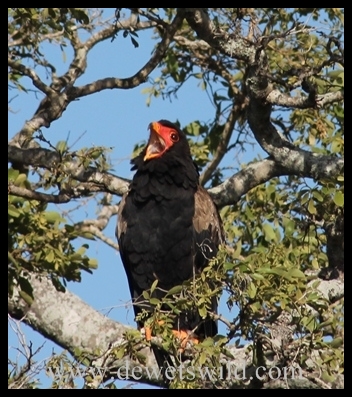
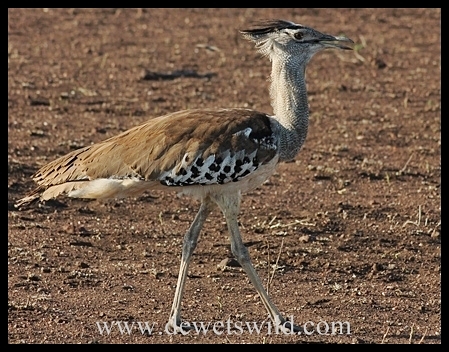
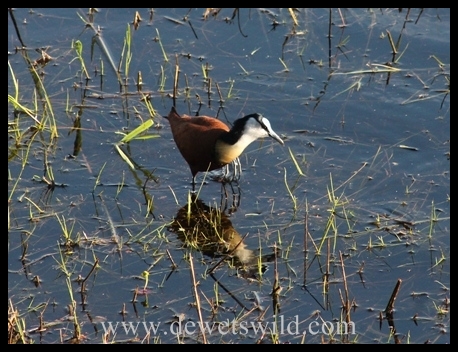
Some of the rarer bird species also made special appearances.
This chameleon was trying to blend in with the surface of the road it was crossing

Of course, to many Kruger visitors the lions are the star attraction. We’d be lying of we said we didn’t share their enthusiasm for these magnificent animals and we were lucky to cross paths with a number of them on our latest excursion. A pride roaring right next to Shingwedzi Rest Camp’s perimeter fence in the darkness of early morning, their deep booming voices rattling the window panes of our bungalow, was a memorable experience.


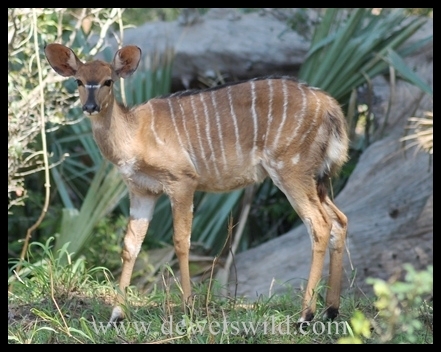
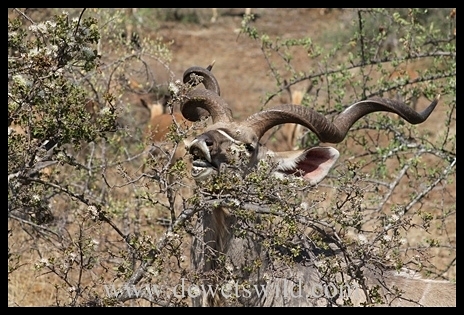
Some of the antelope were getting well into the “springy” swing of things

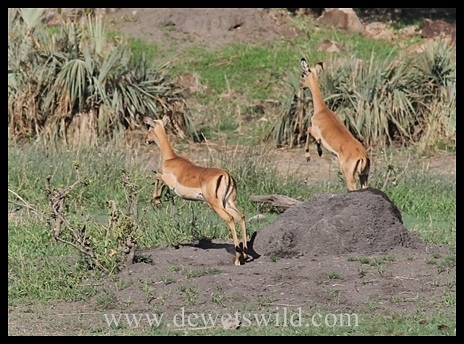

while others were indulging in more sedentary pastimes.


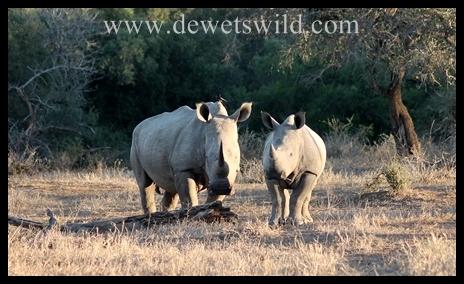
With World Rhino Day and the plight of our treasured rhinos in the relentless poaching firing line fresh in our minds, sightings such as this one of an impressive white rhino bull was all the more special.

For all our travels in South Africa’s wild places we’ve only rarely encountered side-striped jackals, and this is one of the best images we’ve managed to capture of these elusive animals.

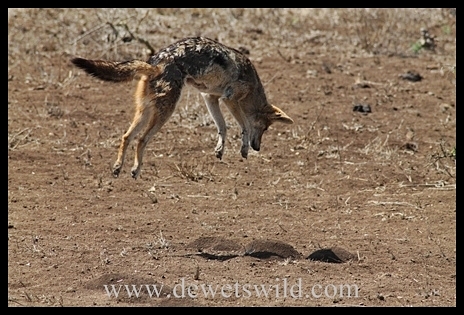
The absolute highlight of our trip was watching this acrobatic black-backed jackal (the side-striped’s much more common cousin) stalking and pouncing moles just north of Satara Rest Camp.
Any time we spend in Kruger National Park is always too little, and leaving through Crocodile Bridge Gate on our way to Pretoria, our heavy hearts could only be consoled by the knowledge that we’d be back soon…
This elephant bull, photographed near Letaba in the Kruger National Park, was clearly not in any mood to share “his” road!

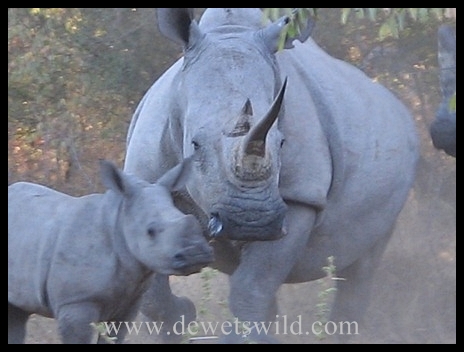
South Africa is home to both species of African rhinoceros: the extremely aggressive black rhino and the much more placid white rhino. Encountering either species during our visits to our country’s wild places is always a thrilling experience and losing these beautiful beasts forever, due to human greed and superstition, is a thought too terrible to ponder.
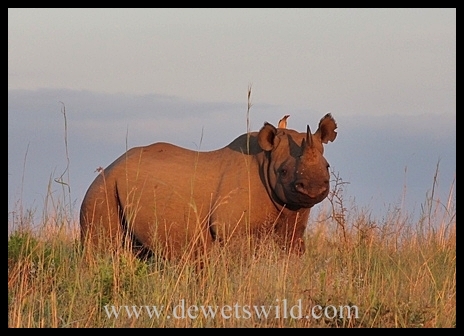
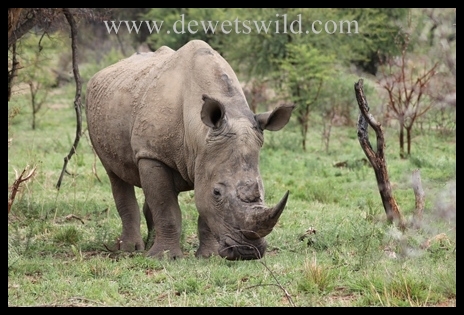
As I post these images I cannot help but wonder whether the individual animals they depict are still alive and well?


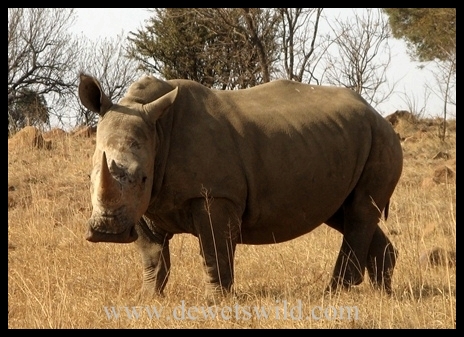
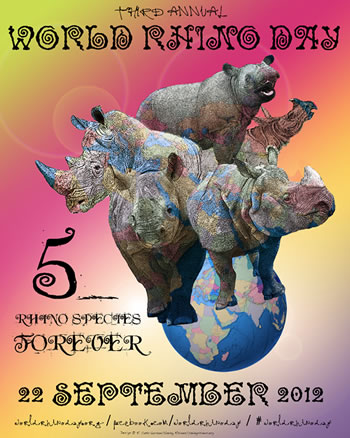
The 22nd of September 2012 is internationally celebrated as World Rhino Day. The message that rhinoceros horn holds no curative or aphrodisiac properties needs to be spread loud and clear so that the market for rhino horn can be wiped out, and it cannot happen soon enough. There are many people from all over the world and from all walks of life working tirelessly, and even putting their own lives in the firing line, to protect these magnificent creatures from savage poachers, but the onslaught from the organised crime syndicates continue unabated – so far this year we’ve lost at least 381 rhinoceros through poaching in South Africa alone (according to the official figures published in September 2012).


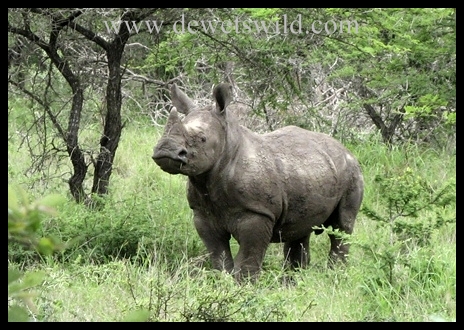
Please lend your support by spreading the message of World Rhino Day to the world.
Wide open spaces in an ancient thirst land

In South Africa’s Western Cape Province, near the historic town of Beaufort-West, lies the Karoo National Park: 88,113 hectares of semi-desert plains and towering mountains.

Inside the Park, altitudes vary between 840 meters above sea level in the valleys to over 1900 meters on top of the Nuweveld Mountains, the average annual rainfall is only 236mm and temperatures can range between -5°C on winter nights to 41°C on summer days.

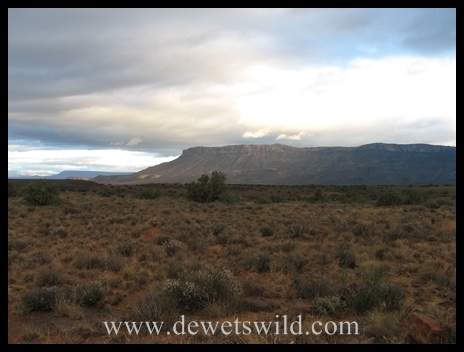
The wide range of habitats in the park, from scrub- and grasslands to dense riverine thickets, provide a safe haven to 202 bird species, 59 kinds of mammals (including lion, buffalo and black rhinoceros), 66 types of reptiles and, surprisingly for such an arid region, 8 species of frog.


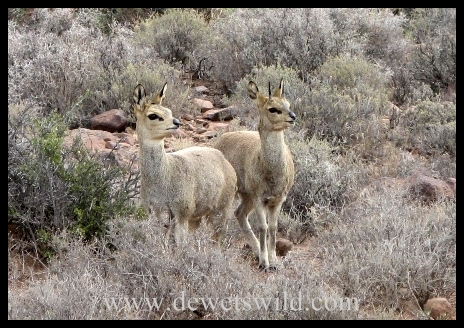
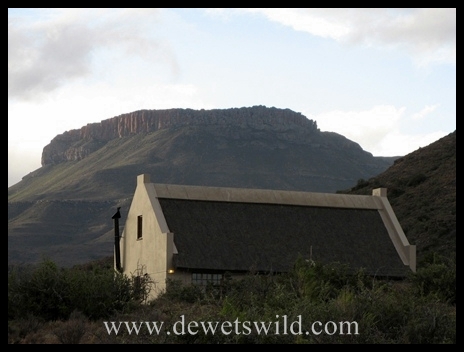
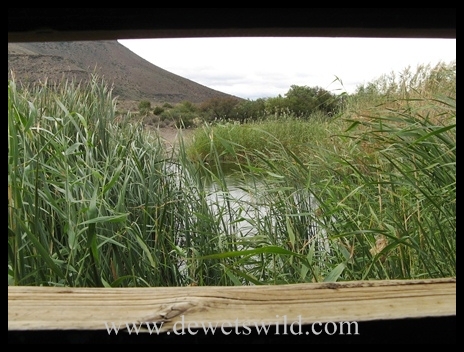
Accommodation and camping is available at the award-winning rest camp, opened in 1989, complete with a well-stocked little shop, restaurant and meeting venue. Visitors can enjoy bird-watching from a hide near the camp, guided walks, two beautiful picnic areas, an interesting information centre in an old barn, a swimming pool, and 4×4 trails. Guided and self-drive game viewing is possible along a well-maintained network of scenic roads, the routes having been given delightful names such as Klipspringer Pass, Potlekkertjie Loop and Lammertjies Leegte.


The Karoo is rich in fossils dating back as far as 255 million years ago, and visitors can explore this fascinating aspect of the park along the fossil trail (a 300m paved walkway) in the camp.

The Karoo National Park is easily accessible, lying as it is along South Africa’s main North-South highway (N1) and is often used as a stop-over by weary travellers. It is however a fascinating and rewarding destination in its own right, worthy of more than just a passing glance.
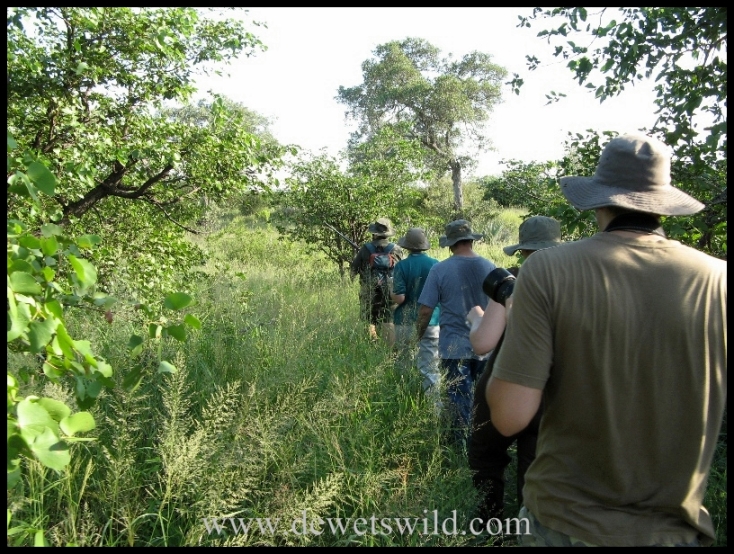
“Everyday Life” certainly depends on your perspective – to us de Wets this guided walking trail near Letaba in the Kruger National Park was a memorable and exciting experience, for the two ranger-guides it was just another day on the job (albeit a job they are very passionate about!)
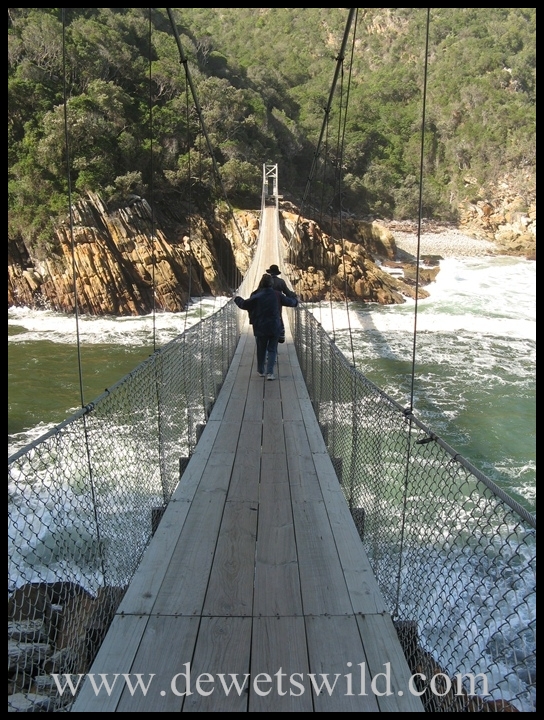
The 77m long suspension bridge across the Storms River in the Tsitsikamma section of the Garden Route National Park, South Africa.
Fairy tale forests and rugged rocky shores

Tsitsikamma was South Africa’s first coastal national park, and has recently been incorporated into the newly proclaimed Garden Route National Park which spans the borders of the Eastern and Western Cape Provinces.

The Garden Route is one of South Africa’s best known tourist attractions, and the Tsitsikamma is a very popular destination, especially in summer. Accommodation and camping is provided by the South African National Parks at Nature’s Valley and Storms River Mouth – the former in a beautiful forest setting near the Groot River estuary and the latter right on the rocky shores of the Indian Ocean.

Hiking is a popular pastime in the Tsitsikamma, and at Storms River Mouth there’s a variety of trails to suit most tastes and fitness levels. The most popular of these lead to a suspension bridge, 77 meters long, across the Storms River just before it empties into the sea.
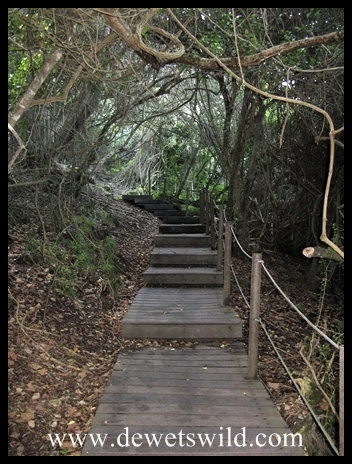


The wide range of habitats provides refuge to a rich diversity of plants, small animals and birds and the scenery is extraordinarily spectacular.


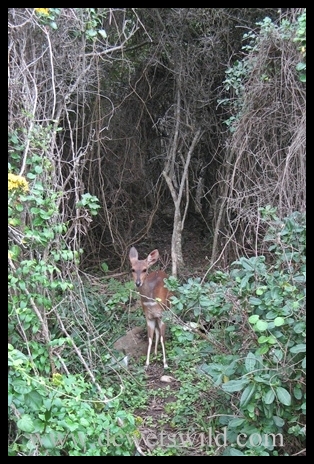


Many visitors spend weeks at a time here in the Tsitsikamma, and once you’ve experienced it for yourself it is easy to understand why.

“I don’t think we’re going to braai* tonight, that hyena just licked the grid clean”
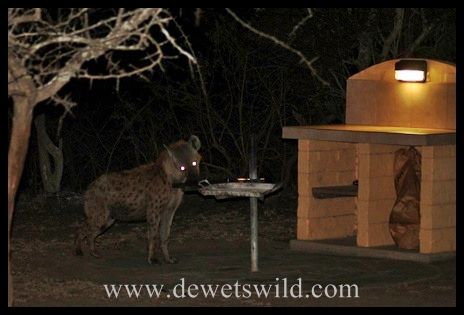
The sun has just set over Mpila Rest Camp on the first night of our latest visit, and we are relaxing in our accommodation when we notice the movement outside – a spotted hyena sniffing around looking for an easy snack. That’s exactly the kind of reason why we return to South Africa’s oldest game reserve so often – it is true wilderness. Mpila is unfenced – there’s a single strand of electrical wire around the camp to keep the elephants out – and that scuffling sound you’ve heard behind you in the dark could have been anything from a sounder of bush pigs or a group of grumpy old buffalo bulls to a patrolling hyena or a lurking lioness. Maybe it was just your imagination, but better move a little closer to the door just in case…
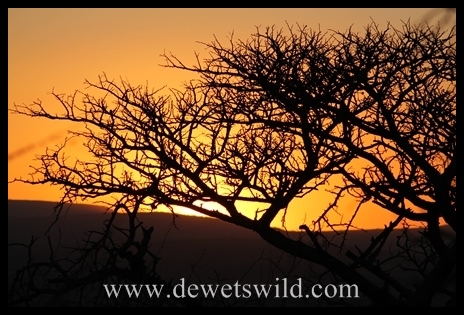
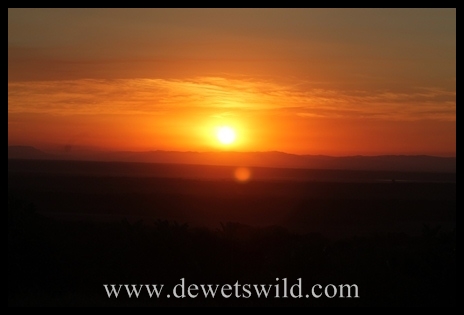
Scenically, Hluhluwe-Imfolozi doesn’t have to stand back for any of Africa’s other great reserves, and its rolling hills and clear skies make for spectacular sunrises and sunsets.
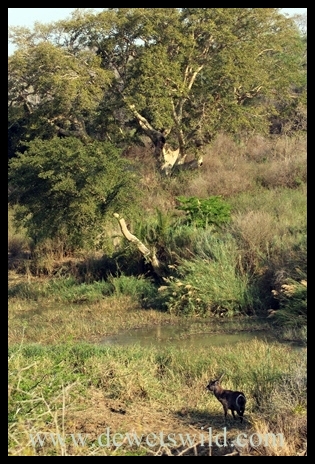
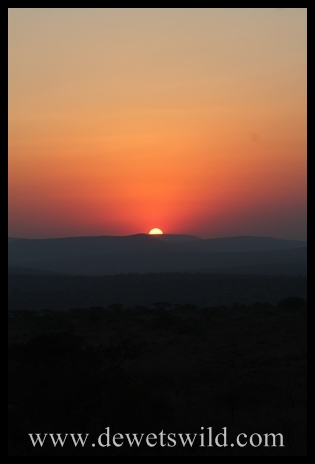
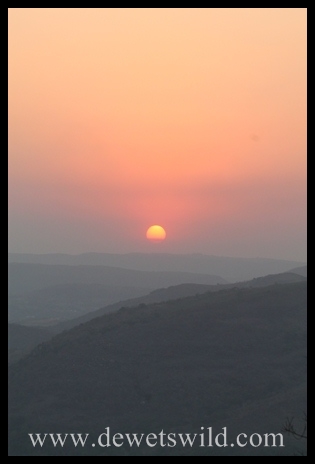
Of course the wildlife is Hluhluwe-Imfolozi’s main attraction, and, like with every visit before, were not disappointed with our sightings.
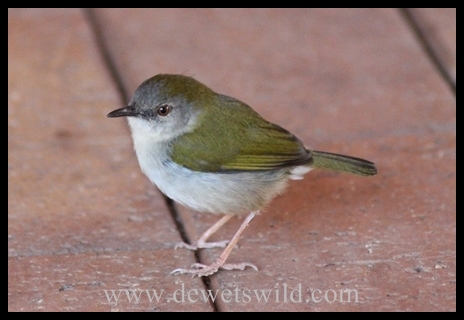
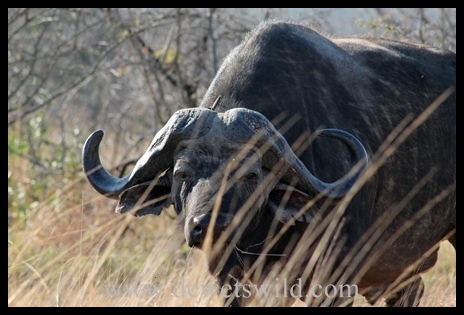
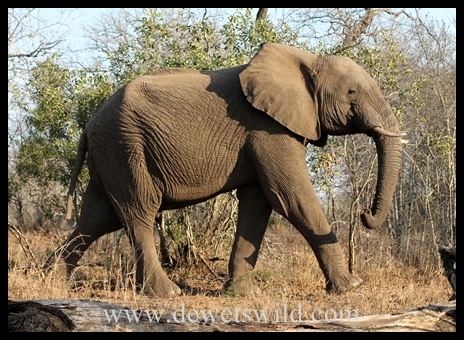
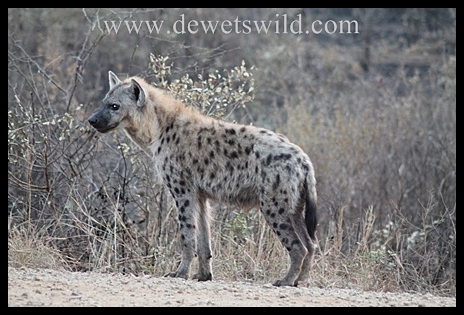


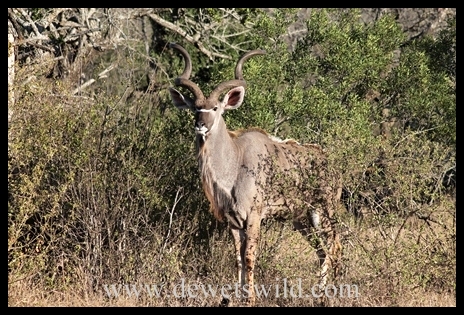
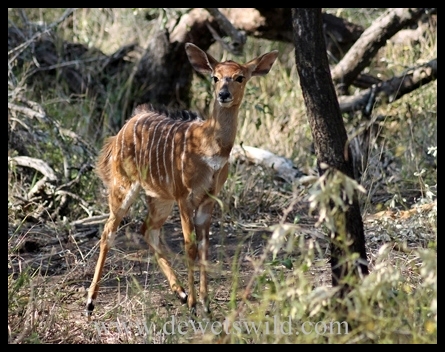
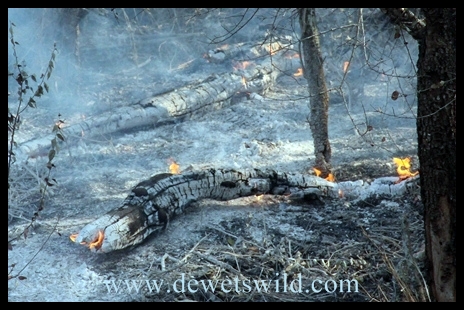
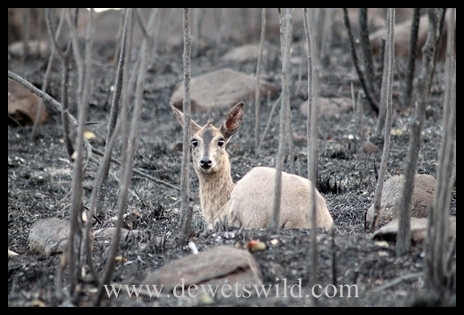
Unfortunately a runaway fire ravaged a huge area of the park just a day prior to our visit. By the time we departed five nights later, tree trunks were still smouldering and strong winds caused the flames to flare up frequently.
The Hluhluwe and Umfolozi Game Reserves in northern Kwazulu-Natal were formally proclaimed in 1895, and long before then this area was the exclusive hunting preserve of the Zulu royals. The Park has two medium-sized rest camps: Hilltop, forested and modern, in the northern Hluhluwe section, and our favourite Mpila, in the southern Imfolozi section. There’s also a number of exclusive small bush lodges throughout the Park. Good game viewing roads, a number of photographic hides and picnic spots and scenic viewpoints make for an ideal self-guided safari experience, though guided drives, walks and wilderness trails are available as well.
It is always with heavy hearts that we drive away from Hluhluwe-Imfolozi Park – it’s one of those places that you miss the moment you leave.
* A “braai” is the traditional South African equivalent of a barbeque
A testament to the resilience of nature!
During August 2012, we had the pleasure of returning to one of our favourite nature destinations: Cape Vidal, situated in the iSimangaliso Wetland Park on the northern coastline of South Africa.
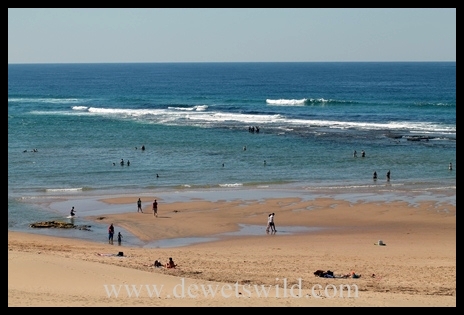
Cape Vidal is a popular beach resort, and not without reason. The unspoilt beach stretches as far as the eye can see and the warm blue waters of the Indian Ocean provide endless opportunity for swimming, snorkelling, fishing etc.

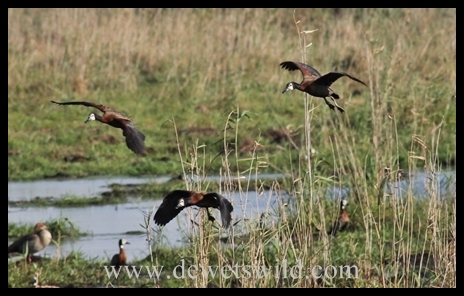
We frequently visit the area and it was an immense pleasure to see how quickly nature is claiming back its rightful place following the removal of the exotic and thirsty pine plantations which, not so long ago, covered huge tracts of land here on the eastern shores of Lake Saint Lucia. Large wetlands have re-appeared and now play host to big flocks of waterfowl, pods of hippopotamus and numerous crocodiles.
We were also delighted to experience many of the new amenities that the Park authorities have built for visitor’s enjoyment. At Catalina Bay a viewing platform overlooking Lake Saint Lucia is the perfect spot for sundowners and one can easily spend hours at the new photographic hide overlooking the Mfazana Pan.

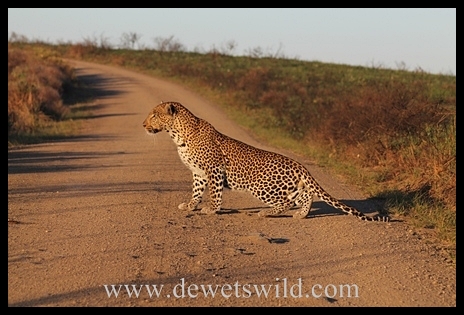
We had excellent leopard sightings during our three day visit, seeing no less than five different individuals. The best by far was of a beautiful male ambushing four warthogs in the early morning as they bolted from the hole in which they spent the night before, only to have the tables turned on him and being chased back into the forest by the bold hogs.


We were amazed to find a colony of fruit bats hanging above the parking spot at our chalet accommodation – normally the daytime roosts of these creatures are very difficult to spot.

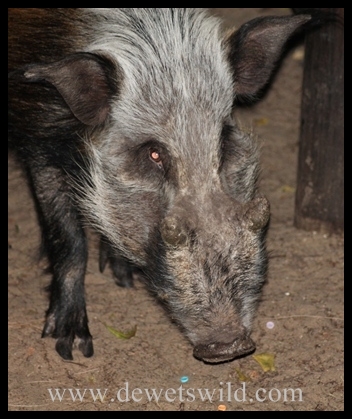
A pair of bushpigs also paid us a visit one evening as we were enjoying dinner outside.
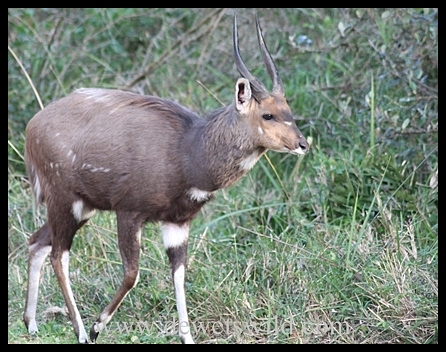
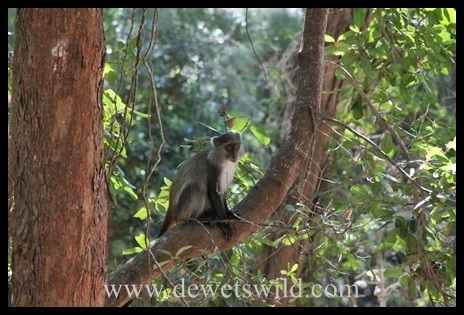
Bushbuck and samango monkeys are frequently seen both in the camp and while driving around, and reedbuck occur in large numbers in the swamps and reed beds that surround the lake and pans.

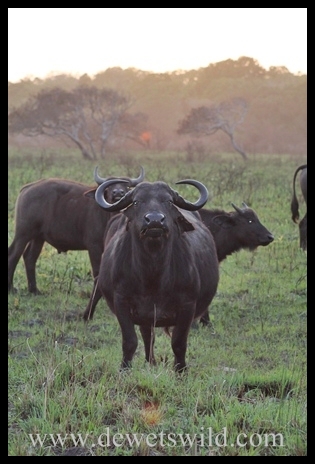
There are a number of large buffalo herds in the area and they are not always happy to have humans in vehicles interrupt their grazing.
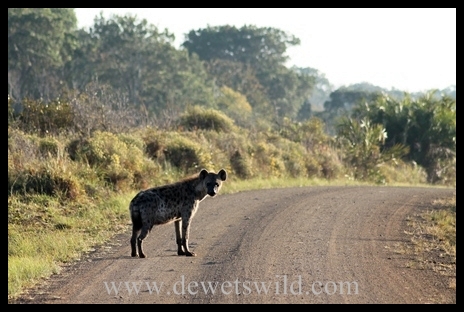
A real surprise find was the female spotted hyena we encountered on a gravel loop road early one morning – we followed her for several kilometres and watched as she attacked, without success, a small group of reedbuck before disappearing from sight.

iSimangaliso means “miracle and wonder” and it is one of South Africa’s most diverse nature reserves. Cape Vidal is an excellent base from which to explore a most beautiful part of it and there’s no doubting that we’ll return as often as we possibly can.


