Tag Archives: travel

Shingwedzi, Kruger National Park

Heaven could definitely be a place on earth. It is called Shingwedzi.

Shingwedzi

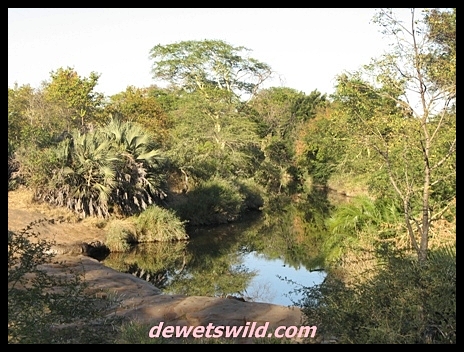
Shingwedzi is our favourite rest camp in the Kruger National Park. Located in the far north of the Park, on the bank of the Shingwedzi river, it’s as far away from the hustle and bustle of the city as you could hope to get.

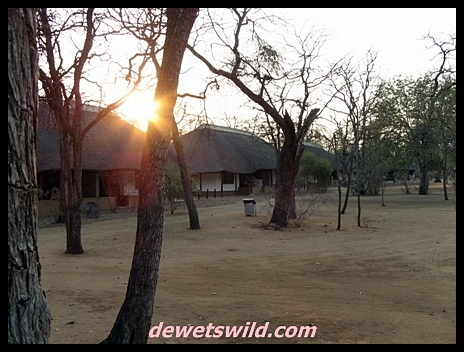
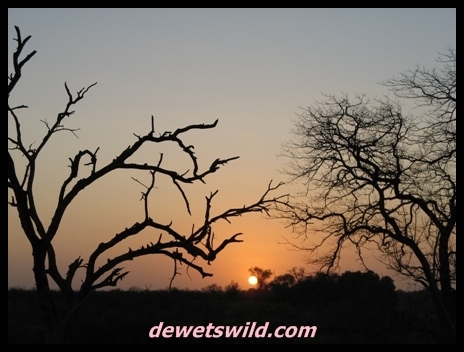
Shingwedzi Sunrise

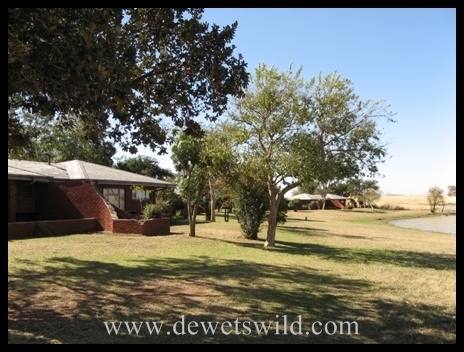
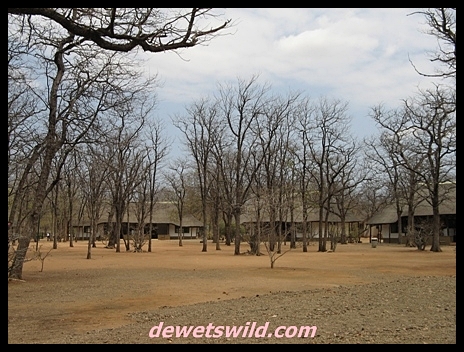
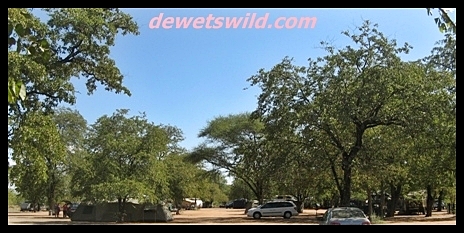
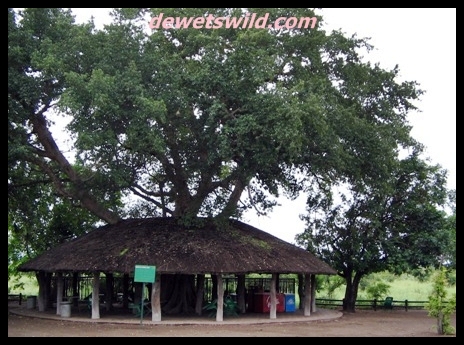
Shingwedzi feels genuinely untouched by the passing of time. The exteriors of the huts built when the camp first opened in the 1930’s have remained largely unchanged, though the interiors have been modernized over the years, and the camping area is very, very spacious. Over the years additional accommodation units and facilities have been provided and these days the camp has a restaurant with a thatched veranda overlooking the river,  a medium-sized shop stocked with curios and basic commodities and a filling station, while the swimming pool offers welcome respite from the heat of Shingwedzi’s tropical summers. None of the additions however has detracted from Shingwedzi’s old-world charm.

Shingwedzi bungalows

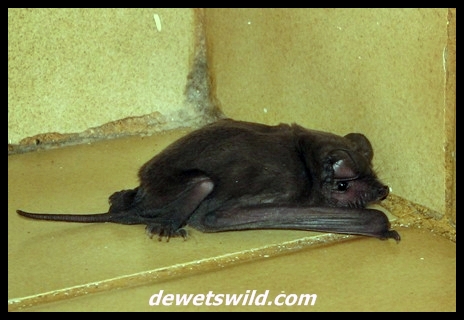
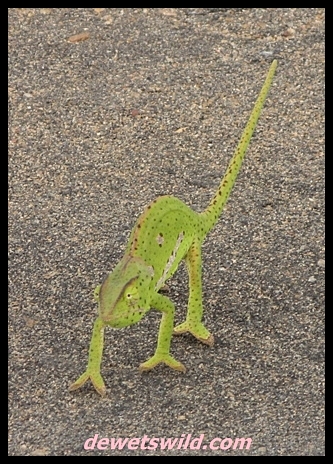
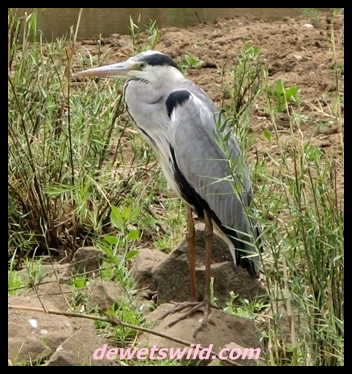
Inside the camp, small animals and birds abound and have become quite accustomed to having people in close proximity, providing excellent photographic opportunities.

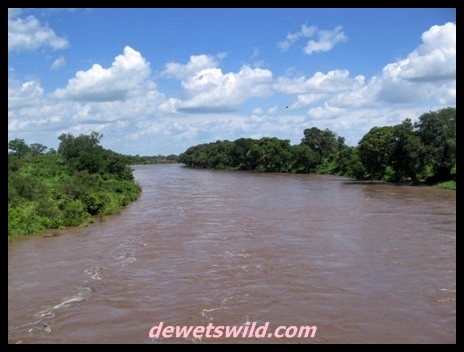
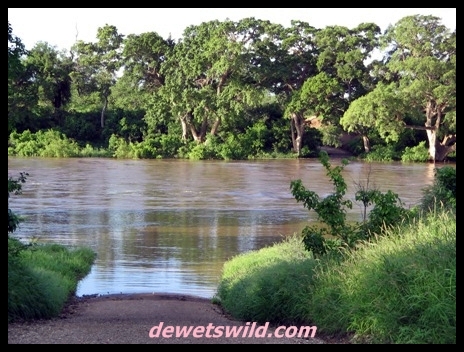
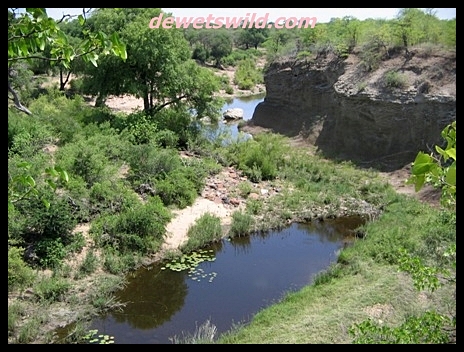
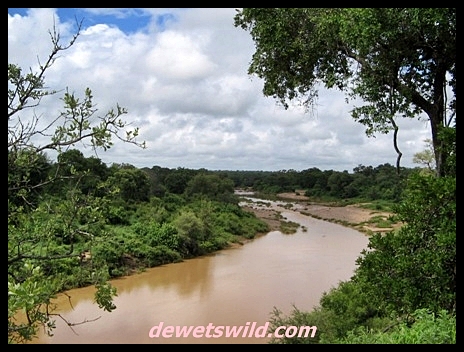
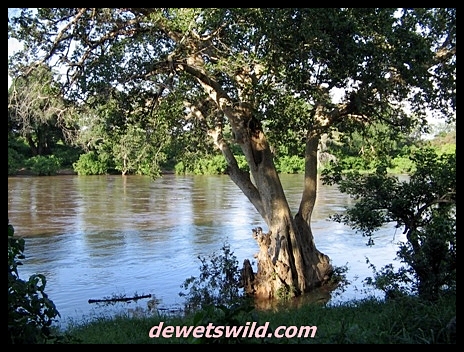
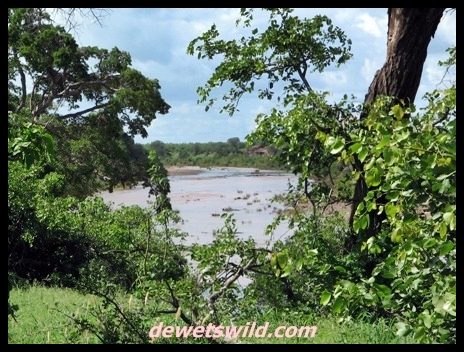
The Shingwedzi is a temperamental river; devoid of surface water for most of the dry season it can quickly swell to incredible dimensions after a deluge. We witnessed one such flash flood in January 2006; the pictures below were taken one day apart:

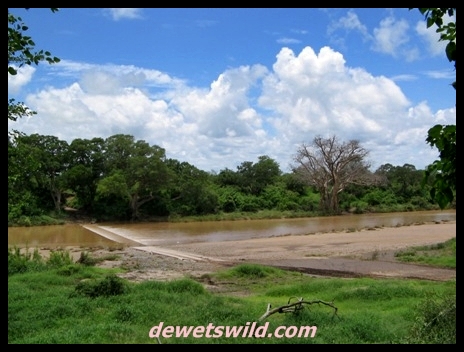
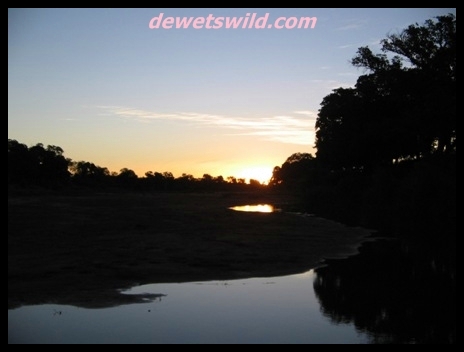
The low level causeway across the river outside Shingwedzi’s southern gate is a particularly beautiful spot to while away the last minutes just before the gates close in the evening, and there’s always some interesting birds and animals in the vicinity.

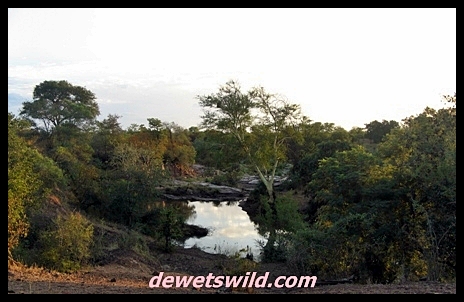
There are three excellent game-viewing drives to undertake from Shingwedzi. The first, to the south-west (road S52), follows both the southern and northern banks of the Shingwedzi river towards the Tshange viewpoint. The spectacular cliffs and pools at Red Rocks are well worth the short detour along the way.

The second route (S56) follows the course of the Mphongolo river to the north, through beautiful riverine woodland, and ends at the Babalala picnic site.

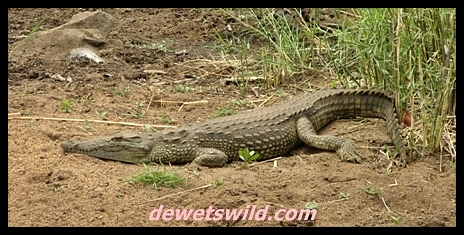
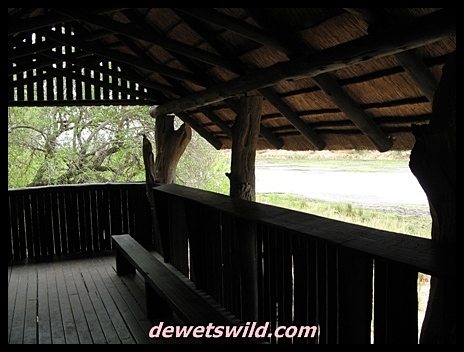
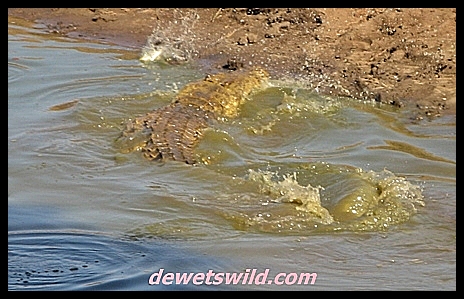
Our favourite Kruger Park route of all (the S50) follows the Shingwedzi River in a south-easterly direction towards the Lebombo Mountains. Numerous little loops offer peaceful vantage points over the waters of the Kanniedood Dam and the hides at Nyawutsi and Kanniedood are enjoyable alternatives to driving around. Along this route we’ve often seen crocodiles using their bodies to herd schools of fish to the bank where they can then be picked off easily.

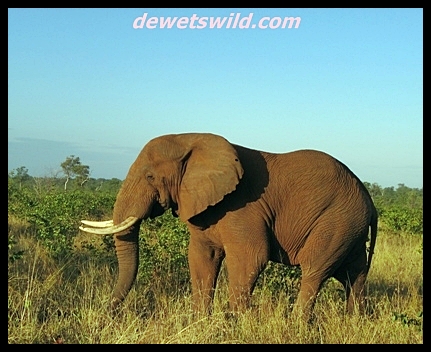
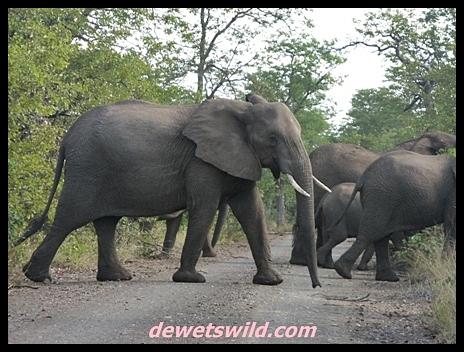
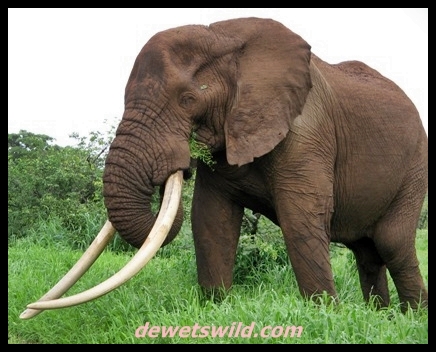
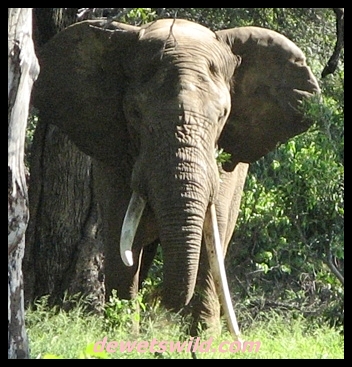
This is elephant country. Large breeding herds, bachelor groups and lone bulls can be expected along any of the drives that radiate from Shingwedzi, and not all of them are equally happy to share their living space with curious humans so are best appreciated from a safe distance. Over the years we’ve had the pleasure of encountering a number of elephant bulls carrying extraordinary ivory whilst staying at Shingwedzi.

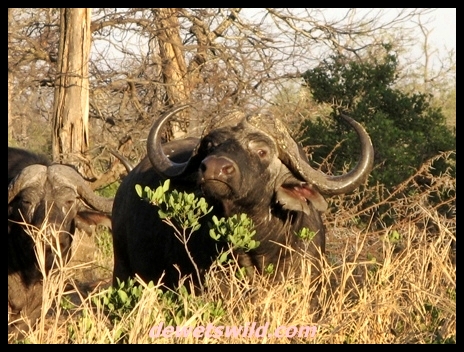
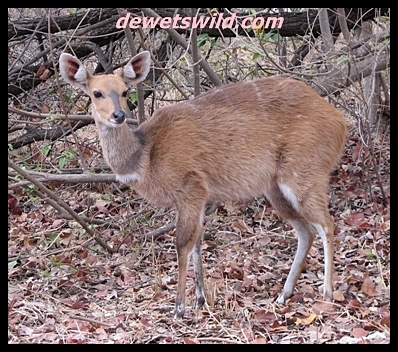
Another reason why we like Shingwedzi so much is that you have a very good chance of getting good sightings of the rarer antelope species that occur in the Kruger National Park.

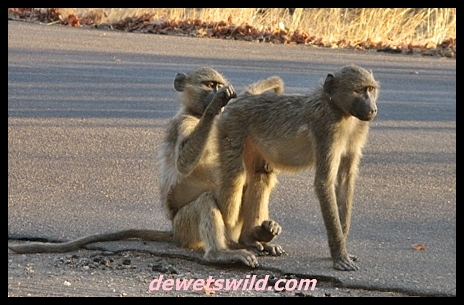
In the late afternoon one often find baboons and vervet monkeys lounging in and under the large trees on the river banks, getting ready for the dark of night ahead. Their antics can keep you entertained for hours.

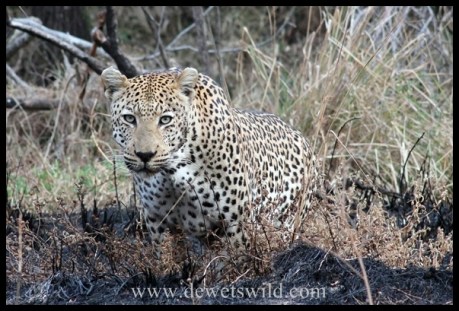
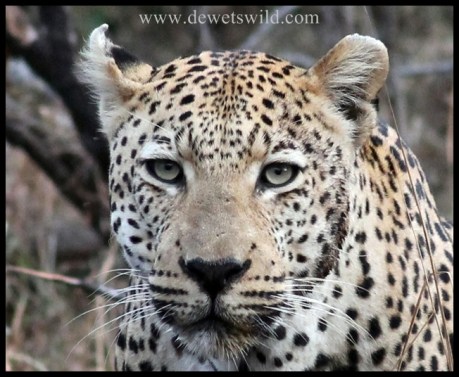
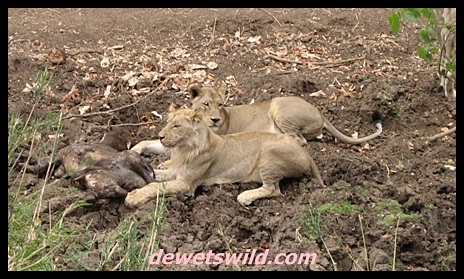
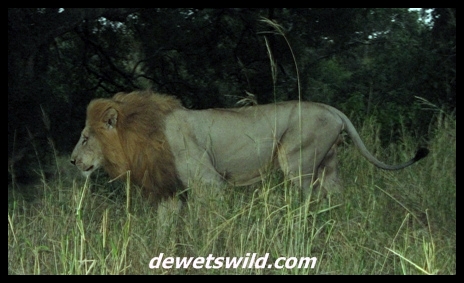
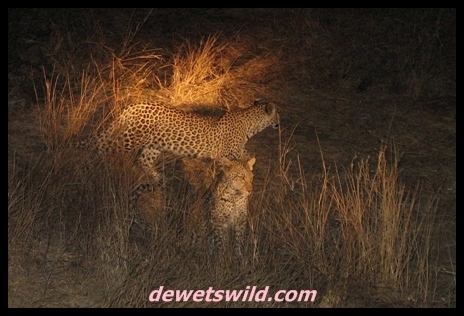
In the far north of Kruger, Shingwedzi is your best bet at finding Africa’s mega predators, with hyena, leopard and lion being relatively plentiful and often found along any of the roads in the region. Taking part in one of the guided night drives on offer often results in good sightings of these sought-after animals.

And now that I’ve pondered over all the reasons Shingwedzi’s so close to our hearts, I still can come to only one conclusion.

It’s true: Shingwedzi is heaven on earth.

Ithala Game Reserve

Peace and tranquillity. Plentiful wildlife. Towering cliffs, rolling hills and rocky outcrops. Grasslands, marshes, bushveld, woodland and dense riverine forests. Rocky rivers and crystal streams. These are the reasons Ithala Game Reserve is one of our favourite destinations.

The Ithala Game Reserve is situated in the north of Kwazulu Natal province, near the village of Louwsburg. It was established in 1972 and is managed by Ezemvelo KZN Wildlife. Ithala has a fascinating history; large herds of game now roam the spaces once occupied by the San, the Zulu and the Afrikaners and years of hunting, farming and mining practices have made way for conservation and tourism.

Accommodation options range from the rustic Doornkraal camping area (tents only, for the steep, winding road leading to the reserve cannot be negotiated with a caravan in tow) to the self-catering chalets in Ntshondwe Camp, the exclusive Thalu, Mbizo and Mhlangeni bush camps, and the luxurious Ntshondwe Lodge. Most of the roads are well maintained gravel loops, connecting the camps to neat picnic spots and spectacular lookout-points.

The spectrum of big game to be found at Ithala puts many more well-known game reserves to shame while the diverse habitats of Ithala harbour many special bird species – more than 300 species have been recorded here and the reserve is well known for the impressive variety of raptors to be found.

Ithala’s biggest draw card however is its impressive landscapes and awe-inspiring scenery – you’ll be hooked the moment you set foot here.


Kruger Park Day Visit: 11 June 2012

“Nants ingonyama bagithi Baba…”

With the soundtrack to Disney’s animated movie “The Lion King” spurring us on, we’re heading through the dark to reach the Orpen Gate as soon as it opens. While we’re staying at Forever Resorts Swadini there’s no way we can be this close to the Kruger National Park and not make time for a visit.

Despite the strong wind blowing for much of the day we had a lovely time – as always – with great animal and bird sightings and a very enjoyable picnic in Satara. After a full day in paradise we hung around the vicinity of Orpen as long as we could before the gates closed again and we had to be on our way.

By the way, “Nants ingonyama bagithi Baba” are the opening words of the Zulu chant at the start of the film, from the song “Circle of Life” and it means “Here comes a lion, Father” – a very fitting caption for the central plains of the Kruger National Park, around Satara and Orpen, where numerous lion prides rule over the savannah (though they eluded us this time).


Blyde River Canyon Nature Reserve June 2012

The third largest canyon on earth, carved over millennia through the Drakensberg escarpment; standing below and staring up at those spectacular cliffs, hundreds of metres high and millions of years old, brings home the reality of our own comparative insignificance and fleeting tenure on this planet.

Considered the largest “green” canyon in the world (the larger Grand Canyon in the USA and the Fish River Canyon in Namibia are both to be found in desert environments), the Blyde River Canyon Nature Reserve is one of South Africa’s most popular destinations. The reserve is found in eastern Mpumalanga Province, and is managed by the Mpumalanga Tourism and Parks Agency. Bourke’s Luck Potholes, God’s Window, Wonder View, the Pinnacle and the Three Rondavels are world renowned attractions to be found on the escarpment near the town of Graskop.

On this visit however, we based ourselves at the Forever Resort Swadini in the Lowveld portion of the reserve, near the town of Hoedspruit. Set in a lush subtropical environment, along the Blyde River and at the foot of a magnificent cliff face, with a myriad of animal and bird life abounding and beautiful walking trails through the indigenous vegetation along the river, you’ll be hard pressed to find a more scenic camp in any reserve.

Swadini is also an excellent base for visits to nearby attractions such as the Blydepoort Dam (on which guided boat tours are available daily), the Hoedspruit Endangered Species Centre and of course the Kruger National Park (Orpen Gate is only 75km away).

Of course we had to feed our Kruger addiction – here a quick report of our day visit to the Kruger National Park.

Willem Pretorius Nature Reserve: 2 to 4 December 2011

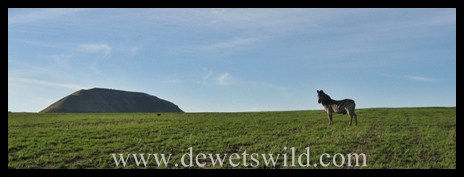
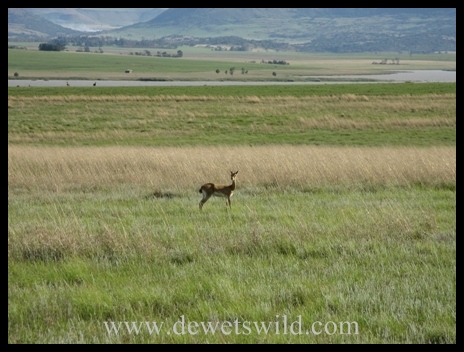
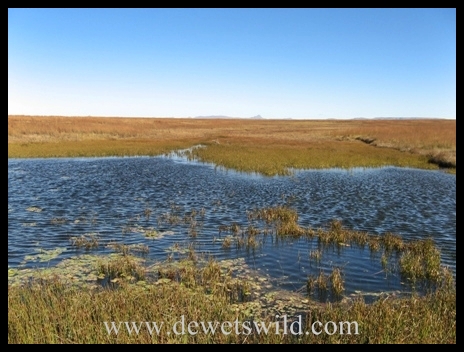
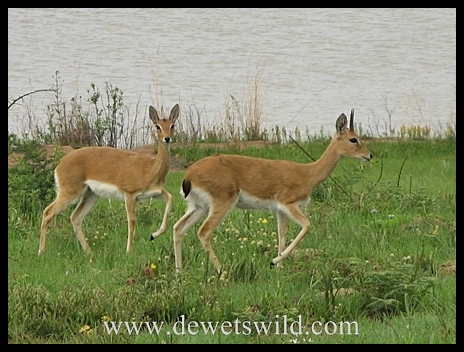
A Cinderella story? Definitely not yet, but lets hope it will be. The Willem Pretorius Nature Reserve has loads of untapped potential – it reminds us of a long-lost heirloom that, rescued from a mouldy box in a dark attic, can be lovingly restored to the precious piece of jewellery it’s meant to be.

The reserve, easily accessible from the N1-highway 150km north of Bloemfontein, belongs to the Free State Provincial Department of Economic Development, Tourism and Environmental Affairs and, from a conservation perspective, is well managed with healthy herds of game roaming over the 12,000 hectares of beautifully preserved grasslands, bushveld, koppies, kloofs and riverine areas. During our three day stay we encountered 90 species of birds and 25 species of mammals, including white rhinoceros, buffalo, southern and mountain reedbuck, giraffe, eland and sable antelope.

Aldam Estate is a privately operated resort on the northern shore of the Allemanskraal Dam, while the provincial authorities offer a resort on the southern shore. Both options offer quality accommodation, camping and dormitory-style overnight facilities and a host of associated amenities for guests to enjoy.

Unfortunately the rest of the reserves tourist facilities seem to have fallen into disrepair, with parts of the road network in poor state, picnic sites sadly neglected and cultural heritage sites such as the Ghoya ruins in dire need of upkeep. It’s the catch twenty-two situation many of our reserves find themselves in; tourists require well-maintained infrastructure before they’ll visit, but in the absence of adequate state funding these desperately needed facilities cannot be provided without a steady income from visitors.

That’s why we definitely encourage you to pay this undiscovered gem a visit next time you’re travelling past – the welcome at the reserve’s entrance gate will probably be one of the warmest you’ve ever received.


Royal Natal Park: 6 to 9 April 2012

At 96 years of age, Royal Natal Park remains a jewel in South Africa’s rich conservation crown; proclaimed a nature reserve in 1916 the most spectacular Drakensberg scenery is to be found here and few vistas on earth can compare to the grandeur of the magnificent Amphitheatre formation.

Managed by Ezemvelo KZN Wildlife, this natural gem offers much for the outdoor enthusiast to get very excited about, from hiking, horse riding, swimming and trout fishing to more sedentary pastimes. Apart from the scenic Thendele hutted camp set high on a hillside with unobstructed views of the Tugela River and Amphitheatre, two exceptional camping areas – the larger Mahai and the smaller Rugged Glen, is available to guests who’d like to overnight inside the Park while a number of privately operated accommodation establishments are available outside the park boundaries within a short driving distance of the entrance gate.

Surprisingly dense mountain forest complete with giant yellowwoods and tree ferns can be found in the sheltered kloofs (wouldn’t one expect deep snow here rather than forests?) and crystal clear mountain streams rush downhill to join the headwaters of the Tugela River downstream of the Tugela Falls, one of the highest waterfalls on earth. Apart from the jaw-dropping scenery, the rich and varied birdlife and a nice variety of mammal species keep photographers occupied for hours. Watch out for the baboons though – they’ve grown very contemptuous of humans and need no invitation to pop into your unit, campsite or vehicle to relieve you of any food items they may find inside.

This reserve really is a must-see destination and it should be an easy 4 hour drive from Gauteng; unfortunately at the time of our recent visit (Easter 2012) the most direct route over the Oliviershoek Pass, or rather what’s left of it, was a harrowing pothole-dodging affair and inland visitors would be well advised to follow the N3 over Van Rheenen’s Pass and then access the reserve via the small town of Bergville – quite a detour in terms of distance but much safer and more enjoyable and just as long in terms of time spent on the road.

Pilanesberg National Park: 10 – 13 May 2012

It was still very dark and cold when the de Wet’s piled into the trusty Starwagon for the drive from Pretoria to Pilanesberg on the 10th of May, a Thursday. After a quick stop at the petrol station close to Sun City’s entrance to fill up, considering that there’s no fuel available inside the Park, we arrived at the Bakubung Gate just before the official gate opening time of 06:30.

Formalities completed, we were on our way into the Park, the plan being to proceed straight through the reserve to Bakgatla Resort, where we would be camping for the next three nights – a total distance of only 22 kilometres or so.

Reports from earlier in the week indicated that lions were frequenting the area around Lengau dam, but no such luck for us this morning. Our first sightings of note included giraffe and plains zebra.

A notice at the entrance gate warned that a section of the tarred Kubu drive through to the centre of the reserve would be closed for major maintenance, and although we could definitely appreciate why the road required the attention, as it was dangerously potholed, we found that it had not yet been closed to traffic at the time. The next day we were in the area again but the road had been closed and work was progressing at an impressive pace.

The decision to turn off the tar road onto the Letsha gravel loop, that skirts Lake Mankwe’s southern shores, proved to be the correct choice as we ticked our first “lifer” bird of this trip: an African Finfoot. Now, the birdwatchers among you will appreciate what a lucky strike that is! We had just passed the birding hide (it was rather chilly and we didn’t feel like getting out just yet) when I noticed the tell-tale posture, and a closer look through the binoculars left no doubt that this was definitely bird specie number 479 on our all time South African list (I know many of our readers will have notched up much more impressive numbers, but in fairness to us we’ve only been actively “birding” for about five years now).

By the time we reached Bakgatla Resort at around 08:15 in the morning, the sun had warmed up nicely and we’ve already had good sightings of impala, zebra, blue wildebeest, steenbok, springbok, red hartebeest and warthog.

Checking in at the reception office was an absolute pleasure. The three staff members manning the desk offered a warm and friendly welcome, as did all the employees we had the pleasure of interacting with during our stay, and in no time at all we were searching for the best site to pitch the tent. Setting up camp completed quicker than anticipated, we set about exploring the resort terrain.

Managed by Golden Leopard Resorts, Bakgatla Resort is situated on the northern edge of the Pilanesberg National Park, right next to the Bakgatla entrance gate. Amenities provided include a huge swimming pool, trampoline, outdoor chess set, a number of children’s playgrounds, a restaurant (where take-aways are also available), a small kiosk selling cold beverages, snacks, firewood etc, conferencing facilities and a health and beauty spa. Accommodation options range from well appointed self-catering chalets and safari tents with en-suite bathrooms, to a spacious camping and caravanning area serviced by spotlessly clean communal ablution blocks.

This is a game reserve after all, and there’s more than enough wildlife inside the resort to while away the midday hours if one does not feel up to driving around. A short stroll through camp after lunch produced sightings of great sparrow, red-billed hornbill, squirrels, agamas, speckled pigeon, grey go-away bird, chestnut-vented tit-babbler and white-browed scrub robin.

Heading into the Park again after lunch, we find a herd of giraffe close to the gate before heading to Rathlogo where a game and bird-watching hide overlooks a very natural looking expanse of water. Immediately below the hide structure we hear the snores of a hippopotamus sleeping in the shade and through holes in the wooden floor we can see terrapins lounging on his back and head. You need to be this close to a hippo to appreciate what a massive animal it is! Inside the Rathlogo hide a much habituated southern boubou hops around looking for scraps of food to eat.

Onwards to Hippo Loop, where a troop of vervet monkeys are foraging amongst a herd of plains zebra along the northern shores of Lake Mankwe while a fish eagle keeps vigil over a stretch of water from his perch atop a long submerged tree with a pod of hippos lazing the daylight hours away on the bank – an iconic African scene.

Making our way along the Thlware, Motlobo and Mankwe roads we enjoy the company of kudu, dassies (hyrax), warthog, giraffe and eland (not to forget the plentiful impala, wildebeest and zebra that you will find all over the Pilanesberg reserve). Arriving at Makorwane Dam, along the Tshukudu eNtsho road, we find a breeding herd of elephant enjoying a swim in the cool water on the opposite bank.

Slow driving along the Tlou route yields a single sub-adult tsessebe in the company of a bachelor group of young impala rams. The excitement levels rises quite a few levels when we come across a pride of lions – one male in the company of three females – going about the business of investing in the next generation of Pilanesberg lions, to describe the scene euphemistically, in the shade of a large tree and partially obscured by thick shrubbery, in the vicinity of the short Tlou link road.

Heading to camp, we bring our first day back in the bush to a close with a black-backed jackal rushing across the road and disappearing into the distance, never even pausing to look back at us.

After a peaceful night’s rest filled with the sounds of the veld, we’re waiting at Bakgatla Gate quarter of an hour before gate opening time on the Friday morning. Considering that the lions we had encountered on Tlou Drive the previous day were mating there’s a good chance they would still be in the area, so we are heading in that direction again this morning in the hope of finding them. No such luck I’m afraid, but we are compensated for our trouble with a magnificent African sunrise.

We follow the Moloto drive as far as Batlhako Dam, where we upset a flock of white-faced ducks by our sudden arrival. Heading south, a large troop of baboons keep us enthralled with their antics on the wall of the Lengau Dam, while a pod of hippos noisily move towards deeper water.

On the way back to camp in the late morning, routing along Ntshwe and Tlou Drives and the Makorwane Dam (Kubu Drive now being closed due to the road works mentioned earlier), we encounter several elephant herds on their way to or from their water supplies.

After spending three or so hours in camp enjoying the silence and a hearty lunch we head into the Park again for our afternoon drive just after 14:00. Our route takes us along the Tau Link road toward Lake Mankwe where we enjoy a far-off sighting of elephants mating on the opposite bank. It seems that the people in the bird viewing-hide had a much better view.

At the crossing over the Mankwe stream we spot a small crocodile basking in the sun, and shortly afterwards, on the Letsha Link, we come across a much larger relative of his partaking of the same pastime.

Heading eastwards now along Mankwe Way, passing through boulder-strewn koppies that seem to be excellent leopard habitat, our path is blocked by a very laid-back zebra stallion with no intention of moving out of the way. Of course we use the opportunity to take some close up pictures, zebras being such photogenic animals. It is only after another vehicle approaches from the opposite direction that he decides to follow his family down the hill.

Proceeding along Kwalata Drive there seems to be impala, wildebeest and warthog everywhere, keeping the cameras clicking away in the golden light of late afternoon.

With gate closing time approaching, we head back to Bakgatla along Tshepe and Motlobo Drives and the Korwe Link road, stopping along the way to admire a variety of animals ranging in size from the diminutive steenbok to ox-like eland.

Cosily tucked into our sleeping bags that night after a traditional South African braai, we could make out the faint crackling of a veld fire crawling at snails pace across a nearby hill. Luckily there was almost no wind to speak of, or the fire could have wreaked real havoc.

Arriving at the gate the next morning, it was obvious that the weekend had arrived. In front and behind of us a long queue of vehicles were waiting for the gates to open to enter the Park.

Unfortunately the increased number of vehicles, the drivers of some apparently having no idea what courteous driving etiquette would be, seemed to negatively influence the quality and quantity of our sightings. Our route took us past Lake Mankwe towards Manyane but it was not until we reached Tilodi Dam that we had our first noteworthy sighting – an African Harrier Hawk gliding low across the hills.

We decided to stick to the gravel loops as far as possible to get back to Bakgatla, and just after we passed Mothata picnic site (along Dithabaneng road) this decision started paying off when we encountered a skittish group of eland rushing across the road.

Malatse Dam offered hippopotamus, waterbuck and a wide variety of aquatic birds while a large group of giraffe caused a traffic jam in the bush by blocking the Moruleng road for a while. Along Moruleng the path of the brush fire mentioned earlier was quite clear and it was interesting to note that the fire seemed to remain entirely on the hillside while apparently not spreading onto the adjacent flats at all.

Given the large number of vehicles now in the Park, we decide to go sit ourselves down at the Ruighoek Hide instead of ducking and diving along the roads for the afternoon. Nevertheless, on our way there, a potentially excellent sighting of a breeding herd of elephants on the Tlou Drive is spoiled repeatedly by some very brave visitors intent on driving straight through the herd. On the quieter, albeit short, Tlou Link we spend some time photographing a red hartebeest bull resting up in short grass next to the road.

At Ruighoek Dam we have a feast watching the birds and animals coming and going: hippo, waterbuck, impala, warthog, giraffe, grey heron, pied kingfisher, African darter, natal and crested francolins, tsessebe, zebra, black-backed jackal, vervet monkeys, terrapin, three-banded plover, red-billed oxpeckers, laughing doves, reed cormorant and Egyptian geese all put in an appearance.

Driving back towards Bakgatla that evening the realisation that our last full day in the Park is drawing to a close puts us in a sombre mood, although sightings of elephant, tsessebe, zebra and steenbok did lift the spirits somewhat.

On Sunday morning we take our last drive out towards Lenong View, pausing for a while at Rathlogo Hide on the way and ticking off a distant buffalo sighting on the Sefara road (buffalo are rarely seen from the tourist roads in Pilanesberg so we count ourselves very lucky, even if we couldnt get a decent picture) before heading back to Bakgatla.

Why do our bush breakaways always fly by at a staggering pace while the weeks prior seem to drag on forever? All too soon the tent and equipment is packed up and there’s no alternative left for us but to point the Starwagon’s nose towards Pretoria. Of course we know: We will be back!

A note in closing: Pilanesberg is home to populations of both black and white rhinoceros, and although we had the pleasure of numerous excellent sightings of both species during our trip I’ve purposefully omitted mentioning where and when exactly we had seen these awesome creatures due to the threat posed by poaching.

Kruger National Park: 26 April to 1 May 2012

There’s no other way to explain it. Kruger National Park is an addiction.
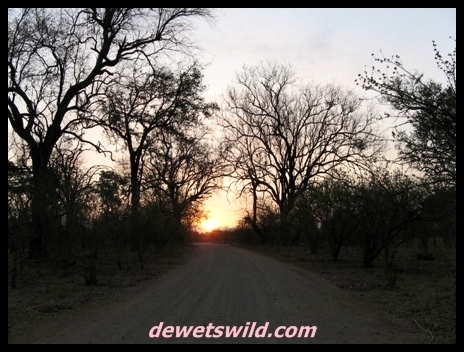
I blame my parents and I will be forever grateful to them. My first night in the paradise that is the Kruger Park was in September 1983, at just four years old, camping at Pretoriuskop.

As with any decent addiction, the more you get the more you want – visit more often, stay for longer. And I’ve been only too happy to oblige. Every time I enter those gates I feel reborn, every time I leave I get depressed. In fact, if I didn’t already have the next visit planned so that I have something to look forward to there’s a good chance I wouldn’t be able to leave at all.

Worst of all is that we’ve gotten our son addicted too. Little Joubert was only eight weeks old when he had his first taste, also at Pretoriuskop, and in the two years since he has been back to Kruger 6 times (not to mention all the other reserves he’s been visiting with us) and been all over the Park from Pafuri Gate in the north to Malelane in the south. Absolute proof to the saying that the apple doesn’t fall far from the tree, our little two-year old gets excited weeks ahead of our next visit. He recognizes Skukuza, Letaba, Olifants and Satara from pictures and can identify a multitude of animals and birds, even from their calls. He recalls previous sightings at particular locations when we pass there again. Joubert carries his own little digital camera around, clicking away at anything from beautiful landscapes and elephants to insects, leaves and…dung, by which he is absolutely fascinated: every so often we have to stop at some or other poo-pile so that it may be thoroughly appreciated.

Our good friends the du Plessis’ joined us on our most recent visit, at the end of April 2012, to Skukuza and Satara.

We visited as many of our favourite spots as we could fit into the five days – Lake Panic bird hide near Skukuza, N’wanetsi and Timbavati Picnic Sites, Sweni bird hide, the S100 gravel road and the Girivana waterhole near Satara, the viewpoint in Olifants and the Elephant Hall in Letaba. Sadly another favourite, the low level causeway over the Olifants River at Balule was still out of commission following the January floods.

What follows is a selection of our photographs taken between the 26th of April and the 1st of May 2012 celebrating the serenity and beauty that the Kruger Park is so famous for.

Luckily for us our next short visit occurs in June!