We’re spending Easter Weekend in the Blyde River Canyon Nature Reserve in Mpumalanga Province, surrounded by some of the most spectacular scenery imaginable!

Spectacular Blyde River Canyon
We wish you all a blessed Easter!
We’re spending Easter Weekend in the Blyde River Canyon Nature Reserve in Mpumalanga Province, surrounded by some of the most spectacular scenery imaginable!
Spectacular Blyde River Canyon
We wish you all a blessed Easter!
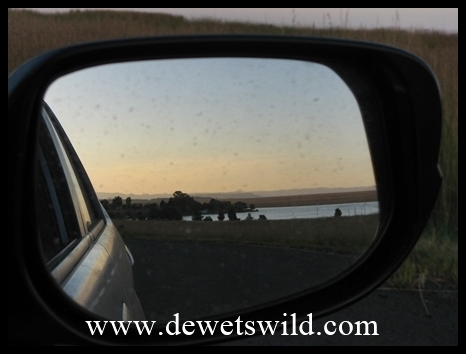
We took these photos this past weekend at Chelmsford Nature Reserve, in Kwazulu-Natal Province, where we were enjoying a quick getaway.
Do you see the reflection in the Anteating Chat’s eye? Have a closer look – that’s our vehicle from which it was photographed:
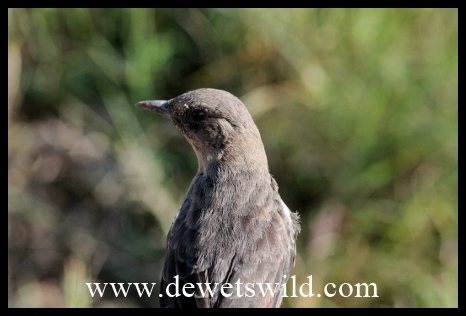

Cars themselves come with factory-fitted reflective devices that can be put to good use in a nature reserve
The Ntshingwayo Dam is at the centre of the Chelmsford Nature Reserve, and of course water is an excellent reflective surface:
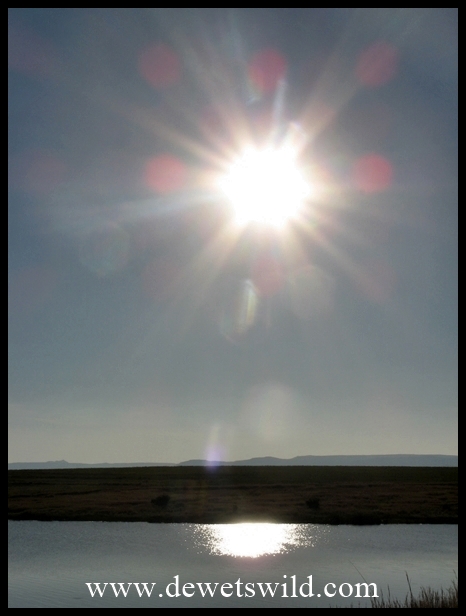
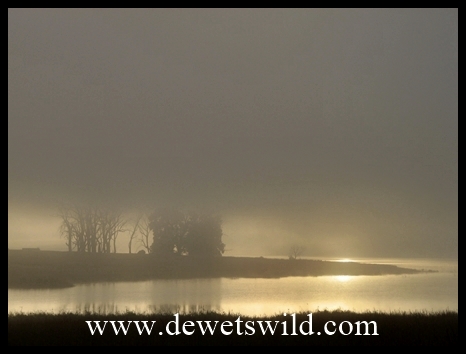
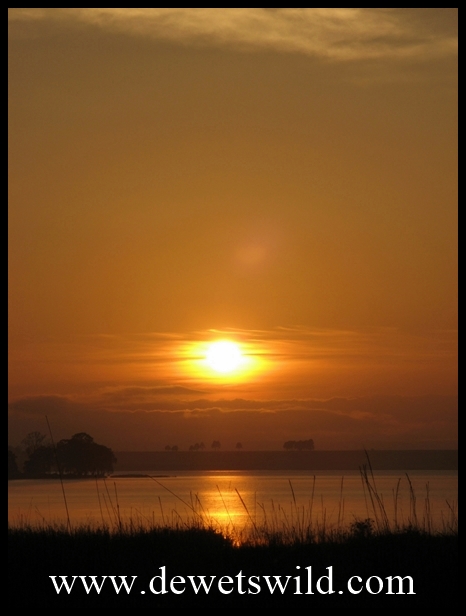
We’re participating in the online adventure travel and photography magazine LetsBeWild.com‘s Wild Weekly Photo Challenge for bloggers. This week’s challenge is “Reflections“.
Our time at Chelmsford has come to an end far too quickly (as always) and we’ll be heading back to Pretoria tomorrow.
Today’s photo, of the sunrise over Chelmsford this morning, was taken by Joubert (aged 3!)

A misty start to the early morning, ideal for hiking. Later the sun managed to burn off all the fog and we enjoyed a gloriously sunny afternoon.
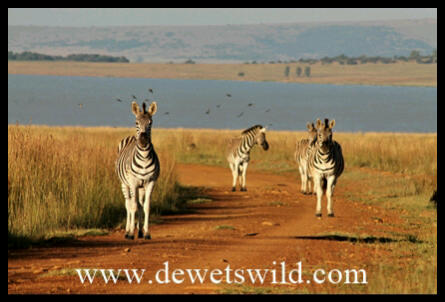
We’re spending a long weekend at Chelmsford Nature Reserve, in Kwazulu-Natal Province. We’ll try to post a daily picture while we are here and a full report as soon as possible after we return to the city. It’s so nice to be surrounded by nature’s peace and quiet again!
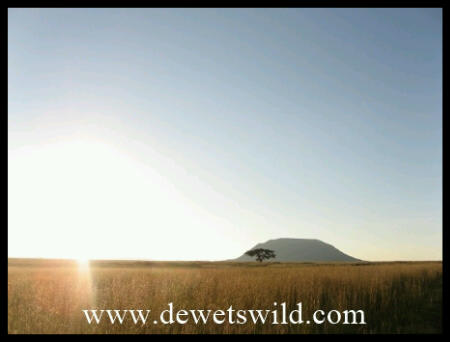
Mopani Rest Camp, named for the mopane tree with its butterfly-shaped leaves that dominates the plantlife of the northern Kruger National Park, is located just south of the Tropic of Capricorn. From its hilltop vantage point, the camp offers splendid views over the Pioneer Dam (with a rich aquatic birdlife) and the mopane plains beyond.
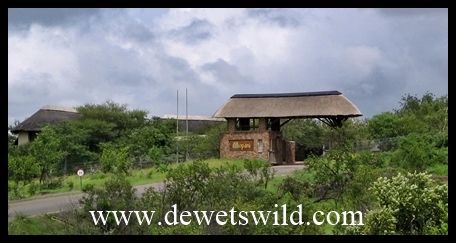
Mopani entrance

Mopani bungalow
Mopani has an unfair reputation for not being a very prolific game viewing area of the Kruger Park, mostly because the mopane shrub can get extremely thick and difficult to see through.

Impalas displaying just how thick the mopane’s can get!
However, if you choose your routes carefully, the Mopani area has very much to offer; the best drive is undeniably the circular route made up of the S49, S50 and S143 gravel routes to the east of the camp that skirts the Mooiplaas and Tinhongonyeni waterholes and the Nshawu Vlei (marsh). Mopani, and especially the area around Tinhongonyeni waterhole, is a hotspot for sightings of the rarer antelope and large birds like the kori bustard, ground hornbill, ostrich and secretary bird. In fact, Tinhongonyeni is one of the best waterholes in the entire Kruger National Park for overall game viewing, and a couple of hours there will assuredly be time well spent. Elephant and buffalo thrive in the Mopani area (there’s a herd of buffalo in the vicinity more than 1,000 animals strong) and we’ve had a number of good lion and cheetah sightings in the district.

Buffalo in rainy weather

This buffalo wasn’t overly happy to have his way blocked!

Unhappy elephant!

Eland – a rare sighting in Kruger – at Tinhongonyeni waterhole
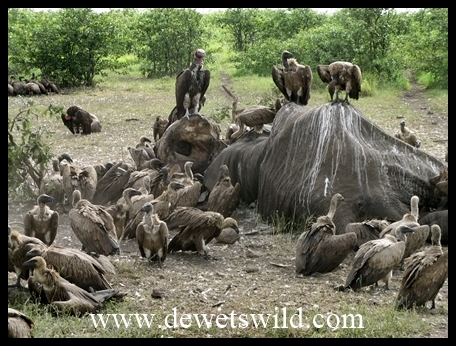
Vultures cleaning up the carcass of a tusker that died almost on Mopani’s doorstep

Claiming the road as his own, and who’s going to disagree?

Elephant procession

Lone elephant bull

Giraffe
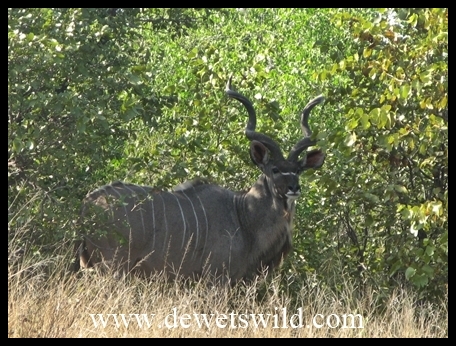
Kudu bull

This lion gave us a terrible fright, as we stopped right next to him without knowing he’s there (we were watching a herd of tsessebe at that moment)
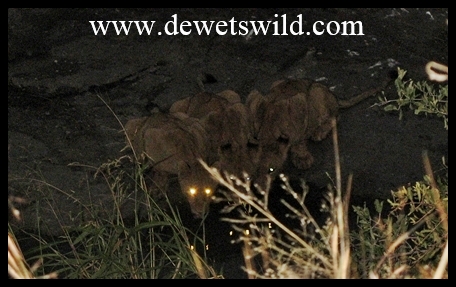
Lions quenching their early morning thirst just a kilometer from Mopani

Reedbuck are frequently seen in the Nshawu Vlei
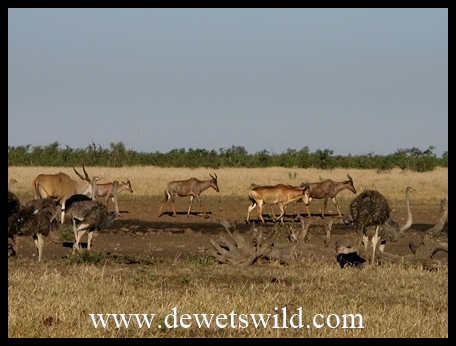
Tinhongonyeni waterhole, with three rare antelope in one shot: eland, tsessebe and Liechtenstein’s hartebeest

Tsessebe are seen more frequently near Mopani than anywhere else in the Kruger Park
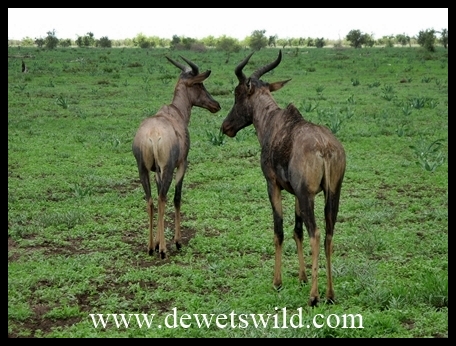
More tsessebe. Guess where? Tinhongonyeni!
Just south of Mopani, the Shipandani Hide, which overlooks a waterhole in the Tsendze River, offers a very different overnight experience as a single group of guests at a time may occupy the hide between sunset and sunrise.
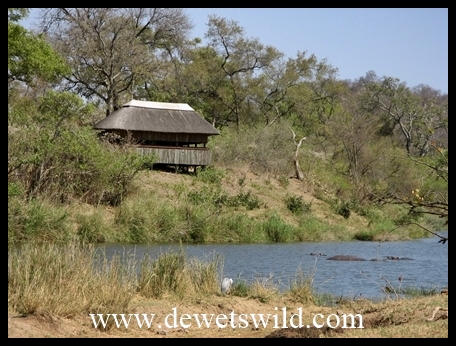
Shipandani Hide

The neighbours at Shipandani
Mopani is also special to the de Wets for one more reason: it is here, in the glow of a magnificently romantic African sunset, that Marilize and I got engaged!
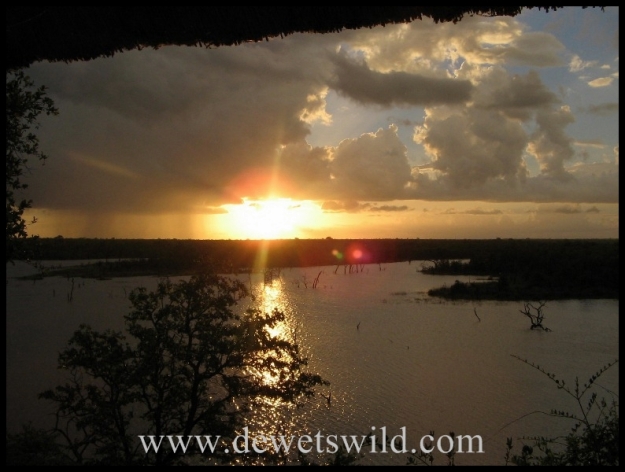
The scene was set to get down on bended knee!
We encountered this black-backed jackal hunting for moles near Satara, in the Kruger National Park.


Austin Roberts was one of South Africa’s most acclaimed zoologists, best known for his authoratitive reference book on the birds of Southern Africa. Today, his legacy is honoured in the Austin Roberts Memorial Bird Sanctuary, located in Pretoria’s leafy Nieuw Muckleneuk suburb.


The tiny reserve covers only eleven hectares (about four city blocks), yet more than 170 bird species have been identified here – a consequence of the wide range of habitats that it provides: dense woodland, mixed bushveld, reedbeds and nine small perennial dams. In addition, a few small antelope and a couple of tortoises also occur here.

Blesbok
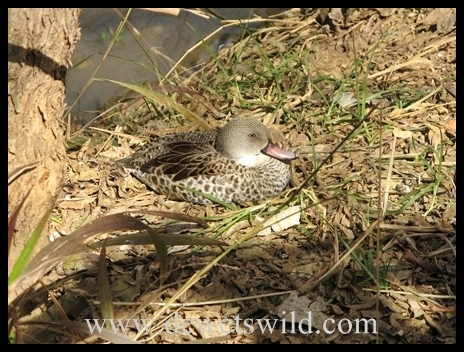
Cape Teal

Common Moorhen
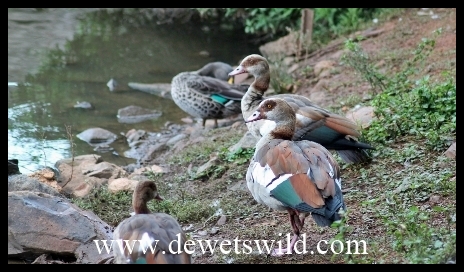
Egyptian Geese

Fulvous Duck
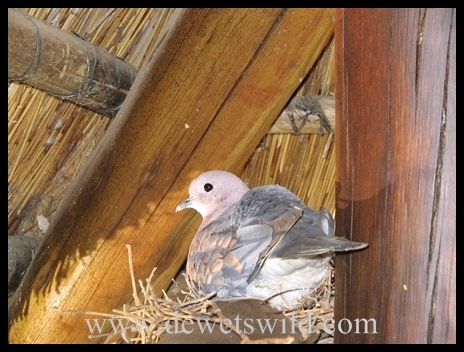
Laughing Dove nesting inside the hide
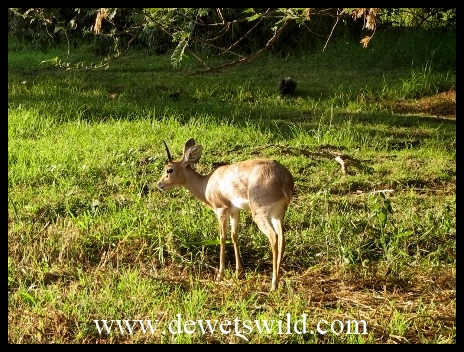
Steenbok

White-faced Ducks

Yellow-billed Duck

Red-knobbed Coot with chick
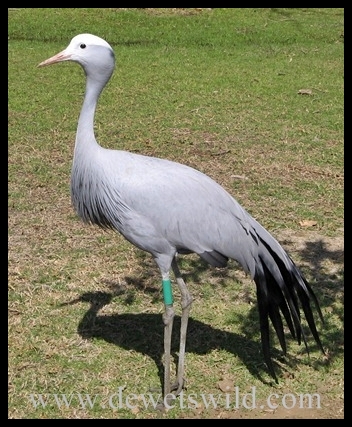
The Blue Crane is South Africa’s national bird

Crowned Crane
Facilities at the sanctuary include a restaurant and photographic hide, both extremely popular, and both offering a very nice lunchtime break from the office!

A section of the hide at Austin Roberts Bird Sanctuary
“The only man I envy is the man who has not yet been to Africa – for he has so much to look forward to.”
Richard Mullin.

Giraffe at sunrise, near Lower Sabie in the Kruger National Park, South Africa
Our deepest gratitude goes to everyone that has contributed to us reaching this milestone by reading, following, liking, commenting and sharing our posts. We appreciate the friendships we’ve made and the inspiration and encouragement you’ve given us through this medium immensely.
There’s still so much beauty and splendour to share from South Africa’s wild places, and as we look forward to doing just that through de Wets Wild for a very long time to come we’d be thrilled to have your continued support.
Our sincere thanks, again!
Dries, Marilize & Joubert – the wild de Wets
The “Big Five” is probably Africa’s most sought-after animals – the term was coined by colonial-era trophy hunters to describe the group of animals considered the most dangerous to hunt: Black Rhino, Buffalo, Elephant, Leopard and Lion. Today, these animals are a major reason for the popularity of South Africa’s wildlife reserves among locals and tourists from all over the world.
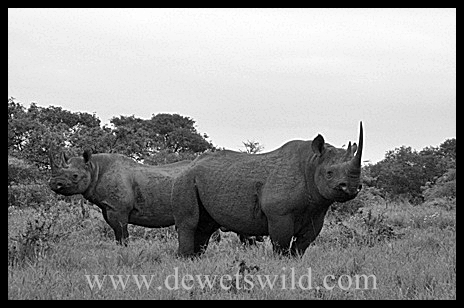
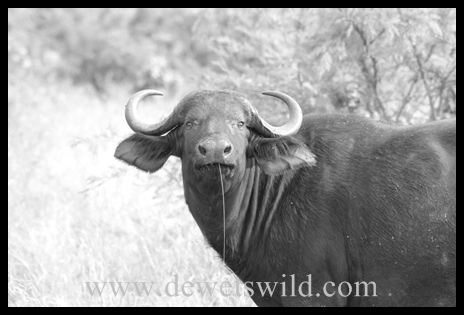
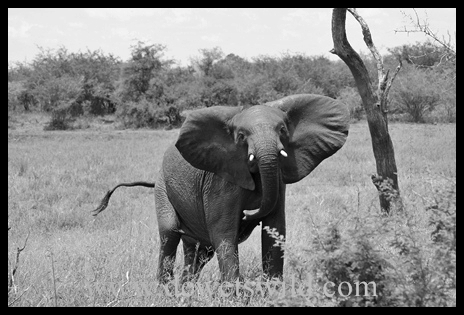
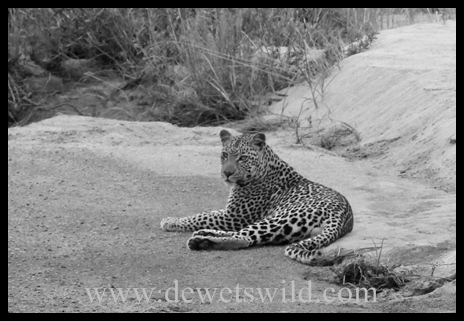
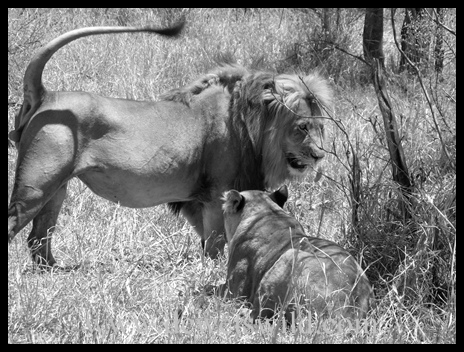
We’re participating in the online adventure travel and photography magazine LetsBeWild.com‘s Wild Weekly Photo Challenge for bloggers. This week’s challenge is “Black-and-White“

