Our time at Chelmsford has come to an end far too quickly (as always) and we’ll be heading back to Pretoria tomorrow.
Today’s photo, of the sunrise over Chelmsford this morning, was taken by Joubert (aged 3!)


Our time at Chelmsford has come to an end far too quickly (as always) and we’ll be heading back to Pretoria tomorrow.
Today’s photo, of the sunrise over Chelmsford this morning, was taken by Joubert (aged 3!)
A misty start to the early morning, ideal for hiking. Later the sun managed to burn off all the fog and we enjoyed a gloriously sunny afternoon.
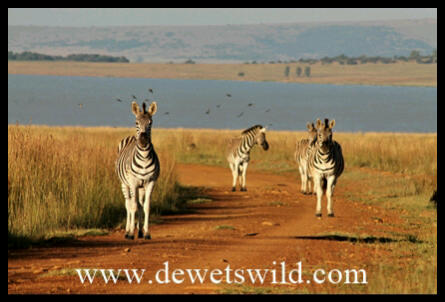
We’re spending a long weekend at Chelmsford Nature Reserve, in Kwazulu-Natal Province. We’ll try to post a daily picture while we are here and a full report as soon as possible after we return to the city. It’s so nice to be surrounded by nature’s peace and quiet again!
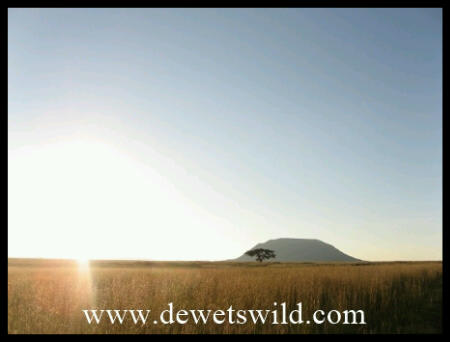
Mopani Rest Camp, named for the mopane tree with its butterfly-shaped leaves that dominates the plantlife of the northern Kruger National Park, is located just south of the Tropic of Capricorn. From its hilltop vantage point, the camp offers splendid views over the Pioneer Dam (with a rich aquatic birdlife) and the mopane plains beyond.
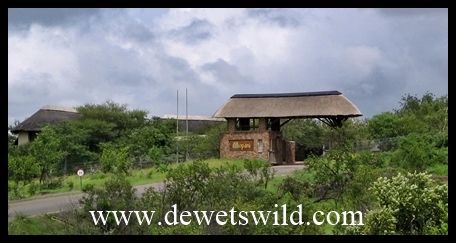
Mopani entrance

Mopani bungalow
Mopani has an unfair reputation for not being a very prolific game viewing area of the Kruger Park, mostly because the mopane shrub can get extremely thick and difficult to see through.

Impalas displaying just how thick the mopane’s can get!
However, if you choose your routes carefully, the Mopani area has very much to offer; the best drive is undeniably the circular route made up of the S49, S50 and S143 gravel routes to the east of the camp that skirts the Mooiplaas and Tinhongonyeni waterholes and the Nshawu Vlei (marsh). Mopani, and especially the area around Tinhongonyeni waterhole, is a hotspot for sightings of the rarer antelope and large birds like the kori bustard, ground hornbill, ostrich and secretary bird. In fact, Tinhongonyeni is one of the best waterholes in the entire Kruger National Park for overall game viewing, and a couple of hours there will assuredly be time well spent. Elephant and buffalo thrive in the Mopani area (there’s a herd of buffalo in the vicinity more than 1,000 animals strong) and we’ve had a number of good lion and cheetah sightings in the district.

Buffalo in rainy weather

This buffalo wasn’t overly happy to have his way blocked!

Unhappy elephant!

Eland – a rare sighting in Kruger – at Tinhongonyeni waterhole
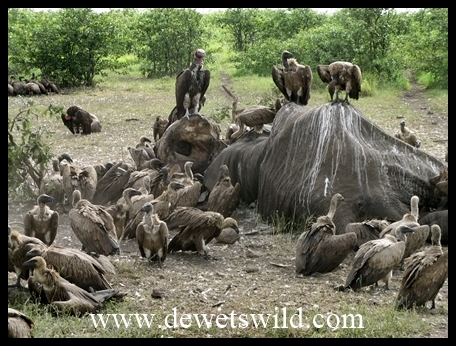
Vultures cleaning up the carcass of a tusker that died almost on Mopani’s doorstep

Claiming the road as his own, and who’s going to disagree?

Elephant procession

Lone elephant bull

Giraffe
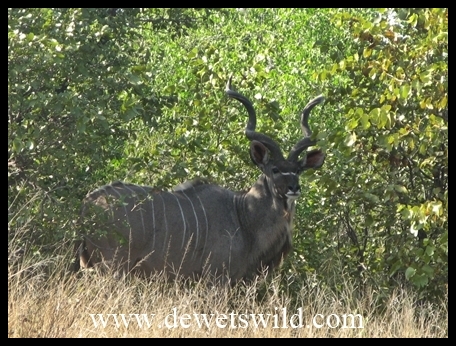
Kudu bull

This lion gave us a terrible fright, as we stopped right next to him without knowing he’s there (we were watching a herd of tsessebe at that moment)
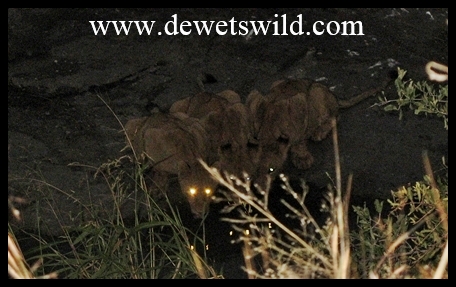
Lions quenching their early morning thirst just a kilometer from Mopani

Reedbuck are frequently seen in the Nshawu Vlei
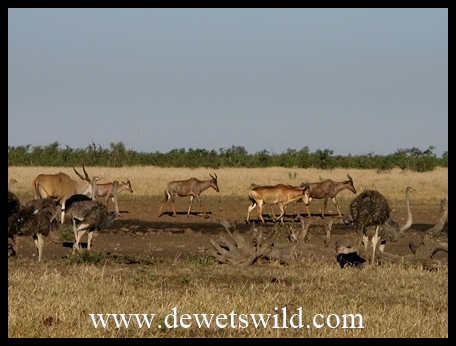
Tinhongonyeni waterhole, with three rare antelope in one shot: eland, tsessebe and Liechtenstein’s hartebeest

Tsessebe are seen more frequently near Mopani than anywhere else in the Kruger Park
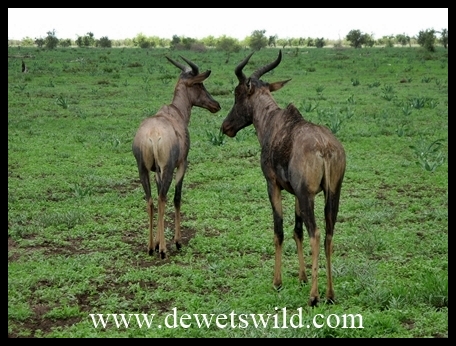
More tsessebe. Guess where? Tinhongonyeni!
Just south of Mopani, the Shipandani Hide, which overlooks a waterhole in the Tsendze River, offers a very different overnight experience as a single group of guests at a time may occupy the hide between sunset and sunrise.
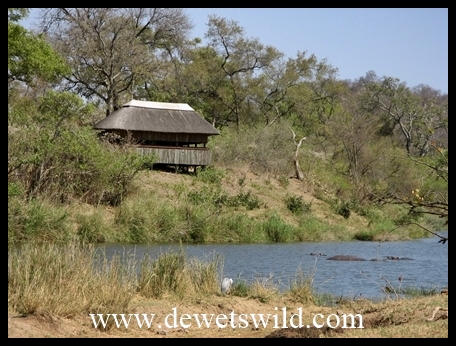
Shipandani Hide

The neighbours at Shipandani
Mopani is also special to the de Wets for one more reason: it is here, in the glow of a magnificently romantic African sunset, that Marilize and I got engaged!
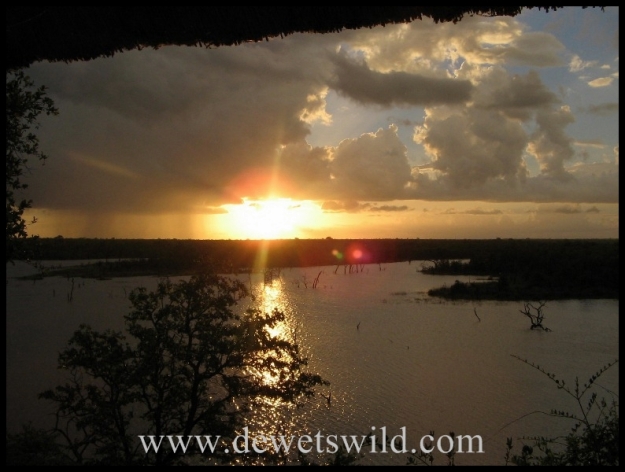
The scene was set to get down on bended knee!
Austin Roberts was one of South Africa’s most acclaimed zoologists, best known for his authoratitive reference book on the birds of Southern Africa. Today, his legacy is honoured in the Austin Roberts Memorial Bird Sanctuary, located in Pretoria’s leafy Nieuw Muckleneuk suburb.


The tiny reserve covers only eleven hectares (about four city blocks), yet more than 170 bird species have been identified here – a consequence of the wide range of habitats that it provides: dense woodland, mixed bushveld, reedbeds and nine small perennial dams. In addition, a few small antelope and a couple of tortoises also occur here.

Blesbok
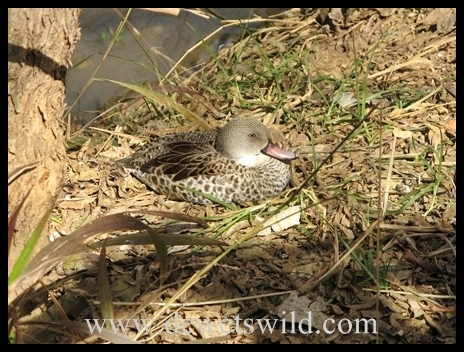
Cape Teal

Common Moorhen
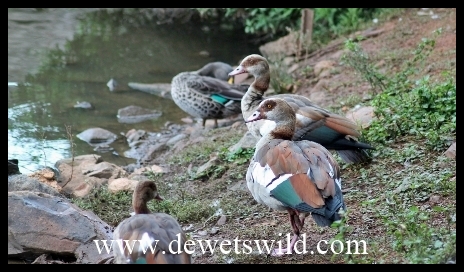
Egyptian Geese

Fulvous Duck
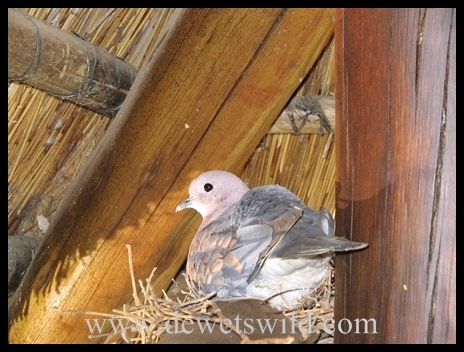
Laughing Dove nesting inside the hide
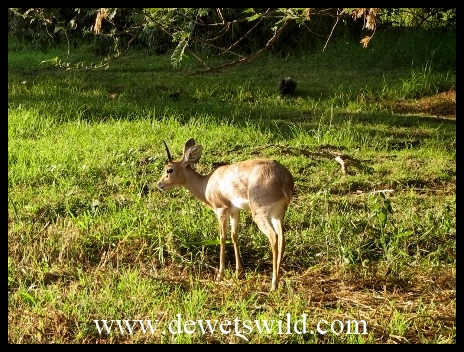
Steenbok

White-faced Ducks

Yellow-billed Duck

Red-knobbed Coot with chick
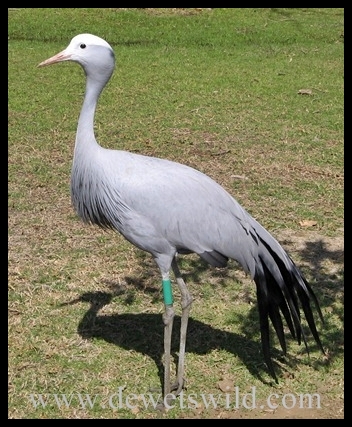
The Blue Crane is South Africa’s national bird

Crowned Crane
Facilities at the sanctuary include a restaurant and photographic hide, both extremely popular, and both offering a very nice lunchtime break from the office!

A section of the hide at Austin Roberts Bird Sanctuary
We’re very fortunate in that the housing complex where we live in Pretoria borders the “Serene Valley” – a section of the Moreleta Spruit (“spruit” is a South African term for a small stream) surrounded by natural vegetation right in the centre of our bustling suburb. Because of our proximity to this little nature area we’ve noted more than 70 species of birds in our garden, and we’ve even encountered the odd vervet monkey, bushbaby and slender mongoose from time to time.

Serene Valley
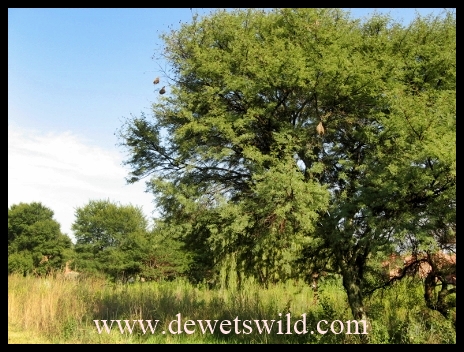
Serene Valley
While this week’s WordPress Challenge is specifically targeted at images taken with mobile phones, conventional camera photos aren’t excluded.

Almost exactly in the middle of the Kruger National Park, on the southern bank of the broad and mostly sandy Letaba River, you will find the Letaba Rest Camp – a tranquil retreat beneath large, shady trees.
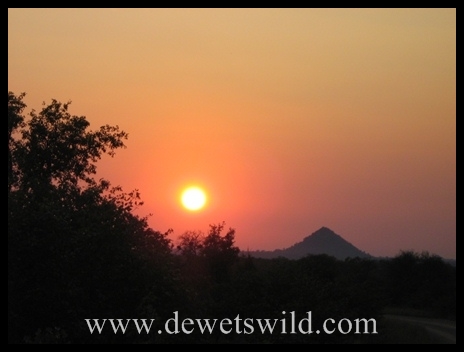
Sunrise between Phalaborwa Gate and Letaba Rest Camp
Letaba welcomed its first guests back in 1929, and remains very popular with visitors to this day. Hutted accommodation and camping is available for overnight guests, the restaurant offers sweeping views of the river and a spacious and shady picnic area, complete with swimming pool, is available to day visitors. Bushbuck, squirrels and a variety of birds have made themselves right at home among the accommodation units and provide endless entertainment to visitors lounging along the riverfront throughout the day.
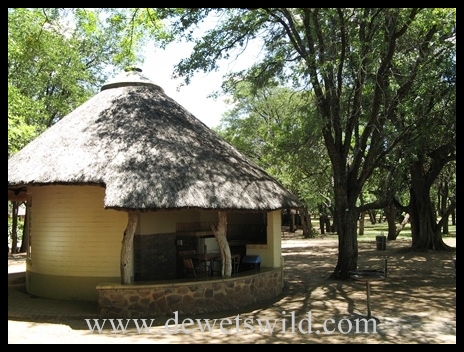
Letaba bungalow
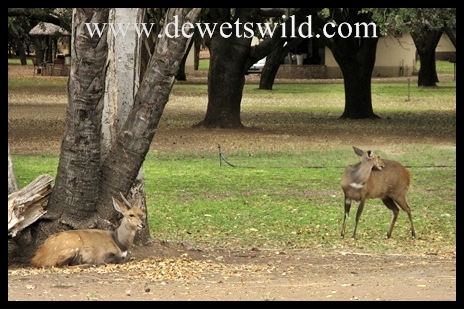
Bushbuck at home among the huts
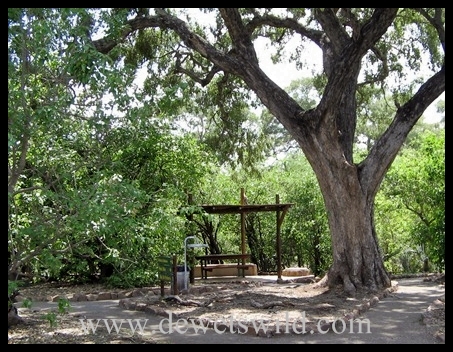
Day visitor picnic site
The Elephant Hall is a unique educational facility with exhibits dedicated to every facet of the elephant’s ecology. Also on display is the ivory of several of the Kruger National Park’s famous big tuskers that have sadly departed to heavenly pastures.
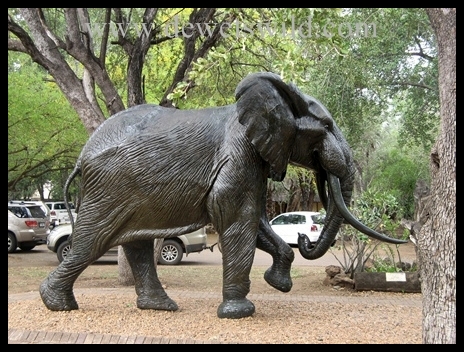
Elephant statue
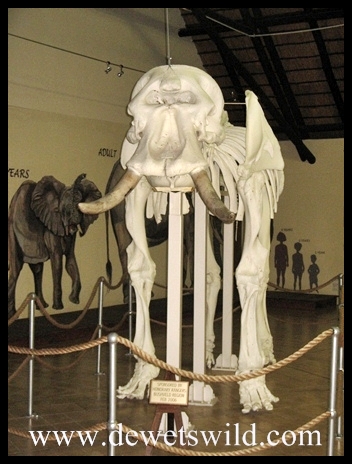
Elephant skeleton

Inside the Elephant Hall
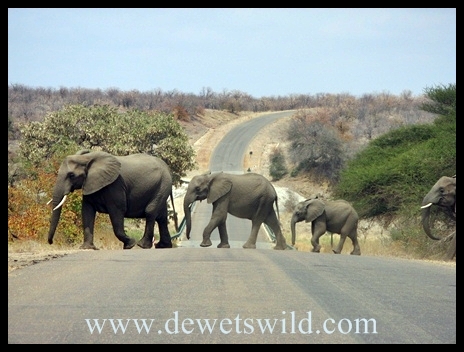
You then won’t be surprised when we tell you that Letaba is elephant country. Visitors here have an excellent chance of encountering both breeding herds and bulls carrying impressive ivory. Masthulele, probably Kruger biggest tusker at the moment, is in fact regularly seen along the river right in front of the camp.


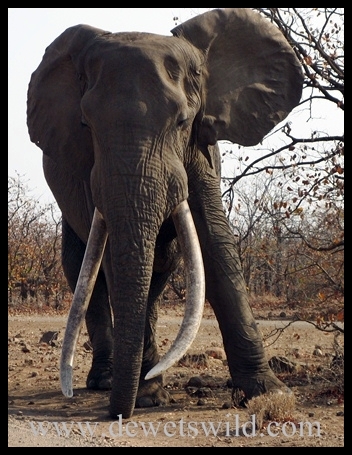
The late Hlanganini
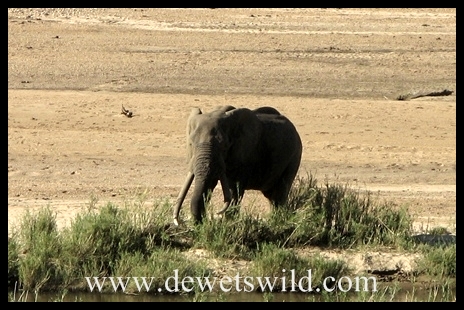
Masthulele
Buffalo is another member of the “Big-5” that occurs in large numbers in the Letaba area, and visitors are bound to see a variety of other wildlife, including predators, in the area.
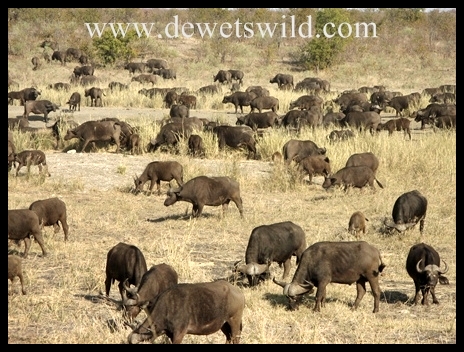
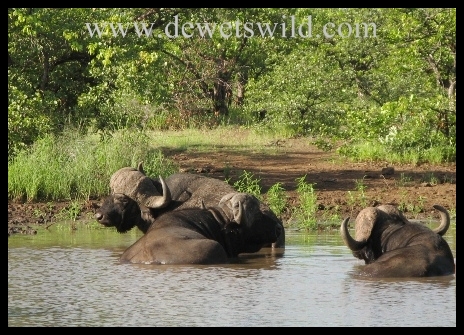
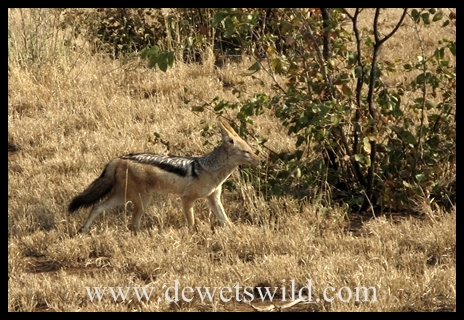


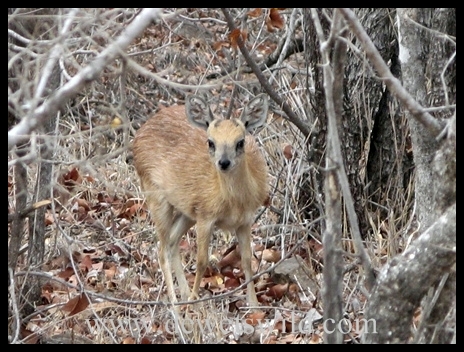

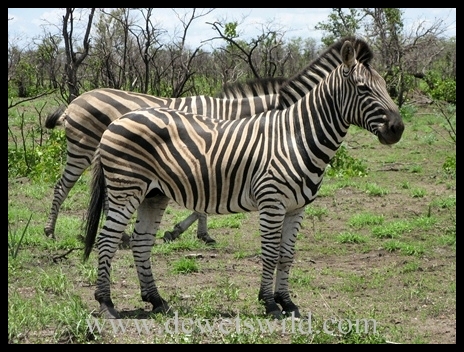
The best self-drive routes for game viewing from Letaba are those that track the course of the river; road S46 towards the south-east and road S47 to the north-west. Guided activities such as walks and night drives are also very popular.


Pay Letaba a visit and you’ll quickly understand why it is a firm favourite with many of the Kruger faithful!
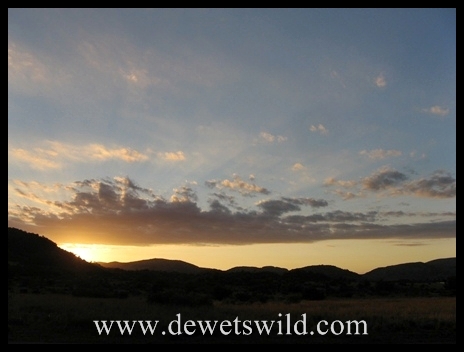
Sunrise over the rim of the ancient volcanic crater
Last Sunday Joubert and I accompanied my brother Niël to the Pilanesberg National Park for a day visit – as always it was good to get out of the city and into the wilds, even if only for a day. Pilanesberg’s four entrance gates are all within an easy two-hour drive from Pretoria so it wasn’t difficult at all to be at the Park’s Manyane Gate in time for it opening at 05:30. We departed again, through Bakubung Gate, just as dusk was settling over the reserve at around 18:00 that evening.
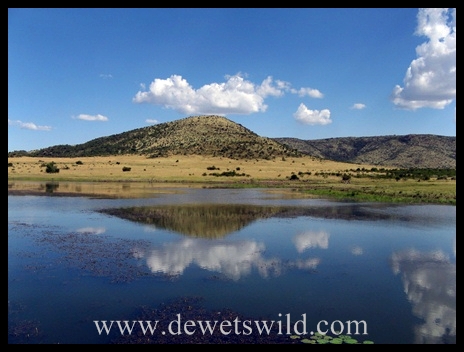
Lake Mankwe
We spent most of the day exploring the Park along the extensive network of roads and also spent some time in the various photographic hides (two of which was damaged considerably by elephants recently and in need of repair). Here’s a collection of photographs of Pilanesberg’s mammals, birds, reptiles and fish, all taken on Sunday.
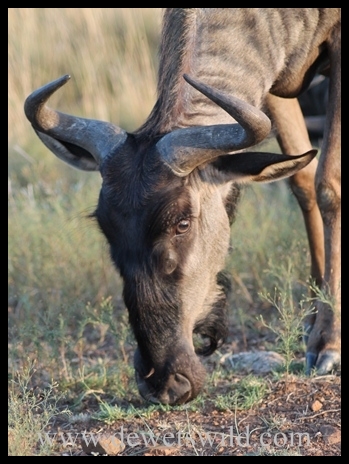
Blue wildebeest cow
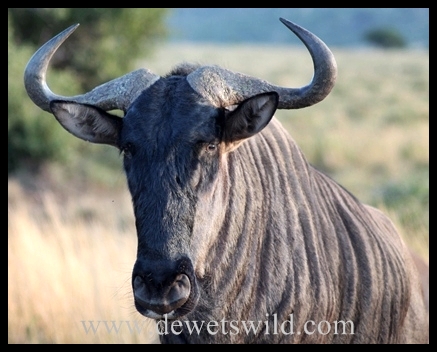
Blue wildebeest bull
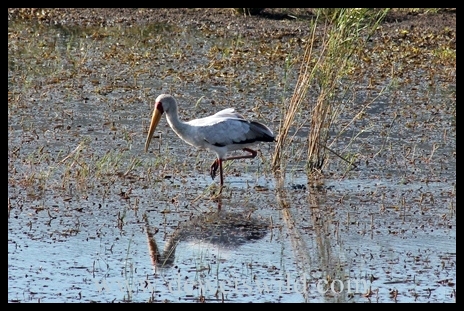
Yellow-billed stork
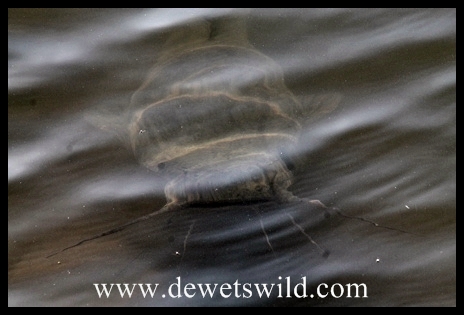
Barbel (catfish) ambushing small fish in the shallows
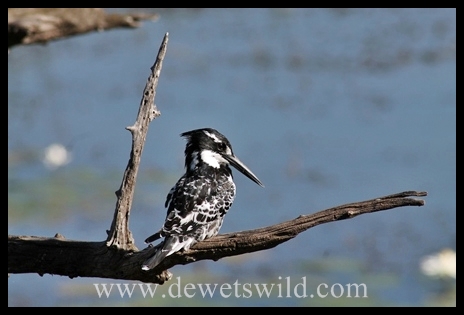
Pied kingfisher
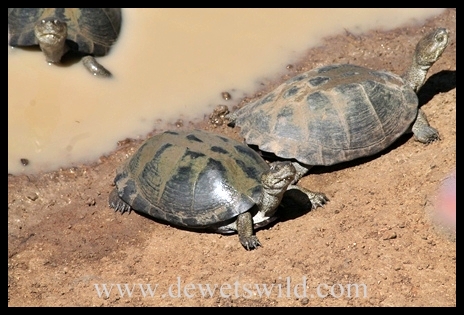
Terrapins
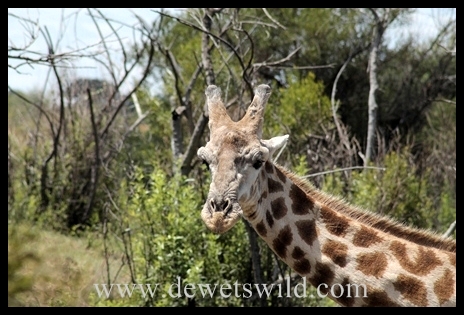
Giraffe
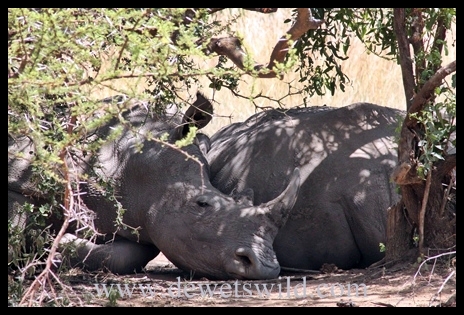
White rhinoceros

Kudu cow and calf
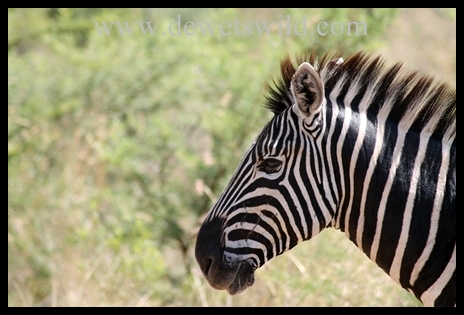
Battle scarred zebra stallion
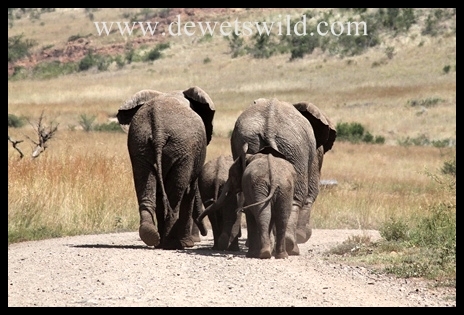
Elephants have right of way
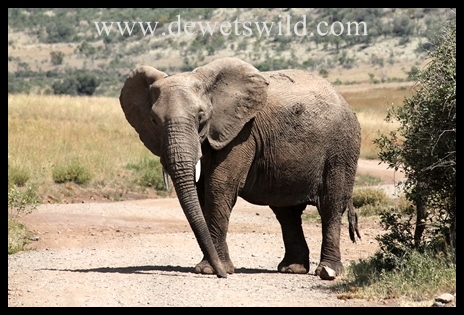
Elephant roadblock
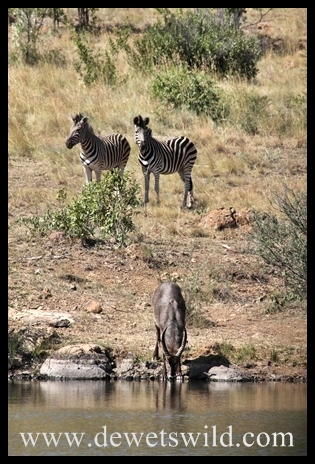
Waterbuck drinking
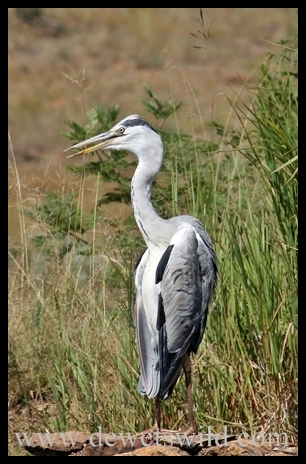
Grey heron cooling off next to the water
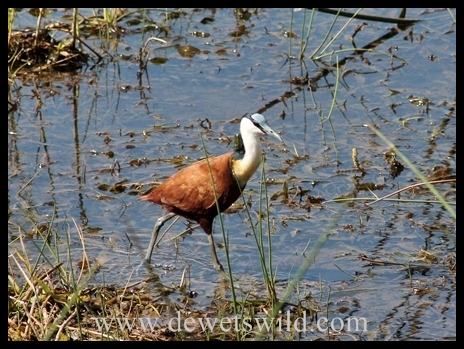
Jacana walking on submerged plants
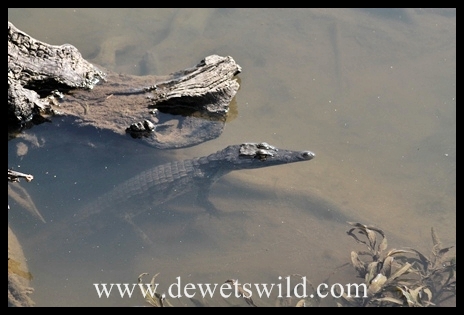
Juvenile crocodile

Little Egret in breeding plumage
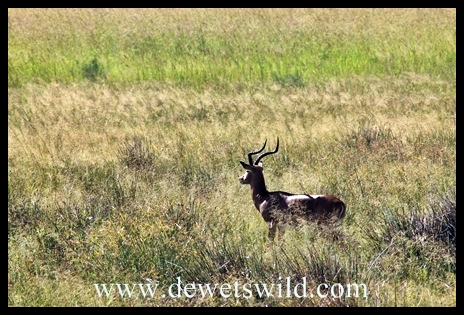
Impala
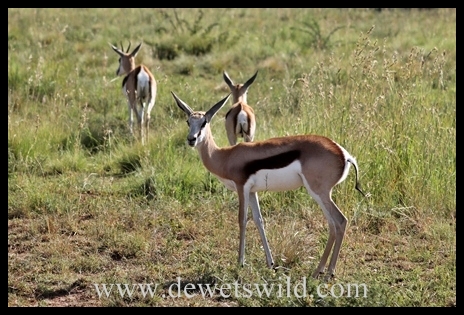
Springbok, South Africa’s national animal
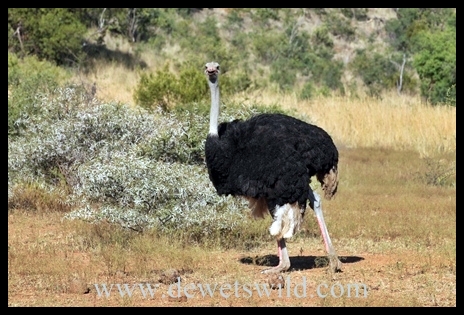
Ostrich
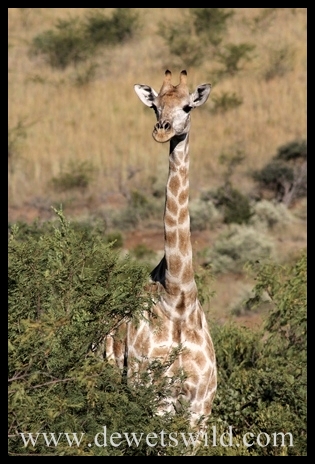
Curious giraffe
For more on Pilanesberg you can read all about our previous visit there in May 2012.
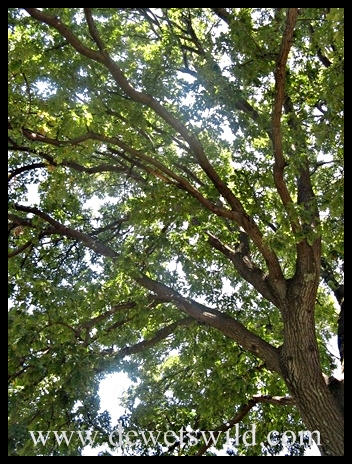
We’ve made mention before of how fortunate we are to live in Pretoria, where so many nature reserves are to be found in close proximity to the city. At 3600ha, the Rietvlei Nature Reserve is the largest of the nature areas within the city limits, and is located right at the southern edge of the metro.
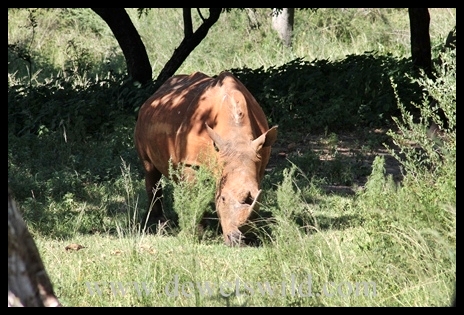
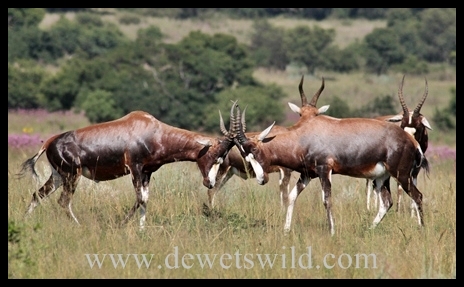


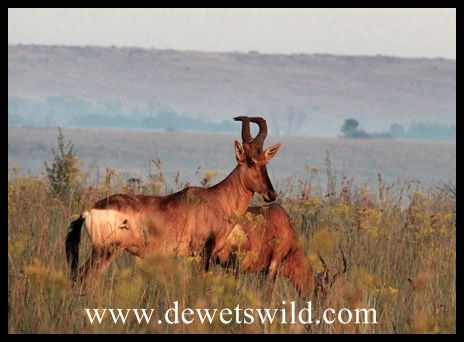
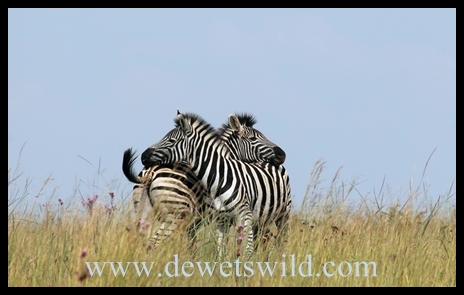
Rietvlei is an important reserve in that it protects a variety of rare and threatened plants, animals and habitats. Visitors are drawn by a wide range of birds and animals that include lion (in a separate 100ha camp), white rhinoceros, buffalo, hippopotamus, cheetah, brown hyena and large herds of zebra and antelope. In addition, the Rietvlei Dam offers opportunities for fishing and sailing, with hiking, biking and horse trails being attractive alternatives to driving around or spending hours in one of the four photographic hides for exploring to reserve. Visitors can even overnight in the reserve, with camping and chalets being available next to the dam. There are two picnic sites in the reserve and a coffee shop where you can enjoy delicious baked treats.
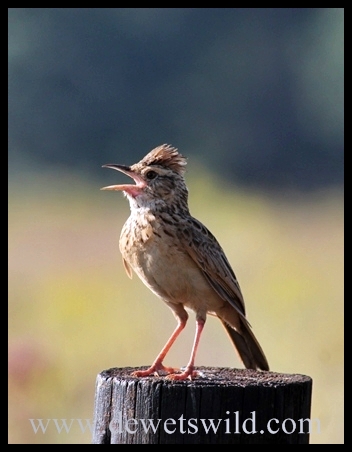

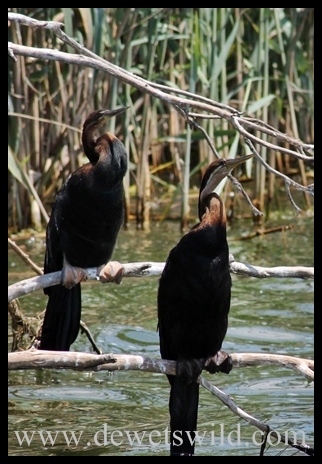
Unfortunately, due to its urban setting, the reserve can hardly be described as pristine and its management has to contend with a lot of human impact, much of it totally unavoidable and irreversible. The encroaching city sprawl almost surrounds the reserve while electricity pylons, water pipelines and invasive alien plants are very much in evidence. These negative factors however shouldn’t deter you from visiting Rietvlei – it has so much counting in its favour and it certainly is a popular retreat, especially over weekends, for city-dwellers intent on spending some time in the outdoors, as we were last Sunday.
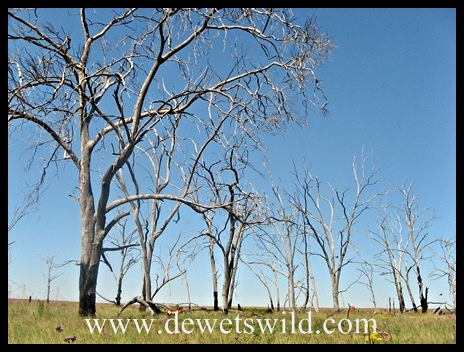
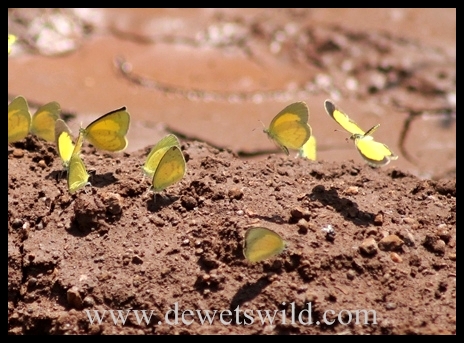
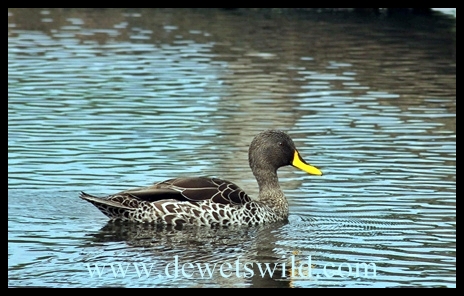
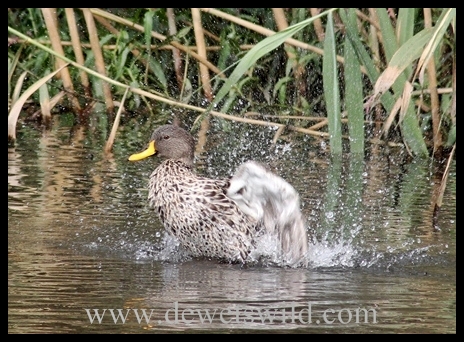
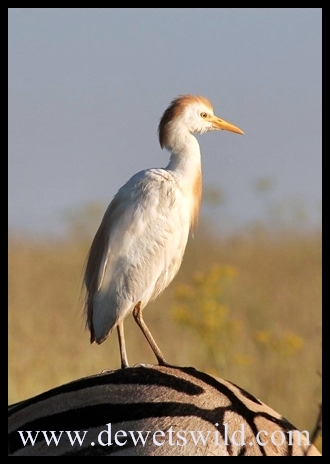
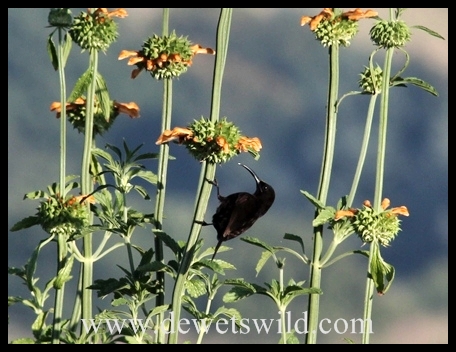
These photographs were taken this past Sunday in the Rietvlei Nature Reserve in Pretoria, South Africa – more from Rietvlei coming soon, so watch this blog 🙂 !

A river runs through it

A herd of eland dot a green hillside in the Rietvlei Nature Reserve
We’re participating in the online adventure travel and photography magazine LetsBeWild.com‘s Wild Weekly Photo Challenge for bloggers. This week’s challenge is “Green“
 DeWetsWild