Tag Archives: Mopani Rest Camp

Elephant mayhem at Mooiplaas

Marvelous Mooiplaas

There’s several waterholes in the Kruger National Park that have delivered us consistently good wildlife sightings over the years. One such drinking place is Mooiplaas, an artificial waterhole supplied by a borehole and windpump, adjacent to a natural wetland, about 5km to the south of Mopani Rest Camp. Directly translated from Afrikaans, Mooiplaas means “pretty farm”. The waterhole undeniably lives up to its name both in scenery and for the constant stream of birds and animals moving from the surrounding mopane vegetation to slake their thirst.

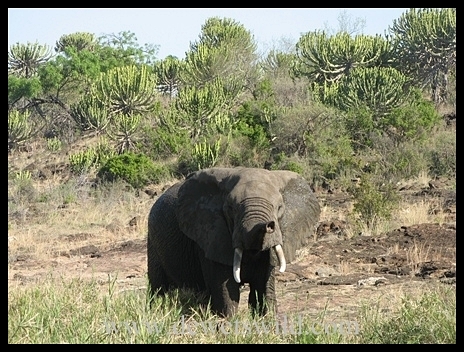
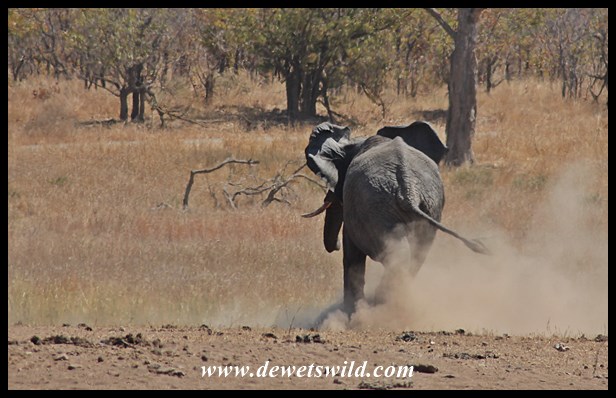
We visited Mooiplaas again on Heritage Day (24th September) while on our most recent visit to the Park. We arrived in the heat of the day, and found the place brimming with animals. Elephants, tsessebe, zebras, wildebeest, ostriches and a lone kori bustard were milling around, and from their behaviour we deduced that there must be predators around. Sure enough, in a clump of mopane shrubs, we saw two lions hiding from the heat; the female just out in the open enough to get photographic proof. It was obvious that these lions were not interested in hunting, and the animals could safely venture to the water for the moment. A young elephant bull caused a bit of an uproar among the plains game when he caught the lion’s smell on the wind, and started running around wildly, kicking up dust as he went.

After checking in for our night at Shipandani Hide, we decided to stop by Mooiplaas again in the late afternoon, and found that the lions had still not moved from their shady hideout. A group of elephant bulls were drinking from the reservoir, and a variety of birds were searching for food in the dust, but there was no sign of the large herds of zebra and antelope that frequented the area earlier in the day. Perhaps they understood that the lions would not be resting for much longer…

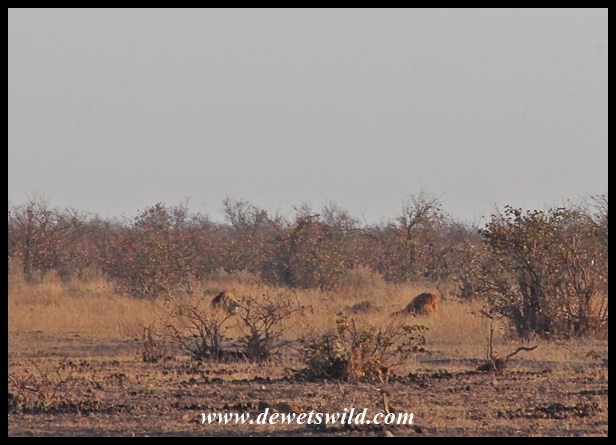
Throughout the night in the hide we could hear the lions roaring towards Mooiplaas, and of course that’s where we headed as soon as the gates opened. If the lions had made a kill during the night, the carcass wasn’t anywhere we could see it, and we had to be content with a far-off sighting of two large males lying in the grass some distance from the otherwise deserted waterhole.
Mooiplaas_25Sep2014

All too soon we had to leave, as we were heading for Shingwedzi and still had to return the keys for the hide to the reception at Mopani. Leaving Mooiplaas behind, we knew there would be more wildlife spectacles unfolding there that day. And we knew we’d return to Mooiplaas again as soon as we have the chance…


Saturated

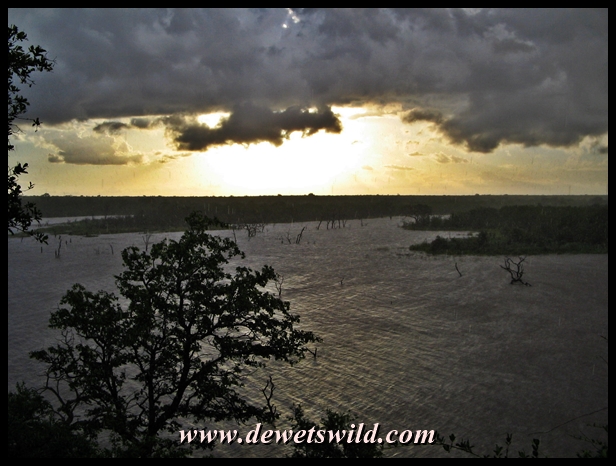
Heavy thunderclouds hanging threateningly above an already overflowing Pioneer Dam, at Mopani Rest Camp in the Kruger National Park

Saturated

Saturated” is this week’s photo challenge from WordPress

Scent

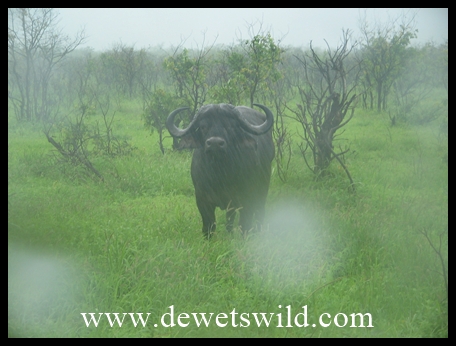
When it rains in Africa an incomparably sweet aroma lingers in the air. It’s a smell that rejuvenates the soul and stirs a deep connection with the continent and the country we call home.

This photograph was taken just north of Mopani Rest Camp, in the Kruger National Park

Scent

We’re participating in the online adventure travel and photography magazine LetsBeWild.com‘s Wild Weekly Photo Challenge for bloggers. This week’s challenge is “Scent

Mopani Rest Camp, Kruger National Park

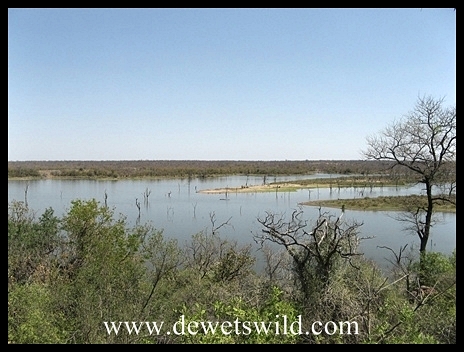
Mopani Rest Camp, named for the mopane tree with its butterfly-shaped leaves that dominates the plantlife of the northern Kruger National Park, is located just south of the Tropic of Capricorn. From its hilltop vantage point, the camp offers splendid views over the Pioneer Dam (with a rich aquatic birdlife) and the mopane plains beyond.

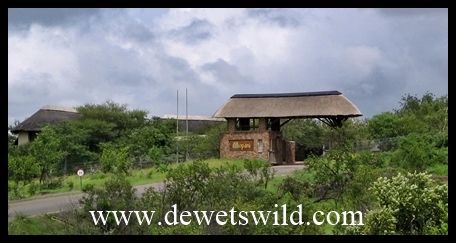
Mopani_gate

Mopani entrance

Mopani_bungalow

Mopani bungalow

Mopani has an unfair reputation for not being a very prolific game viewing area of the Kruger Park, mostly because the mopane shrub can get extremely thick and difficult to see through.

Mopani_impala

Impalas displaying just how thick the mopane’s can get!

However, if you choose your routes carefully, the Mopani area has very much to offer; the best drive is undeniably the circular route made up of the S49, S50 and S143 gravel routes to the east of the camp that skirts the Mooiplaas and Tinhongonyeni waterholes and the Nshawu Vlei (marsh). Mopani, and especially the area around Tinhongonyeni waterhole, is a hotspot for sightings of the rarer antelope and large birds like the kori bustard, ground hornbill, ostrich and secretary bird. In fact, Tinhongonyeni is one of the best waterholes in the entire Kruger National Park for overall game viewing, and a couple of hours there will assuredly be time well spent. Elephant and buffalo thrive in the Mopani area (there’s a herd of buffalo in the vicinity more than 1,000 animals strong) and we’ve had a number of good lion and cheetah sightings in the district.

Mopani_buffalo

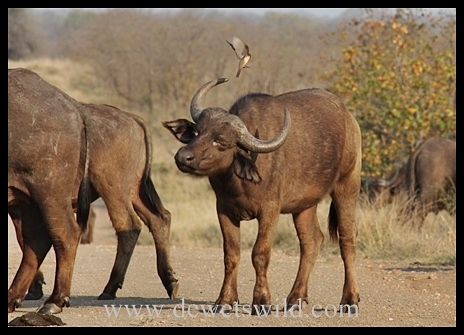
Buffalo in rainy weather

Mopani_buffalo2

This buffalo wasn’t overly happy to have his way blocked!

Mopani_charging elephant

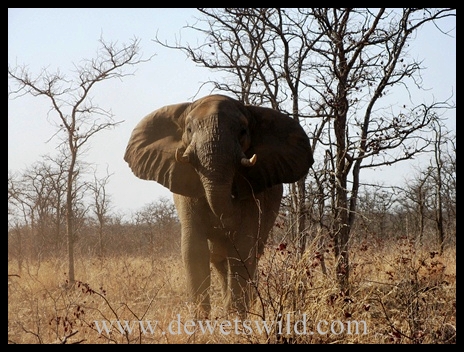
Unhappy elephant!

Mopani_eland

Eland – a rare sighting in Kruger – at Tinhongonyeni waterhole

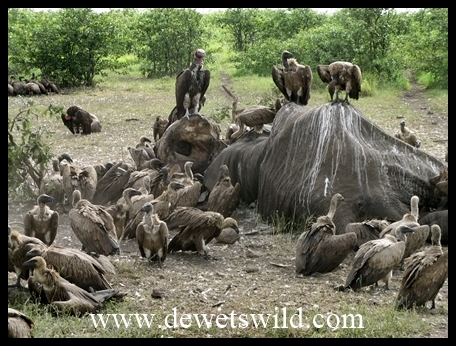
Mopani_elephant carcass

Vultures cleaning up the carcass of a tusker that died almost on Mopani’s doorstep

Mopani_elephant in the road

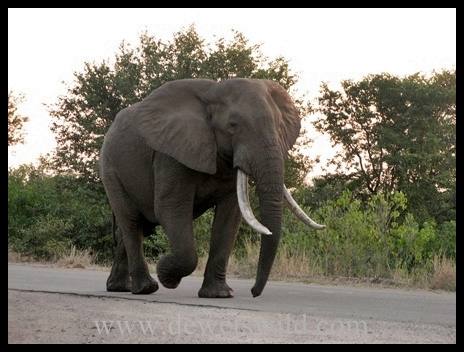
Claiming the road as his own, and who’s going to disagree?

Mopani_elephant procession

Elephant procession

Mopani_elephantbull

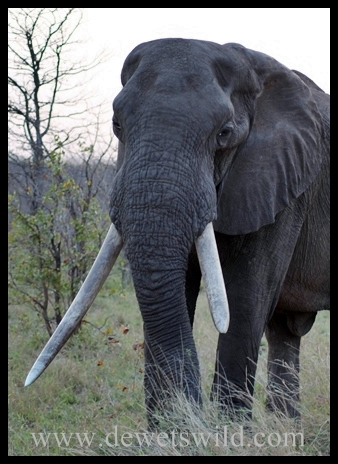
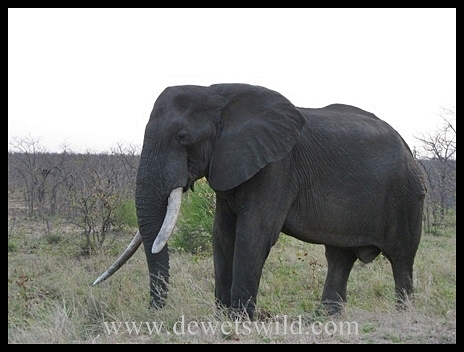
Lone elephant bull

Mopani_giraffe

Giraffe

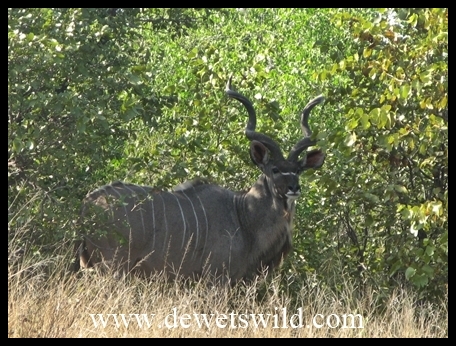
Mopani_kudu

Kudu bull

Mopani_lion

This lion gave us a terrible fright, as we stopped right next to him without knowing he’s there (we were watching a herd of tsessebe at that moment)

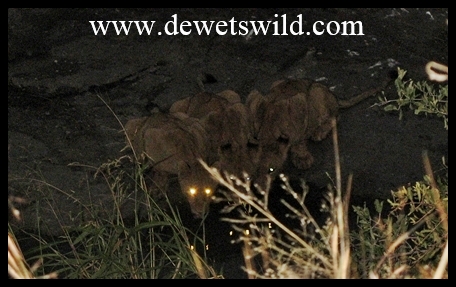
Mopani_lions

Lions quenching their early morning thirst just a kilometer from Mopani

Mopani_Reedbuck

Reedbuck are frequently seen in the Nshawu Vlei

Mopani_Tinhongonyeni

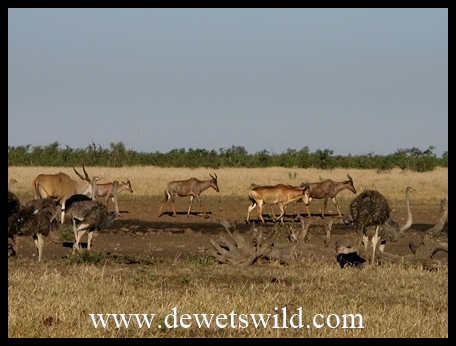
Tinhongonyeni waterhole, with three rare antelope in one shot: eland, tsessebe and Liechtenstein’s hartebeest

Mopani_tsessebe

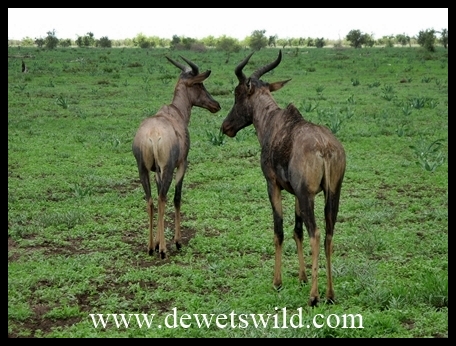
Tsessebe are seen more frequently near Mopani than anywhere else in the Kruger Park

Mopani_Tsessebe2

More tsessebe. Guess where? Tinhongonyeni!

Just south of Mopani, the Shipandani Hide, which overlooks a waterhole in the Tsendze River, offers a very different overnight experience as a single group of guests at a time may occupy the hide between sunset and sunrise.

Mopani_Shipandani

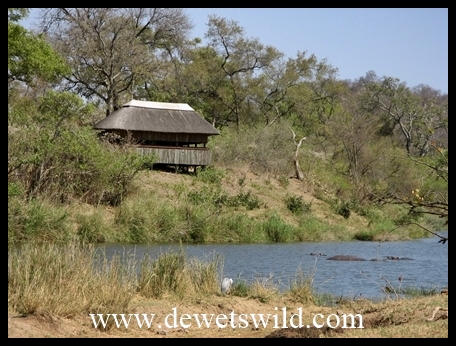
Shipandani Hide

Mopani_Shipandani_hippos

The neighbours at Shipandani

Mopani is also special to the de Wets for one more reason: it is here, in the glow of a magnificently romantic African sunset, that Marilize and I got engaged!

Mopani sunset

The scene was set to get down on bended knee!

Kruger’s Big Tuskers

There’s more than 14,000 elephants in the Kruger National Park, and of course they are a big drawcard for visitors to this game reserve, being charismatic animals and members of the famed “Big 5”.

For us too, encountering elephants is always a special treat: witnessing the interactions between different herd members or the playful antics of the calves, and there’s few things in nature as beautiful as the gait of a confident elephant bull, his massive head swaying from side to side,  intent on ensuring anything and everything in his way clears out before he gets there.

The Kruger Park is known as one of the few remaining places on the African continent where you still have the chance to see elephants carrying impressive tusks, sometimes in excess of 2 or even 3 metres in length and weighing anything between 40 and 70kg. In the Letaba Rest Camp there’s a fascinating  museum dedicated to the elephant, where visitors can also marvel at the tusks of some of Kruger’s most famous tuskers.

Over the years, we’ve been extremely fortunate to have encountered a handful of these living monuments while exploring the Kruger National Park, especially in the northern regions of the park in the vicinity of Shingwedzi, Letaba and Mopani Rest Camps. Traditionally, these remarkable giants are given distinctive names, either for the area they roam or in honour of Kruger staff members who have dedicated their lives to the protection of this special place.

Eventhough I was then only a child travelling to the Kruger Park with my parents, long before the advent of cheap (digital) photographic equipment, encounters with the magnificent Mandleve and Mabarule will live in my memory forever.

The photographs we’re sharing here are more recent. In January 2006, Marilize and I became two of the very small number of people to have had the honour of seeing Masbambela -we’ve already posted some pictures of him in a previous post (here)

MASBAMBELA_JAN06

Masbambela

Our sighting of Ngunyupezi in April 2007, when the whole de Wet clan went camping at Shingwedzi, was just as special – it was only the second officially recorded sighting of this enigmatic bull, whose left tusk characteristically grows almost straight down. At one point he charged at us, head held high and that straight tusk leading the way like the lance of a medieval knight! Ngunyupezi is still seen in the Shingwedzi area from time to time.

Ngunyupezi_APR07

Ngunyupezi

Hlanganini was a well-known tusker, regularly seen around Letaba Rest Camp. This is also where we met him, in September 2007. Hlanganini died a couple of years ago, following a fight with another bull.

HLANGANINI_SEP07

Hlanganini

During a visit in June 2011, my brother Niel and I came accross two of the new generation of Kruger  Tuskers: Machachule, right at Shingwedzi’s back gate, and Masanana, near Letaba.

Machachule_Jun11

Machachule

Masasana_Jun11

Masasana

We’ve already had five encounters with Masthulele, believed to be Kruger biggest tusker at the moment, over the years. This sighting was in April 2012 near Letaba, while visiting the Park with our friends the du Plessis’.

Edit: SANParks announced in September 2017 that Masthulele had died during 2016.

Masthulele_Apr12

Masthulele

During our visit in September of 2012 we were lucky to see two more tuskers: Mandzemba welcomed us back to our beloved Shingwedzi, while Ngodzi bade us farewell us we departed from Mopani. These two tuskers haven’t been named “officially” by Kruger’s management (yet) and their names are, for now, derived from waterholes found in their home ranges.

Mandzemba_Sep12

Mandzemba

Ngodzi_Sep12

Ngodzi

Everytime we visit the Kruger Park, we hope for another special appearance by one of these majestic animals. It may be years before we are fortunate to have our path cross one of theirs again, but when it happens it will surely be another thrilling experience!

Our 2012 in Pictures

For the final challenge of 2012, we decided to submit a selection of photographs of the various accommodation units we stayed in while exploring South Africa’s wild places this year (you can click on the images for a clearer view).

Have a look here for more submissions in this week’s challenge.

Surprise

This is a likely outcome when you surprise a temperamental elephant bull – he charges, kicking up dust as he goes!

(photo taken near Mopani Rest Camp in the Kruger National Park, South Africa)

For more of this week’s challenge: Surprise!

Weather

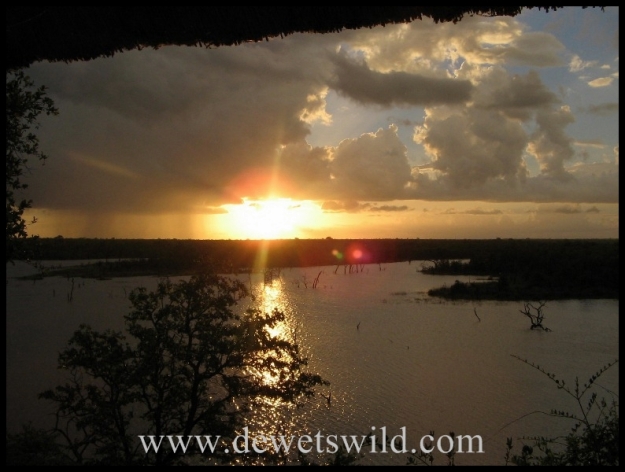
Just minutes before this picture was taken on the 17th of January 2006, a huge thunderstorm rumbled across the Pioneer Dam, overlooked by the Mopani Rest Camp, in the Kruger National Park. In this magical setting, with the afternoon sun dipping below the dark clouds, I proposed marriage to Marilize.

I’m participating in the LetsBeWild.com Wild Weekly Photo Challenge! This week’s challenge is weather!

Kruger National Park, September 2012

Spring has arrived in paradise!

We’ve just returned from another visit to our favourite place on earth – yes, the Kruger National Park (no prizes for correct guesses!).  We spent six days travelling the entire length of the reserve, from Pafuri in the north to Crocodile Bridge in the south.

The spring season arrives in South Africa in September, and it’s an excellent time to be out game-viewing in our country’s biggest game reserve.  Here’s a collection of some of the thrilling sightings we enjoyed on this trip.

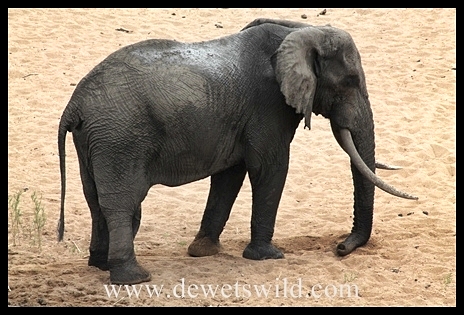
The Northern Kruger National Park is elephant country, and we encountered numerous bulls, including some large tuskers.

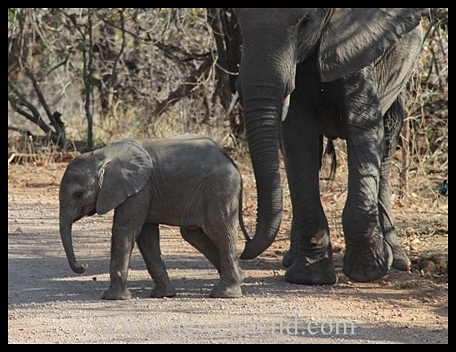
All the elephant herds we came across had small babies.

This one realised a bit late that mom had moved on, and ran as fast as his legs would carry him to catch up.

With spring’s fresh green growth, many young animals have already made an appearance.

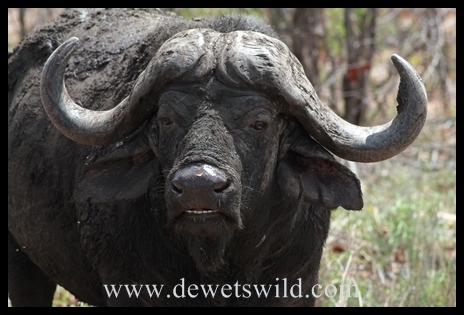
Buffalo are numerous and occur throughout Kruger, sometimes as loners and other times in huge herds several hundred strong.

These two cheetahs were devouring an impala they had caught in the dry bed of the Shingwedzi river, only about three kilometers from Shingwedzi Rest Camp.

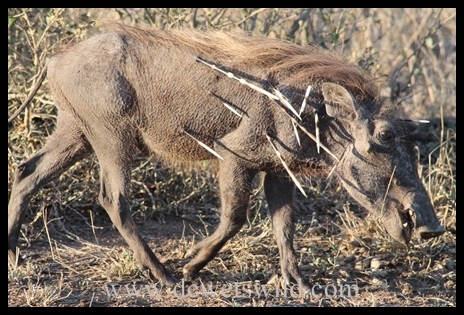
Near Satara, this warthog obviously had an altercation with a porcupine – we suspect it may have rushed into an already occupied bolthole a little too quickly!

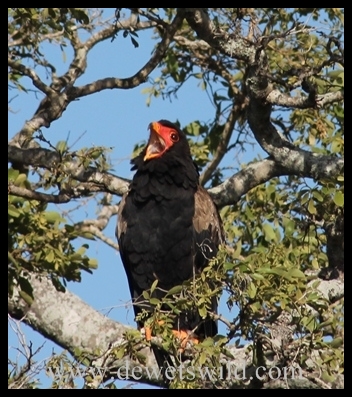
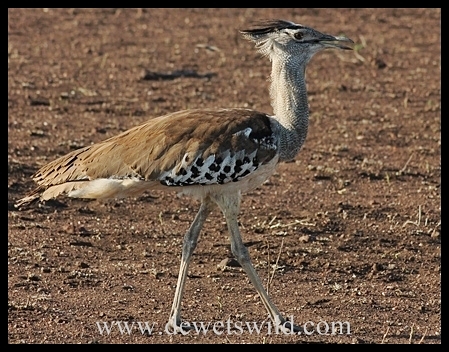
Some of the rarer bird species also made special appearances.

This chameleon was trying to blend in with the surface of the road it was crossing

Of course, to many Kruger visitors the lions are the star attraction. We’d be lying of we said we didn’t share their enthusiasm for these magnificent animals and we were lucky to cross paths with a number of them on our latest excursion. A pride roaring right next to Shingwedzi Rest Camp’s perimeter fence in the darkness of early morning, their deep booming voices rattling the window panes of our bungalow, was a memorable experience.

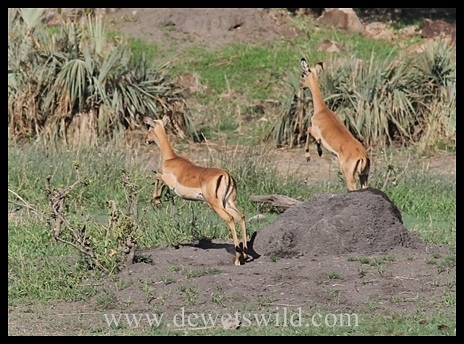
Some of the antelope were getting well into the “springy” swing of things

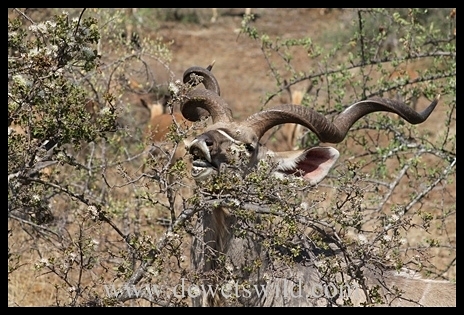
while others were indulging in more sedentary pastimes.

With World Rhino Day and the plight of our treasured rhinos in the relentless poaching firing line fresh in our minds, sightings such as this one of an impressive white rhino bull was all the more special.

For all our travels in South Africa’s wild places we’ve only rarely encountered side-striped jackals, and this is one of the best images we’ve managed to capture of these elusive animals.

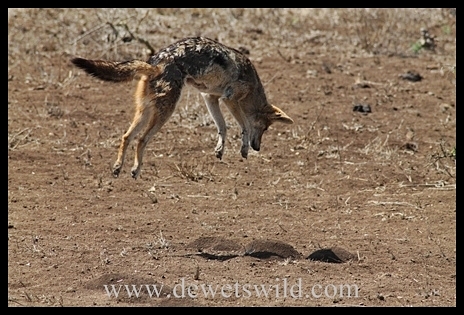
The absolute highlight of our trip was watching this acrobatic black-backed jackal (the side-striped’s much more common cousin) stalking and pouncing moles just north of Satara Rest Camp.

Any time we spend in Kruger National Park is always too little, and leaving through Crocodile Bridge Gate on our way to Pretoria, our heavy hearts could only be consoled by the knowledge that we’d be back soon…