Tag Archives: Letaba Rest Camp

Olifants Wilderness Trail, June 2013

Through our eyes

A small group of people are inspecting a dung-covered thorn-bush out in the African wilderness, the sun having just peeked over the eastern horizon, listening enchanted to their guide explaining the scene: “Long ago, the hippo lived on land with the elephant, the rhino and the buffalo. But Hippo complained bitterly to the Creator that his skin was far too sensitive for the African sun and pleaded to be allowed to live in the water. Crocodile wasn’t at all pleased with this arrangement though, fearing that the bulky hippo would eat all the fish in the river. Hippo then promised to spread his dung with his tail so that Crocodile could check that there was no fish bones in it. But the crocodile was still not convinced, as he’d have to go onto dry land to check Hippo’s dung, so Hippo put Crocodile’s mind at ease by saying that the rangers would check the dung on his behalf. And this is what we’re doing now, just checking that Hippo is keeping to his agreement with Crocodile”

My brother Niel and I arrived early morning on Saturday 15th of June for our annual brothers-trip to the Kruger National Park. We’d slowly make our way up to Satara Rest Camp that day, before joining the Olifants Wilderness Trail on Sunday afternoon at Letaba Rest Camp. Lots of time for relaxed game-viewing and photography along the way, and Kruger delivered the goods as always.

At 15:00 our Trail Guides Aaron and Louis meet up with Niel and I and the six other participants with whom we’ll be sharing our much-anticipated wilderness experience for the next three nights. It’s a two-and-a-half hour drive to the base camp, with frequent stops to appreciate the scenery and rich bird and animal life for which the Kruger Park is so renowned, and by the time we arrive darkness had already engulfed the small rustic camp.

The unspoiled African wilderness quickly makes friends of strangers, and there’s nothing to help the process along like a camp fire – or bush TV as Louis describes it because it’s so hypnotic. In the light of the dancing flames and with the grunting of hippos in the background, Aaron explains our schedule for the next three days and goes through some basic safety pointers for walking among dangerous wild animals. There’d be two days of walking, each starting with an early wake-up, coffee and rusks before dawn. At first light we’d drive a short distance into the wilderness before setting off on foot, spending four to five hours in the veld and enjoying a light picnic breakfast at a scenic spot, before returning to base for lunch and some quiet relaxation. The afternoon walks would be at a slower pace, taking in the setting sun from a beautiful vantage point, where after we’d return to camp for dinner before relaxing around the camp fire again. We’re also introduced to Shadrack, the shy camp caretaker and the cook responsible for the hearty traditional South African meals we’d enjoy for the next couple of days.

When walking in the bush, the focus shifts from the big hairy scary creatures to the smaller features that would normally go unnoticed while driving through the Park, although there’s always a good chance of encountering big game along the way. Easy to understand therefore why your heart would start racing when a scrub hare unexpectedly jumps up next to your feet while walking through the tall “adrenalin grass” next to the Hlahleni stream!

The Olifants Wilderness Trail has been running since 1979, and the little base camp is as rustic today as it was then. Four A-frame huts, each with two beds, provide accommodation to the trailists, who enjoy their meals and each other’s company at the communal boma and fireplace which has a commanding view over the Olifants River and the Lebombo Mountains. At the back of the camp are the pole-enclosed toilets and hot-water showers. There’s no electricity (or cellphone reception) at the camp, so in the evenings and early mornings paraffin lamps add to the camp’s peaceful atmosphere. This is wilderness at its uncluttered best, and a rich variety of birds and animals visit the camp and surrounds throughout the day.

Sitting atop a large boulder next to a deep river pool, watching the sun set over the Olifants while hippos are snorting and splashing just metres away, was the absolute highlight of our Olifants Wilderness Trail experience; an abiding memory that will remain with us forever.

All too soon the time came to return to civilisation. The mood on the vehicle was a lot more sombre on the way back to Letaba, and it was with heavy hearts that we said goodbye to Aaron, Louis and our fellow trailists.
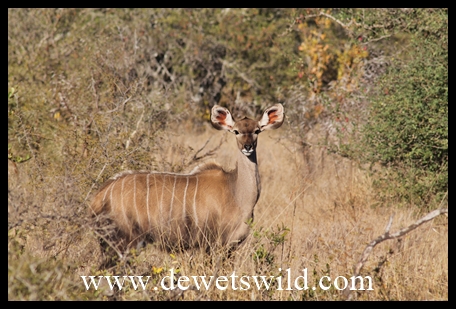
Kudu calf
Kudu calf

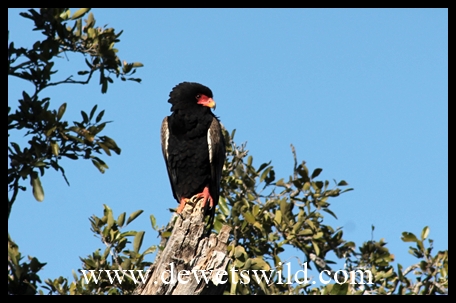
Bateleur

Bateleur

Giraffe bull

Giraffe bull

For Niel and I it was time to head back to the city, but Kruger had one more surprise in store for us on the way to Phalaborwa Gate. Masthulele, currently the biggest of Kruger’s Tuskers, accompanied by two younger bulls, was enjoying a drink from a pool in one of the dry river courses. How nice it was to bump into this familiar old friend!
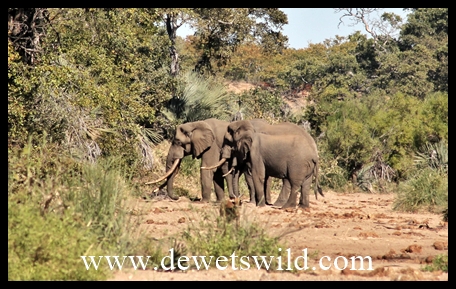
Masthulele

Masthulele

Crocodile at Sable Dam
Crocodile at Sable Dam
Curves

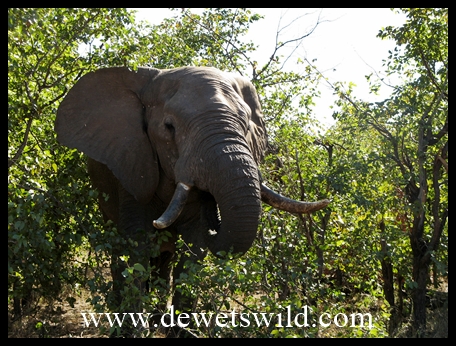
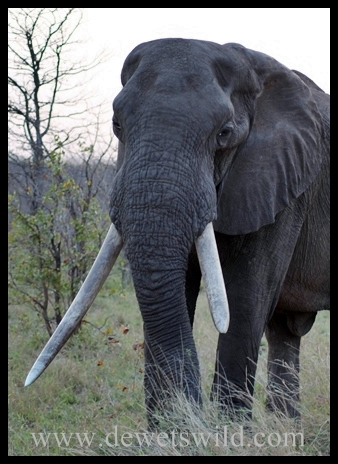
I took this photograph of an elephant bull with widely splayed tusks just outside of Letaba Rest Camp on our way out of the Kruger National Park yesterday, after my brother Niel and I had completed the Olifants Wilderness Trail (more on our fantastic trail experiences to follow later!).

Curves

“Curves” is the current photo challenge from WordPress

Letaba Rest Camp, Kruger National Park

Letaba_entrance

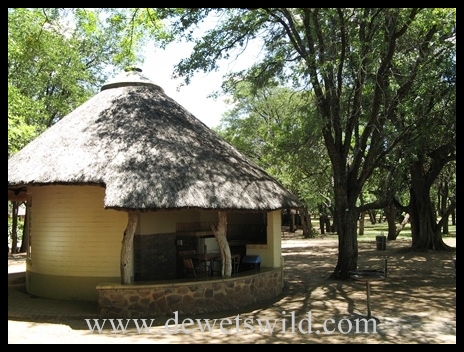
Almost exactly in the middle of the Kruger National Park, on the southern bank of the broad and mostly sandy Letaba River, you will find the Letaba Rest Camp – a tranquil retreat beneath large, shady trees.

Letaba_SunrisenearPhalaborwa

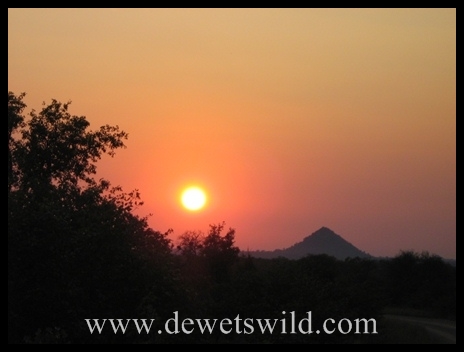
Sunrise between Phalaborwa Gate and Letaba Rest Camp

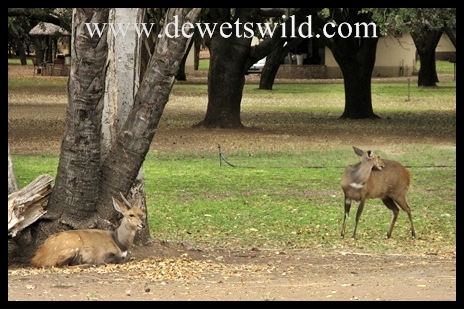
Letaba welcomed its first guests back in 1929, and remains very popular with visitors to this day. Hutted accommodation and camping is available for overnight guests, the restaurant offers sweeping views of the river and a spacious and shady picnic area, complete with swimming pool, is available to day visitors. Bushbuck, squirrels and a variety of birds have made themselves right at home among the accommodation units and provide endless entertainment to visitors lounging along the riverfront throughout the day.

Letaba

Letaba bungalow

Letaba_bushbuck

Bushbuck at home among the huts

Letaba_picnicarea

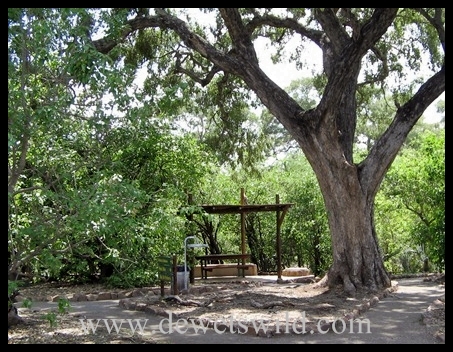
Day visitor picnic site

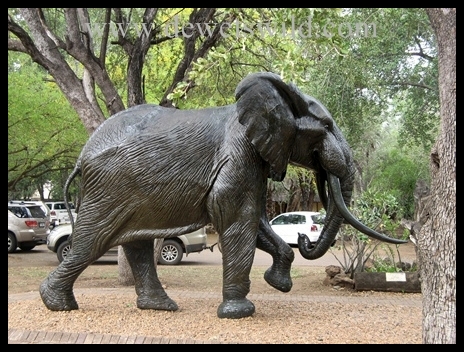
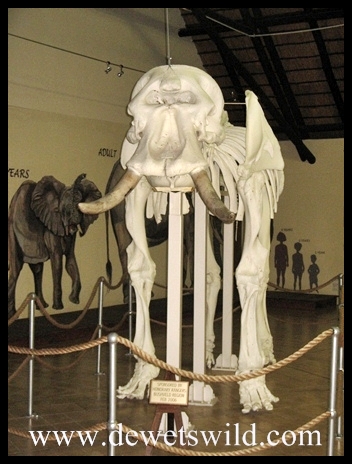
The Elephant Hall is a unique educational facility with exhibits dedicated to every facet of the elephant’s ecology. Also on display is the ivory of several of the Kruger National Park’s famous big tuskers that have sadly departed to heavenly pastures.

Letaba_ElephantHall2

Elephant statue

Letaba_ElephantHall1

Elephant skeleton

Letaba_ElephantHall3

Inside the Elephant Hall

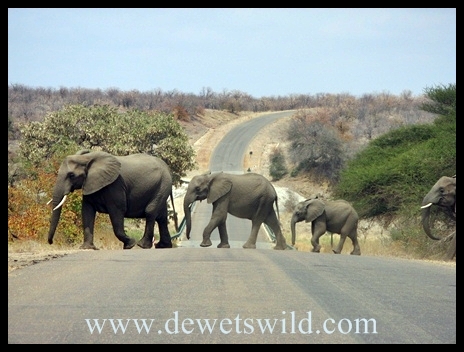
You then won’t be surprised when we tell you that Letaba is elephant country. Visitors here have an excellent chance of encountering both breeding herds and bulls carrying impressive ivory. Masthulele, probably Kruger biggest tusker at the moment, is in fact regularly seen along the river right in front of the camp.

Letaba_elephants1

Letaba_elephants2

Letaba_elephants3

Letaba_Hlanganini

The late Hlanganini

Letaba_Masthulele

Masthulele

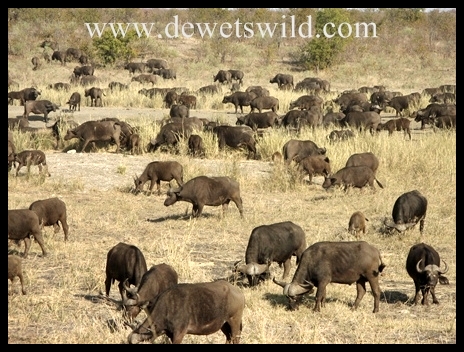
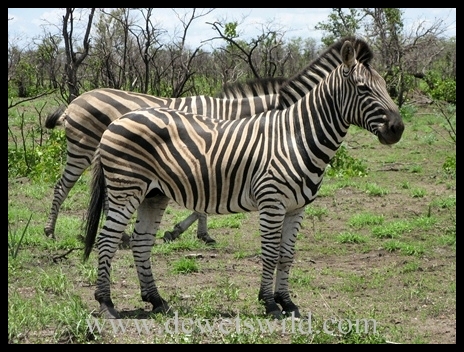
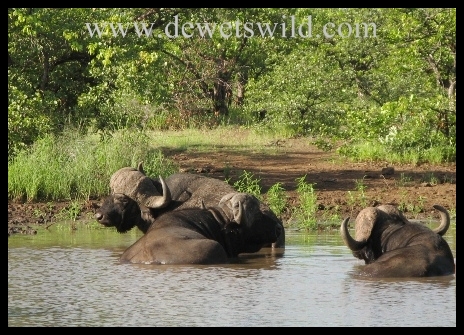
Buffalo is another member of the “Big-5” that occurs in large numbers in the Letaba area, and visitors are bound to see a variety of other wildlife, including predators, in the area.

Letaba_buffalo

Letaba_buffalo3

Letaba_Black-backedjackal

Letaba_CrestedBarbet

Letaba_cricket

Letaba_FishEagle

Letaba_Grysbok

Letaba_lioness

Letaba_zebra

The best self-drive routes for game viewing from Letaba are those that track the course of the river; road S46 towards the south-east and road S47 to the north-west. Guided activities such as walks and night drives are also very popular.

Letaba_buffalo2

Letaba_walk

Pay Letaba a visit and you’ll quickly understand why it is a firm favourite with many of the Kruger faithful!

Kruger’s Big Tuskers

There’s more than 14,000 elephants in the Kruger National Park, and of course they are a big drawcard for visitors to this game reserve, being charismatic animals and members of the famed “Big 5”.

For us too, encountering elephants is always a special treat: witnessing the interactions between different herd members or the playful antics of the calves, and there’s few things in nature as beautiful as the gait of a confident elephant bull, his massive head swaying from side to side,  intent on ensuring anything and everything in his way clears out before he gets there.

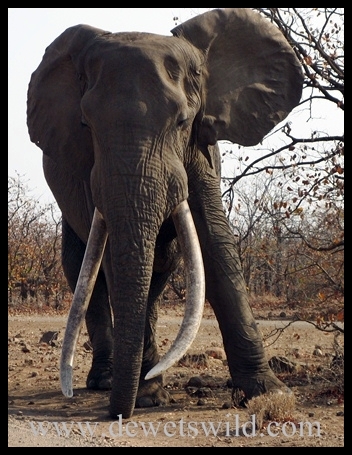
The Kruger Park is known as one of the few remaining places on the African continent where you still have the chance to see elephants carrying impressive tusks, sometimes in excess of 2 or even 3 metres in length and weighing anything between 40 and 70kg. In the Letaba Rest Camp there’s a fascinating  museum dedicated to the elephant, where visitors can also marvel at the tusks of some of Kruger’s most famous tuskers.

Over the years, we’ve been extremely fortunate to have encountered a handful of these living monuments while exploring the Kruger National Park, especially in the northern regions of the park in the vicinity of Shingwedzi, Letaba and Mopani Rest Camps. Traditionally, these remarkable giants are given distinctive names, either for the area they roam or in honour of Kruger staff members who have dedicated their lives to the protection of this special place.

Eventhough I was then only a child travelling to the Kruger Park with my parents, long before the advent of cheap (digital) photographic equipment, encounters with the magnificent Mandleve and Mabarule will live in my memory forever.

The photographs we’re sharing here are more recent. In January 2006, Marilize and I became two of the very small number of people to have had the honour of seeing Masbambela -we’ve already posted some pictures of him in a previous post (here)

MASBAMBELA_JAN06

Masbambela

Our sighting of Ngunyupezi in April 2007, when the whole de Wet clan went camping at Shingwedzi, was just as special – it was only the second officially recorded sighting of this enigmatic bull, whose left tusk characteristically grows almost straight down. At one point he charged at us, head held high and that straight tusk leading the way like the lance of a medieval knight! Ngunyupezi is still seen in the Shingwedzi area from time to time.

Ngunyupezi_APR07

Ngunyupezi

Hlanganini was a well-known tusker, regularly seen around Letaba Rest Camp. This is also where we met him, in September 2007. Hlanganini died a couple of years ago, following a fight with another bull.

HLANGANINI_SEP07

Hlanganini

During a visit in June 2011, my brother Niel and I came accross two of the new generation of Kruger  Tuskers: Machachule, right at Shingwedzi’s back gate, and Masanana, near Letaba.

Machachule_Jun11

Machachule

Masasana_Jun11

Masasana

We’ve already had five encounters with Masthulele, believed to be Kruger biggest tusker at the moment, over the years. This sighting was in April 2012 near Letaba, while visiting the Park with our friends the du Plessis’.

Edit: SANParks announced in September 2017 that Masthulele had died during 2016.

Masthulele_Apr12

Masthulele

During our visit in September of 2012 we were lucky to see two more tuskers: Mandzemba welcomed us back to our beloved Shingwedzi, while Ngodzi bade us farewell us we departed from Mopani. These two tuskers haven’t been named “officially” by Kruger’s management (yet) and their names are, for now, derived from waterholes found in their home ranges.

Mandzemba_Sep12

Mandzemba

Ngodzi_Sep12

Ngodzi

Everytime we visit the Kruger Park, we hope for another special appearance by one of these majestic animals. It may be years before we are fortunate to have our path cross one of theirs again, but when it happens it will surely be another thrilling experience!

Mine

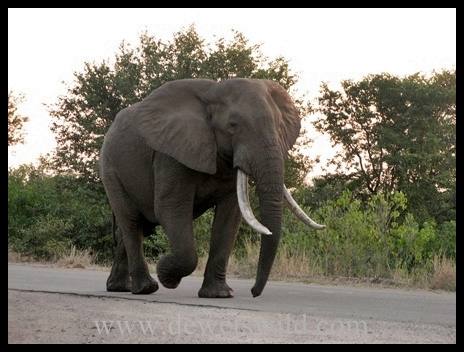
This elephant bull, photographed near Letaba in the Kruger National Park, was clearly not in any mood to share “his” road!

Everyday Life

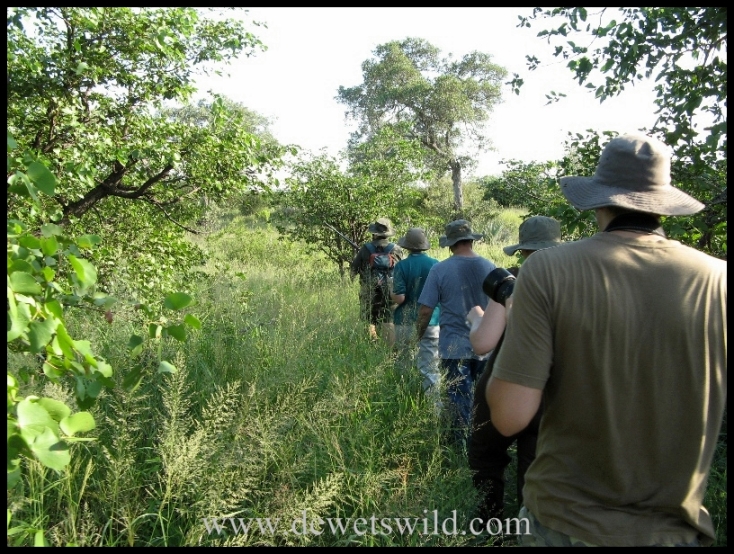
“Everyday Life” certainly depends on your perspective – to us de Wets this guided walking trail near Letaba in the Kruger National Park was a memorable and exciting experience, for the two ranger-guides it was just another day on the job (albeit a job they are very passionate about!)