Panthera leo
The lion. Such a short name for such a magnificent creature.
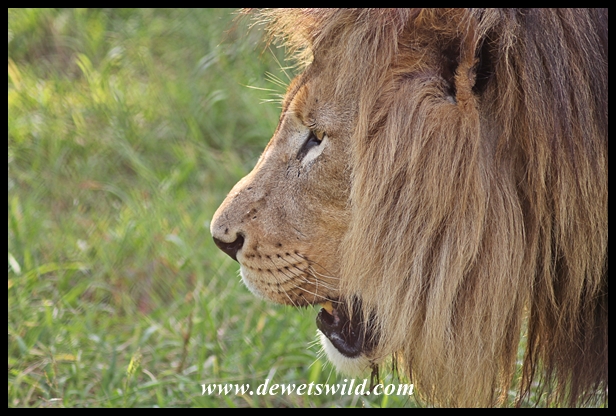
If there’s one animal that draws people from all over the world to our country’s wild places more than any other, it has to be the “King of the jungle”.

Lion

Lioness

Lion Kings of Addo

The King and Prime Minister of Imfolozi

Beautiful male lion (photo by Joubert)

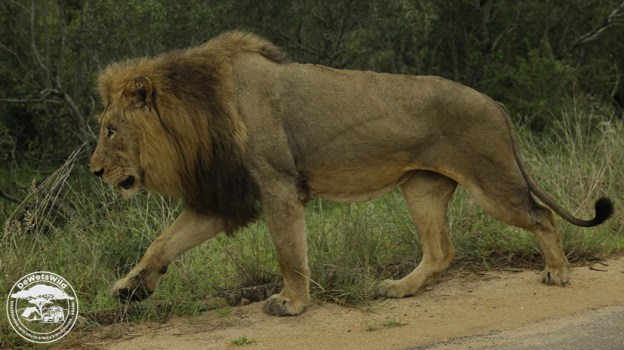
Young male lion on the move

Male white Lion in the Johannesburg Zoo

White Lioness
The lion is Africa’s biggest cat; males weighing over 200kg and standing up to 1.2m high at the shoulder.

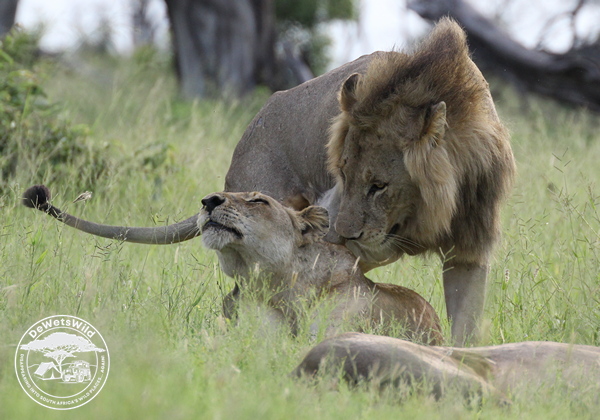
Mating lions

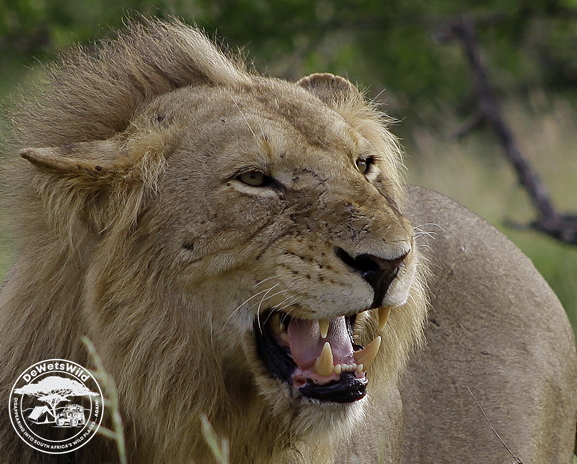
Snarling Lion (photo by Joubert)

Mating lions (photo by Joubert)

Lion (photo by Joubert)

Tawny Lion

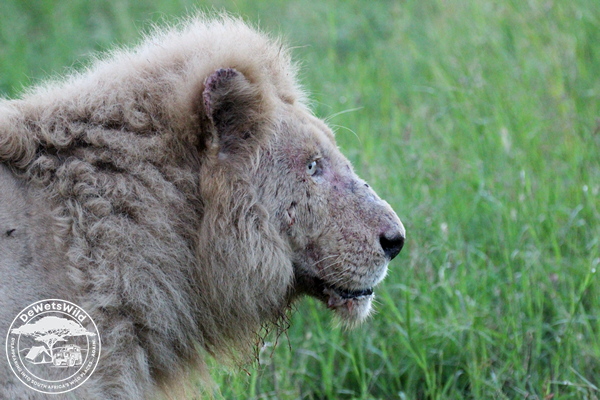
White Lion

White Lion

Four lionesses owning the road

Lioness close-up

Mating pair of lions

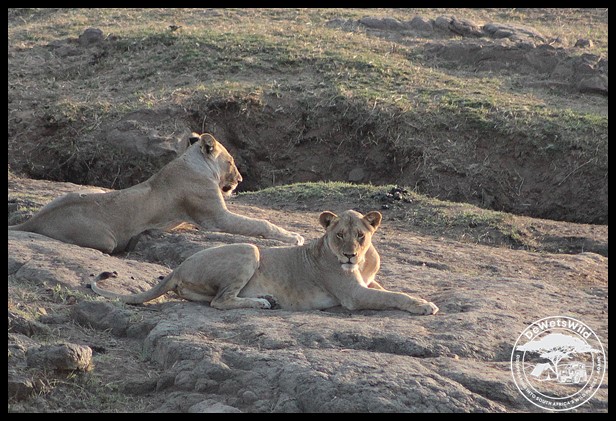
Lazy lionesses

Lioness

Lion

Domestic violence, lion style…

Lioness

Angry lioness

More lions!

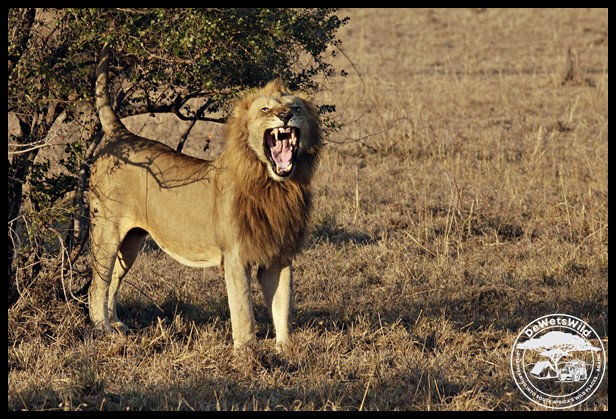
Proud male lion

Huge pride of lions

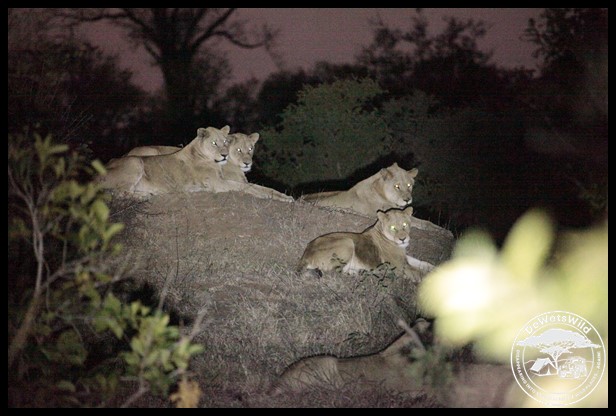
Lions in the dark, just outside camp

Lioness

Lionesses seeking shade

Lion cubs

Lazy lionesses

Lion cubs and one of the pride females

A lonely and scared little Lion cub

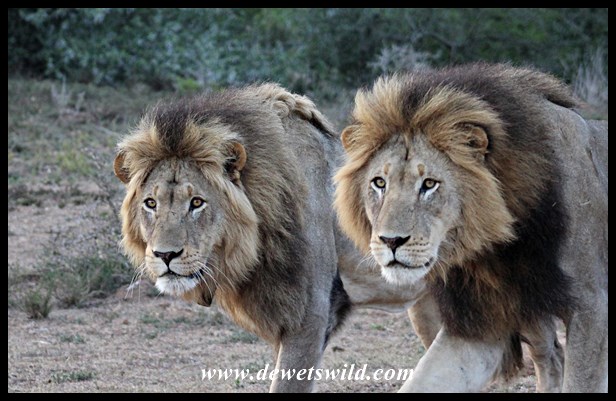
Lion brothers

Lion

Lioness

Lioness close-up

Lion

Lion
They’re very adaptable creatures, inhabiting almost any habitat where there’s enough prey to sustain them. They’ll prey on anything from insects to crocodiles, buffaloes, rhinos, hippos and even elephants, and can consume up to 40kg of meat in a single sitting. And despite their association with royalty, they’re not above stealing carcasses from other predators, or taking carrion. They’ll drink regularly if water is available, but otherwise can go without it for extended periods.

Lion Jarvis

Well-hidden lion

Lioness feeding from the carcass of a poached rhino

Young male lion at Marakele

Lioness (photo by Joubert)

The two Kings of Babalala

Getting up is hard work for this Lion (Photo by Joubert)

Watchful Lion (Photo by Joubert)

Beautiful male patrolling his territory at Red Rocks

Big male lion in the bed of the Mphongolo River

Beautiful male patrolling his territory at Red Rocks

Beautiful male patrolling his territory at Red Rocks

Lioness

Two of the Kambula Lions at Manyeleti

One of the males from the Kambula Breakaway pride

Lions after dark

Young male Lion
It is well known that lions are the most sociable of cats, living in prides that can number over 30 animals where food is abundant. These prides are controlled by single or coalitions of up to 6 adult males, defending territories in which the core of the pride, the adult females, can safely raise their cubs. The strength of the pride lies in the defending of territory, hunting of large prey animals, and communal care of the cubs. Depending on the availability of food, the territories can cover areas as large as 2000 square kilometres, scentmarked by animals of both sexes and loudly proclaimed by their distinctive roaring. Neighbouring prides will get involved in serious fights over territory, and when new males take over a pride it is seldom a bloodless affair, more often than not killing the cubs sired by the ousted males (who themselves are lucky if they escape alive). All in all, the life of a lion is not an easy one, and their lifespan is limited to only 12 to 15 years in the wild, if they reach adulthood at all.

Lion, Kruger National Park

Lion, Kruger National Park

Lion, Kruger National Park

Lion, Kruger National Park

Lion, Kruger National Park

Lion, Kruger National Park

Lion, Kruger National Park

Lion, Kruger National Park

Lion, Kruger National Park

Lion, Kruger National Park

Lion, Hluhluwe-Imfolozi

Lion, Kruger National Park

Lion, Kruger National Park

Lion, Kruger National Park

Lion, Kruger National Park

Sand River Lion

Kings of Addo

Kings of Addo, seen near Addo’s new Nyathi Camp

Kings of Addo

Lion pride with buffalo kill

Lion pride with buffalo kill

Lion love at Lower Sabie

Lioness and mate

Male lion

Pride of lions at Kumana Dam

Lioness pacing the H4-1 between Skukuza and Lower Sabie

Lion with his zebra meal, just outside Satara

Lion near Skukuza

Lion

A lion in the light of early morning, searching the Nshawu Marsh for easy pickings
Today, despite all the reverence afforded to it through the ages as a symbol of nobility and bravery, the lion is a species under threat. Ever increasing human populations, and their accompanying livestock, is shrinking the habitat and prey available to these powerful cats by the day. They are being persecuted as livestock killers. They’re being poached for their skin and heads as trophies, and for their bones, used in traditional Asian “medicine”, “tiger wine” and “love potions”. There’s many so-called “captive-breeding facilities” where lions are exploited for the same purposes. To top it off, the dwindling populations are susceptible to disease and inbreeding. Though estimates range widely, there’s probably no more than 30,000 wild lions remaining in Africa (maybe as few as 10,000), and perhaps 400 in India. In South Africa, there’s sizable populations finding protection in the Kruger National Park and the Kgalagadi Transfrontier Park, with smaller numbers in several other reserves, including Pilanesberg, Hluhluwe-Imfolozi, iSimangaliso, Tembe, Mapungubwe, Marakele, Addo, Karoo and Mountain Zebra.

Lion on a dune in the Kgalagadi

Lion watched by wildebeest

Lioness at Nossob’s fence

Lion close-up

Lioness peaking over a ridge

Lions at sunrise

Kalahari lioness

Lion pacing the Nossob

Kalahari Lioness

Kalahari lioness

Lazy lioness (photo by Joubert)

Lioness

Rietvlei’s lions live a life of leisure

Male lion at Mountain Zebra National Park

Male lion at Mountain Zebra National Park

Lions on a distant hillside

Lioness eyeing us and the buffaloes from the grass (photo by Joubert)

Lioness

Lioness
The 10th of August has been designated World Lion Day; “An independent campaign working to highlight the importance of the lion globally and to raise lion conservation awareness worldwide“


Lions preying on buffalo in the Pilanesberg National Park

Lions preying on buffalo in the Pilanesberg National Park

Mating lions at Mankwe Hide

Mating lions at Mankwe Hide

Beautiful Pilanesberg lion (photo by Joubert)

Beautiful Pilanesberg lion

Young lioness at the Rhino & Lion Nature Reserve

Big male lion at the Rhino & Lion Nature Reserve

Feeding time at the Rhino & Lion Nature Reserve

Energetic female lions at the Rhino & Lion Nature Reserve

Feeding time at the Rhino & Lion Nature Reserve

Feeding time at the Rhino & Lion Nature Reserve

Feeding time at the Rhino & Lion Nature Reserve

Feeding time at the Rhino & Lion Nature Reserve

Lion at the Rhino & Lion Nature Reserve, April 2021

Male White Lion

Male White Lion

Lion roadblock (photo by Joubert)

Lion roadblock

Lion pride at Lubyelubye

Lionesses and cubs laying claim to a Sand Bank in the Sabie River

Young male lion

Lion just outside Pretoriuskop

Lioness in the minutes before dawn (photo by Joubert)

Pregnant Lioness

Lion (photo by Joubert)

Lion (photo by Erlo van Aswegen)

















 DeWetsWild