

My sister, Ansie, and I headed to the Kruger National Park for a 5 night visit in the early morning of Friday 17th July. After our latest trip to Hluhluwe-Imfolozi Park, Marilize had business to attend to and Joubert had to be back at school the following Monday, as the winter school holidays had come to an end. This therefore was a great opportunity for some sibling bonding in a place where we’d spend many wonderful days together growing up. Just a few hours easy drive along the N4-highway got us safely to Malelane Gate, on the southern border of the reserve, at around 08:30.
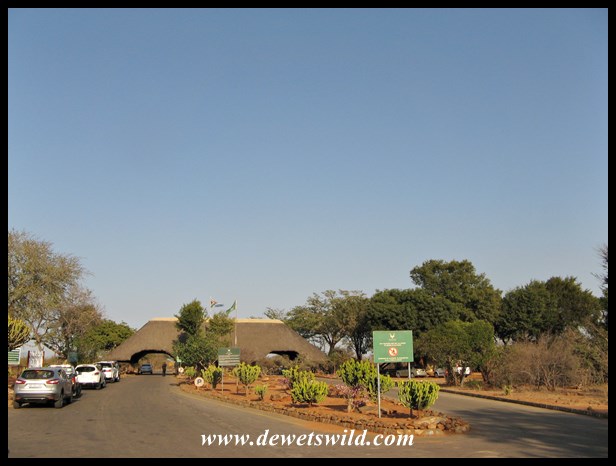
Malelane Gate, always a welcome sight after the drive from Pretoria
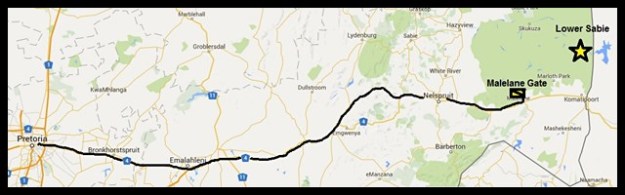
The route from Pretoria to Malelane, approximately 380km (drawn with Google Maps)
Just a few minutes spent getting our entry permit issued and to send a few quick text messages to let the loved ones back home know we arrived safely, before setting off into the Park. Our route took us along the S25 Crocodile River drive to Lower Sabie Rest Camp, where we’d booked the next two nights in a safari tent on the bank of the Sabie River.


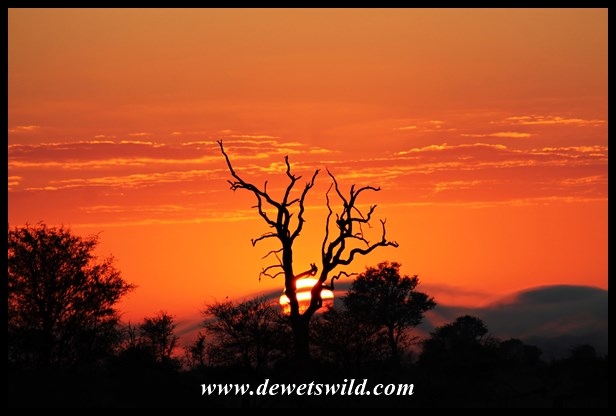
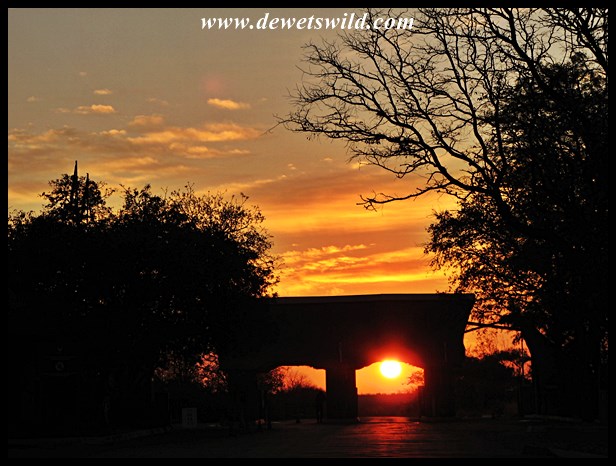
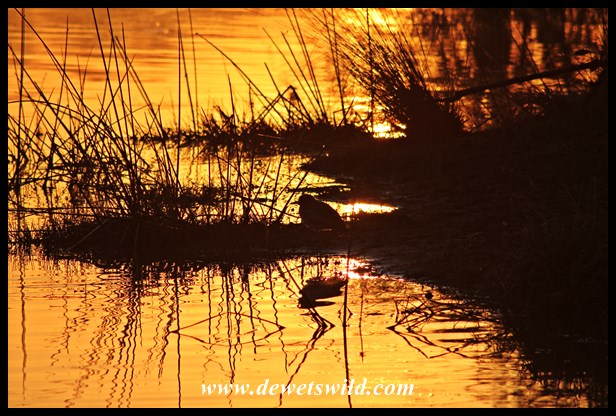
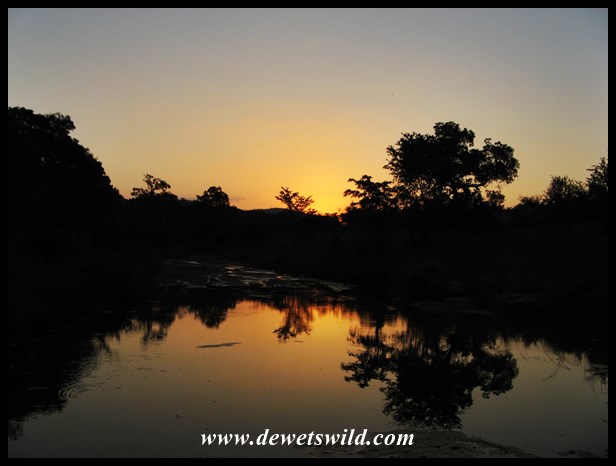
After checking into our accommodation and unpacking the luggage and supplies, it was time to get back on the road again for our afternoon drive. We opted for just a short drive past Duke’s waterhole and Nthandanyathi Hide to the south of camp, and spent the last few minutes before the gates closed enjoying a magnificent sunset from the causeway over the Sabie just outside camp.


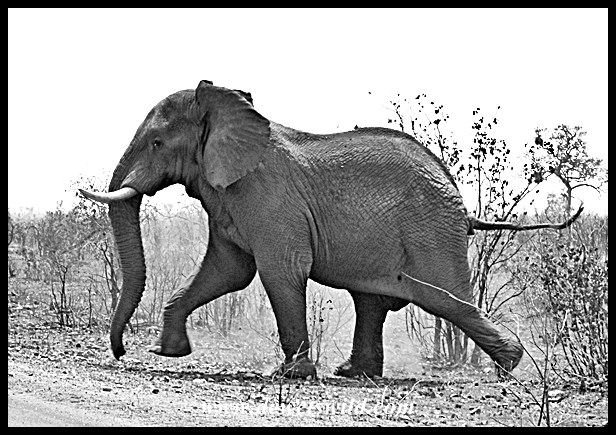
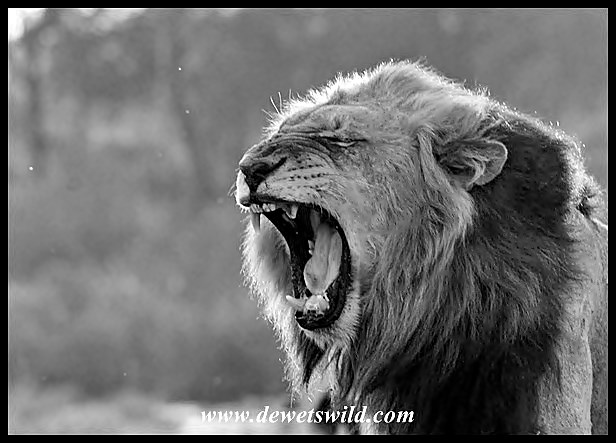
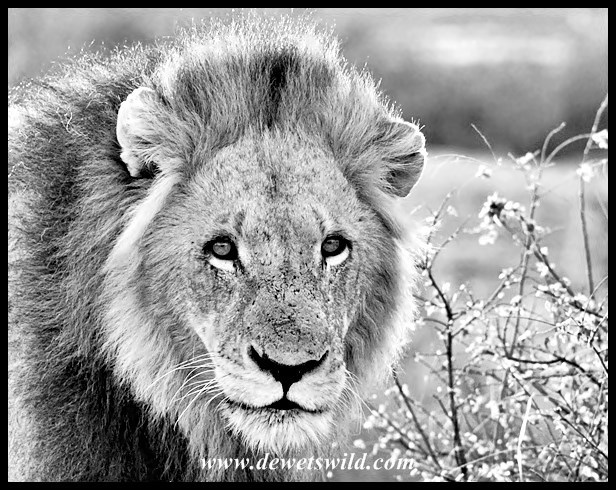
We awoke early on Saturday morning, eagerly anticipating what Kruger would have in store for us that day. We decided to stay out all day, and were one of the first vehicles waiting at the camp’s gates to open at 06:00. Lower Sabie’s renowned for predator sightings, which explains why it is so popular among visitors and often fully booked months in advance. Not long after leaving camp we encountered a pride of lions near Lubyelubye, keeping Lower Sabie’s reputation intact. After being robbed of our breakfast rusks by a big baboon at Nkuhlu Picnic Spot, we continued along the Sabie and onwards to Transport Dam via the S65-route. From there we had to get past a considerable traffic jam (where two lionesses, apparently with well-hidden cubs, were baking in the sun on a rocky outcrop), to get to Skukuza, where we enjoyed a picnic-lunch at the day visitors area near the Selati railway bridge. To get back to Lower Sabie, we chose the S21 Nwatimhiri Road, a gravel route that follows the course of the mostly dry stream of the same name. We were one of the first cars out that morning and one of the last to return to Lower Sabie that evening, just minutes before the gates closed at 17:30 – a long but very rewarding day in the wilds of the Kruger National Park.


After dinner, it was time to take our usual stroll through the camp, taking some night time photos along the way, before turning in.


Sunday was another early start to the day – we had to pack and head to Satara Rest Camp, northwards from Lower Sabie. We detoured to Mlondozi Picnic Site for breakfast, and ticked a quick leopard sighting (no photos unfortunately) about half-an-hour after leaving camp, completing the Big-5 for the trip less than two days into our visit. A quick pit-stop at Tshokwane and then arrived at Satara just in time for lunch, under the watchful eye of several of the camp’s feathered inhabitants.


Satara is the departure point for the next part, and undoubtedly the highlight, of this particular trip to Kruger – the Sweni Wilderness Trail. I’ll be telling you all about this incredible experience soon, in another installment of de Wets Wild.


 DeWetsWild