Category Archives: North West Province

Our experiences in the reserves of the North West Province, South Africa

Kgaswane Mountain Reserve

It is hard to imagine a more peaceful mountain retreat than Kgaswane, especially so close to the maddening cities of Johannesburg and Pretoria.

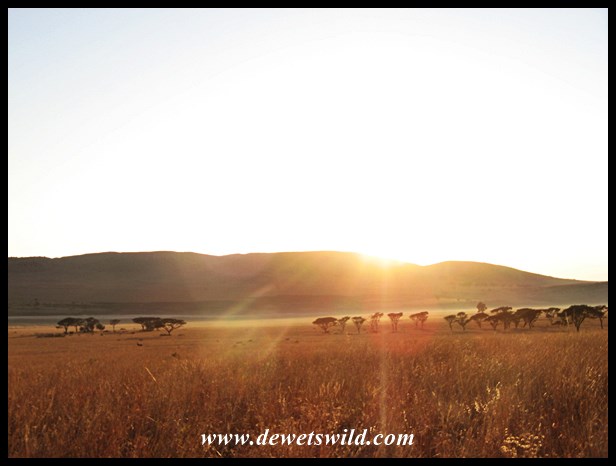
Kgaswane sunrise, taken by Joubert!

Kgaswane sunrise, taken by Joubert!

Located in the western Magaliesberg mountain range, the Kgaswane Mountain Reserve forms an integral part of the Magaliesberg Protected Environment, an inspiring collaboration between private and state land owners and agencies to protect this beautiful ecosystem from exploitation. Proclaimed in 1967 as the Rustenburg Nature Reserve, incorporating the farm Rietvallei that once belonged to Paul Kruger (legendary president of the Zuid-Afrikaansche Republiek), Kgaswane today covers an area of 5,300 hectares and is managed by the North West Parks and Tourism Board.

Kgaswane

The reserve is a popular hiking destination, with two overnight hikes; the Summit Route of 25km and the Baviaanskrans Route of 20km, each trail with two overnight hutted camps accommodating twelve hikers at a time. For day visitors, the 5km Peglerae Trail and 2km Vlei Ramble (which incorporates a bird-viewing hut overlooking the marshlands below the main visitor centre) is an excellent introduction to Kgaswane’s varied topography and habitats, with wonderfully shaded picnic sites available at the visitor centre. While the road network may be limited, it is tarred and in good condition, allowing for easy game and bird-viewing from vehicles and mountain bikes. There’s three spectacular viewing points along the way into the mountains from the entrance gate. Joubert and I spent a night on one of the twenty-two spacious camping sites and found the ablution facilities well maintained and entirely adequate (just remember to bring your own bath and sink plugs). There are no powerpoints at the camping sites but each site has a braai (barbeque) stand and picnic table and there’s a communal freezer available in the scullery. Best of all, there’s little to no cellphone reception in the camping area so no telemarketers can interfere with your rest and relaxation! Accommodation is also available in a self-catering cottage and two rondavels that sleep a combined 14 people and a group camp that can house up to 50 people in dormitory-style.

The Magaliesberg dominates the scenery at Kgaswane with rocky ridges, stacked boulders and deep ravines. The vlei (marsh) on the plateau is the largest in the Magaliesberg, and an important catchment area.

The reserve hosts good, though skittish, populations of a variety of game animals; we encountered black-backed jackal, baboon, warthog, eland, red hartebeest, plains zebra, oribi, reedbuck, blesbok, impala, kudu and waterbuck. The reserve’s birdlife is even more diverse, with 320 species recorded, including a breeding colony of endangered Cape vultures. Kgaswane’s most prized residents are the herds of the magnificent and rare sable antelope. It was here in the Magaliesberg that these regal animals first came to the attention of the scientific community, thanks to explorer Major Sir William Cornwallis Harris, in the 1830’s. But unlike Harris, we were not lucky enough to find the sable on our first visit to Kgaswane. And that’s just one of the excuses we’ll use to visit again, soon…

Kgaswane Mountain Reserve lies on the outskirts of the city of Rustenburg, in the North West Province, an easy 3km from the R24 offramp on the N4 highway and 134km from our home in Pretoria.

Pretoria to Kgaswane <br />  (map drawn with Google Maps)

Pretoria to Kgaswane
(map drawn with Google Maps)

Humanity…

Sometimes, people get up to some really dumb antics when “confronted” with nature.

This crowd of men, women and (most shockingly) children, for example, have trapped something against this building in the Blyde River Canyon Nature Reserve. What is it, you may ask? Well, only an extremely dangerous Mozambique Spitting Cobra (no, I wasn’t going to try and get close enough to a cornered venomous snake to take a picture 🙂 )

Humanity1

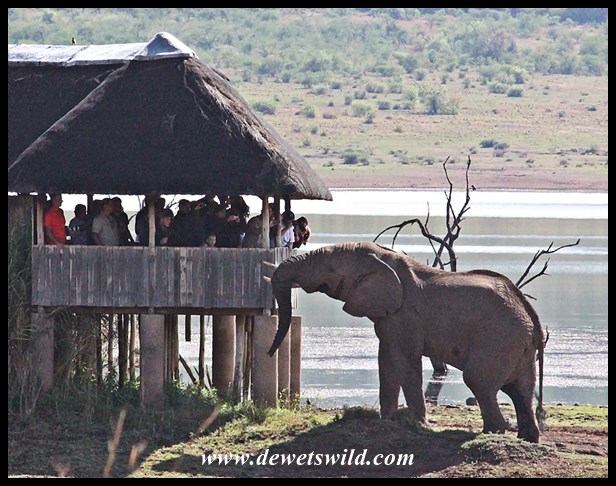
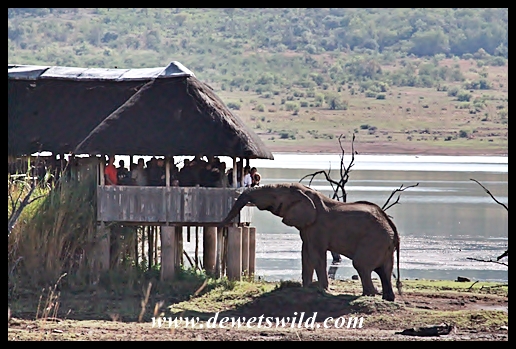
And these people seem not to realise that this elephant bull could, if he was so inclined, easily reach any of them inside the Mankwe Hide in the Pilanesberg National Park

Humanity2

Humanity” is this week’s WordPress Photo Challenge theme.


Between

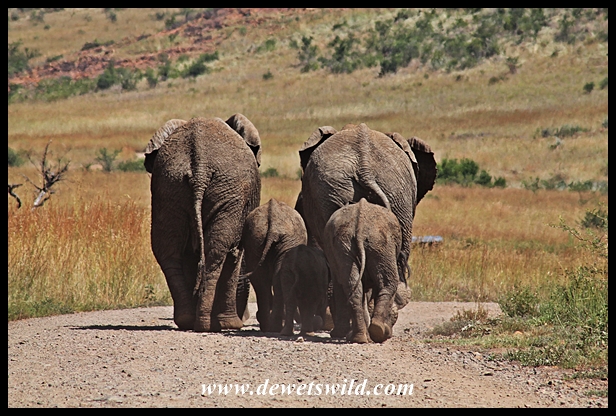
There’s a very close bond between the members of an elephant herd, and they are extremely protective of their young, always trying their very best to ensure that the little ones are kept safely between the adults when on the move (but there’s bound to be at least one little rebel, isn’t there?)

Between

Between” is the theme for this week’s WordPress Photo Challenge. This photograph was taken in the Pilanesberg National Park.

Split-Second Story

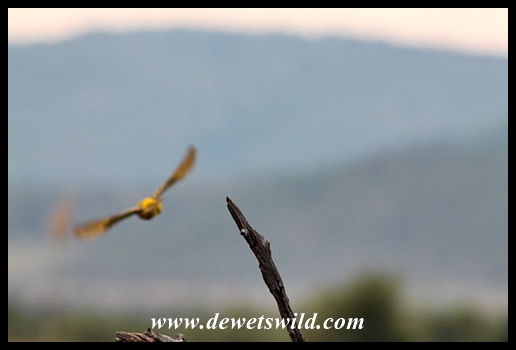
Sometimes, South Africa’s wildlife just do not want their photographs taken. You have your subject framed and focused, and then as you press the shutter…

Split-second story

Split-Second Story” is this week’s photo challenge theme from WordPress

Our 2013 in pictures

As the year is rushing to its end, we’re looking back at all the wonderful places we stayed at in South Africa’s wild places during 2013:

Pilanesberg National Park, November 2013

Joubert and I spent last weekend (23 and 24 November) in the Pilanesberg National Park with my brother Niel.

Pilanesberg scenery

Pilanesberg scenery

Our weekend started early, leaving Pretoria at 03:00 in the morning in order to be at Kwa Maritane Gate before it opened. Shortly after entering we encountered a bunch of adorable, but shy, jackal puppies holed up in a culvert underneath the road. Not a kilometre further, we had an exciting sighting of a young male lion attempting to hunt, unsuccessfully, a group oz zebras and a lone wildebeest. An excellent start to the day, and our good luck continued as we slowly traveled through the reserve, notching up another lion sighting, herds of elephants, white rhinos and giraffes, a good variety of antelope, and several bird species before arriving at Bakgatla Resort, where we’d be camping for the night.

After setting up camp, we stretched our legs walking through the camping area, inspecting the facilities (none of which we could fault) and intent on buying an ice cream for Joubert, but unfortunately the tiny shop’s supply had already been sold out.

Red-billed hornbill in Bakgatla

Red-billed hornbill in Bakgatla

Camping in Bakgatla

Camping in Bakgatla

Leaving camp earlier than planned for our afternoon drive, we first headed to the Pilanesberg Centre, a historical building that served as the Magistrate’s Court before the Park’s proclamation but today is a popular little restaurant and shop well frequented by visitors, in the hopes of finding Joubert that ice cream he was craving so. Meeting with success on that quest, we set off again looking for Pilanesberg’s wild inhabitants, and again were not disappointed.

At the Fish Eagle Picnic Site we got a close-up glimpse into dung beetle life before spending some time at the photographic hide at Lake Mankwe, enjoying the cool shade and great photo opportunities.

Sunday morning we had a couple of hours to explore some more before having to head home. We explored the western sections of the Park and were struck by how exceptionally dry it still is. With summer being the rainy season, we hope the Park will soon see some good rainfall in order to replenish the dams and streams.

All-in-all a very enjoyable boys camping weekend at Pilanesberg, which we hope to enjoy again as soon as possible.

Gone camping at Pilanesberg

Joubert and I have just returned from  a most enjoyable weekend spent camping in the Pilanesberg National Park with my brother Niel. More about our trip in an upcoming installment of de Wets Wild!

Tonight we’re sharing this picture from our trip, taken at the Mankwe game-viewing hide, yesterday:

Pilanesberg_23112013


Good morning!

Waiting with great excitement for the gates of the game reserve to open is, for most people, an unconventional start to the morning, but it’s a regular routine for us de Wets…

Good Morning_2455

The theme for this week’s photo challenge is “Good Morning!

From Above

We found this terrapin resting on his hippo-island beneath the Rathlogo hide in the Pilanesberg National Park

From Above” is this week’s WordPress Photo Challenge.

Spring

In South Africa, as in many other temperate parts of the world, the arrival of the spring season sees an influx of birds that had spent the winter in warmer climes. Swallows are great examples, though some individuals of the Lesser Striped Swallow depicted here (in the Pilanesberg National Park) do actually stay in South Africa year round.

Lesser Striped Swallow

We’re participating in the online adventure travel and photography magazine LetsBeWild.com‘s Wild Weekly Photo Challenge for bloggers. This week’s challenge was “Spring“, and we are very pleased to have been awarded an honourable mention!