When talking about “game-viewing”, most people immediately have images of Africa’s iconic Big Five flashing through their minds. And of course our recent trips to the Kruger National Park did not disappoint at all when it came to these most charismatic of African mammals, as well as many other furry creatures great and small.
This first gallery of pictures were taken during my solo trip to the southern part of the Kruger Park between 30 May and 2 June 2019.

Grooming Chacma Baboons

Baboon youngster thinking of mischief

Blue Wildebeest with an unusual chevron mark on its muzzle

Blue Wildebeest having a rest in the shade

Blue Wildebeest herd

Buffalo bull

Buffalo cow

Buffaloes next to the Sabie River

Bushbuck Ram at sunset

Grey Duiker

Dwarf Mongooses settling an argument in the camping area at Pretoriuskop

Dwarf Mongoose standing sentry atop a termite mound

Elephant youngster enjoying a snack while crossing the road

Elephant herd quenching their thirst at Shitlhave Dam

Elephant enjoying a mud bath

Elephant bull at Mestel Dam

Baby Ellie

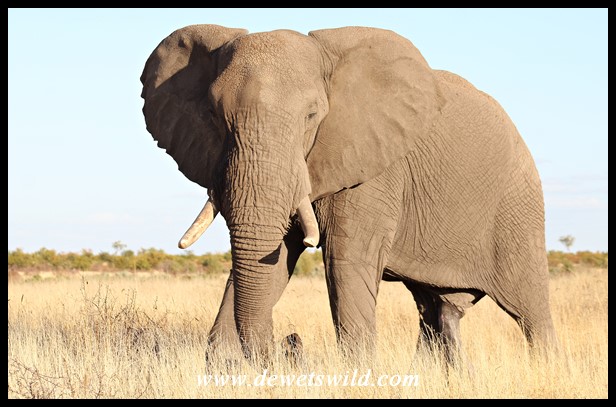
Big Elephant Bull in contemplative mood

In the hot African sun any shade will do!

Giraffe

Giraffe

Giraffe

Hippo gang at Sunset Dam

Baby Hippo at Mestel Dam

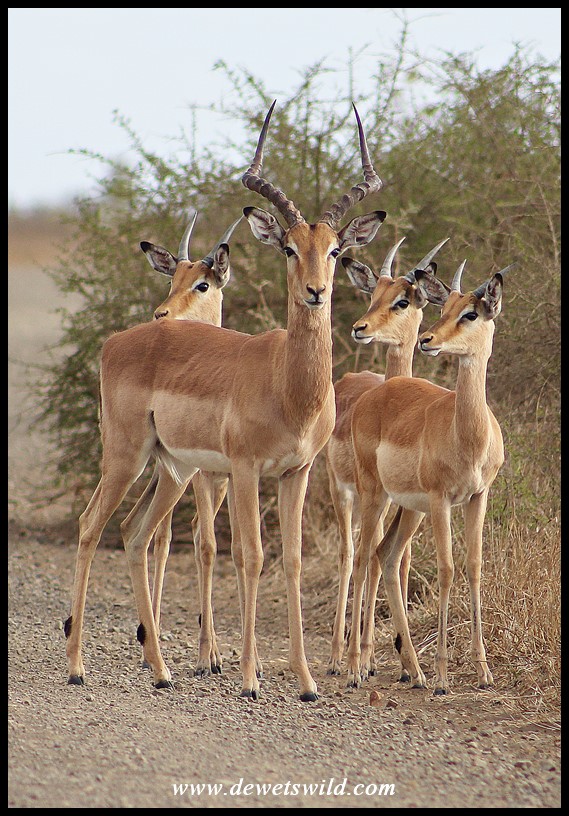
Impala ram on the bank of the Sabie

Klipspringer

Big Kudu Bull

Immature Kudu Bull at Biyamiti Weir

Mating Kudus

Lioness on the bridge at Lower Sabie

Lions in the grass next to the Crocodile River

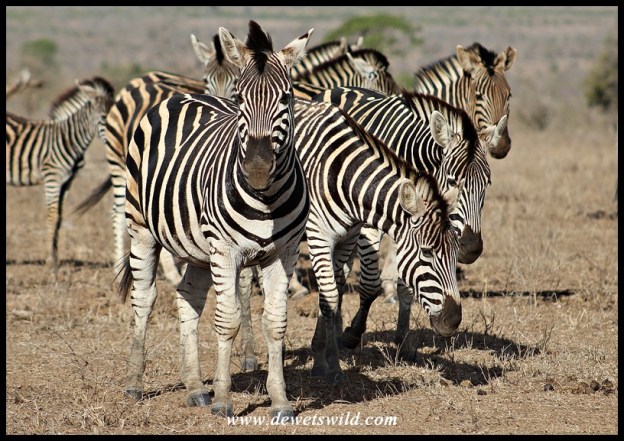
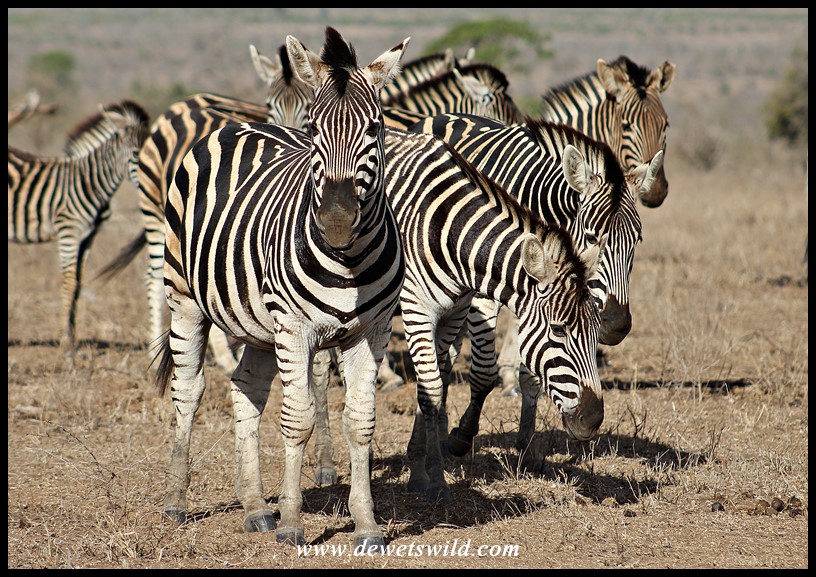
Plains Zebra

Plains Zebra

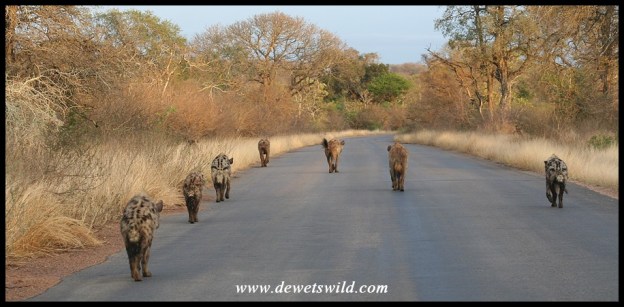
Spotted Hyenas in profile

Spotted Hyena youngster bullying a sibling

Steenbok pair

Tree Squirrel in the camping area at Pretoriuskop

Vervet Monkey youngster with a pod of some kind

Grooming Vervet Monkeys

Waterbuck Bull

Waterbuck Calf

Waterbuck Cow

Waterbuck herd at Transport Dam

Warthogs investing in their future.

African Wild Dogs
There’s also much interest in the Kruger’s invertebrates (including a bounty of beautiful butterflies), fish, amphibians and reptiles, many of which are difficult to see elsewhere in South Africa.

Water Monitor lizard

Marsh Terrapin encountered on dry land

Rainbow Skink

Striped Skink

Yellow-throated Plated Lizard

Baby Nile Crocodile

Medium-sized Nile Crocodile

Enormous Nile Crocodile at Sunset Dam

Tigerfish in the Sabie River

Juvenile Redbreast Tilapia

Speke’s Hinged Tortoise

Common River Frog in Skukuza

Platanna

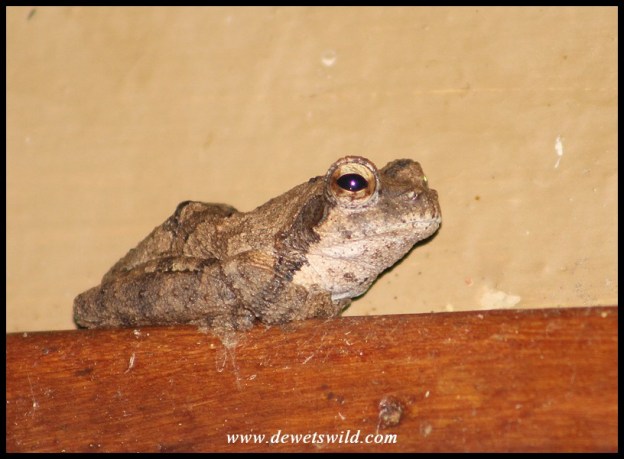
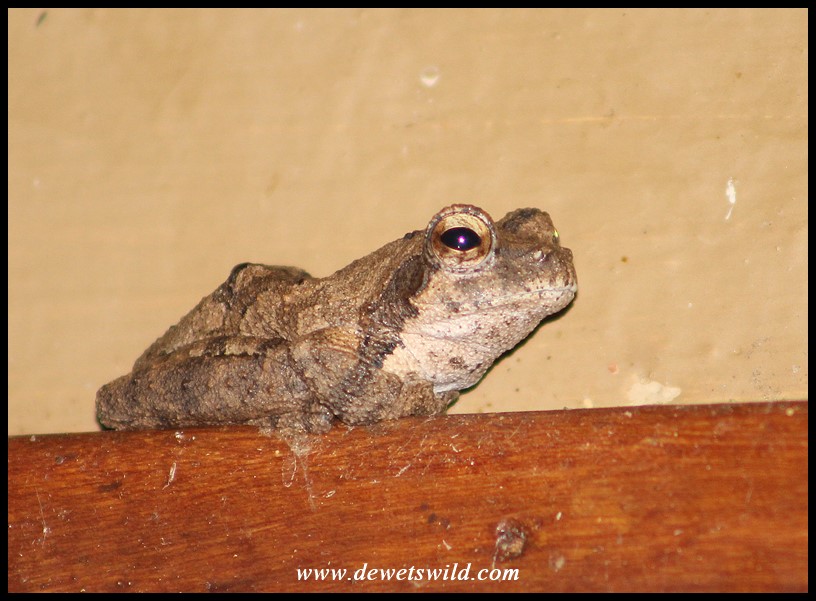
Bushveld Rain Frog

Male Mozambique Tilapia (non-breeding colours)

Female Mozambique Tilapia

Young Nile Crocodile

Nile Crocodiles

Baby Nile Crocodile and Adult Water Monitor lying next to a pool in the Shingwedzi River

Matabele Ants

Solifuge a.k.a. Sun Spider

Western Stripe-bellied Sand Snake

Striped Skink

Common Tropical House Gecko
Returning to Kruger two weeks later, this time to Shingwedzi in the north of the Park, proved just as fruitful with memorable encounters not only with predators and rare antelope, but also a menagerie of other mammalian species.

Blue wildebeest herd

Buffalo cow

Buffalo calf

Buffalo bull emerging from the mopane

Buffalo bull

Buffalo cow and calf

Buffalo cow

Buffalo on the Mphongolo loop

Half-blind Buffalo bull

Buffalo calf

Prime Buffalo Bull

Big old Buffalo Bull

Dwarf Mongoose standing sentry atop a termite mound

Elephant calf

Classically shaped ivory

Big old elephant bull

Tiny ellie baby

Elephant calf fast asleep

Beautiful elephant bull

Cute elephant calf

Elephant bull destroying a small tree

Beautiful elephant bull

Beautiful elephant bull

Elephant cow with interestingly shaped ivory

Beautiful elephant bull

Elephant cow with interestingly shaped ivory

Giraffe calf

Tower of giraffe

Grey Duiker

Common, or Grey, Duiker

Hippo in the dark, grazing past our camp

Honey Badger next to the fence at Shingwedzi

Impala Ram

Kudu bull

Plains Zebra foals

Plains Zebra with unique pattern

Plains zebra mare and foal

Scrub Hare next to the fence at Shingwedzi

Slender mongoose

Steenbok ram

Southern African Tree Squirrel

Vervet Monkey

Warthog

Waterbuck Bull

Bushbuck at the water’s edge

Tree Squirrel (Photo by Joubert)

Plains Zebra (Photo by Joubert)

Impala ewe (Photo by Joubert)

Kudu bull (Photo by Joubert)

Buffalo calf on the run (Photo by Joubert)

Buffalo cow (Photo by Joubert)









 DeWetsWild