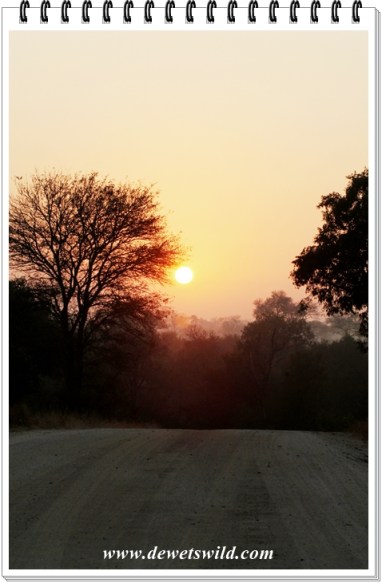
We’re sharing the beautiful sunrise we enjoyed this morning at Lake Panic near Skukuza, to celebrate de Wets Wild’s 300th post!
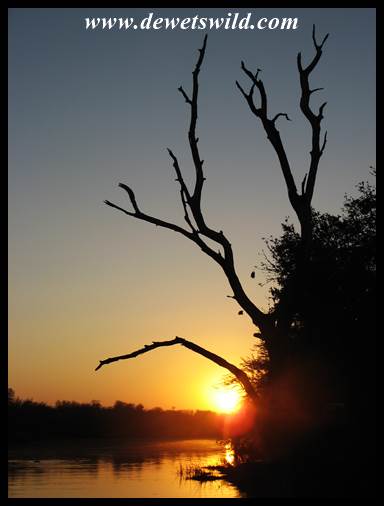

We’re sharing the beautiful sunrise we enjoyed this morning at Lake Panic near Skukuza, to celebrate de Wets Wild’s 300th post!
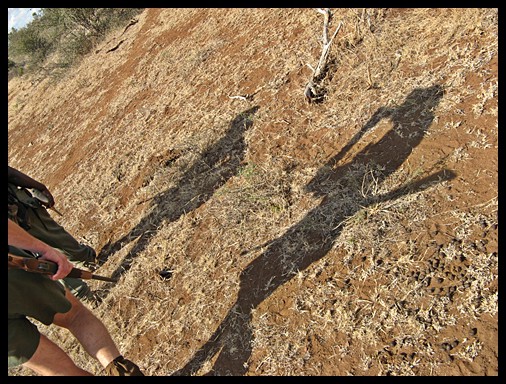
Today is World Ranger Day, set aside to celebrate the work rangers do to protect our natural heritage, and to spare a special thought for those that have been injured or killed while carrying out their often dangerous duties. Here at de Wets Wild, we owe a huge debt of gratitude to South Africa’s ranger corps, who look after the special places we so love to visit.
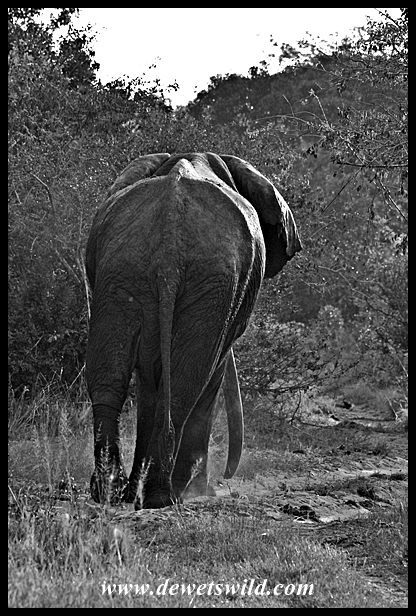
From the Tembe Elephant Park comes the sad news of the death of Isilo, the magnificent and undeniable King of Tembe.
It is believed that the gentle giant succumbed to natural causes, a dignified end befitting his royal stature, in January 2014.
Isilo’s carcass was discovered about two weeks ago. Sadly it was also made known that his enormous tusks have been stolen, presumably by rhino poachers who happened upon the carcass, and investigations into the theft delayed the news being made public. As reported on Tembe’s facebook page, a R100,000 reward has been offered by the Tembe people, who have looked after Isilo and his realm, for the return of these invaluable pieces of ivory to them.
We were fortunate to spend some time in Isilo’s majestic presence during our visit to Tembe in May 2013. You’re welcome to have a look at our special blogpost recounting our audience with Isilo for some more photographs of the special animal.
Hamba kahle Isilo. Go well.
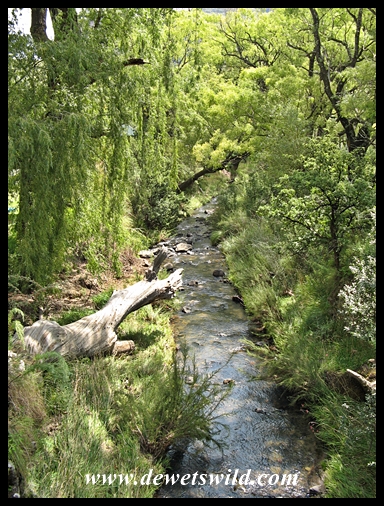
The 22nd of March is World Water Day, and what better way to appreciate this precious resource than enjoying the crystal clear mountain streams right here in the Golden Gate Highlands National Park!
We are heading into the wilds of far northern South Africa for a few days and, just in case our network coverage is not good enough to post a daily picture of the places we’re exploring, we’re leaving you with a special Valentine’s Day photograph until we’re back in range 😉

The 2nd of February is World Wetlands Day and the theme this year is “Wetlands & Agriculture: Partners for Growth“.
Last year, we visited the Karkloof Conservation Centre, a prime South African example of how agriculture need not be in conflict with the conservation of threatened habitats and endangered species.
Wishing all of our followers and readers a happy, healthy and prosperous 2014!
We’d like to wish all our followers and readers a blessed, joyous Christmas!
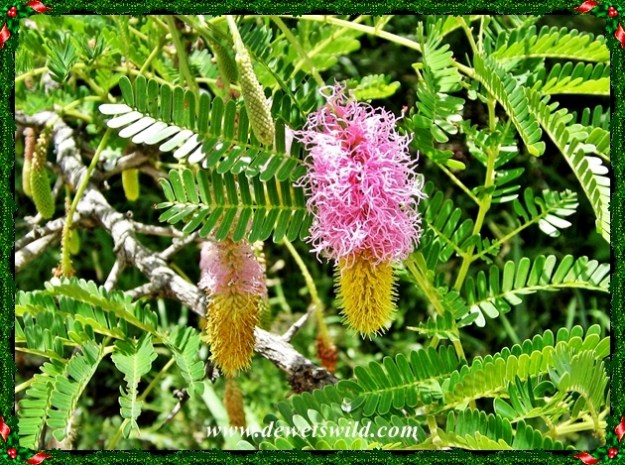
The sickle bush is also known locally as the Kalahari Christmas Tree
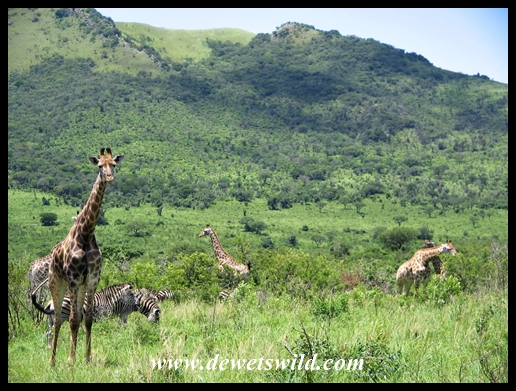
We really do appreciate it immensely when people take the time and effort to let us know that they find de Wets Wild appealing, often also nominating us for one or more of the selection of blogging awards in circulation. Unfortunately these awards mostly don’t quite fit with our theme here at de Wets Wild, and in consideration of the many readers who’ve signed up to our blog that aren’t from the “blogging community”, we’ve decided to no longer dedicate special posts to awards whenever a fellow blogger is kind enough to honour us with a nomination.
But that doesn’t mean we don’t appreciate these generous souls promoting de Wets Wild to their own friends and followers, and everyone else that contribute to our blog through their warm, encouraging comments. And so we’ve decided to dedicate a special post to some of the very special friends of de Wets Wild, whom we hope will accept this as a token of the high regard and appreciation we have for them all.
Hop on over to these talented bloggers’ sites and enjoy seeing the world through their eyes (and camera lenses!)
And again, a big THANK YOU to everyone that’s given de Wets Wild a “pat on the back” along the way!
There are people who look at this face and notice only the horns. They believe, despite ample evidence to the contrary, that it can cure a host of ailments and they are willing to pay huge sums of money to get it. Even more ridiculously the ability to acquire these horns is in itself being seen as a symbol of wealth and status, something to aspire to. They don’t care that this animal will be savagely killed and disfigured so that they can consume a product that has no more curative powers than their own hair and fingernails, and then even boast about it!

World Rhino Day 2013
There are people who look at this face and notice the eyes. The eyes of an animal that has been on this planet much longer than we have. We count ourselves among these people. We believe that this animal has just as much of a right to live on this planet as humans do. We believe the world will be an emptier, less beautiful place if this animal is no longer around. We want this animal to share this planet with many more generations of humans to come. Some of us even put their own lives on the line on a daily basis to achieve this goal.
This year alone, South Africa has already lost more than 635 rhinos to poaching (2013/09/13 Department of Environmental Affairs). Last year, a total of 668 fell to the poachers’ bullets in this country alone. There are many people and organisations working tirelessly to prevent poaching and to educate people around the world, often at great cost and risk to themselves, and if it weren’t for their efforts we have no doubt that the situation would have been much more dire still.
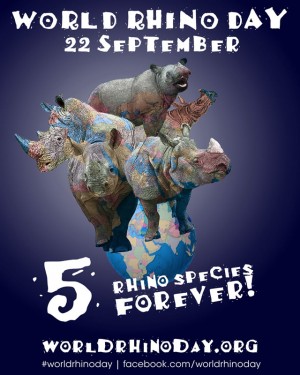
Click on the World Rhino Day poster below if you’d like to learn more about what people and organisations around the world are doing to secure the future of the five species of rhinoceros we share this planet with.
 DeWetsWild