Merry Christmas!

We’re wishing all our friends here at de Wets Wild a Blessed Christmas!

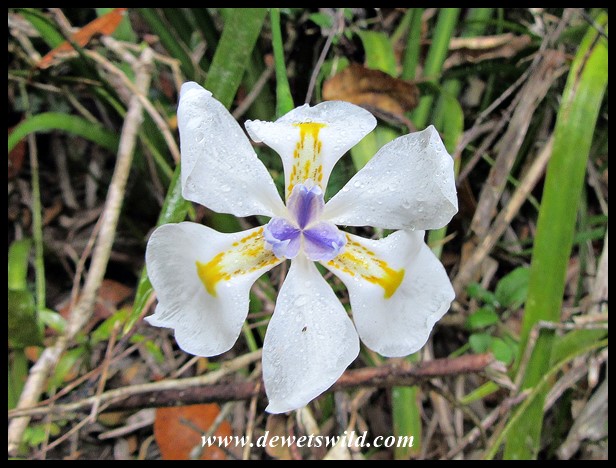
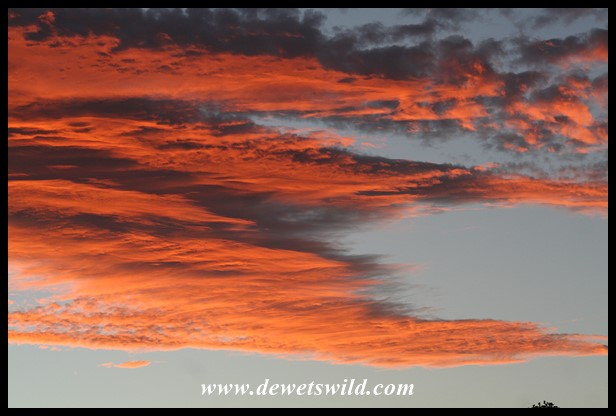
Here’s just a few of the festive decorations we found in the past few days adorning the trees (and bushes and shrubs and grasses and all other manner of plants) in the national parks of the Western Cape. I can’t pretend to know even most of their names, but I’m sure you’ll agree that they’re all stunningly beautiful!


Summertide Rambles 23 December 2020

I think it’s more the inclement weather than the government-imposed restriction on beach-going in the Garden Route (an attempt at limiting crowds to curb the spread of COVID-19) that caused the beach at Nature’s Valley to be this deserted today.

We’ll be spending the next few days with close family in Jeffreys Bay but we’ll resume our summertide rambles through two of the Eastern Cape national parks on the 27th.

Summertide Rambles 22 December 2020

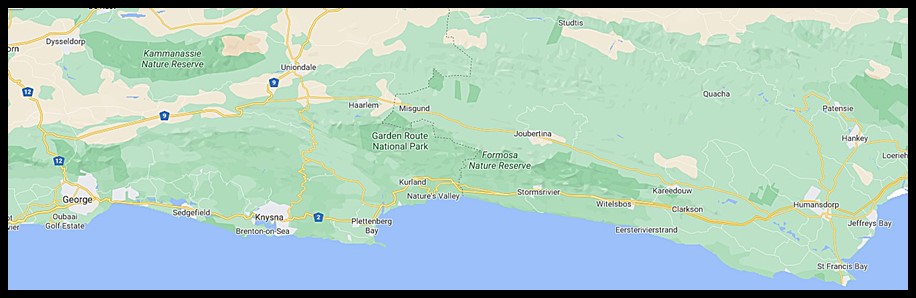
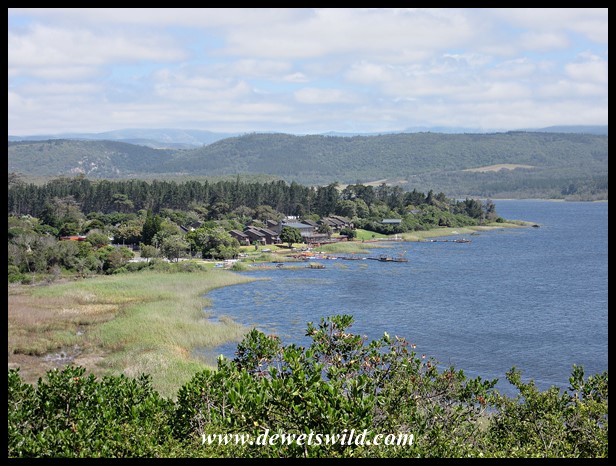
As the sun sets this evening we’re enjoying the serenity of the next destination of our 2020 summertide ramble: Nature’s Valley in the Garden Route National Park. From our chalet we have a beautiful view of the Groot River and the Tsitsikamma forest and mountains beyond  – who could ask for more?


Summertide Rambles 21 December 2020

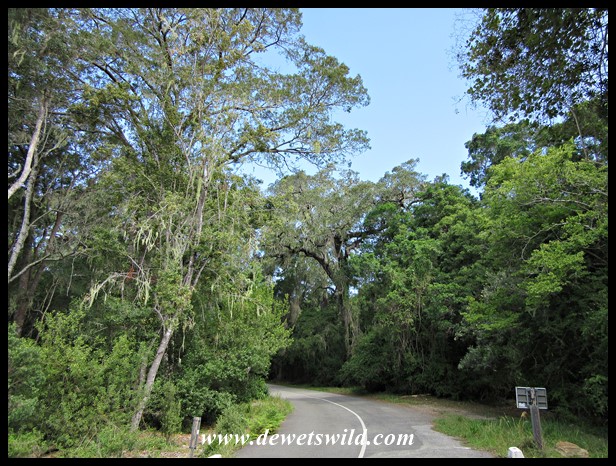
A rainy day here on South Africa’s Garden Route today – always welcome in a dry country such as ours – so we took a short hike in the Woodville Indigenous Forest, where an 800 year old Outeniqua Yellowwood that towers above the canopy is the star attraction. There’s just something so magical about the smells in a rain-soaked forest.

Summertide Rambles 20 December 2020

It’s the fifth day of our 2020 Summertide Ramble, and we’ve moved again – this time about 200km due east to the Wilderness section of the Garden Route National Park, where our cosy log cottage in the Ebb-and-Flow Rest Camp has a lovely (if overcast and rather chilly at the moment) view over the wetlands of the Serpentine River just before its confluence with the Touw River.

Summertide Rambles 19 December 2020

A focal point of the Bontebok National Park is the Breede River, serenely flowing along the park’s southern border. Visitors can kayak, fish and swim in the river or picnic and camp on its banks.


Summertide Rambles 18 December 2020

After spending two nights in the Great Karoo, today we traversed four scenic mountain passes to move to the next destination on our 2020 summertide ramble. This is the view we enjoyed at sunset this evening from the verandah of our cosy little chalet in the Bontebok National Park.

Summertide Rambles 17 December 2020

The open landscapes of the Karoo National Park really shows off the wildlife that inhabit this arid environment to great effect – in this case a beautiful gemsbok that we saw this morning just after sunrise.

Summertide Rambles 16 December 2020

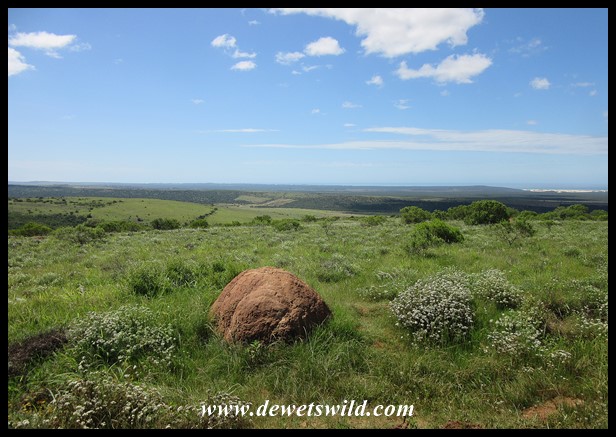
Our long awaited summer holidays have finally arrived, and we kick it off in the wide open spaces of the beautiful Karoo National Park – a little over 1,000km southwest of home.


Thick-billed Weaver

Amblyospiza albifrons

During the breeding season, which extends through spring and summer, Thick-billed Weavers can be found near and in marshes and other wetlands with rank grass and reedbeds, but they roam more widely at other times and are then found from forest edges to suburban parks and gardens. They use their strong bills (ask anyone who’s ever handled a Thick-billed Weaver) to good effect feeding on fruit, pips and seeds. They’re one of the largest species of weaver in South Africa, measuring 18cm in length and weighing up to 50g.

The males alone construct the colony of characteristic dome-shaped nests anchored to two or more reeds or thick-stemmed, tall grasses, while the female, if she accepts the nest, will line the inside with soft materials. Males attempt to attract and mate with as many females as possible. The female lays a clutch of 2-4 eggs which she incubates by herself over a two week period. She’s also the sole caretaker to the chicks, which leave the nest about 3 weeks after hatching.

The Thick-billed Weaver has a very patchy distribution over sub-Saharan Africa and the IUCN considers it to be of least concern, siting a common and apparently stable population. In South Africa they’re found in the wetter eastern and northern provinces, and absent from most of the Free State and the Northern and Western Cape. They’ve actually expanded their distribution considerably in recent years due to the availability of suitably vegetated artificial wetlands, like sewerage treatment installations, being constructed.