Inspiration

de Wets Wild is inspired by spending time together in South Africa’s wild places – as in this picture featuring Dries and an eight-month old Joubert negotiating a trail in the Moreletakloof Nature Reserve in Pretoria, South Africa.

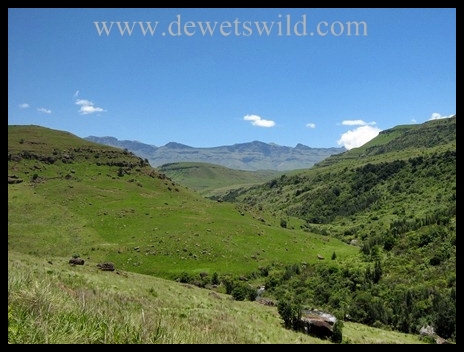
Giant’s Castle Game Reserve

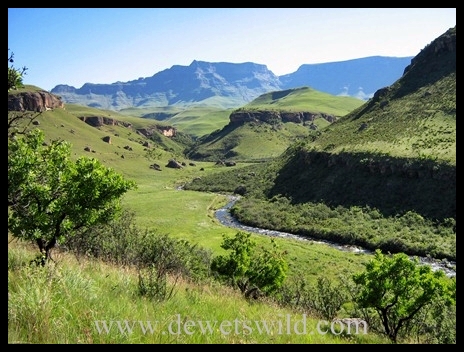
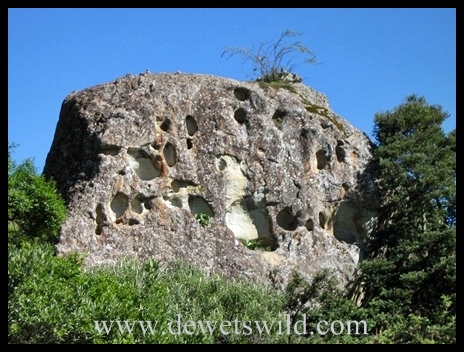
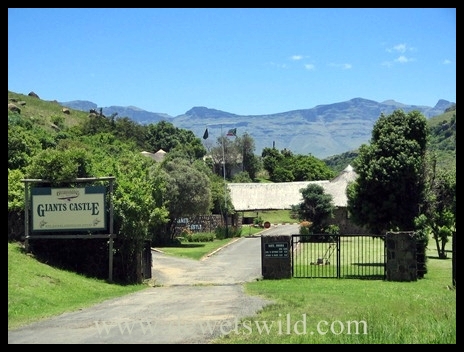
The Giant’s Castle Game Reserve was established in 1903 and is named after a peak, 3314-m high, that towers imposingly over the valleys of the reserve.  Located in western KwaZulu-Natal Province on the border with Lesotho, the reserve is today an integral part of the uKhahlamba Drakensberg Park, a world heritage site.

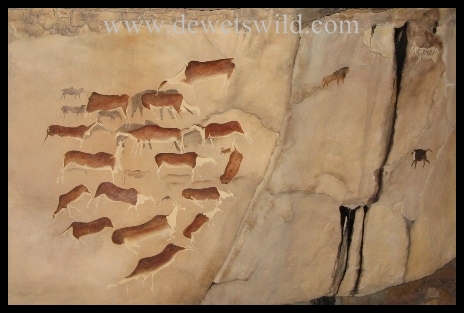
Specifically proclaimed for the protection of the last remaining free-roaming populations of eland (the biggest antelope in Africa) in Natal, the area where the reserve is located today was also home to the San-Bushmen, hunter-gatherers that were driven from the area by the middle of the nineteenth century and of whom the only remaining proof of their occupation is the vast number of paintings that adorn the walls of caves and rock overhangs in the area. Ironically so, for the San revered the eland as the most sacred of animals.

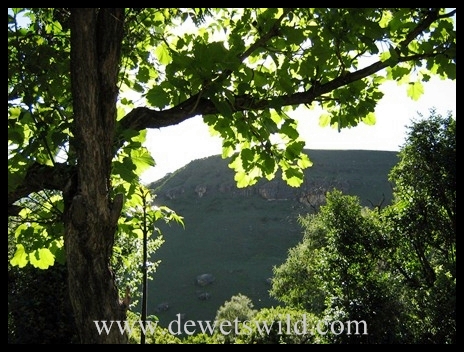
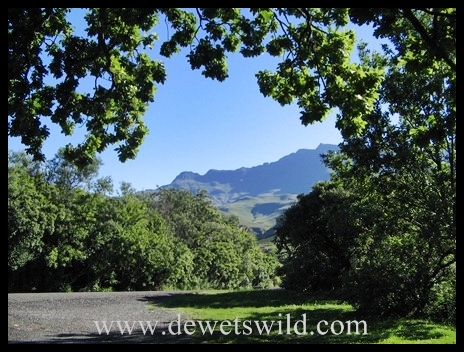
One hundred and nine years after the reserve’s foundation, the eland and a wealth of other animals, birds and plants all find protection here, but the magnificent mountain scenery still leaves the most lasting impression on visitors.

Green

A collection of images depicting the splendour of the natural vegetation found in South Africa’s wild places.

(click on an image to view the picture carousel):

Sunsets

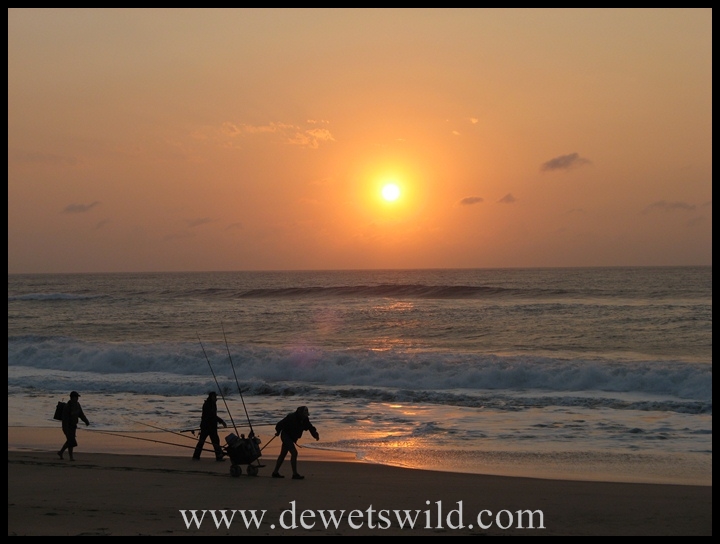
We’re participating in LetsBeWild.com‘s Wild Weekly Photo Challenge. This week’s challenge is Sunsets and we are submitting this collection of sunset pictures taken in South Africa’s wild places.

(click on an image to view the picture carousel)

Renewal

Caring for a new generation: Vervet monkey female and baby bonding through fun and games, as seen in Skukuza Rest Camp in the Kruger National Park. I think it’s clear from the expression on the little one’s face how much he’s enjoying their play!?

uMkhuze Game Reserve

Heaven to bird watchers and a paradise for photographers!

The uMkhuze Game Reserve, which celebrated its centenary on the 12th of February 2012, is today an integral part of the greater Isimangaliso Wetland Park (a World Heritage Site) and is one of South Africa’s most ecologically diverse conservation areas. It is located in the north of Kwazulu-Natal province, roughly 500 kilometres south-east of Johannesburg or 350 kilometres north of Durban, very near the N2-national highway which makes it a very easy-to-reach destination.

The reserve is probably best known as a mecca for bird watchers, with over 400 bird species having been identified here.

This abundant birdlife is attracted to the reserve by the wide array of habitats, stretching from the slopes of the Lebombo Mountains through gently rolling bushveld and dense woodlands to thick riparian forests, swamps and the magnificent watery expanse of Nsumo Pan.

With the exception of lion, uMkhuze provides sanctuary to good numbers of almost all South Africa’s big game and large predators. (EDIT: Lions were reintroduced to uMkhuze in late 2013)

Photographers have been well catered for, with several hides and platforms available in which visitors can easily spend hours or even the entire day watching the continuous processions of animals and birds slaking their thirst at the water’s edge.

Mantuma is the main camp in uMkhuze. Here you will find a curio shop with basic items for sale, a swimming pool and the delightfully named “Rhino Dine-O” take-away kiosk catering to the needs of the reserve’s guests. The elegant nyala often make themselves at home amongst the huts in the unfenced Mantuma Camp. A spacious and very shady camping area at the Emshopi entrance gate accommodates up to 100 campers at a time.

uMkhuze Game Reserve offers so much to experience that there’s always something left to explore and that’s ample reason to return again and again!

Wildlife

I’ve blogged about my fabulous leopard sighting near Skukuza in the Kruger National Park during my visit in July of this year before, but couldn’t resist publishing another photo of that encounter here as entry into LetsBeWild.com‘s weekly photo challenge – this week’s challenge is wildlife and I think it fits the bill perfectly. Let us know if you agree please!

(you can click on the image for a clearer view)


Leopard near Skukuza, Kruger Park

We are thrilled that this entry was awarded an honorable mention from the adjudicators of LetsBeWild.com’s wild weekly photo challenge!

Geometry

The geometry of a tortoise carapace (shell):

Kruger National Park, October 2012

As close to a wild lion as you can get!

Less than a month has passed since our previous visit, and the early spring rains have transformed the southern regions of the Kruger National Park into a lush green paradise. Animals abound – the reason why many of the Kruger-faithful refers to the south of the Park as “the zoo” – and a lot of the migratory birds that call South Africa home during our hot summer months have already made their appearance, joining the large number of bird species that are resident throughout the year.

We always lament the fact that a trip to the Kruger National Park seems to fly past in a heartbeat, and our three night visit (staying over in Skukuza and Crocodile Bridge Rest Camps) was no different. But this time Kruger kept the best for last – our parting gift, on the way to Malelane Gate, was a pride of about fifteen lions lazing around in and next to the road, delaying our exit by almost an hour (not that we’d ever complain!) before they decided to march right past our vehicle – a breathtaking experience that will remain in our memories for ever.

We’re happy to have been able to share some more pictures of our latest adventure with you (we’ve already published two images from this trip in weekly photo challenges – “Foreign” and “Escape“) in the hope that you’d be inspired by our natural heritage as much as we are!

Water

These are the fever-tree lined shores of Nsumo Pan, a vast wetland which is a central feature of the uMkhuze Game Reserve (which has recently been incorporated into the Isimangaliso Wetland Park).

We’re participating in LetsBeWild.com‘s Wild Weekly Photo Challenge. This week’s challenge is Water.