Monthly Archives: October 2012

Foreign

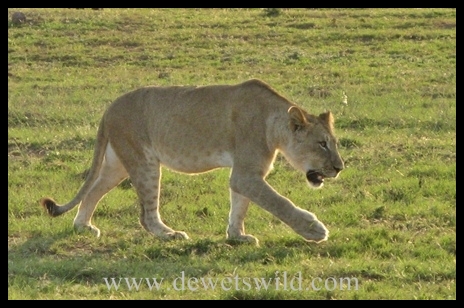
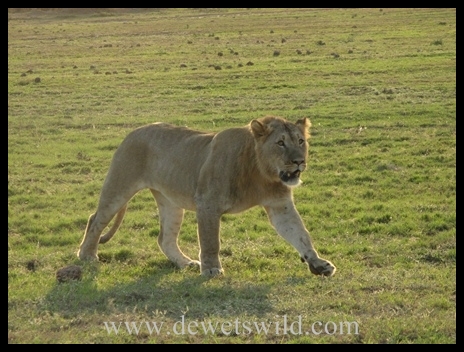
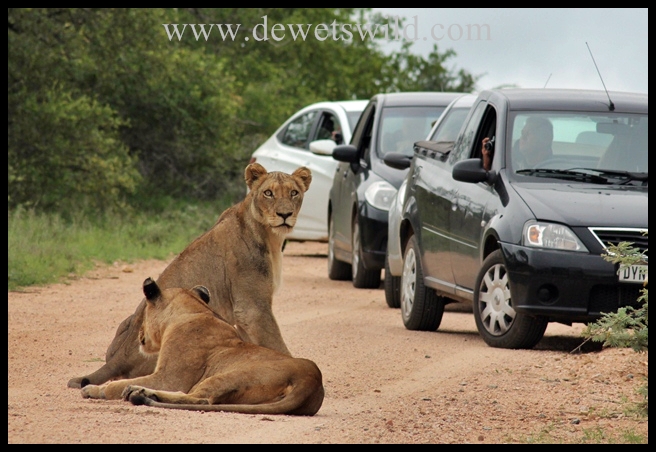
We took this photograph this morning as we were driving to the Malelane Gate to exit the Kruger National Park, another wonderful trip over far too quickly (more on this latest trip to follow soon!). I was struck just how out of place we, the gawking tourists in our metal cocoons, are when confronted with the raw primeval power of Africa’s big cats – to them, we must seem decidedly “foreign”.

Lions meet Tourists, Kruger National Park

Escape

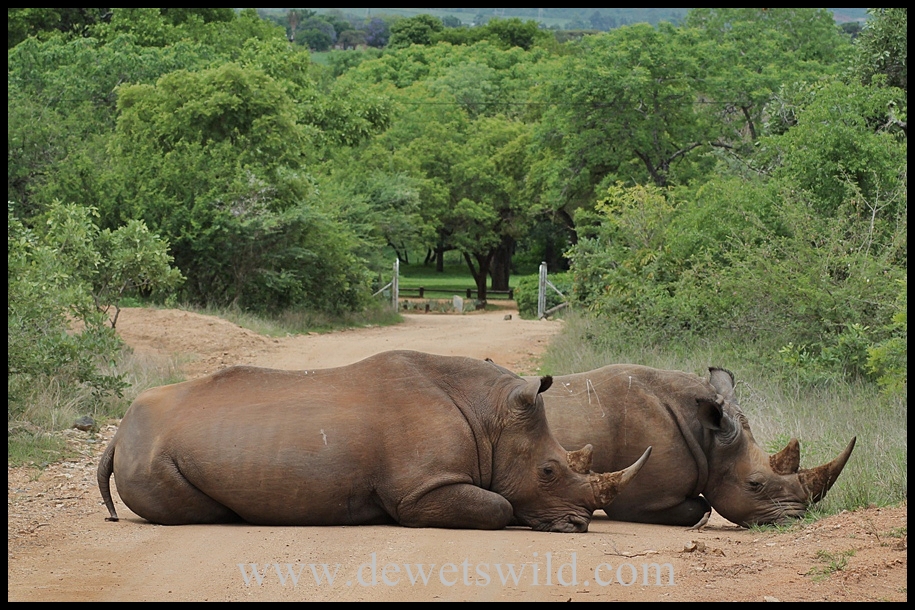
It’s because of situations like these that the Kruger National Park is the place we escape to so regularly. On arriving this morning, these two white rhinoceroses blocked our way into the rest camp (the gates of which you can see just behind them)!

I’m participating in the LetsBeWild.com Wild Weekly Photo Challenge – this week’s challenge is Escape!

Mountain Zebra National Park

A rising star with humble beginnings.

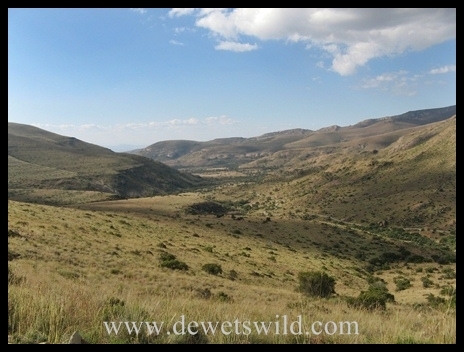
The Mountain Zebra National Park had an inauspicious start. Proclaimed in 1937 near the small town of Cradock to protect the then critically endangered Cape Mountain Zebra, the reserve covered only 1,712 hectares and contained only 6 individual animals of its most precious charges.

Gradually the park was expanded, with much public support, and today the Mountain Zebra National Park is a grand showcase spanning across 28,412 hectares of scenic plains and rugged mountains. Located at the interface between the arid Karoo and the central grasslands, the Park is home to at least 680 plant species which in turn provide habitat and sustenance to a myriad of faunal life.

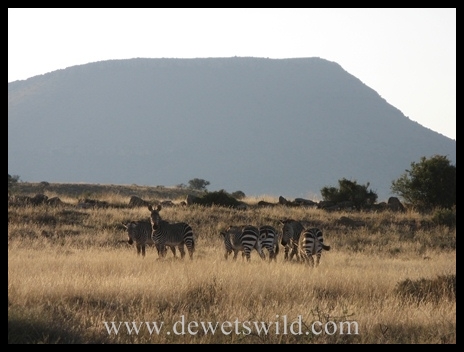
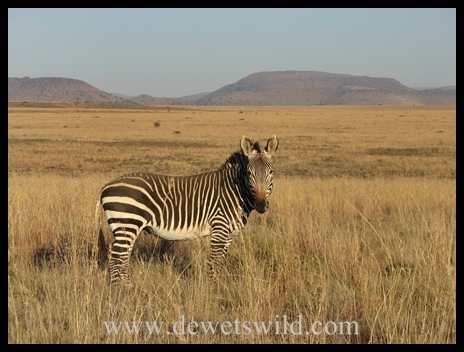
Here, the Cape Mountain Zebra was saved from the brink of extinction and today the Park houses almost 500 individuals, with thousands more now occurring in other National Parks, numerous state-owned reserves and on private land across their former range.

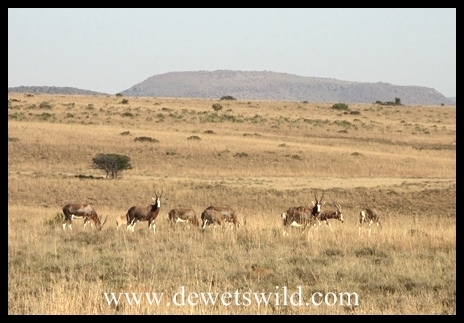
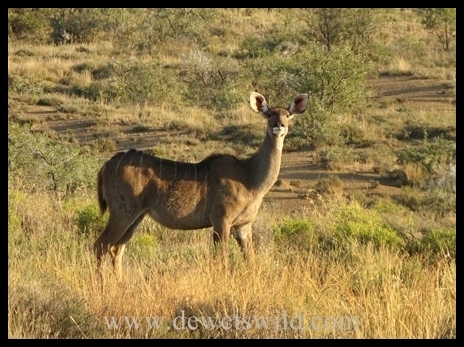
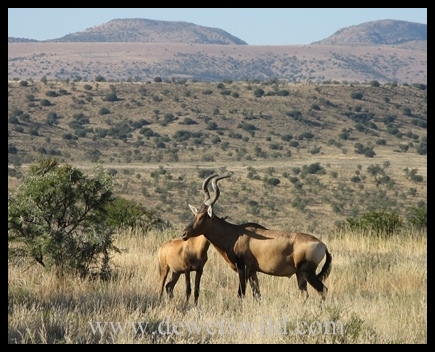
The Park is now large enough to accommodate many other large, charismatic mammals and visitors have an excellent chance of spotting cheetah, black rhino and buffalo among the other natural denizens of South Africa’s central plains – animals like the black wildebeest and blesbok (both species themselves having been virtually wiped out by the early 1900’s), springbok, red hartebeest, eland, kudu and gemsbok and birds such as the ostrich and blue crane.

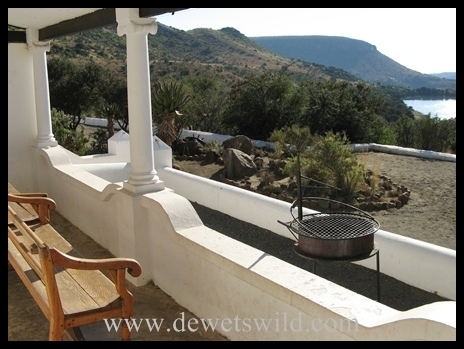
The South African National Parks provide accommodation and camping in a picturesque rest camp in the centre of the Park while the Doornhoek Guest House, exclusively located some distance further, provides a luxurious alternative to the standard accommodation fare. This Victorian farmstead has been meticulously restored, is a national monument and has been tastefully furnished with all the modern conveniences while retaining its old world charm thanks to the antique period pieces used to decorate both the interior and farmyard.

In recent times the Mountain Zebra National Park has been growing in popularity, and deservedly so. Park management have introduced a number of unique guided activities, such as cheetah tracking and visits to San rock art sites. Spend a few days at “Bergkwagga” (the Afrikaans name for the Mountain Zebra) and it will be a firm favourite for you too!

Silhouette

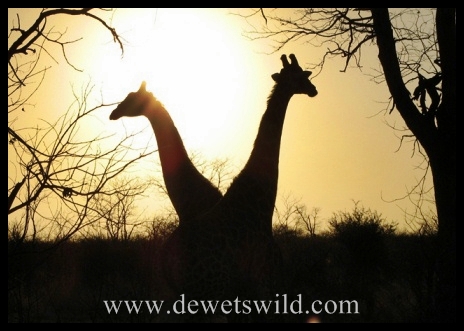
When we came across these two male giraffes in the early morning near Shingwedzi in the Kruger National Park, they were already quite tired from sparring with one another. Shortly after this picture was taken one of them aimed a solid blow to the other animal but missed badly, hitting his own head against a tree trunk – all he got for his trouble was a massive bump on the forehead and a bloody nose!

Weather

Just minutes before this picture was taken on the 17th of January 2006, a huge thunderstorm rumbled across the Pioneer Dam, overlooked by the Mopani Rest Camp, in the Kruger National Park. In this magical setting, with the afternoon sun dipping below the dark clouds, I proposed marriage to Marilize.

I’m participating in the LetsBeWild.com Wild Weekly Photo Challenge! This week’s challenge is weather!

Big

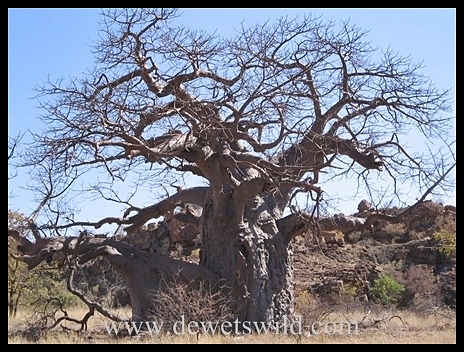
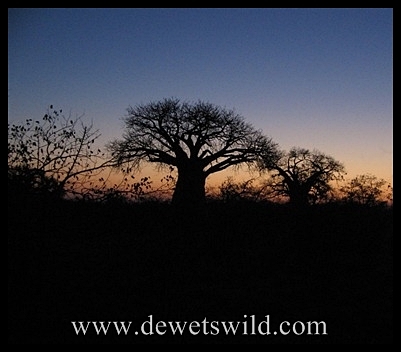
Baobabs are arguably the biggest trees we have in South Africa.

They occur naturally only in the far north of the country, and the specimens on show in the Mapungubwe National Park are particularly spectacular.

Addo Elephant National Park

Yesteryear’s “hunter’s hell” is today’s wildlife paradise.

In the early 1900’s, a major P.J. Pretorius was contracted to rid the Addo region of its elephant population, then numbering around 150 animals, as the area was developing into one of the country’s most productive agricultural regions. It is he who described the Addo-bush as a “hunter’s hell” due to the impenetrable thickness of the spekboom vegetation. Pretorius was nevertheless extremely successful in his undertaking, and by the time the Addo Elephant National Park was proclaimed in 1931 on a small piece of land considered unsuitable for irrigation, and in the face of rising public support for the elephants, only eleven animals remained.

Over the years more land has been added to the Park and, from the original 40km² at proclamation, the Addo Elephant National Park today covers an area in excess of 1650 km² (and there are plans to increase this even more). As the Park grew, so did the elephant population – more than 450 now roam the reserve.

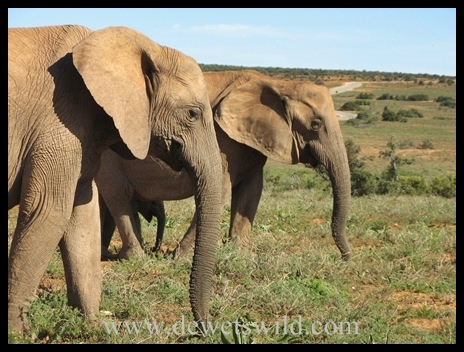
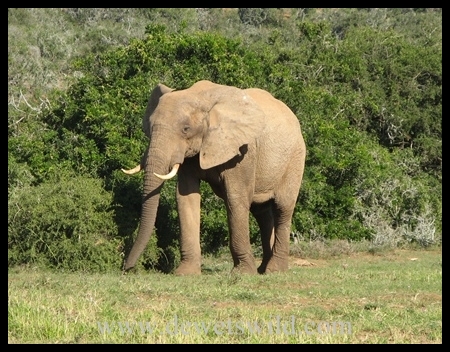
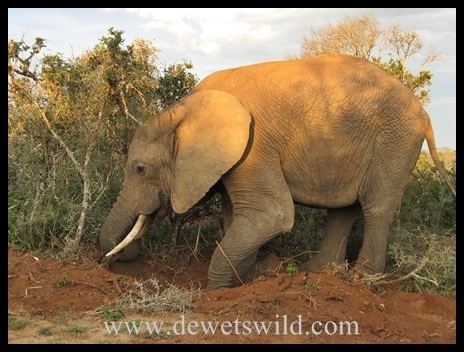
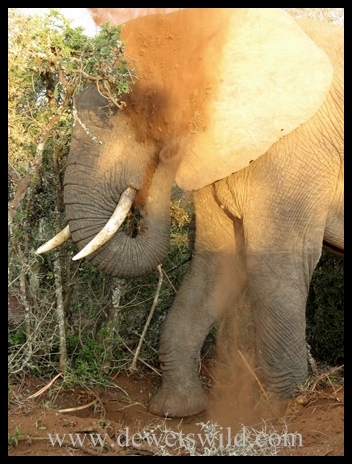
Those first Addo elephants were wild and dangerous, understandably so due to the persecution they endured, but the animals you’d find in the park these days are much more tolerant of the human presence and there are few, if any, places in Africa where you’ll be able to get so close to wild elephants going about their everyday business (though you’d still be well advised to keep a safe distance from those big bulls and cows with calves).

Now that the future of the Addo Elephant has been secured, the park’s priorities have shifted towards biodiversity protection, and it certainly ranks as one of South Africa’s most diverse protected areas in terms of habitat and species. Today the Park accommodates all the species of big game that occurred here historically, including Africa’s famed “Big 5”.

Located close to Port Elizabeth, one of South Africa’s largest cities, Addo is easily accessible and very popular. Accommodation is provided in a number of camps operated by the South African National Parks as well as a host of more upmarket, privately run, concession lodges.

The Addo Elephant National Park is a South African conservation success story – if you ever have the opportunity, go see for yourself just how beautiful a “hunter’s hell” can be!

Happy

Seeing our son Joubert grow up to appreciate and enjoy our natural heritage – that makes us very happy!

Kruger National Park, September 2012

Spring has arrived in paradise!

We’ve just returned from another visit to our favourite place on earth – yes, the Kruger National Park (no prizes for correct guesses!).  We spent six days travelling the entire length of the reserve, from Pafuri in the north to Crocodile Bridge in the south.

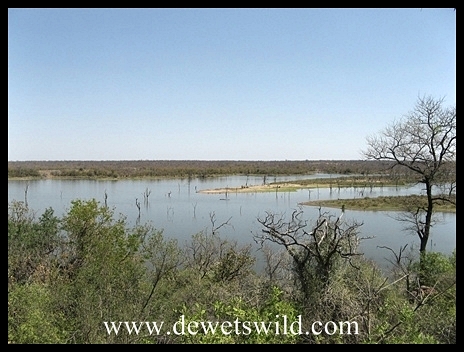
The spring season arrives in South Africa in September, and it’s an excellent time to be out game-viewing in our country’s biggest game reserve.  Here’s a collection of some of the thrilling sightings we enjoyed on this trip.

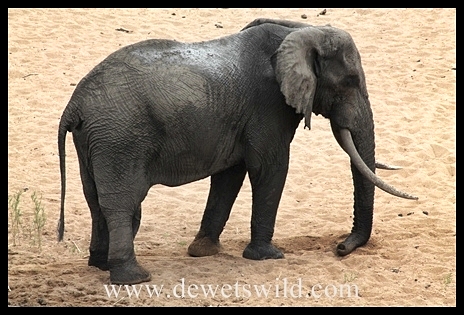
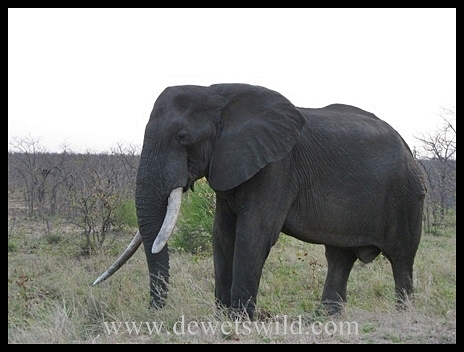
The Northern Kruger National Park is elephant country, and we encountered numerous bulls, including some large tuskers.
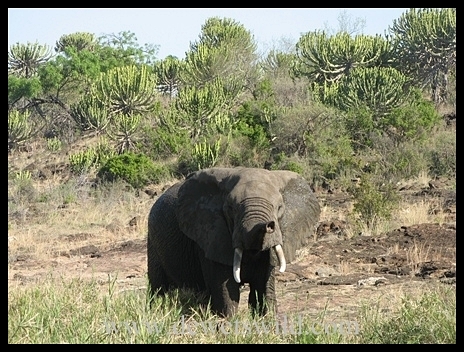
All the elephant herds we came across had small babies.
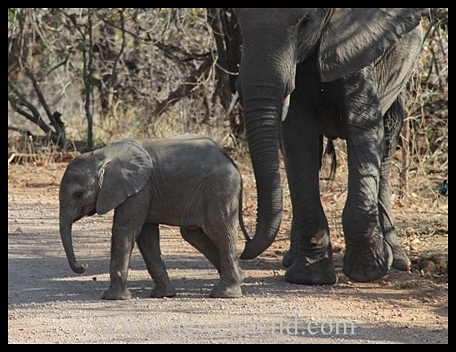
This one realised a bit late that mom had moved on, and ran as fast as his legs would carry him to catch up.

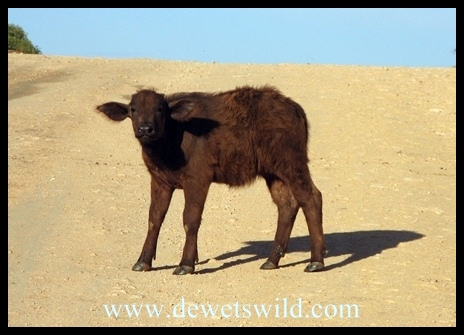
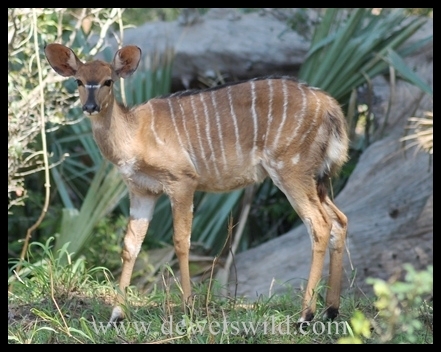
With spring’s fresh green growth, many young animals have already made an appearance.

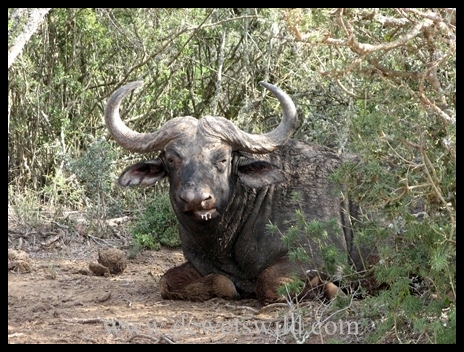
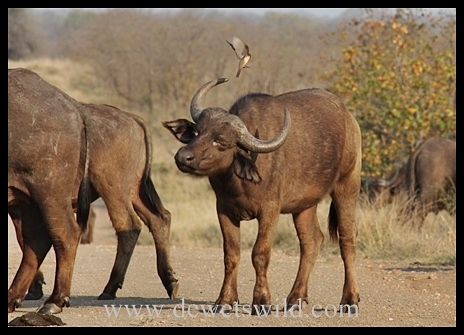
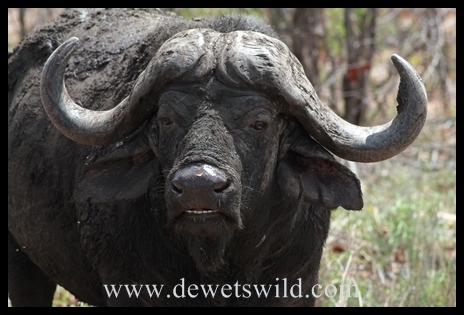
Buffalo are numerous and occur throughout Kruger, sometimes as loners and other times in huge herds several hundred strong.
These two cheetahs were devouring an impala they had caught in the dry bed of the Shingwedzi river, only about three kilometers from Shingwedzi Rest Camp.

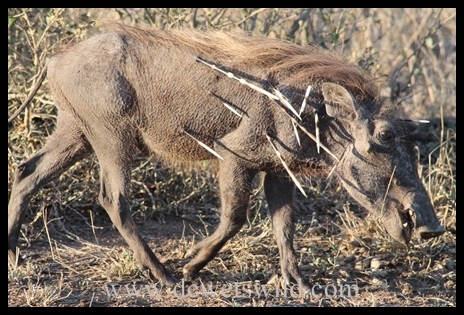
Near Satara, this warthog obviously had an altercation with a porcupine – we suspect it may have rushed into an already occupied bolthole a little too quickly!
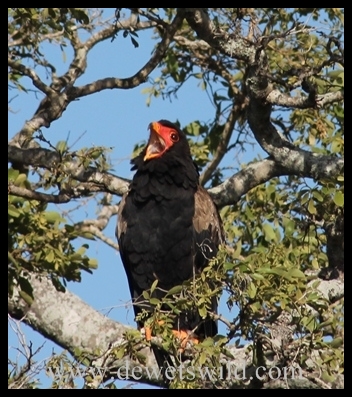
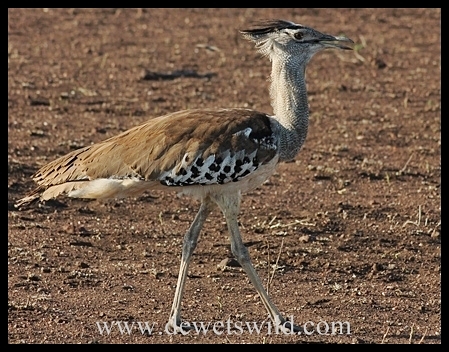
Some of the rarer bird species also made special appearances.
This chameleon was trying to blend in with the surface of the road it was crossing

Of course, to many Kruger visitors the lions are the star attraction. We’d be lying of we said we didn’t share their enthusiasm for these magnificent animals and we were lucky to cross paths with a number of them on our latest excursion. A pride roaring right next to Shingwedzi Rest Camp’s perimeter fence in the darkness of early morning, their deep booming voices rattling the window panes of our bungalow, was a memorable experience.

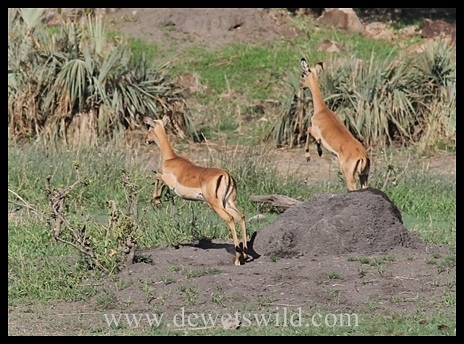
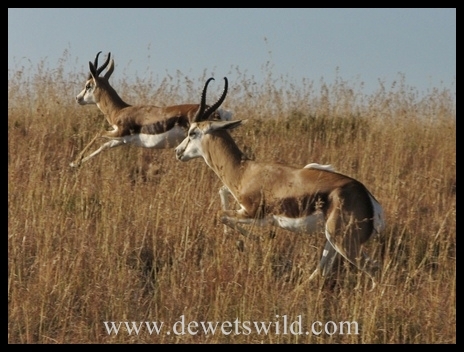
Some of the antelope were getting well into the “springy” swing of things

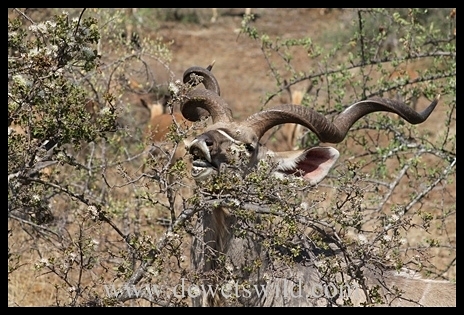
while others were indulging in more sedentary pastimes.

With World Rhino Day and the plight of our treasured rhinos in the relentless poaching firing line fresh in our minds, sightings such as this one of an impressive white rhino bull was all the more special.

For all our travels in South Africa’s wild places we’ve only rarely encountered side-striped jackals, and this is one of the best images we’ve managed to capture of these elusive animals.

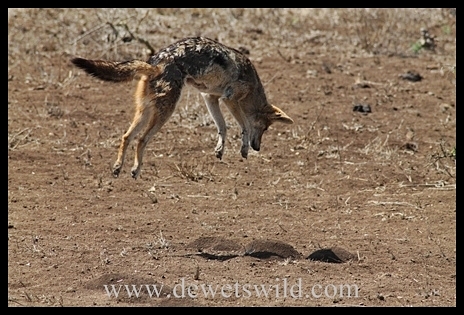
The absolute highlight of our trip was watching this acrobatic black-backed jackal (the side-striped’s much more common cousin) stalking and pouncing moles just north of Satara Rest Camp.
Any time we spend in Kruger National Park is always too little, and leaving through Crocodile Bridge Gate on our way to Pretoria, our heavy hearts could only be consoled by the knowledge that we’d be back soon…
Mine

This elephant bull, photographed near Letaba in the Kruger National Park, was clearly not in any mood to share “his” road!