This elephant bull, photographed near Letaba in the Kruger National Park, was clearly not in any mood to share “his” road!

This elephant bull, photographed near Letaba in the Kruger National Park, was clearly not in any mood to share “his” road!
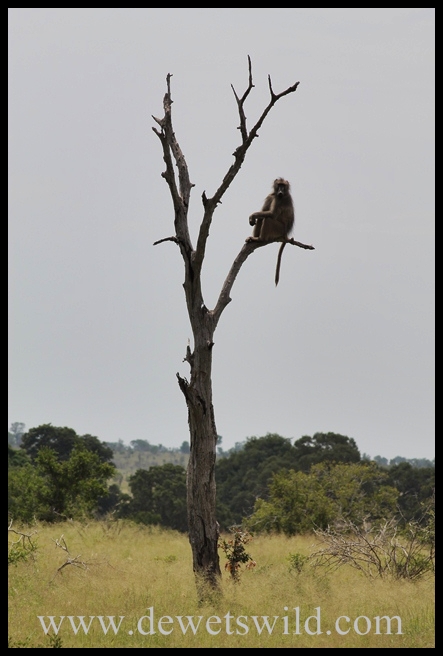
This solitary baboon, in the Kruger National Park, was clearly ill at ease with his predicament (baboons being gregarious creatures by nature, normally occurring in large troops), choosing to survey his surroundings from a lofty perch.
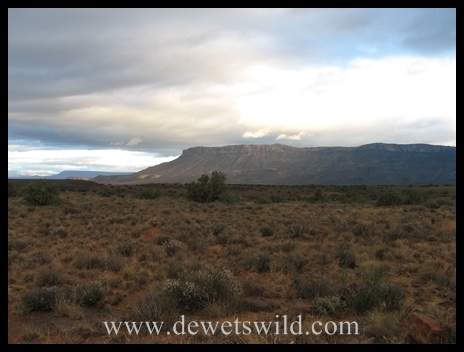
Wide open spaces in an ancient thirst land

In South Africa’s Western Cape Province, near the historic town of Beaufort-West, lies the Karoo National Park: 88,113 hectares of semi-desert plains and towering mountains.

Inside the Park, altitudes vary between 840 meters above sea level in the valleys to over 1900 meters on top of the Nuweveld Mountains, the average annual rainfall is only 236mm and temperatures can range between -5°C on winter nights to 41°C on summer days.

The wide range of habitats in the park, from scrub- and grasslands to dense riverine thickets, provide a safe haven to 202 bird species, 59 kinds of mammals (including lion, buffalo and black rhinoceros), 66 types of reptiles and, surprisingly for such an arid region, 8 species of frog.


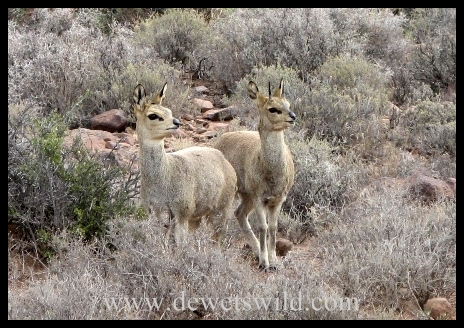
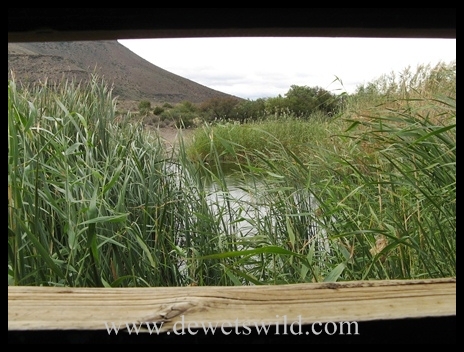
Accommodation and camping is available at the award-winning rest camp, opened in 1989, complete with a well-stocked little shop, restaurant and meeting venue. Visitors can enjoy bird-watching from a hide near the camp, guided walks, two beautiful picnic areas, an interesting information centre in an old barn, a swimming pool, and 4×4 trails. Guided and self-drive game viewing is possible along a well-maintained network of scenic roads, the routes having been given delightful names such as Klipspringer Pass, Potlekkertjie Loop and Lammertjies Leegte.
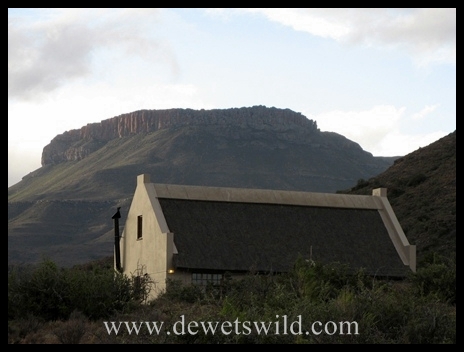


The Karoo is rich in fossils dating back as far as 255 million years ago, and visitors can explore this fascinating aspect of the park along the fossil trail (a 300m paved walkway) in the camp.

The Karoo National Park is easily accessible, lying as it is along South Africa’s main North-South highway (N1) and is often used as a stop-over by weary travellers. It is however a fascinating and rewarding destination in its own right, worthy of more than just a passing glance.
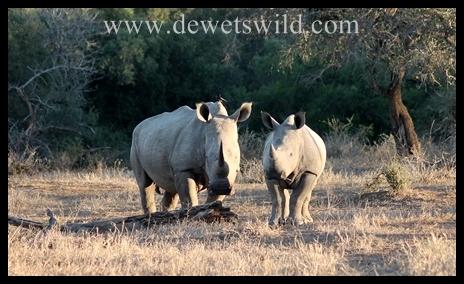
A White Rhinoceros, photographed in the Hluhluwe-Imfolozi Park in South Africa – feeling safe and free to laze around wherever it chooses for however long it cares to do so. Ironic, as these creatures currently face an immense threat from poaching.
More on our latest visit to the Hluhluwe-Imfolozi Park.

White Rhinoceros, Hluhluwe-Imfolozi Park, South Africa
“I don’t think we’re going to braai* tonight, that hyena just licked the grid clean”
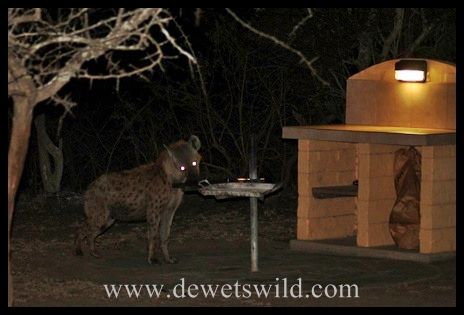
The sun has just set over Mpila Rest Camp on the first night of our latest visit, and we are relaxing in our accommodation when we notice the movement outside – a spotted hyena sniffing around looking for an easy snack. That’s exactly the kind of reason why we return to South Africa’s oldest game reserve so often – it is true wilderness. Mpila is unfenced – there’s a single strand of electrical wire around the camp to keep the elephants out – and that scuffling sound you’ve heard behind you in the dark could have been anything from a sounder of bush pigs or a group of grumpy old buffalo bulls to a patrolling hyena or a lurking lioness. Maybe it was just your imagination, but better move a little closer to the door just in case…
Scenically, Hluhluwe-Imfolozi doesn’t have to stand back for any of Africa’s other great reserves, and its rolling hills and clear skies make for spectacular sunrises and sunsets.
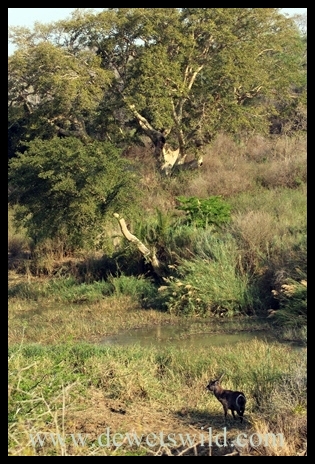
Of course the wildlife is Hluhluwe-Imfolozi’s main attraction, and, like with every visit before, were not disappointed with our sightings.
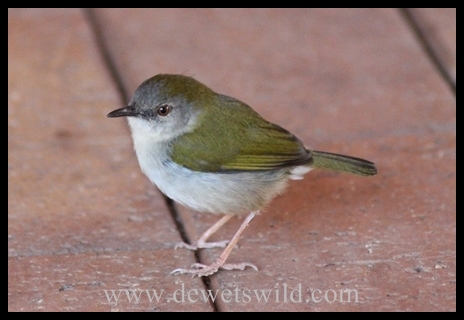
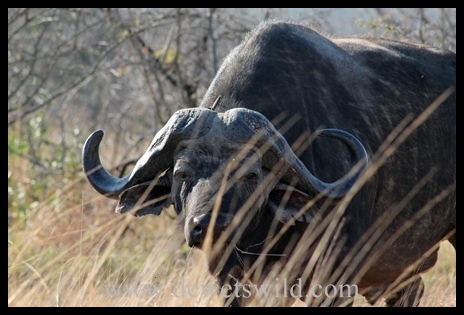
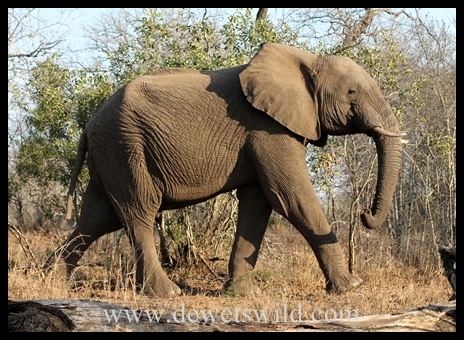
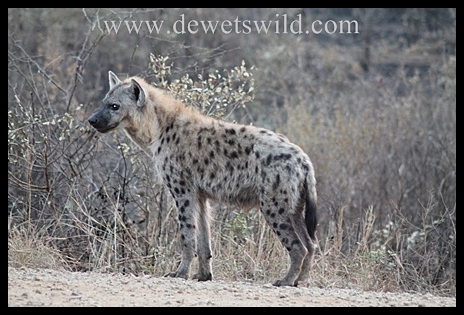


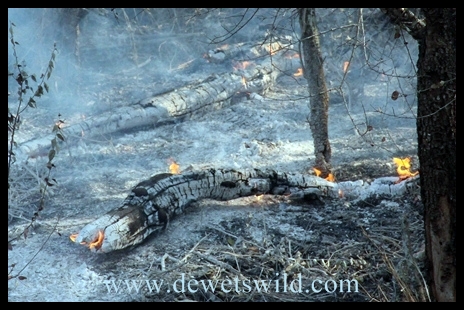
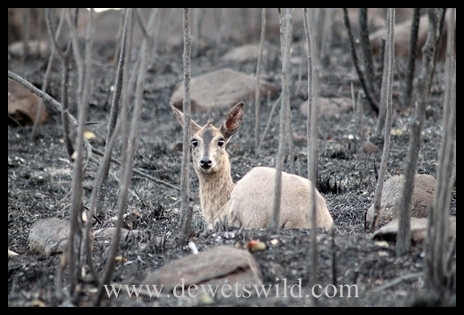
Unfortunately a runaway fire ravaged a huge area of the park just a day prior to our visit. By the time we departed five nights later, tree trunks were still smouldering and strong winds caused the flames to flare up frequently.
The Hluhluwe and Umfolozi Game Reserves in northern Kwazulu-Natal were formally proclaimed in 1895, and long before then this area was the exclusive hunting preserve of the Zulu royals. The Park has two medium-sized rest camps: Hilltop, forested and modern, in the northern Hluhluwe section, and our favourite Mpila, in the southern Imfolozi section. There’s also a number of exclusive small bush lodges throughout the Park. Good game viewing roads, a number of photographic hides and picnic spots and scenic viewpoints make for an ideal self-guided safari experience, though guided drives, walks and wilderness trails are available as well.
It is always with heavy hearts that we drive away from Hluhluwe-Imfolozi Park – it’s one of those places that you miss the moment you leave.
* A “braai” is the traditional South African equivalent of a barbeque
A testament to the resilience of nature!
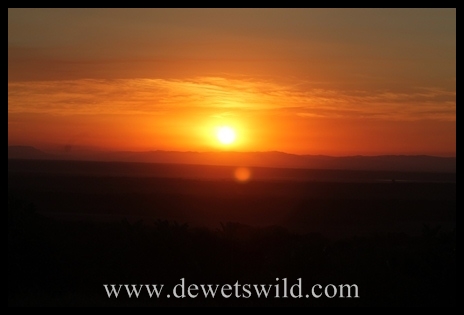
During August 2012, we had the pleasure of returning to one of our favourite nature destinations: Cape Vidal, situated in the iSimangaliso Wetland Park on the northern coastline of South Africa.
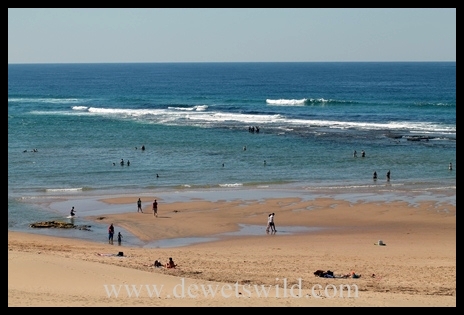
Cape Vidal is a popular beach resort, and not without reason. The unspoilt beach stretches as far as the eye can see and the warm blue waters of the Indian Ocean provide endless opportunity for swimming, snorkelling, fishing etc.

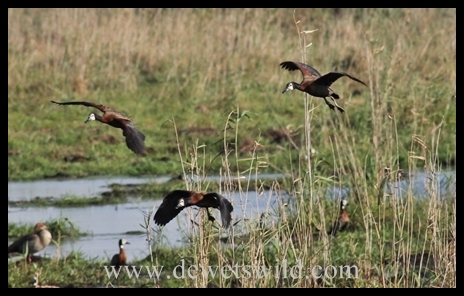
We frequently visit the area and it was an immense pleasure to see how quickly nature is claiming back its rightful place following the removal of the exotic and thirsty pine plantations which, not so long ago, covered huge tracts of land here on the eastern shores of Lake Saint Lucia. Large wetlands have re-appeared and now play host to big flocks of waterfowl, pods of hippopotamus and numerous crocodiles.
We were also delighted to experience many of the new amenities that the Park authorities have built for visitor’s enjoyment. At Catalina Bay a viewing platform overlooking Lake Saint Lucia is the perfect spot for sundowners and one can easily spend hours at the new photographic hide overlooking the Mfazana Pan.

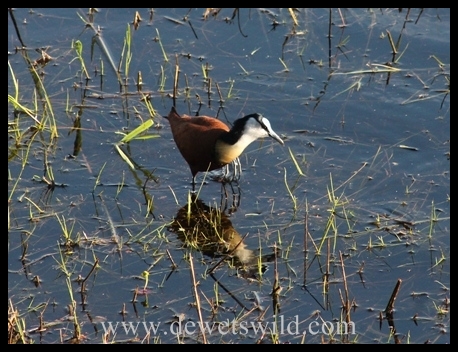
We had excellent leopard sightings during our three day visit, seeing no less than five different individuals. The best by far was of a beautiful male ambushing four warthogs in the early morning as they bolted from the hole in which they spent the night before, only to have the tables turned on him and being chased back into the forest by the bold hogs.

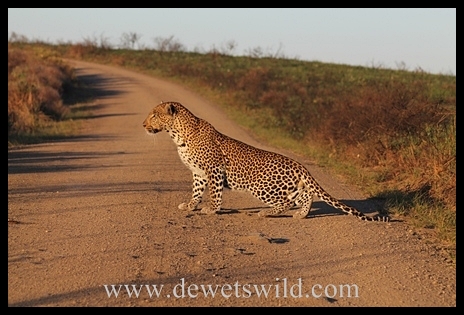

We were amazed to find a colony of fruit bats hanging above the parking spot at our chalet accommodation – normally the daytime roosts of these creatures are very difficult to spot.

A pair of bushpigs also paid us a visit one evening as we were enjoying dinner outside.
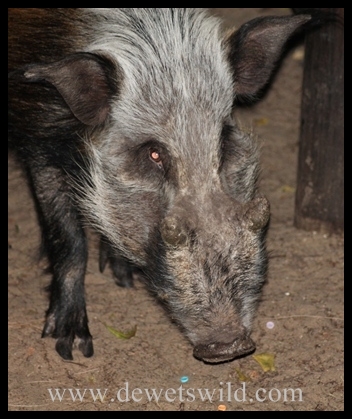
Bushbuck and samango monkeys are frequently seen both in the camp and while driving around, and reedbuck occur in large numbers in the swamps and reed beds that surround the lake and pans.
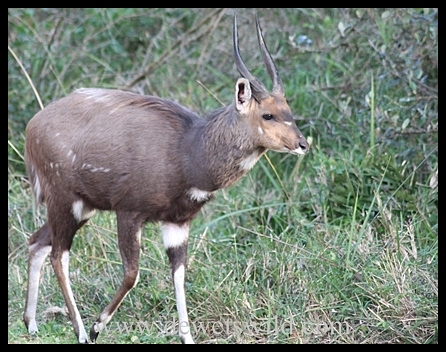
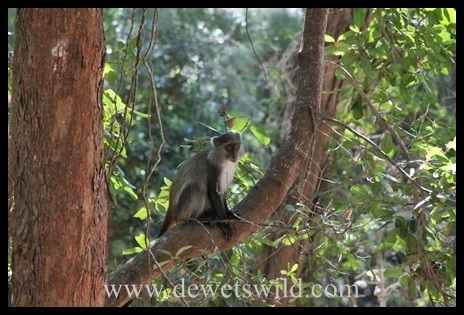

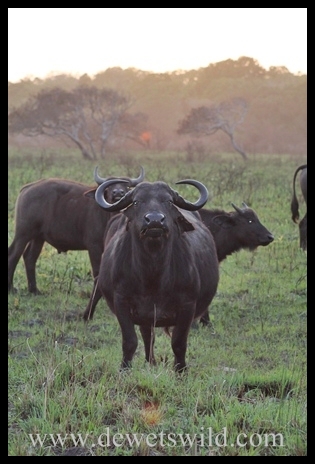
There are a number of large buffalo herds in the area and they are not always happy to have humans in vehicles interrupt their grazing.
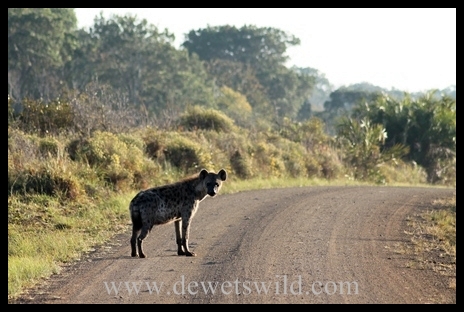
A real surprise find was the female spotted hyena we encountered on a gravel loop road early one morning – we followed her for several kilometres and watched as she attacked, without success, a small group of reedbuck before disappearing from sight.

iSimangaliso means “miracle and wonder” and it is one of South Africa’s most diverse nature reserves. Cape Vidal is an excellent base from which to explore a most beautiful part of it and there’s no doubting that we’ll return as often as we possibly can.

A small reserve that punches way above it’s weight class!

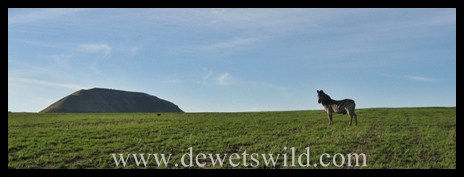
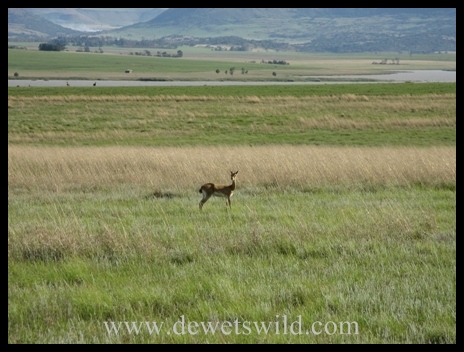
Chelmsford is a small reserve, covering only 6,800 hectares, roughly half of which is inundated by the Ntshingwayo Dam. But don’t let its relatively diminutive size fool you: in the larger South African conservation picture, Chelmsford Nature Reserve is a very important piece of land.
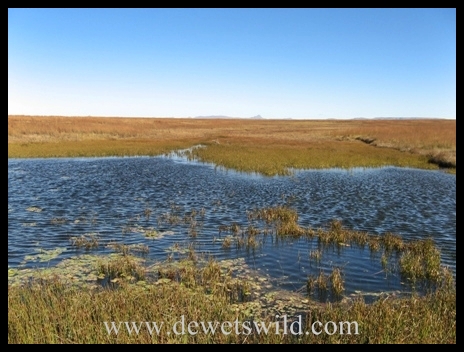

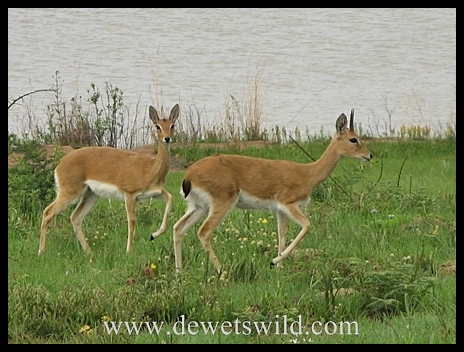
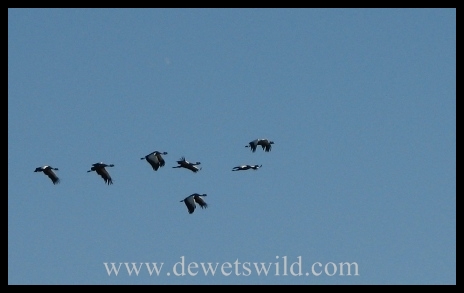
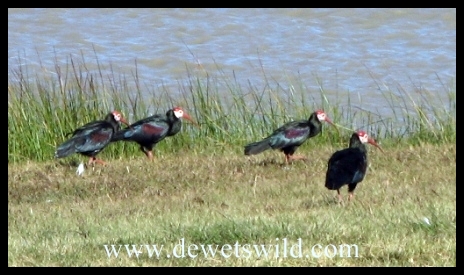
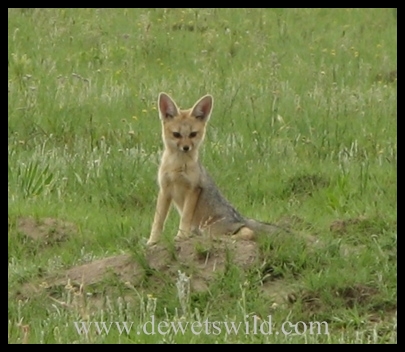
Chelmsford’s flat grasslands protects the country’s largest population of the highly endangered oribi, a small antelope, and it also harbours breeding populations of other rare or endangered wildlife such as the blue crane (our national bird), crowned crane, bald ibis, Cape fox and black wildebeest, not to mention many of the more common species.

The reserve has been in existence since 1975 and is located in northern Kwazulu-Natal, about thirty kilometres south of the large industrial town of Newcastle. Managed by Ezemvelo KZN Wildlife, it boasts eight fully self-contained cottages (very reasonably priced!), sleeping up to 5 people each, as well as two beautiful electrified camping areas (Leokop and Sandford) with well-maintained ablution facilities. Neat picnic facilities, conveniently situated throughout the reserve, are also available at the water’s edge.
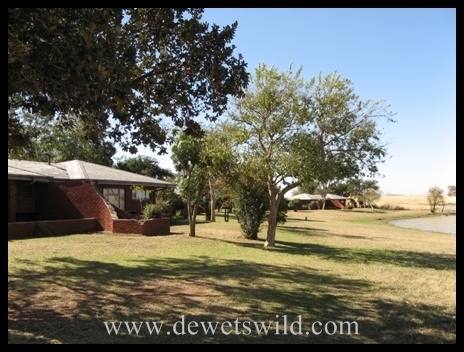

Though the reserve is never crowded, it is especially popular over weekends with local folk enjoying the outdoor recreational opportunities the dam and surrounds offers, such as boating, sailing, skiing, fishing, cycling, hiking, bird-watching and game viewing. The reserve and the dam that forms it’s focal point is named after a British Lord and Zulu General respectively who were on opposing sides at the Battle of Isandlwana, and is a convenient base from which to visit many of the Anglo-Boer and Anglo-Zulu War battlefield memorials in the vicinity.


We were quickly taken in by this dynamic little gem when we first visited three years ago, and it’s become one of our firm favourites.
Peace and tranquillity. Plentiful wildlife. Towering cliffs, rolling hills and rocky outcrops. Grasslands, marshes, bushveld, woodland and dense riverine forests. Rocky rivers and crystal streams. These are the reasons Ithala Game Reserve is one of our favourite destinations.
The Ithala Game Reserve is situated in the north of Kwazulu Natal province, near the village of Louwsburg. It was established in 1972 and is managed by Ezemvelo KZN Wildlife. Ithala has a fascinating history; large herds of game now roam the spaces once occupied by the San, the Zulu and the Afrikaners and years of hunting, farming and mining practices have made way for conservation and tourism.
Accommodation options range from the rustic Doornkraal camping area (tents only, for the steep, winding road leading to the reserve cannot be negotiated with a caravan in tow) to the self-catering chalets in Ntshondwe Camp, the exclusive Thalu, Mbizo and Mhlangeni bush camps, and the luxurious Ntshondwe Lodge. Most of the roads are well maintained gravel loops, connecting the camps to neat picnic spots and spectacular lookout-points.
The spectrum of big game to be found at Ithala puts many more well-known game reserves to shame while the diverse habitats of Ithala harbour many special bird species – more than 300 species have been recorded here and the reserve is well known for the impressive variety of raptors to be found.
Ithala’s biggest draw card however is its impressive landscapes and awe-inspiring scenery – you’ll be hooked the moment you set foot here.
“Nants ingonyama bagithi Baba…”
With the soundtrack to Disney’s animated movie “The Lion King” spurring us on, we’re heading through the dark to reach the Orpen Gate as soon as it opens. While we’re staying at Forever Resorts Swadini there’s no way we can be this close to the Kruger National Park and not make time for a visit.
Despite the strong wind blowing for much of the day we had a lovely time – as always – with great animal and bird sightings and a very enjoyable picnic in Satara. After a full day in paradise we hung around the vicinity of Orpen as long as we could before the gates closed again and we had to be on our way.
By the way, “Nants ingonyama bagithi Baba” are the opening words of the Zulu chant at the start of the film, from the song “Circle of Life” and it means “Here comes a lion, Father” – a very fitting caption for the central plains of the Kruger National Park, around Satara and Orpen, where numerous lion prides rule over the savannah (though they eluded us this time).
The third largest canyon on earth, carved over millennia through the Drakensberg escarpment; standing below and staring up at those spectacular cliffs, hundreds of metres high and millions of years old, brings home the reality of our own comparative insignificance and fleeting tenure on this planet.
Considered the largest “green” canyon in the world (the larger Grand Canyon in the USA and the Fish River Canyon in Namibia are both to be found in desert environments), the Blyde River Canyon Nature Reserve is one of South Africa’s most popular destinations. The reserve is found in eastern Mpumalanga Province, and is managed by the Mpumalanga Tourism and Parks Agency. Bourke’s Luck Potholes, God’s Window, Wonder View, the Pinnacle and the Three Rondavels are world renowned attractions to be found on the escarpment near the town of Graskop.
On this visit however, we based ourselves at the Forever Resort Swadini in the Lowveld portion of the reserve, near the town of Hoedspruit. Set in a lush subtropical environment, along the Blyde River and at the foot of a magnificent cliff face, with a myriad of animal and bird life abounding and beautiful walking trails through the indigenous vegetation along the river, you’ll be hard pressed to find a more scenic camp in any reserve.
Swadini is also an excellent base for visits to nearby attractions such as the Blydepoort Dam (on which guided boat tours are available daily), the Hoedspruit Endangered Species Centre and of course the Kruger National Park (Orpen Gate is only 75km away).
Of course we had to feed our Kruger addiction – here a quick report of our day visit to the Kruger National Park.
 DeWetsWild