Pachyderms on parade in the Pilanesberg…

Forward!
For more on this week’s photo challenge by WordPress: Forward

Pachyderms on parade in the Pilanesberg…
For more on this week’s photo challenge by WordPress: Forward
There’s more than 14,000 elephants in the Kruger National Park, and of course they are a big drawcard for visitors to this game reserve, being charismatic animals and members of the famed “Big 5”.
For us too, encountering elephants is always a special treat: witnessing the interactions between different herd members or the playful antics of the calves, and there’s few things in nature as beautiful as the gait of a confident elephant bull, his massive head swaying from side to side, intent on ensuring anything and everything in his way clears out before he gets there.
The Kruger Park is known as one of the few remaining places on the African continent where you still have the chance to see elephants carrying impressive tusks, sometimes in excess of 2 or even 3 metres in length and weighing anything between 40 and 70kg. In the Letaba Rest Camp there’s a fascinating museum dedicated to the elephant, where visitors can also marvel at the tusks of some of Kruger’s most famous tuskers.
Over the years, we’ve been extremely fortunate to have encountered a handful of these living monuments while exploring the Kruger National Park, especially in the northern regions of the park in the vicinity of Shingwedzi, Letaba and Mopani Rest Camps. Traditionally, these remarkable giants are given distinctive names, either for the area they roam or in honour of Kruger staff members who have dedicated their lives to the protection of this special place.
Eventhough I was then only a child travelling to the Kruger Park with my parents, long before the advent of cheap (digital) photographic equipment, encounters with the magnificent Mandleve and Mabarule will live in my memory forever.
The photographs we’re sharing here are more recent. In January 2006, Marilize and I became two of the very small number of people to have had the honour of seeing Masbambela -we’ve already posted some pictures of him in a previous post (here)

Masbambela
Our sighting of Ngunyupezi in April 2007, when the whole de Wet clan went camping at Shingwedzi, was just as special – it was only the second officially recorded sighting of this enigmatic bull, whose left tusk characteristically grows almost straight down. At one point he charged at us, head held high and that straight tusk leading the way like the lance of a medieval knight! Ngunyupezi is still seen in the Shingwedzi area from time to time.

Ngunyupezi
Hlanganini was a well-known tusker, regularly seen around Letaba Rest Camp. This is also where we met him, in September 2007. Hlanganini died a couple of years ago, following a fight with another bull.

Hlanganini
During a visit in June 2011, my brother Niel and I came accross two of the new generation of Kruger Tuskers: Machachule, right at Shingwedzi’s back gate, and Masanana, near Letaba.

Machachule
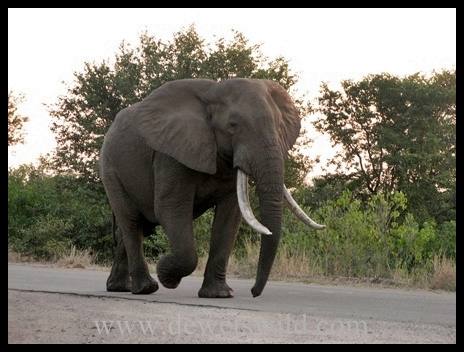
Masasana
We’ve already had five encounters with Masthulele, believed to be Kruger biggest tusker at the moment, over the years. This sighting was in April 2012 near Letaba, while visiting the Park with our friends the du Plessis’.
Edit: SANParks announced in September 2017 that Masthulele had died during 2016.

Masthulele
During our visit in September of 2012 we were lucky to see two more tuskers: Mandzemba welcomed us back to our beloved Shingwedzi, while Ngodzi bade us farewell us we departed from Mopani. These two tuskers haven’t been named “officially” by Kruger’s management (yet) and their names are, for now, derived from waterholes found in their home ranges.

Mandzemba
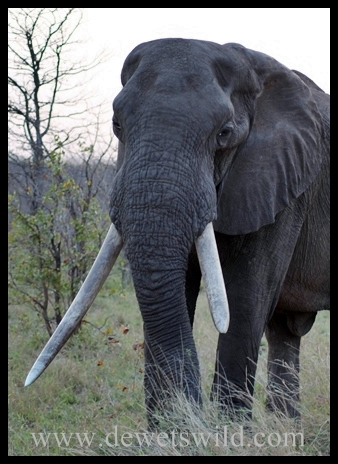
Ngodzi
Everytime we visit the Kruger Park, we hope for another special appearance by one of these majestic animals. It may be years before we are fortunate to have our path cross one of theirs again, but when it happens it will surely be another thrilling experience!
Our silly contribution for the Valentine’s week photo challenge

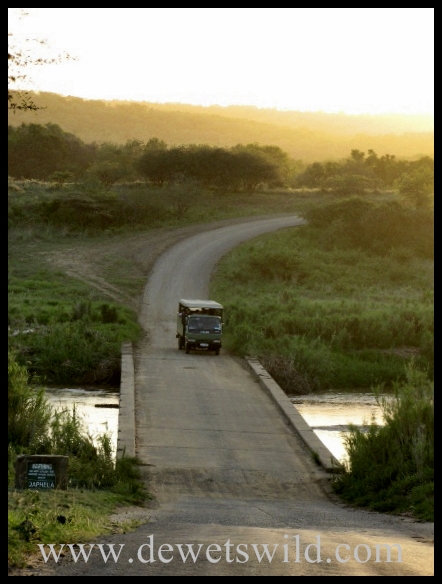
It’s scenery like this that causes us to return to one of South Africa’s wild places at every opportunity, and why we pine for the bush whenever we cannot be there. This photograph was taken in the Hluhluwe-Imfolozi Park and shows a guided sunset drive about to cross the Black-Imfolozi River.
We’re participating in the online adventure travel and photography magazine LetsBeWild.com‘s Wild Weekly Photo Challenge for bloggers. This week’s challenge is “Wanderlust“
We’ve made mention before of how fortunate we are to live in Pretoria, where so many nature reserves are to be found in close proximity to the city. At 3600ha, the Rietvlei Nature Reserve is the largest of the nature areas within the city limits, and is located right at the southern edge of the metro.
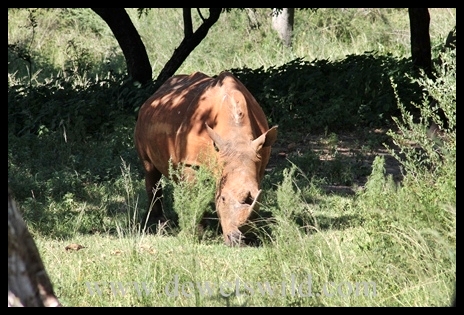
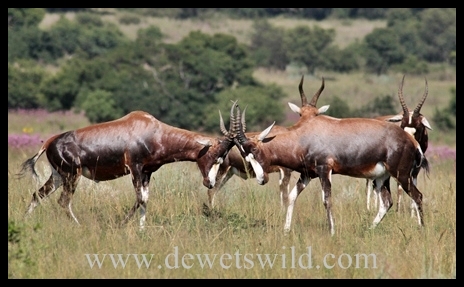


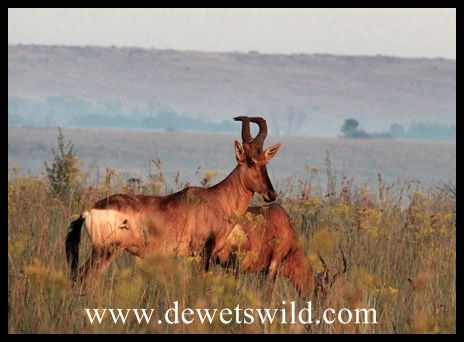
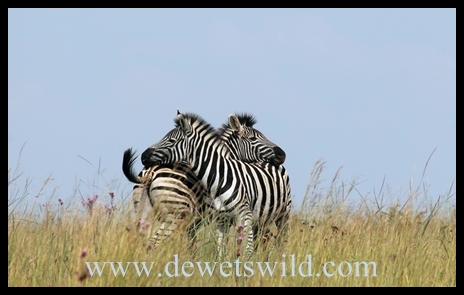
Rietvlei is an important reserve in that it protects a variety of rare and threatened plants, animals and habitats. Visitors are drawn by a wide range of birds and animals that include lion (in a separate 100ha camp), white rhinoceros, buffalo, hippopotamus, cheetah, brown hyena and large herds of zebra and antelope. In addition, the Rietvlei Dam offers opportunities for fishing and sailing, with hiking, biking and horse trails being attractive alternatives to driving around or spending hours in one of the four photographic hides for exploring to reserve. Visitors can even overnight in the reserve, with camping and chalets being available next to the dam. There are two picnic sites in the reserve and a coffee shop where you can enjoy delicious baked treats.
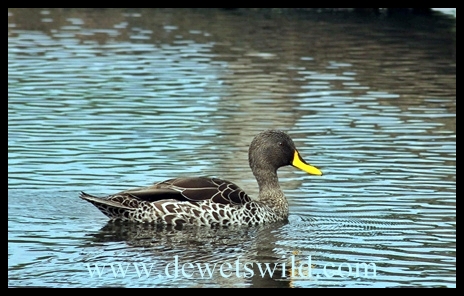
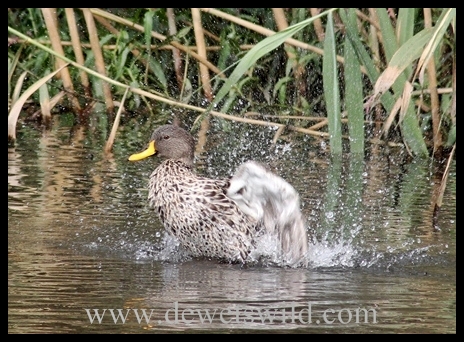
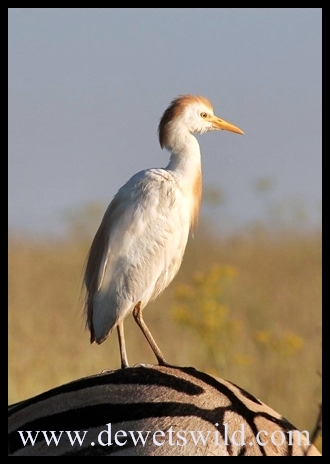
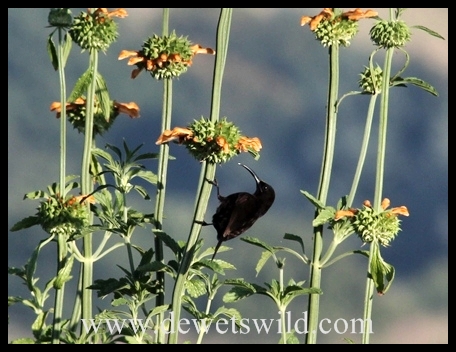

Unfortunately, due to its urban setting, the reserve can hardly be described as pristine and its management has to contend with a lot of human impact, much of it totally unavoidable and irreversible. The encroaching city sprawl almost surrounds the reserve while electricity pylons, water pipelines and invasive alien plants are very much in evidence. These negative factors however shouldn’t deter you from visiting Rietvlei – it has so much counting in its favour and it certainly is a popular retreat, especially over weekends, for city-dwellers intent on spending some time in the outdoors, as we were last Sunday.
These photographs were taken this past Sunday in the Rietvlei Nature Reserve in Pretoria, South Africa – more from Rietvlei coming soon, so watch this blog 🙂 !

A river runs through it

A herd of eland dot a green hillside in the Rietvlei Nature Reserve
We’re participating in the online adventure travel and photography magazine LetsBeWild.com‘s Wild Weekly Photo Challenge for bloggers. This week’s challenge is “Green“
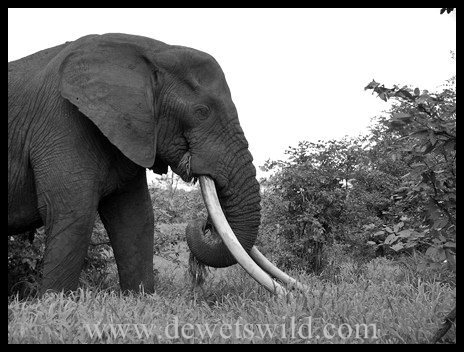
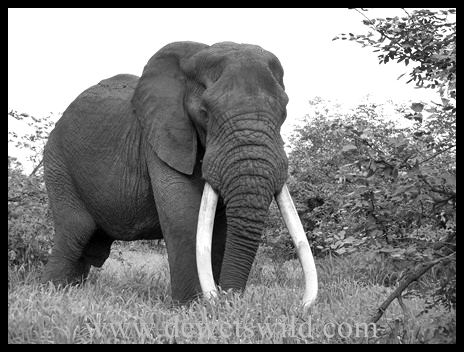
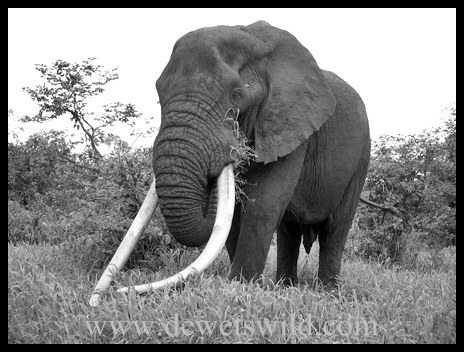
One of our most treasured sightings ever in the Kruger National Park. This magnificent animal was called “Masbambela”, named in honour of ranger Ben Pretorius who had spent 35 years working in the Park. Masbambela means “the one that can stand his ground” – isn’t that an absolutely apt name for this beautiful creature?
Masbambela was a shy tusker rarely seen by tourists to the Park and even Kruger’s researchers had difficulty tracking him, making our sighting on the 15th of January 2006 all the more special. We found him to the north of our beloved Shingwedzi Rest Camp, along the course of the Mphongolo River, where he was feeding peacefully only meters away from our vehicle.
Unfortunately, by August 2006 researchers noticed that he had broken a piece off his left tusk and sadly, Masbambela died, of natural causes, in November of that same year. His intact right tusk measured 2.31m in length and weighed 49kg, while the stump of his left tusk was 2.07m long and weighed almost 43kg.
We are honoured to have one of our images of Masbambela featured in Johan Marais’ book “Great Tuskers of Africa” – a must read for anyone interested in these awe-inspiring African icons.
Over the years we’ve encountered a number of other bulls carrying impressive ivory – if you are as much in awe with these beautiful animals as we are, have a look at the special posts we did on Kruger’s Big Tuskers and Isilo of Tembe.

Have a look here to see other “unique” entries from wordpress bloggers.
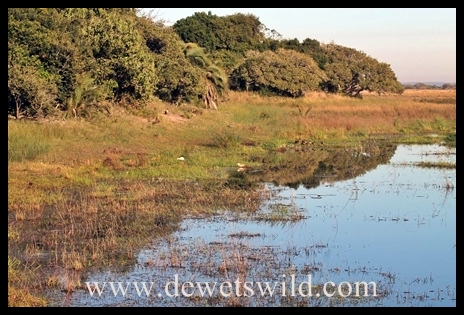
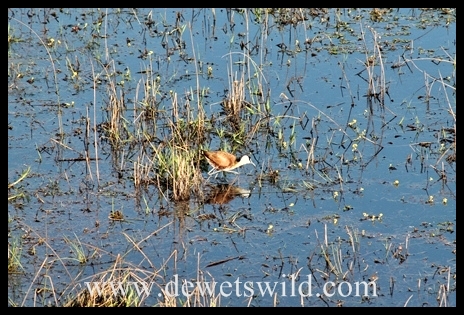
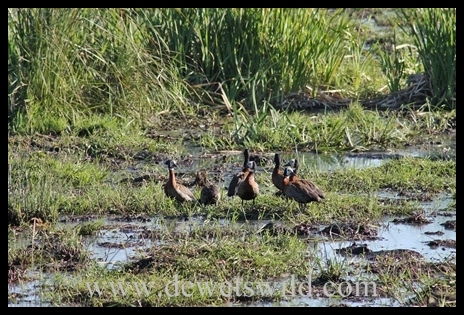
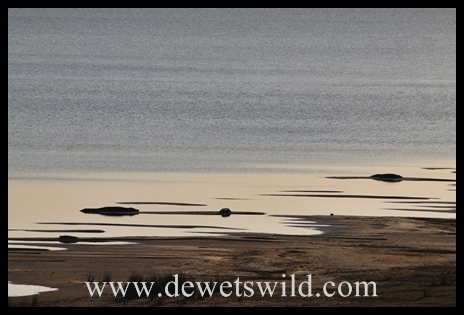
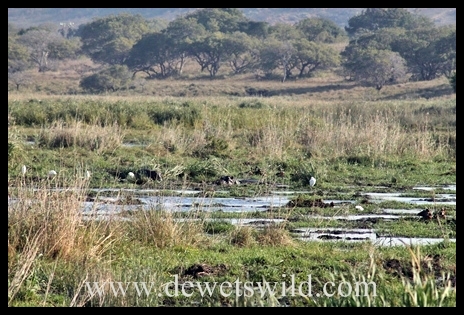
Annually, the 2nd of February is celebrated as World Wetlands Day to highlight the important role wetlands play in improving water quality, reducing flood damage, controlling erosion and storing fresh water. In recognition of the day we are posting some more images from one of South Africa’s most important wetland areas – the iSimangaliso Wetland Park.

We’ve just returned from a morning outing in the Moreletakloof Nature Reserve near our home, where we encountered this zebra. If you’d like, there are more photos from our trip here.
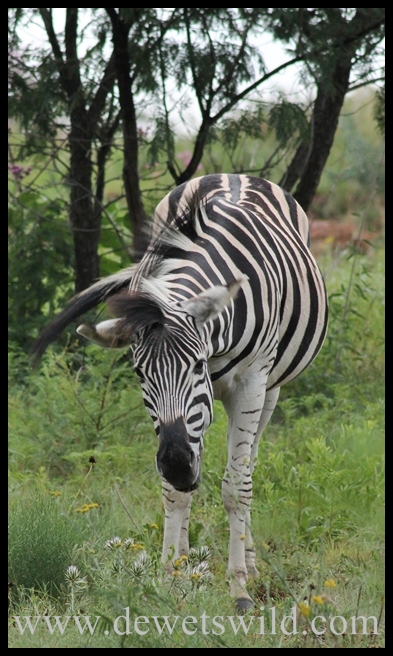
We’re participating in the online adventure travel and photography magazine LetsBeWild.com‘s Wild Weekly Photo Challenge for bloggers. This week’s challenge is “Now“
Probably the best thing about living in Pretoria is that there’s a bunch of nature reserves very near to us. The tiny (100 hectare) Moreletakloof Nature Reserve is just one example: it is only 2.6 kilometers from our home, and early this morning Joubert and I headed there for a bit of walking. Despite it being overcast and drizzling we had a thoroughly enjoyable father-and-son experience, encountering a variety of birds and animals along the trail.
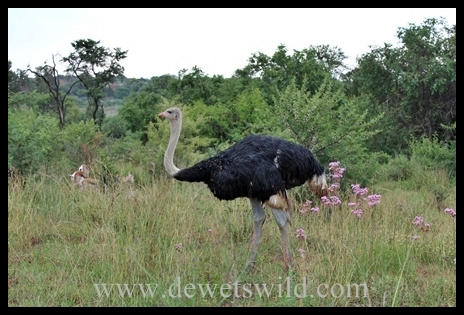
Ostriches are frequently encountered in Moreletakloof, and can be dangerous when protecting chicks.

Moreletakloof’s animals are quite habituated to the human presence
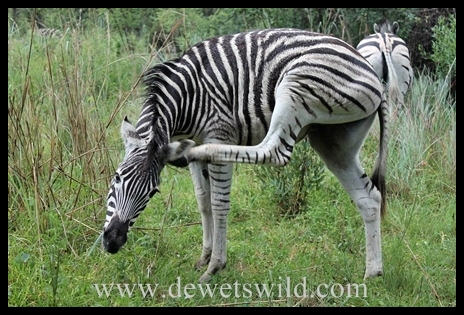
Zebra foal with an irritating itch in the ear

Impala

More impala
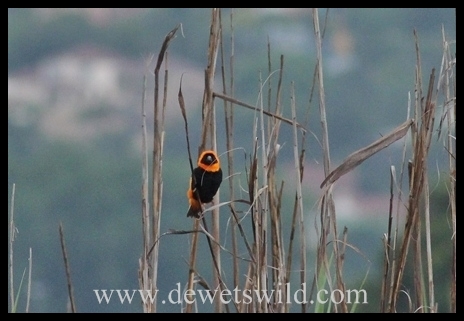
Red bishop

And even more impala

This small stream meanders from one end of the reserve to the other

Trail through thicket

Restored farmhouse from the late 1800’s now operating as a restaurant, with blesbuck grazing on the grounds

Blesbuck

Who’s watching who?
 DeWetsWild