We found this terrapin resting on his hippo-island beneath the Rathlogo hide in the Pilanesberg National Park

From above
“From Above” is this week’s WordPress Photo Challenge.

We found this terrapin resting on his hippo-island beneath the Rathlogo hide in the Pilanesberg National Park
“From Above” is this week’s WordPress Photo Challenge.
Back to the largest green canyon on earth
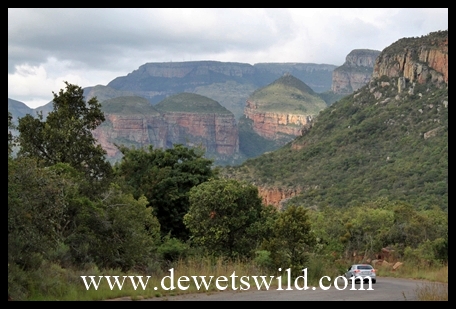
We headed for the Blyde River Canyon again over Easter 2013 and had a most enjoyable time, as always, being out in nature. In June 2012, we based ourselves at Forever’s Swadini Resort in the lowveld portion of this beautiful nature reserve, and so this time around we spent three very comfortable nights at their Blyde Canyon Resort up top on the escarpment. While the climate and surroundings of the two resorts differ markedly, both are well managed with good amenities and very definitely worth a visit.
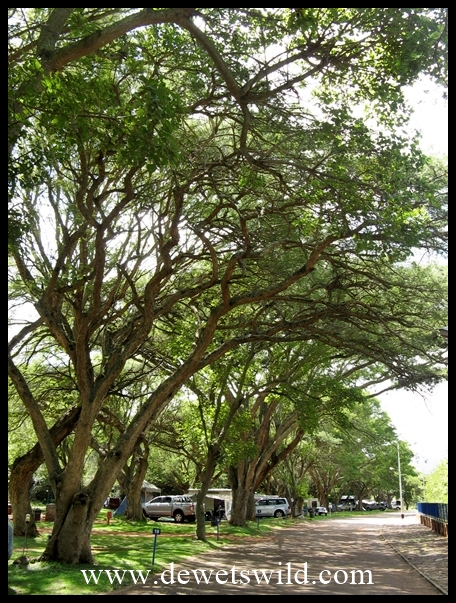
Camping at Blyde Canyon

Comfortable chalets at Blyde Canyon
At Blyde Canyon Resort a number of hiking trails and viewpoints are available to enjoy the spectacular natural surroundings, offering chance encounters with small antelope and primates. During our visit the resort also arranged a very informative talk on snakes, including a number of venomous specimens being displayed, which turned all the more exciting when a live, wild juvenile cobra put in an appearance between the visitors lounging on the lawn – luckily the presenter was on hand to capture it for later release back into the wild.


The resort is an excellent base from which to explore other parts of the nature reserve, such as the Bourke’s Luck Potholes, named after a prospector who expected to find alluvial gold deposits there. Here, at the confluence of the Blyde (meaning joy) and Treur (meaning sorrow) Rivers, the force of the cascading waters carrying with it all sorts of debris have weathered away the bedrock to form a series of very interesting formations. A number of popular viewsites and the Echo Caves are additional attractions in the vicinity to consider.


On the way to Blyde Canyon, we enjoyed a couple of hours exploring the Sudwala Dinosaur Park – have a read here if you’d want to see more of this worthwile destination.
Thick fog and heavy clouds blanketing the Blyde River Canyon, in South Africa’s Mpumalanga Province.
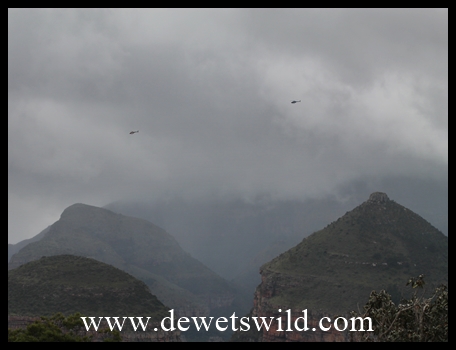

We’re participating in the online adventure travel and photography magazine LetsBeWild.com‘s Wild Weekly Photo Challenge for bloggers. This week’s challenge is “Clouds”
This caracal was hiding next to the road in the Oribi Gorge, in Kwazulu-Natal Province – had it’s eyes not reflected in our headlights as we rounded a bend, it would have gone totally unnoticed.

We’re participating in the online adventure travel and photography magazine LetsBeWild.com‘s Wild Weekly Photo Challenge for bloggers. This week’s challenge is “Overlooked“
A pair of hadeda ibis wading on a boulder protruding from the Treur River, as it rushes towards the Bourke’s Luck Potholes in the Blyde River Canyon, South Africa (where we were fortunate to spend the Easter Weekend).

We’re participating in the online adventure travel and photography magazine LetsBeWild.com‘s Wild Weekly Photo Challenge for bloggers. This week’s challenge is “Distant“.
We’re spending Easter Weekend in the Blyde River Canyon Nature Reserve in Mpumalanga Province, surrounded by some of the most spectacular scenery imaginable!

Spectacular Blyde River Canyon
We wish you all a blessed Easter!
Mopani Rest Camp, named for the mopane tree with its butterfly-shaped leaves that dominates the plantlife of the northern Kruger National Park, is located just south of the Tropic of Capricorn. From its hilltop vantage point, the camp offers splendid views over the Pioneer Dam (with a rich aquatic birdlife) and the mopane plains beyond.
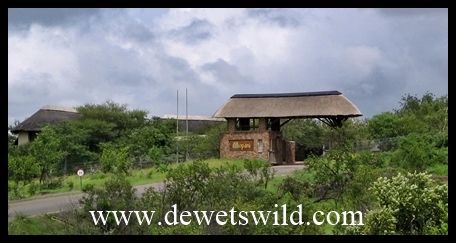
Mopani entrance

Mopani bungalow
Mopani has an unfair reputation for not being a very prolific game viewing area of the Kruger Park, mostly because the mopane shrub can get extremely thick and difficult to see through.

Impalas displaying just how thick the mopane’s can get!
However, if you choose your routes carefully, the Mopani area has very much to offer; the best drive is undeniably the circular route made up of the S49, S50 and S143 gravel routes to the east of the camp that skirts the Mooiplaas and Tinhongonyeni waterholes and the Nshawu Vlei (marsh). Mopani, and especially the area around Tinhongonyeni waterhole, is a hotspot for sightings of the rarer antelope and large birds like the kori bustard, ground hornbill, ostrich and secretary bird. In fact, Tinhongonyeni is one of the best waterholes in the entire Kruger National Park for overall game viewing, and a couple of hours there will assuredly be time well spent. Elephant and buffalo thrive in the Mopani area (there’s a herd of buffalo in the vicinity more than 1,000 animals strong) and we’ve had a number of good lion and cheetah sightings in the district.

Buffalo in rainy weather

This buffalo wasn’t overly happy to have his way blocked!

Unhappy elephant!

Eland – a rare sighting in Kruger – at Tinhongonyeni waterhole
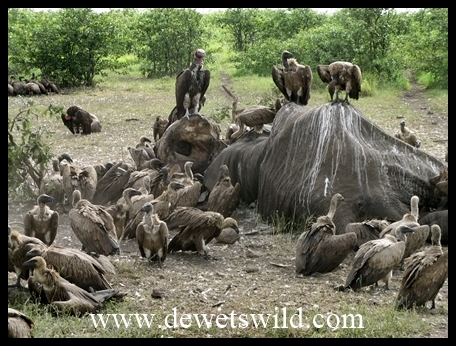
Vultures cleaning up the carcass of a tusker that died almost on Mopani’s doorstep

Claiming the road as his own, and who’s going to disagree?

Elephant procession

Lone elephant bull

Giraffe
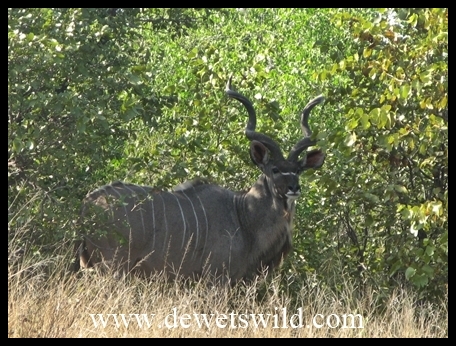
Kudu bull

This lion gave us a terrible fright, as we stopped right next to him without knowing he’s there (we were watching a herd of tsessebe at that moment)
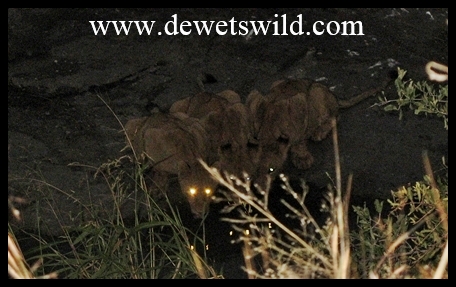
Lions quenching their early morning thirst just a kilometer from Mopani

Reedbuck are frequently seen in the Nshawu Vlei
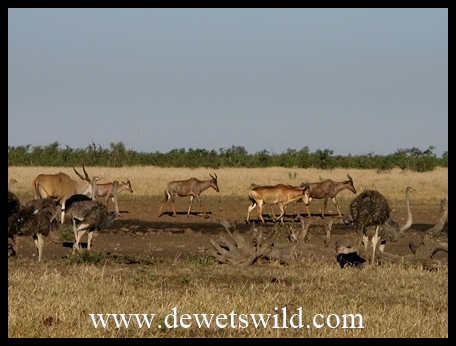
Tinhongonyeni waterhole, with three rare antelope in one shot: eland, tsessebe and Liechtenstein’s hartebeest

Tsessebe are seen more frequently near Mopani than anywhere else in the Kruger Park
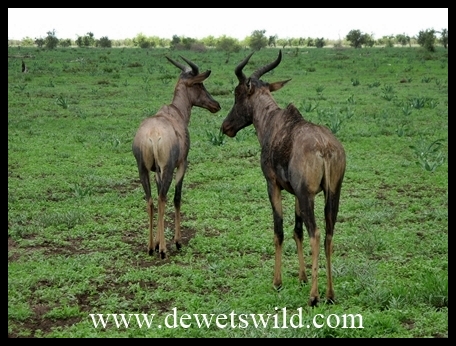
More tsessebe. Guess where? Tinhongonyeni!
Just south of Mopani, the Shipandani Hide, which overlooks a waterhole in the Tsendze River, offers a very different overnight experience as a single group of guests at a time may occupy the hide between sunset and sunrise.
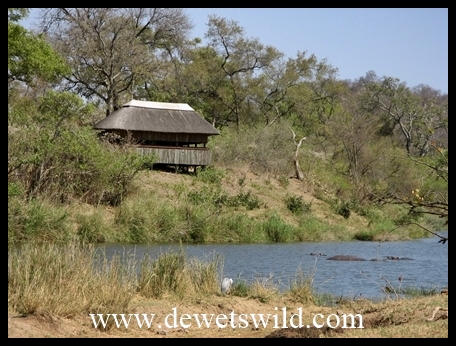
Shipandani Hide

The neighbours at Shipandani
Mopani is also special to the de Wets for one more reason: it is here, in the glow of a magnificently romantic African sunset, that Marilize and I got engaged!
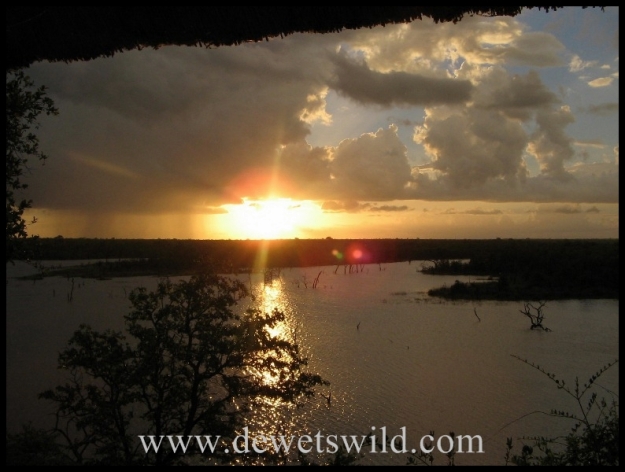
The scene was set to get down on bended knee!

Almost exactly in the middle of the Kruger National Park, on the southern bank of the broad and mostly sandy Letaba River, you will find the Letaba Rest Camp – a tranquil retreat beneath large, shady trees.
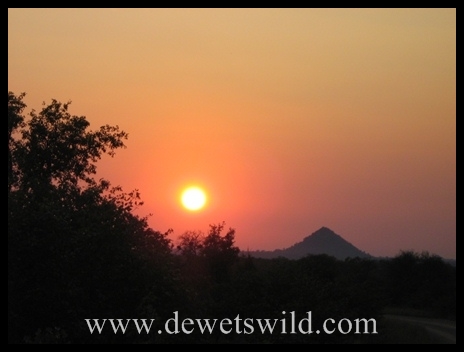
Sunrise between Phalaborwa Gate and Letaba Rest Camp
Letaba welcomed its first guests back in 1929, and remains very popular with visitors to this day. Hutted accommodation and camping is available for overnight guests, the restaurant offers sweeping views of the river and a spacious and shady picnic area, complete with swimming pool, is available to day visitors. Bushbuck, squirrels and a variety of birds have made themselves right at home among the accommodation units and provide endless entertainment to visitors lounging along the riverfront throughout the day.
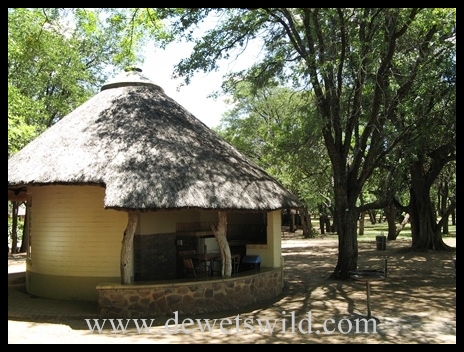
Letaba bungalow
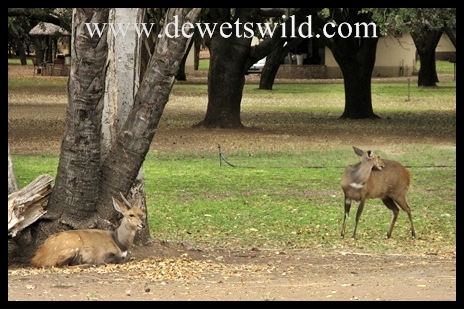
Bushbuck at home among the huts
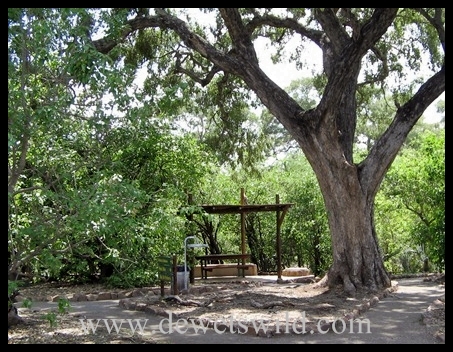
Day visitor picnic site
The Elephant Hall is a unique educational facility with exhibits dedicated to every facet of the elephant’s ecology. Also on display is the ivory of several of the Kruger National Park’s famous big tuskers that have sadly departed to heavenly pastures.
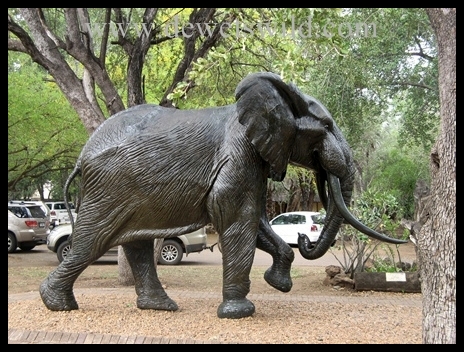
Elephant statue
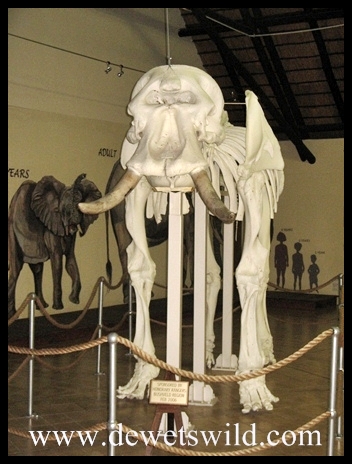
Elephant skeleton

Inside the Elephant Hall
You then won’t be surprised when we tell you that Letaba is elephant country. Visitors here have an excellent chance of encountering both breeding herds and bulls carrying impressive ivory. Masthulele, probably Kruger biggest tusker at the moment, is in fact regularly seen along the river right in front of the camp.
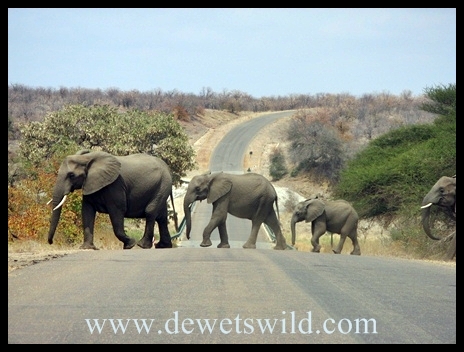


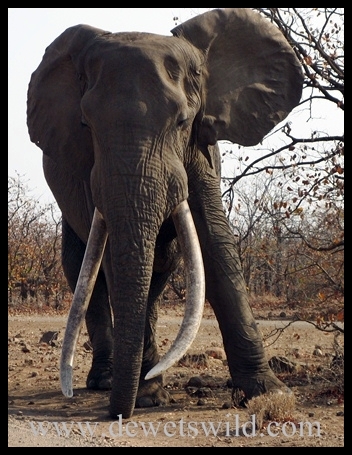
The late Hlanganini
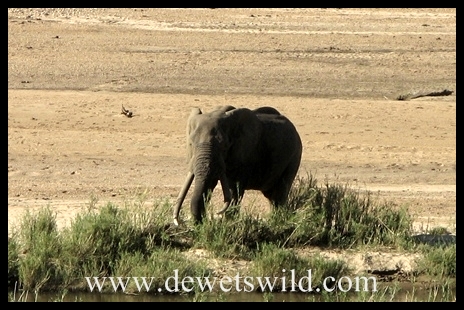
Masthulele
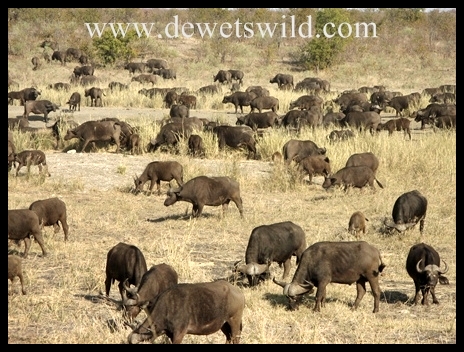
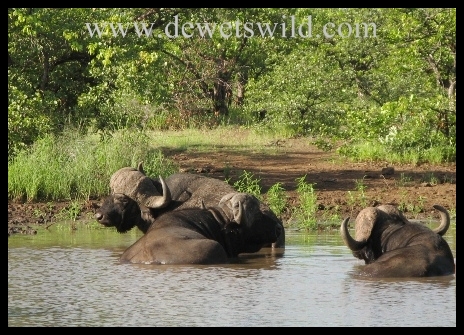
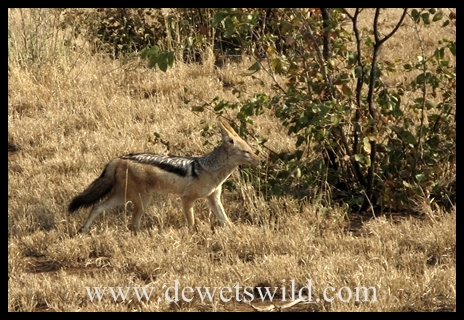
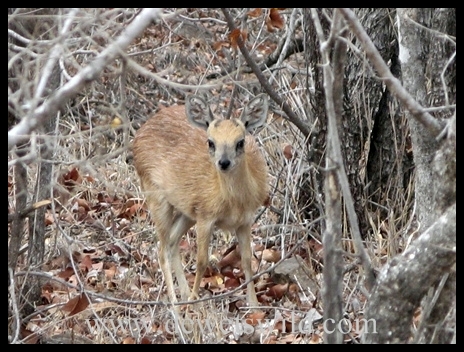
Buffalo is another member of the “Big-5” that occurs in large numbers in the Letaba area, and visitors are bound to see a variety of other wildlife, including predators, in the area.



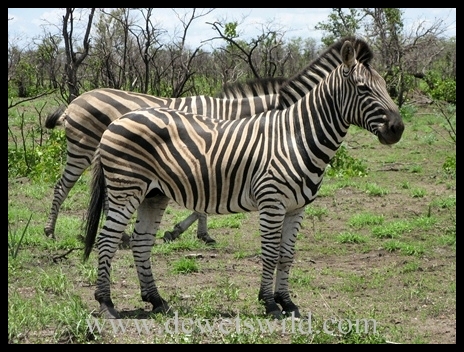
The best self-drive routes for game viewing from Letaba are those that track the course of the river; road S46 towards the south-east and road S47 to the north-west. Guided activities such as walks and night drives are also very popular.


Pay Letaba a visit and you’ll quickly understand why it is a firm favourite with many of the Kruger faithful!
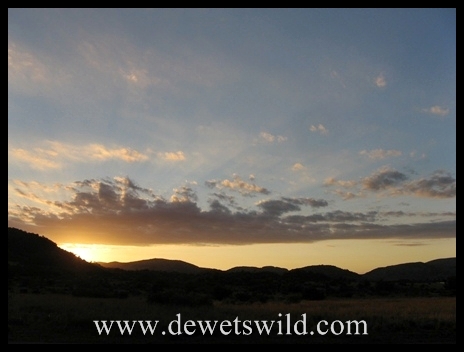
Sunrise over the rim of the ancient volcanic crater
Last Sunday Joubert and I accompanied my brother Niël to the Pilanesberg National Park for a day visit – as always it was good to get out of the city and into the wilds, even if only for a day. Pilanesberg’s four entrance gates are all within an easy two-hour drive from Pretoria so it wasn’t difficult at all to be at the Park’s Manyane Gate in time for it opening at 05:30. We departed again, through Bakubung Gate, just as dusk was settling over the reserve at around 18:00 that evening.
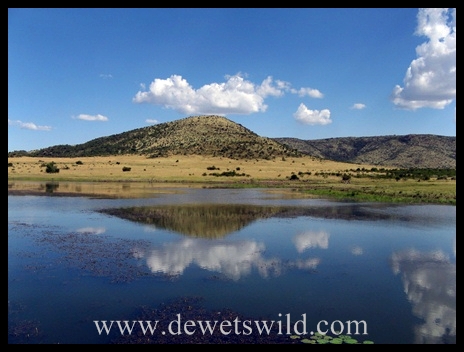
Lake Mankwe
We spent most of the day exploring the Park along the extensive network of roads and also spent some time in the various photographic hides (two of which was damaged considerably by elephants recently and in need of repair). Here’s a collection of photographs of Pilanesberg’s mammals, birds, reptiles and fish, all taken on Sunday.
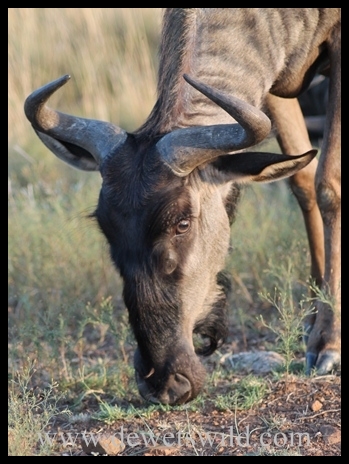
Blue wildebeest cow
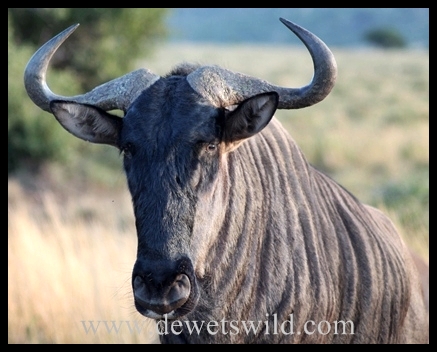
Blue wildebeest bull
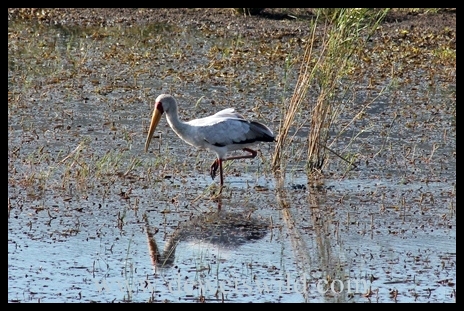
Yellow-billed stork
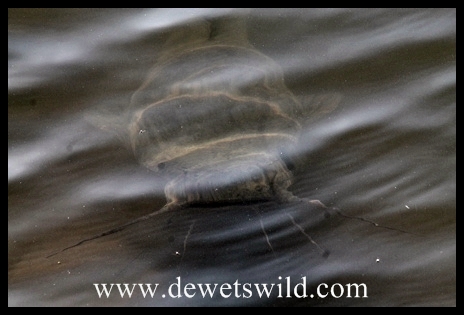
Barbel (catfish) ambushing small fish in the shallows
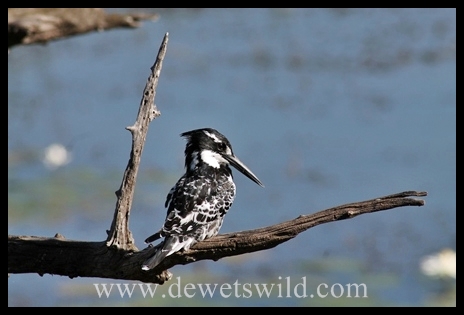
Pied kingfisher
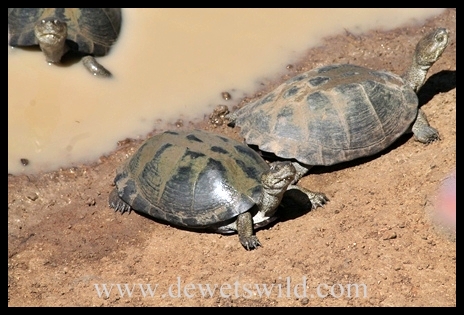
Terrapins
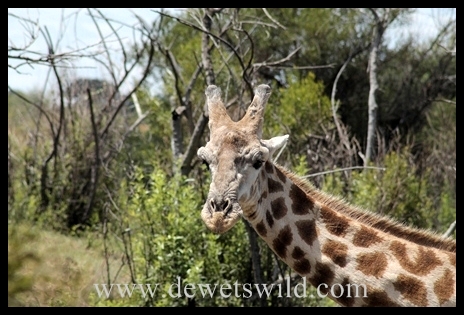
Giraffe
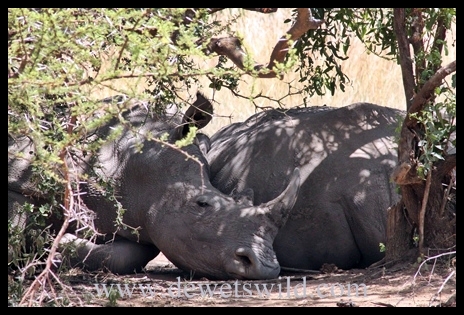
White rhinoceros

Kudu cow and calf
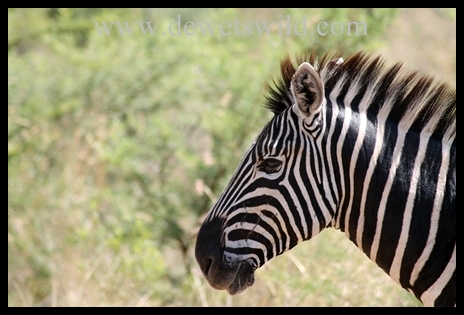
Battle scarred zebra stallion
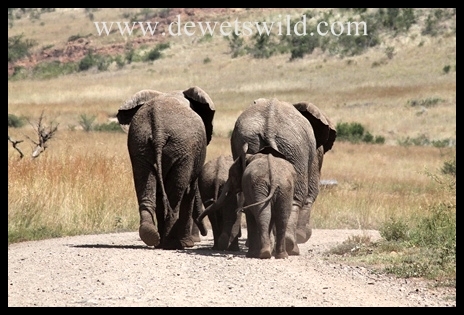
Elephants have right of way
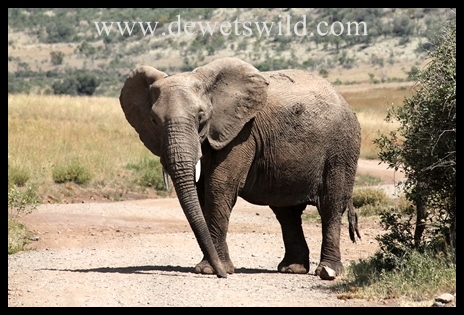
Elephant roadblock
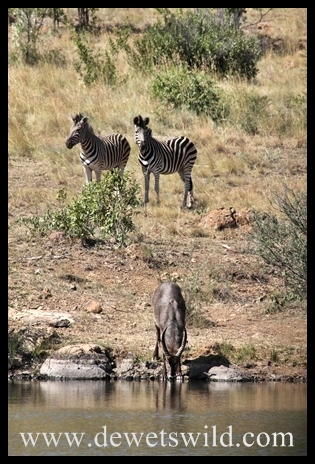
Waterbuck drinking
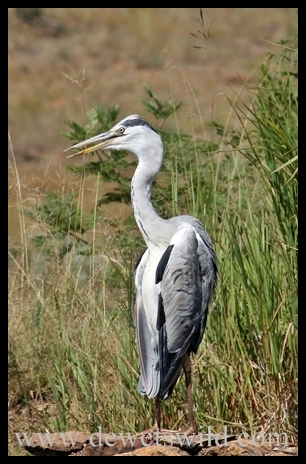
Grey heron cooling off next to the water
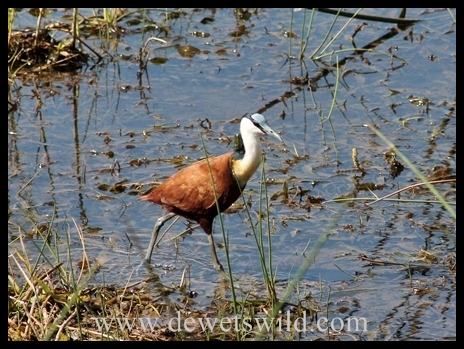
Jacana walking on submerged plants
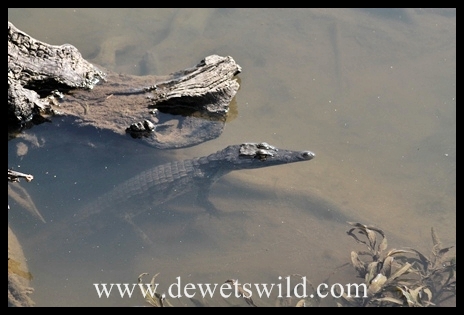
Juvenile crocodile

Little Egret in breeding plumage
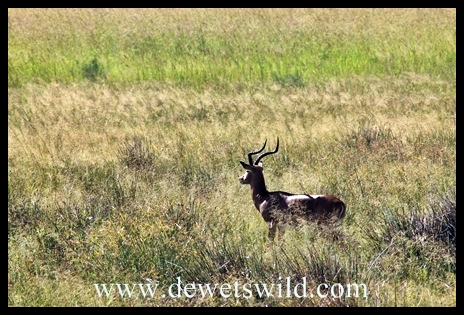
Impala
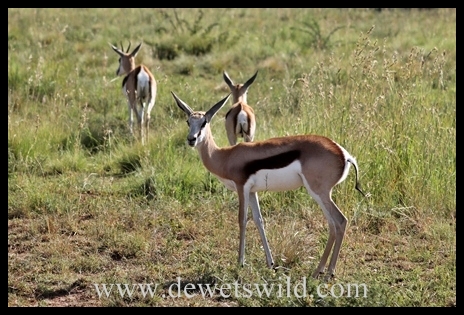
Springbok, South Africa’s national animal
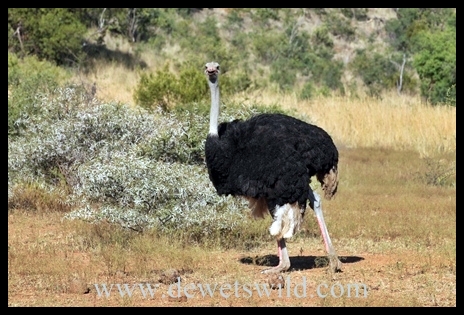
Ostrich
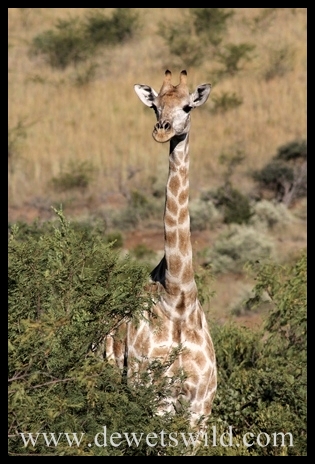
Curious giraffe
For more on Pilanesberg you can read all about our previous visit there in May 2012.
It’s scenery like this that causes us to return to one of South Africa’s wild places at every opportunity, and why we pine for the bush whenever we cannot be there. This photograph was taken in the Hluhluwe-Imfolozi Park and shows a guided sunset drive about to cross the Black-Imfolozi River.
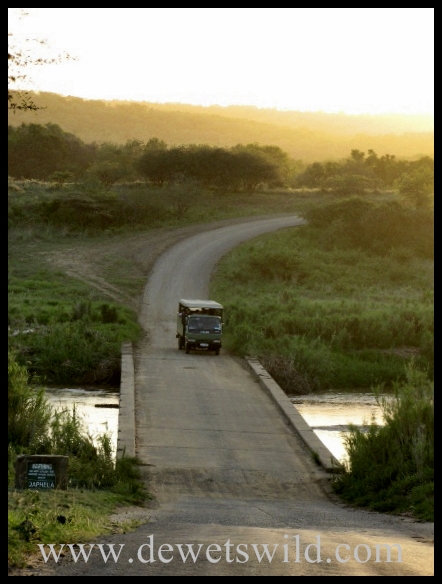
We’re participating in the online adventure travel and photography magazine LetsBeWild.com‘s Wild Weekly Photo Challenge for bloggers. This week’s challenge is “Wanderlust“
 DeWetsWild