Tag Archives: Spotted hyena

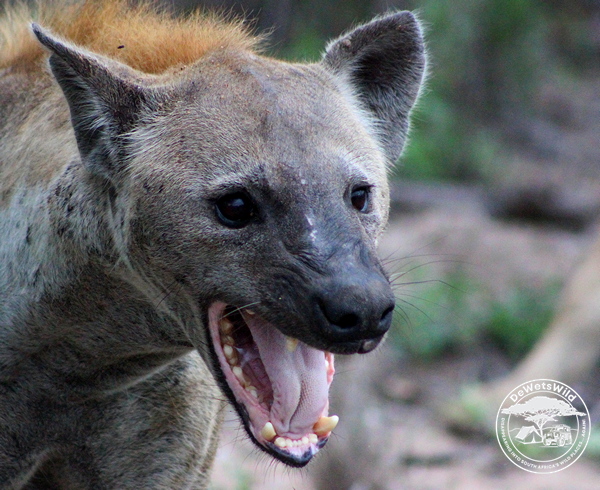
Just look at those teeth!

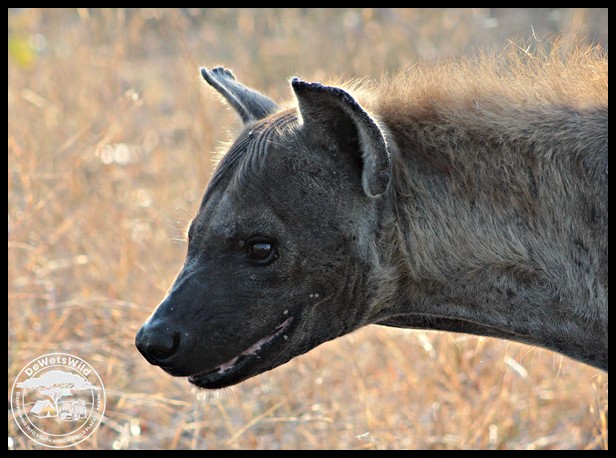
This vicious looking snarl, photographed on a recent tour of the Kruger National Park, is actually just a Spotted Hyena yawning. The jaws of a spotted hyena are extremely powerful and its dentition specifically adapted to be capable of crushing the long bones of even giraffe and buffalo carcasses.

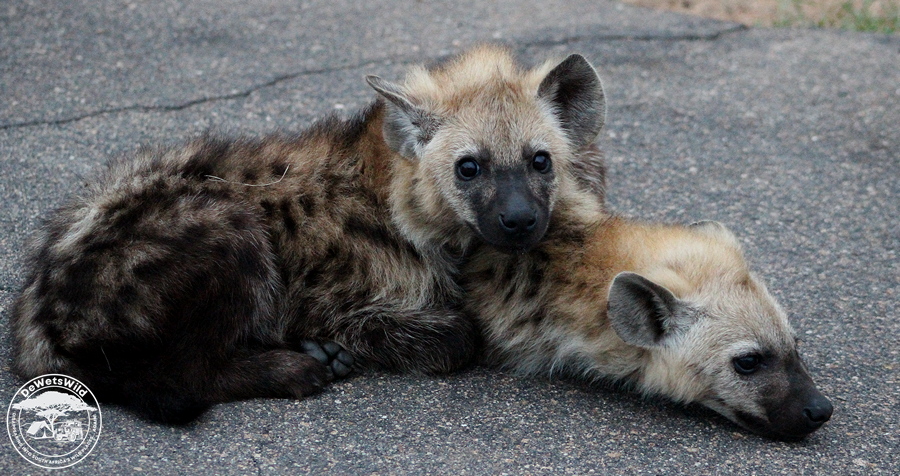
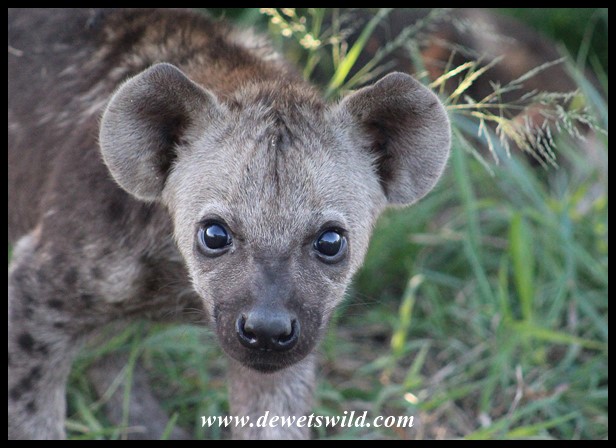
Just to remind us that Spotted Hyenas are actually very interesting animals that certainly don’t deserve the bad PR they’ve been getting, here’s a photograph of two very cute cubs taken on the same trip.

Cute Spotted Hyena cubs

I am a fully accredited and legally registered tour guide (with all the necessary insurance, professional drivers license and first aid certification) – don’t hesitate to reach out if you’d like me to arrange a guided tour of beautiful South Africa and all her natural wonders, like the Kruger National Park, for you as well, or even just to assist with your holiday reservations for our national parks and nature reserves throughout the country.


Manyeleti Magic 2025: Day 4 (15 June)

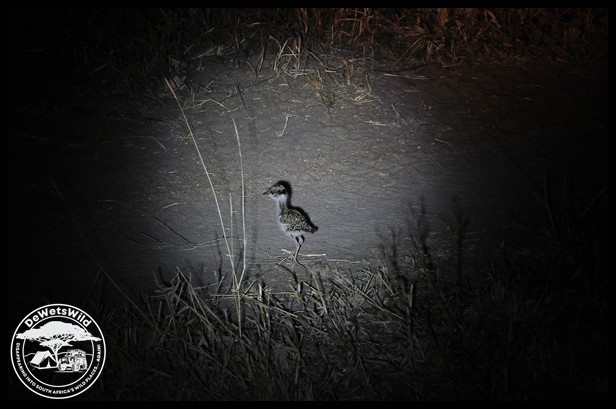
Our first early morning sighting, of a little Crowned Lapwing chick, shortly after setting out from Buffelshoek was quite suprising, considering how dark and cold it was for the little one to be venturing out from underneath his mother’s wing!

Crowned Lapwing chick

Soon afterwards the sun was rising beautifully over the Lowveld horizon and we couldn’t resist parking and watching in awe as the rich colours tinted the sky, nor could we resist attempting to capture it with our cameras.

A pack of spotted hyenas lounging at a waterhole was our first predator sighting of the morning. In the waterhole a hamerkop was trying to catch frogs, not in the least worried about the hyenas all around.

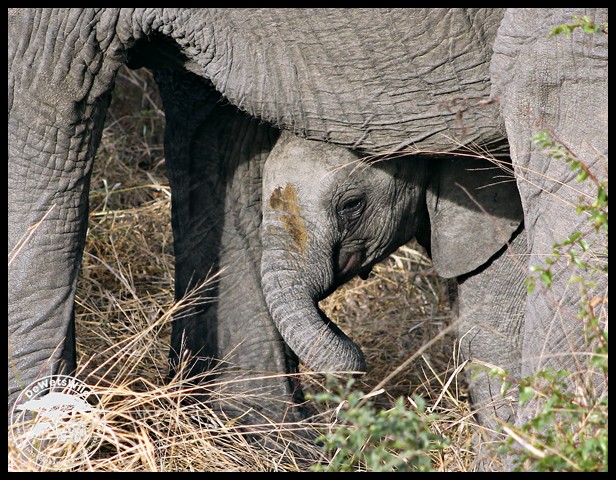
Our next sighting of note was of a breeding herd of elephants accompanied by a very impressive tusker.

Of course we also saw many other kinds of birds and animals on our morning excursion before getting back to Buffelshoek, where three elephant bulls visited the local waterhole just after we finished breakfast.

Our afternoon drive delivered spectacularly again when an off-duty guide sent word of a female cheetah with four cubs, about 7 months old, just a short drive from Buffelshoek. When we arrived at the spot the family lay claim to a termite mound from which they could keep an eye out for both prey and danger. Apparently just the day before we arrived in Manyeleti the mother was hurt in a fight with a leopard and the wounds were still evident on her right front leg, though it didn’t appear to have caused her too much discomfort and she is expected to make a full recovery.

With Buffelshoek being so far from all the other lodges in Manyeleti we had the beautiful cheetah family all to ourselves for a considerable time, and by the time vehicles from other lodges joined the sighting we had taken more than our fair share of photographs. We could therefore move on to another of Manyeleti’s special corners, a tranquil spot next to a stretch of water where we could enjoy our sundowners being watched – and serenaded – by hippos!

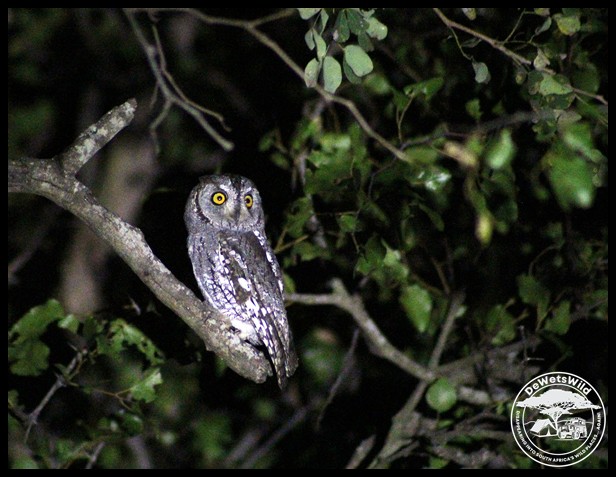
Back at Buffelshoek my new Scops Owl friend was calling from early on. What a way to end another day in wild Africa…

Scops Owl

In the next post we’ll show you everything we encountered on the final morning of our 2025 Manyeleti Magic photo-safari and workshop. The 2026 dates are yet to be confirmed, but do get in touch with us to keep a spot for you!


Snaps on Tour: More than a thought for the scavengers

I’ve dedicated this post to the scavenger animals and birds we encountered while touring the Kruger National Park in October. These creatures are often terribly maligned, despite the vital function they perform in healthy ecosystems.

I have a real liking for Spotted Hyenas. They’re nothing like the cowardly scoundrels popular media would have you believe. They’re intelligent and fascinating creatures and spending a little bit of time with them, observing their behaviour and interactions, will quickly convince you of that. I was very happy that we had so many close encounters with hyenas during or October trip to Kruger.

Our vultures are in crisis. Due to poisoning and habitat loss all the species occurring in the country are now at dire risk of extinction, and it is vital that wilderness’ like the Kruger National Park remain safe havens for these birds fulfilling such a critical task in the ecosystem. We had many sightings of vultures on the wing, pairs at nests and others sitting exposed on the open branches of tall trees, and twice had the pleasure of watching them peck at and squabble over the carcasses of large animals (a buffalo and an elephant respectively).

Some birds and animals are opportunistic more than they’re scavengers. This Yellow-billed Kite is making the most of a windfall spurfowl that was the victim of a hit-and-run on the main road between Satara and Letaba.

Finishing off this post with a few images of another mammal that catches far more of its own food than it scavenges. Black-backed Jackals are the most numerous canid in the Kruger National Park and any visit to the Park will usually yield a few sightings of them. Finding a den however is a rare occurrence, so having the good luck of timing our visit to Satara with the local jackal pair in the family way was wonderful (even if the adorable family caused a traffic jam at the entrance gate to the camp every evening that they played outside just before dark)!

I am a fully accredited and legally registered tour guide (with all the necessary insurance, professional drivers license and first aid certification) – don’t hesitate to reach out if you’d like me to arrange a guided tour of beautiful South Africa and all her natural wonders, like the Kruger National Park, for you as well, or even just to assist with your holiday reservations for our national parks and nature reserves throughout the country.

Manyeleti Magic 2024: Hunting with Painted Wolves

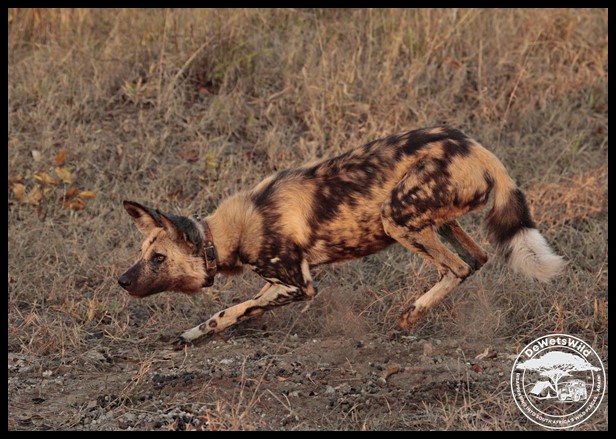
One of the absolute highlights (yes, another one!) of our 2024 Manyeleti Magic photographic safari and workshop was the time we got to spend with three hunting African Wild Dogs – or, to translate their Latin scientific name, Painted Wolves – and a bunch of opportunistic Spotted Hyenas who had much trouble keeping up. We followed along for many, many kilometers and were astounded not only by the dogs’ fascinating behaviour but also by how well our guide Beckson knew the Manyeleti’s roads and tracks and how expertly he anticipated the dogs’ movements, time and again putting us (Hannes Rossouw and myself) and our guests in perfect position to photograph the frenetic action!

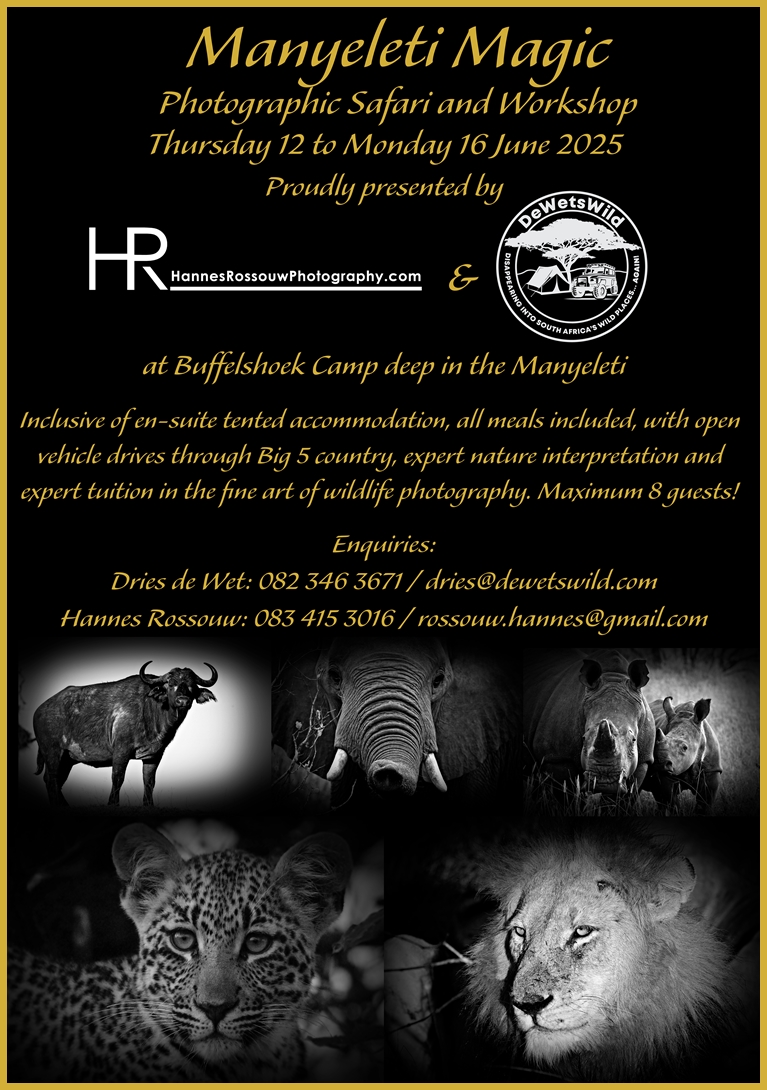
We’re already taking bookings for our 2025 Manyeleti Magic Photographic Safari and Workshop, to be conducted out of Buffelshoek Camp again in June of next year in conjunction with Hannes Rossouw Photography. Contact us if you’d like to join this one, or if you and a group of family and friends are keen to do something similar on other dates we’d be very glad to accommodate you!

Spending time with Skukuza’s Hyenas

Even if Spotted Hyenas were not the most numerous large predator around Skukuza Rest Camp in the Kruger National Park – and I think they are – they’re definitely the most frequently encountered, a fact borne out yet again by the many rendezvous we had with these fascinating creatures during our visit to the Skukuza-area earlier in January.

Spotted Hyena near Leeupan, north-east of Skukuza Rest Camp

On a night drive from camp, following the course of the Sabie River, we crossed paths with several clans all searching for food.

We paid frequent visits to a Hyena den just a few kilometres south of the camp, where the many curious cubs kept us well entertained. These encounters were definitely in the “cute and cuddly” category.

We were awed by their tenacity when we spent time with this group of four Hyenas who were following the hunting wild dogs we shared with you a few days ago. While they couldn’t keep up with the pace of the painted wolves they were not put off, hoping that if they stayed on the spoor of the dogs they would catch up with them and could steal their meal. As it turned out the kill was quickly consumed by the wild dogs and the hyenas were left without a morsel by the time they arrived, but I am sure this will not prevent them trying again!

Definitely the scariest run-in with a Spotted Hyena during this latest trip was with an individual who popped into the Tshokwane Picnic Spot while we were having breakfast. Luckily he didn’t stay long and moved off again without using those powerful jaws on any of the humans.

We’d love for you to join DeWetsWild on a guided tour of the Kruger National Park or to help you arrange a self-guided visit. Don’t hesitate to reach out!

Satara Summer 2021 – Fascinated with Spotted Hyenas

Spotted Hyenas are probably the most numerous large predator in the Kruger National Park, with a population estimated at around 7,000. While many people still hold on to incorrect beliefs that the Spotted Hyena is a cowardly scavenger, amongst other insults, we know better and are always excited when we get a chance to spend time with these fascinating carnivores.

For the entire duration of our December 2021 visit to the Satara area of the Kruger National Park a large pack of Hyenas maintained a den site about 3km to the north of the camp, along the H1-4 road. We regularly encountered these Hyenas, of all sexes and ages, while setting out or returning to camp and seldom left them without more photographs to add to the album.

This little family was a different story however. Along the Ngotso stream one very hot day early into our visit we came across a Spotted Hyena female with the two most lovable cubs imaginable. Though we looked for them in the same vicinity on several occasions later on we weren’t lucky to see them again.

Just south of Tshokwane, where the main road to Lower Sabie turns off, as we were heading home on the 2nd of January, we noticed a big female Hyena standing next to a culvert. In Kruger Spotted Hyenas make good use of these man-made tunnels as dens. Sure enough, as we brought our vehicle to a halt first one, then a second and then a third little head popped out from underneath the road to inspect the strange creature humming on top of their home.

So often when we encounter Spotted Hyenas they are on the move with a single-minded sense of purpose. This very big individual came running from the front at great speed along the road to Tshokwane one morning, only to disappear into the bush before we could even turn the car around.

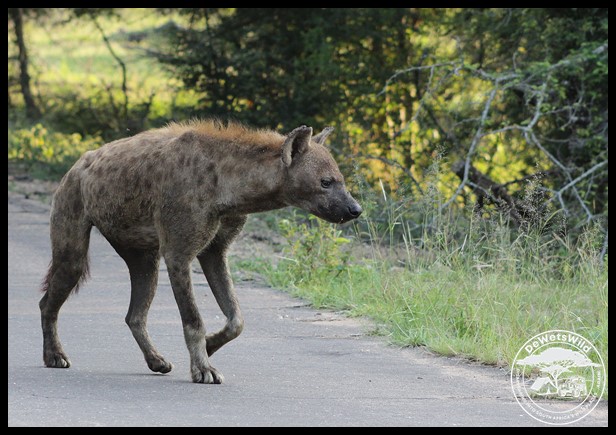
While they’re not always doing it on the trot, it happens very often that we find a Hyena, like this one near Balule, striding along the road to pass us as if it didn’t even notice us.

Spotted Hyenas are great opportunists. We found this one hanging around a herd of impalas that included lots of newborn lambs along the S126 Sweni Road.

At the Vutomi Dam, west of Tshokwane, we saw two Spotted Hyenas enjoying a refreshing dip in a muddy pool on a hot day before they headed off into the veld.

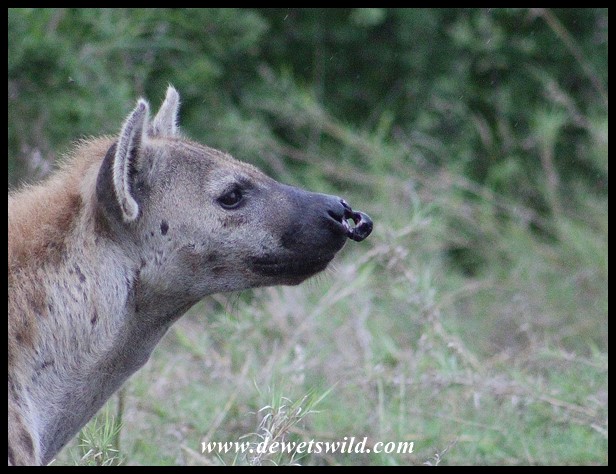
One morning, near the turnoff to Olifants Rest Camp, we found a very nervous Spotted Hyena with the tip of its nose hanging by a thread.
Soon after we found four more Hyenas, which were very excited, patrolling up and down the road as if they were looking for something. Perhaps they were looking for the Hyena with the hurt nose. They ran along the road and then stopped at some invisible scent marks, growling and grunting loudly and scent marking in the same spot before running off to the next one. This was fascinating behaviour we have never observed before, and whoever they were looking for would have done well to stay out of this posse’s way!

When we passed the same way several hours later the matriarch of the group was still patrolling up and down the same stretch of road. How is that for dogged perseverance!?


Satara Summer 2021 – African Wild Dogs

We were still very fresh into our latest visit to the Satara area of the Kruger National Park when, on the 14th December, we came across a pack of seven African Wild Dogs, or Painted Wolves, near the Nsemani Dam on the H7 road leading to Orpen. To find such rare animals so early into our Kruger visit really was a good omen of things to come, and we were very excited even with the dogs resting so sedately in the heat of the late afternoon.

In the early morning of the 30th December we had just finished breakfast at the Muzandzeni Picnic Spot when the attendant alerted us to a pack of Wild Dogs rapidly approaching. We were just in time to see 10 of them run past the picnic spot and into the marshy area covered by long grass next to it. They paused a while on a little rise and then continued running, clearly seriously on the hunt. We decided to try and find them again on one of the roads leading from Muzandzeni.

As we left Muzandzeni we found three Spotted Hyenas following behind the Wild Dogs, no doubt hoping to score an easy meal.

First we tried turning south on the S36, but quickly realised that it leads away from the direction we last saw the dogs heading into, so we turned around. The S126 Sweni River Road might be the better option. Just as we started thinking following the S126 might be a lost cause too, we saw a hyena loping along. And then, just around the next corner, two dogs in the road – we found them again! Pretty soon all ten dogs were running in the road ahead of us, with the hyenas following some distance behind and just visible in the rear view mirrors every now and then. We followed the dogs for almost 10 kilometers, over the course of an hour-and-a-half, while they hunted. Every now and then they’d pause, take a scent trail leading into the long grass to disappear from view, only to return to the road a minute or two later. The dogs, with us in tow, decided against taking on a big warthog boar and then actually passed an impala ram standing in the long grass, not any the wiser how close he was to death. Just short of the Welverdiend waterhole however the dogs must have picked up a very promising lead as they left the road a final time, ears pulled back and bodies kept low to the ground. We waited around for several minutes, then searched up and down the road for a few kilometers either side of where we last saw them, but they didn’t re-appear. This probably means that they were successful at their kill.

Our plan for the morning of 31st December was a slow drive to a picnic breakfast at N’wanetsi. Our meal plans were slightly delayed however when we found another pack of Wild Dogs – nine animals – not 200m from the picnic spot! The dogs had a fresh kill and most were still feeding deep in a bush and not very clear to the eye. We stayed a few minutes and then moved to the picnic spot for a much needed comfort break and a quick bite to eat. When we returned to the dogs the whole pack had moved into the open and treated us to wonderful views.

The African Wild Dog is endangered, not only in South Africa but across the whole continent, where its range has been drastically diminished. South Africa is home to approximately 500 of these beautiful animals, about half of which live in Kruger National Park and adjacent reserves. For us to have seen three different packs during our 3 week visit to the Park was extremely lucky! The Endangered Wildlife Trust is again calling on citizen scientists to submit photos of Wild Dogs (and Cheetahs) taken during visits to the Kruger Park to their 7th Wild Dog Census, and Joubert and I will definitely be making our contributions.

Summertide Diary: Hyenas versus Elephant

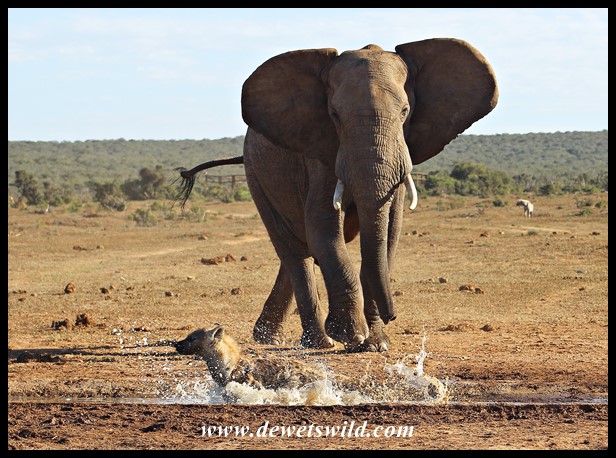
Yesterday we promised you more photos of the fascinating interaction between the Spotted Hyenas and Elephant at Hapoor Dam in Addo Elephant National Park, and here they are.

When we arrived on the scene, the hyenas were quite far from the road and only barely visible without binoculars (or a 300mm camera lens). We could see they were eating, but couldn’t figure out what. Then one adult hyena picked up a sizable chunk of meat and started walking towards us, followed closely by a sub-adult with a piece of leg in its mouth. As they came closer we could identify the prey item as a buffalo calf, or what was left of it anyway. Whether it was caught by the hyenas themselves or killed by lions and then stolen we’ll never know. In any event, the hyenas promptly deposited their meat in a drinking trough on the opposite side of the road to where the actual Hapoor Dam is. Caching food in this fashion is quite well-known hyena behaviour.

The hyenas were still tussling in the water, apparently not knowing whether they want to save their meal for later or gobble it all up now, when a big elephant bull appeared out of the spekboom-thicket some distance away. And he was obviously on a mission. In no time the elephant closed the distance to the hyenas, and while the courage of the younger of the two predators gave in much quicker than that of his older pack mate both had to vacate their bath-cum-larder before the agitated bull got too close. For his part the elephant then gave the fouled water one indignant sniff before moving across the road to drink from Hapoor Dam proper.

With the elephant gone, the hyenas quickly moved back to their pantry, retrieved their meat and continued their meal. The day was heating up though and the Pied Crows were starting to get really annoying, and so they put their meat away a final time to be enjoyed later.

The bloody fight that never was

At the end of our Satara Summer, on the way to the Kruger National Park’s Orpen Gate from where we were to head back home to Pretoria, we were lucky to see a lone Cheetah resting in the shade of a small thorn tree. Having stopped for a last photo or two, it was Marilize who noticed a Spotted Hyena heading straight towards the Cheetah. Knowing just how hateful the relationship between Africa’s large predators are, we were sure we were probably going to witness a tremendous fight when the two meat-eaters meet, especially when the Cheetah noticed the Hyena, snarled at it viciously, and got up to defend its turf. But turns out this Hyena was not a fighter; he walked straight past the Cheetah as if it wasn’t even there, and not paying the cheetah’s tantrum any attention whatsoever. It was rather amusing seeing the Cheetah standing by himself, looking decidedly confused, as the Hyena disappeared from view…

Hyena family on the move

One of the most compelling reasons when visiting the Kruger National Park (or any wildlife area really) to get up early and be one of the first vehicles through the gate in the early morning is that you exponentially improve your chances of having truly amazing wildlife encounters. We did just that while staying at Crocodile Bridge in September, and were rewarded with this incredible sighting of a clan of Spotted Hyenas on the move and reveling in the puddles of water on the road following a spring shower the night before.