Tag Archives: Satara Rest Camp

Pattern

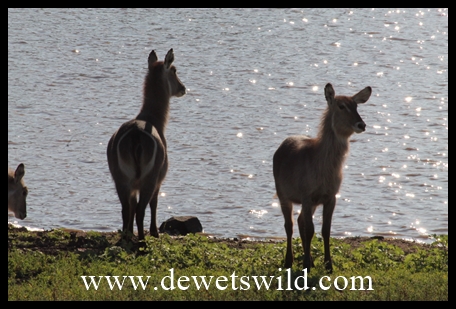
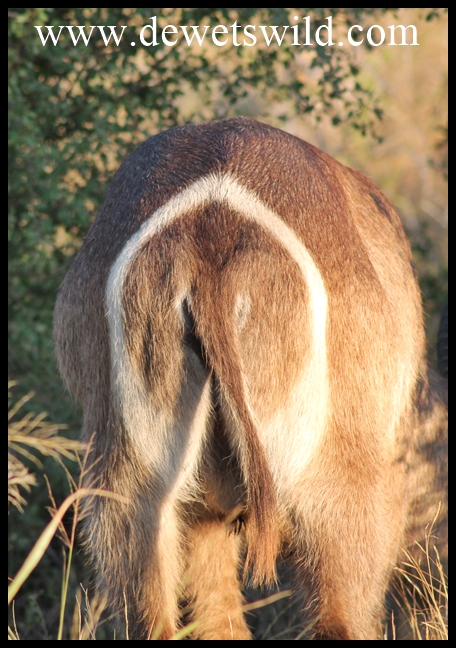
The pattern on the posterior of the Common Waterbuck gives the impression that the animal had an unfortunate encounter with a freshly-painted toilet seat. As their name suggests these large, gregarious antelope are never found far from a permanent water source.

Pattern_Waterbuck_1

Pattern_Waterbuck_2

Pattern_Waterbuck_3

“Pattern” is the theme for this week’s WordPress Photo Challenge

Colour

The Bateleur is a medium-sized, and very colourful, eagle. This one was photographed south of Satara, in the Kruger National Park.

WordPress’ theme for this week’s photo challenge is colour – have a look at all the entries here.

Lunchtime!

We encountered this black-backed jackal hunting for moles near Satara, in the Kruger National Park.

Jackal hunt 1

Jackal hunt 2

Jackal hunt 3

Jackal hunt 4

Jackal hunt 5

Love

Blue wildebeest whispering sweet nothings?

(Picture taken near Satara in the Kruger National Park)

Have a look at other bloggers’ interpretation of this week’s theme “Love”.

Illumination

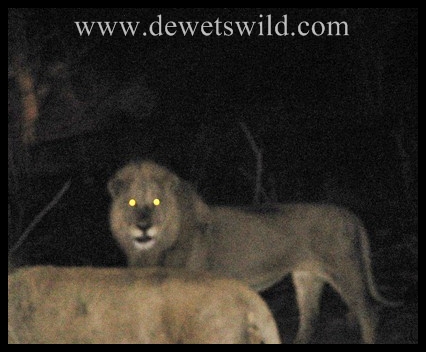
Lion caught in the spotlight, at Satara in the Kruger National Park

Illumination

Have a look at other blogger’s interpretation of this week’s photo challenge theme from The Daily Post, “Illumination”.

Flying

The red-billed quelea is considered to be the world’s most numerous bird-species. These seed-eaters occur in huge flocks, sometimes numbering in the millions, and move around seasonally in search of food. These pictures were taken in April of this year, near Satara in the Kruger National Park in South Africa.

(you can click on the images for a clearer view)

We’re participating in the online adventure travel magazine LetsBeWild.com‘s Wild Weekly Photo Challenge for bloggers. This week’s challenge is “Flying“.

Kruger National Park, September 2012

Spring has arrived in paradise!

We’ve just returned from another visit to our favourite place on earth – yes, the Kruger National Park (no prizes for correct guesses!).  We spent six days travelling the entire length of the reserve, from Pafuri in the north to Crocodile Bridge in the south.

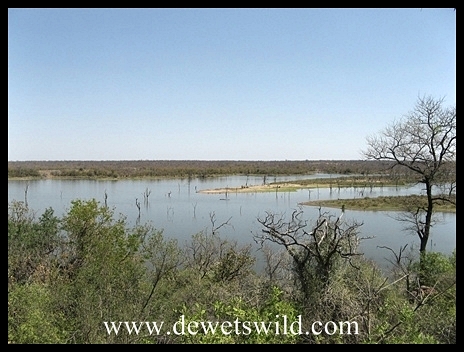
The spring season arrives in South Africa in September, and it’s an excellent time to be out game-viewing in our country’s biggest game reserve.  Here’s a collection of some of the thrilling sightings we enjoyed on this trip.

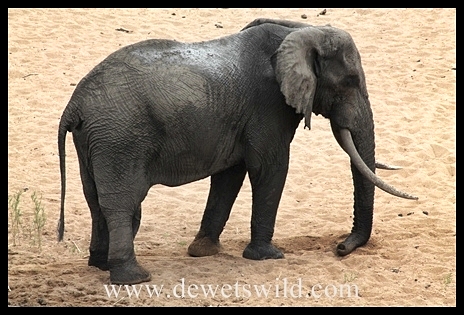
The Northern Kruger National Park is elephant country, and we encountered numerous bulls, including some large tuskers.
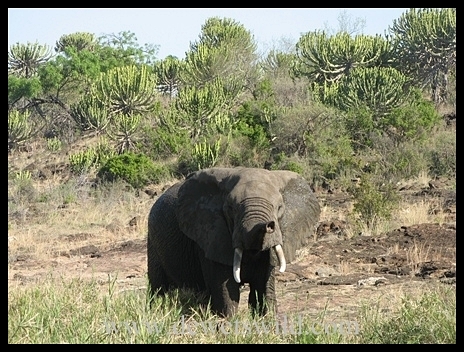
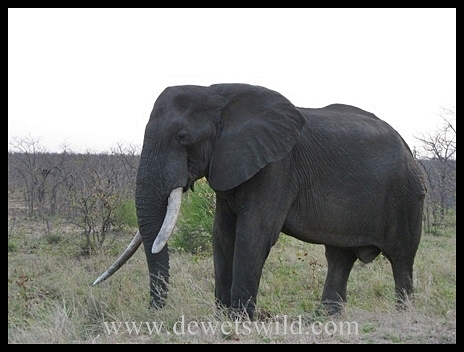
All the elephant herds we came across had small babies.
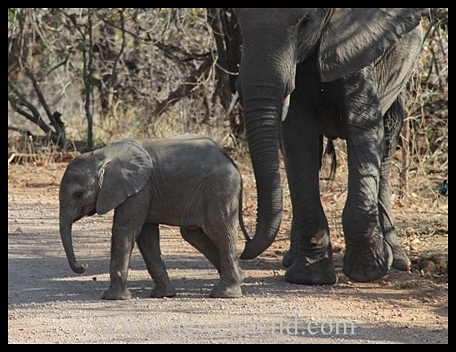
This one realised a bit late that mom had moved on, and ran as fast as his legs would carry him to catch up.

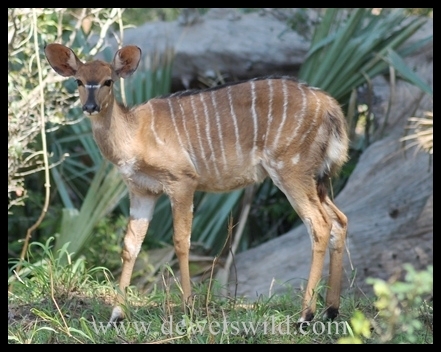
With spring’s fresh green growth, many young animals have already made an appearance.

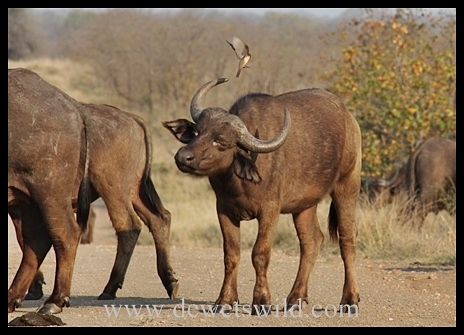
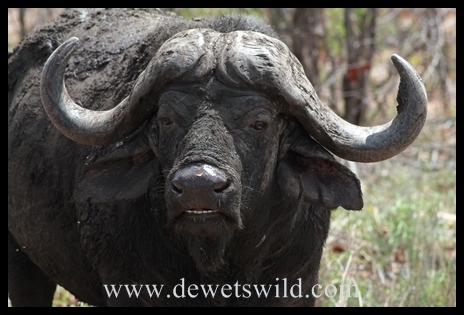
Buffalo are numerous and occur throughout Kruger, sometimes as loners and other times in huge herds several hundred strong.
These two cheetahs were devouring an impala they had caught in the dry bed of the Shingwedzi river, only about three kilometers from Shingwedzi Rest Camp.

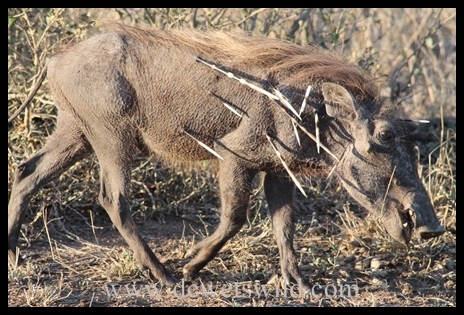
Near Satara, this warthog obviously had an altercation with a porcupine – we suspect it may have rushed into an already occupied bolthole a little too quickly!
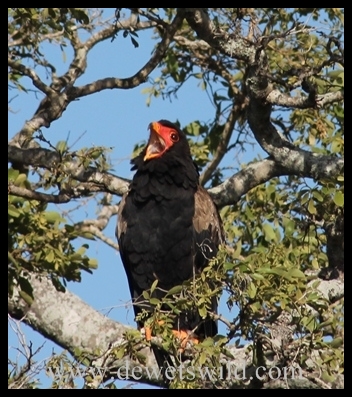
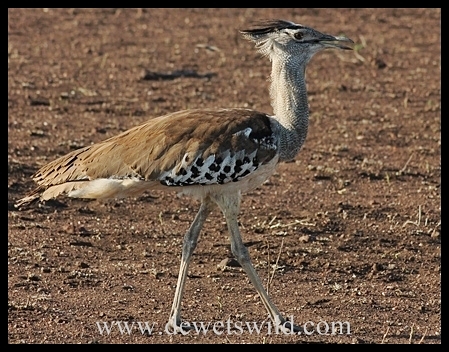
Some of the rarer bird species also made special appearances.
This chameleon was trying to blend in with the surface of the road it was crossing

Of course, to many Kruger visitors the lions are the star attraction. We’d be lying of we said we didn’t share their enthusiasm for these magnificent animals and we were lucky to cross paths with a number of them on our latest excursion. A pride roaring right next to Shingwedzi Rest Camp’s perimeter fence in the darkness of early morning, their deep booming voices rattling the window panes of our bungalow, was a memorable experience.

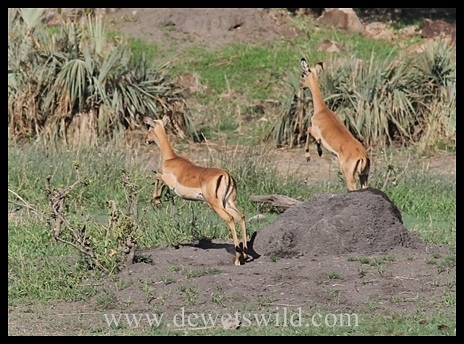
Some of the antelope were getting well into the “springy” swing of things

while others were indulging in more sedentary pastimes.

With World Rhino Day and the plight of our treasured rhinos in the relentless poaching firing line fresh in our minds, sightings such as this one of an impressive white rhino bull was all the more special.

For all our travels in South Africa’s wild places we’ve only rarely encountered side-striped jackals, and this is one of the best images we’ve managed to capture of these elusive animals.

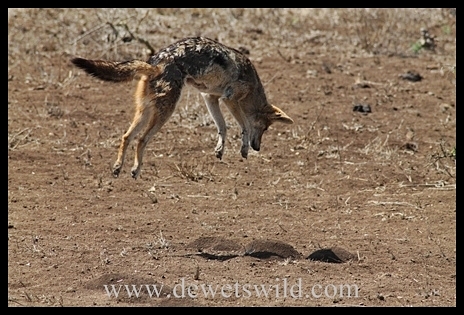
The absolute highlight of our trip was watching this acrobatic black-backed jackal (the side-striped’s much more common cousin) stalking and pouncing moles just north of Satara Rest Camp.
Any time we spend in Kruger National Park is always too little, and leaving through Crocodile Bridge Gate on our way to Pretoria, our heavy hearts could only be consoled by the knowledge that we’d be back soon…
Kruger Park Day Visit: 11 June 2012

“Nants ingonyama bagithi Baba…”

With the soundtrack to Disney’s animated movie “The Lion King” spurring us on, we’re heading through the dark to reach the Orpen Gate as soon as it opens. While we’re staying at Forever Resorts Swadini there’s no way we can be this close to the Kruger National Park and not make time for a visit.

Despite the strong wind blowing for much of the day we had a lovely time – as always – with great animal and bird sightings and a very enjoyable picnic in Satara. After a full day in paradise we hung around the vicinity of Orpen as long as we could before the gates closed again and we had to be on our way.

By the way, “Nants ingonyama bagithi Baba” are the opening words of the Zulu chant at the start of the film, from the song “Circle of Life” and it means “Here comes a lion, Father” – a very fitting caption for the central plains of the Kruger National Park, around Satara and Orpen, where numerous lion prides rule over the savannah (though they eluded us this time).


Kruger National Park: 26 April to 1 May 2012

There’s no other way to explain it. Kruger National Park is an addiction.

I blame my parents and I will be forever grateful to them. My first night in the paradise that is the Kruger Park was in September 1983, at just four years old, camping at Pretoriuskop.

As with any decent addiction, the more you get the more you want – visit more often, stay for longer. And I’ve been only too happy to oblige. Every time I enter those gates I feel reborn, every time I leave I get depressed. In fact, if I didn’t already have the next visit planned so that I have something to look forward to there’s a good chance I wouldn’t be able to leave at all.

Worst of all is that we’ve gotten our son addicted too. Little Joubert was only eight weeks old when he had his first taste, also at Pretoriuskop, and in the two years since he has been back to Kruger 6 times (not to mention all the other reserves he’s been visiting with us) and been all over the Park from Pafuri Gate in the north to Malelane in the south. Absolute proof to the saying that the apple doesn’t fall far from the tree, our little two-year old gets excited weeks ahead of our next visit. He recognizes Skukuza, Letaba, Olifants and Satara from pictures and can identify a multitude of animals and birds, even from their calls. He recalls previous sightings at particular locations when we pass there again. Joubert carries his own little digital camera around, clicking away at anything from beautiful landscapes and elephants to insects, leaves and…dung, by which he is absolutely fascinated: every so often we have to stop at some or other poo-pile so that it may be thoroughly appreciated.

Our good friends the du Plessis’ joined us on our most recent visit, at the end of April 2012, to Skukuza and Satara.

We visited as many of our favourite spots as we could fit into the five days – Lake Panic bird hide near Skukuza, N’wanetsi and Timbavati Picnic Sites, Sweni bird hide, the S100 gravel road and the Girivana waterhole near Satara, the viewpoint in Olifants and the Elephant Hall in Letaba. Sadly another favourite, the low level causeway over the Olifants River at Balule was still out of commission following the January floods.

What follows is a selection of our photographs taken between the 26th of April and the 1st of May 2012 celebrating the serenity and beauty that the Kruger Park is so famous for.

Luckily for us our next short visit occurs in June!