March and April knell in the autumn season in our part of the world, and while we still had lots of rain in both months temperatures have also declined noticeably of late with the sun rising ever later and setting ever earlier. Misty mornings are the order of the day now at our local Rietvlei Nature Reserve and the colours in the leaves are matched by a large number of autumn butterflies. I’ve had the pleasure of guiding several groups on drives through the reserve the past two months, and in conjunction with Hannes Rossouw Photography we also hosted learners from Joubert’s high school’s photography club on a wildlife and nature photography workshop.

Rietvlei sunrise

Rietvlei scenery

Eyed Pansy

Dotted Blues

Broad-bordered Grass Yellows

Broad-bordered Grass Yellows

Net-winged Beetles

Sooty Blue

Citrus Swallowtail

Giant Bullfrog juvenile

Heavily gravid female Common Green Mantis

Rain storm passing over Rietvlei

Sunset at Rietvlei

Rietvlei sunset

Rietvlei sunset
As mentioned, we’re experiencing many misty mornings at this time of the year and, while it makes early morning game-viewing tricky the multitude of wet spiderwebs illuminated by the first rays of sunlight are a sight to behold!

Waterbuck in the mist

Eland in the mist

Spiderwebs on a misty morning

Spiderweb (photo by Joubert)

Spiderweb

Spiderweb (photo by Joubert)

Spiderweb (photo by Joubert)

African Stone-Chat in a misty sunrise
A most remarkable sighting this past month was of a Black-headed Heron that had caught a Brown House Snake!

Black-headed Heron with a snake it caught

Black-headed Heron with a snake it caught

Black-headed Heron with a snake it caught

Black-headed Heron with a snake it caught

Black-headed Heron with a snake it caught

Black-headed Heron with a snake it caught
Rietvlei is still delivering lots of interest for bird lovers, not least of which was a flock of cuckoo finches that spent several weeks in the reserve before moving on.

African Darter

African Fish Eagle

Pair of African Fish Eagles calling

African Paradise Flycatcher

African Snipe

African Stone-chat

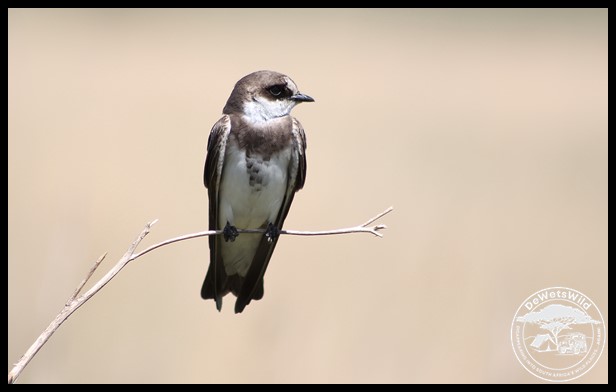
Banded Martin

Black-winged Kite

Black-winged Kite

Burchell’s Coucal

Cape Glossy Starling

Cape Grassbird

Cape Longclaw

Cape Robin-Chat

Cape Wagtail

Cattle Egret

Crowned Lapwing (photo by Joubert)

Cuckoo Finch male

Dark-capped Bulbul

Fiscal Shrike

Green-backed Heron

Jacobin Cuckoo

Levaillant’s Cisticola

Long-tailed Widowbird male in flight

Malachite Kingfisher (photo by Joubert)

Marsh Owl

Northern Black Korhaan female

Orange-breasted Waxbill

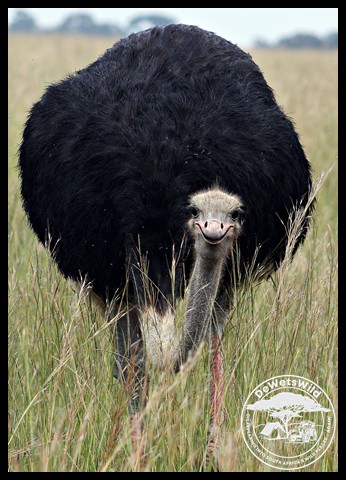
Smiling Ostrich

Pin-tailed Whydah male

Female Pin-tailed Whydah

Reed Cormorants

Southern Masked Weaver

Swainson’s Spurfowl chicks

African Wattled Lapwing

White-breasted Cormorants

Zitting Ciscticola

Ostrich family gathering (photo by Joubert)
Rietvlei’s densely vegetated grasslands is still making it very difficult to see any of the smaller kinds of mammals that call the reserve home, but thankfully the large population and wide variety of larger animals are still playing their part to make our guided drives and walks most memorable.

Black-backed Jackal

Black-backed Jackal

Black Wildebeest

Blesbok

Blesbok

Blesbok running across Otter Bridge (photo by Joubert)

Buffalo bull looking fearsome (photo by Joubert)

Buffalo cow

Buffalo calf (photo by Joubert)

Buffaloes crossing a road in Rietvlei (photo by Joubert)

Buffalo rushing through the long grass (photo by Joubert)

Young eland cows

Eland bull

Eland bull

Spotted-neck Otter

Plains Zebra portrait

Waterbuck

Waterbuck cow
If you’d like to join me on a guided tour of Rietvlei – on a hike or on an open vehicle drive – you can book through melanie@rietvleicoffee.co.za / +27(0)74-820-9926.
List of birds we saw at Rietvlei Nature Reserve during March and April 2025 (109 species):
| Scientific |
Afrikaans |
English |
| Acridotheres tristis |
Indiese Spreeu |
Common Myna |
| Acrocephalus gracilirostris |
Kaapse Rietsanger |
Lesser Swamp Warbler |
| Afrotis afraoides |
Witvlerkkorhaan |
Northern Black Korhaan |
| Alopochen aegyptiaca |
Kolgans |
Egyptian Goose |
| Amandava subflava |
Rooiassie |
Orange-breasted Waxbill |
| Amblyospiza albifrons |
Dikbekwewer |
Thick-billed Weaver |
| Anas sparsa |
Swarteend |
African Black Duck |
| Anas undulata |
Geelbekeend |
Yellow-billed Duck |
| Anhinga rufa |
Slanghalsvoel |
African Darter |
| Anomalospiza imberbis |
Koekoekvink |
Cuckoo-Finch |
| Anthus cinnamomeus |
Gewone Koester |
African Pipit |
| Apus apus |
Europese Windswael |
Common Swift |
| Apus caffer |
Witkruiswindswael |
White-rumped Swift |
| Ardea melanocephala |
Swartkopreier |
Black-headed Heron |
| Asio capensis |
Vlei-uil |
Marsh Owl |
| Batis molitor |
Witliesbosbontrokkie |
Chinspot Batis |
| Bostrychia hagedash |
Hadeda |
Hadeda Ibis |
| Bubulcus ibis |
Veereier |
Western Cattle Egret |
| Burhinus capensis |
Gewone Dikkop |
Spotted Thick-knee |
| Butorides striata |
Groenrugreier |
Green-backed Heron |
| Caprimulgus pectoralis |
Afrikaanse Naguil |
Fiery-necked Nightjar |
| Cecropis cucullata |
Grootstreepswael |
Greater Striped Swallow |
| Centropus burchellii |
Gewone Vleiloerie |
Burchell’s Coucal |
| Ceryle rudis |
Bontvisvanger |
Pied Kingfisher |
| Chalcomitra amethystina |
Swartsuikerbekkie |
Amethyst Sunbird |
| Chrysococcyx caprius |
Diederikkie |
Diederik Cuckoo |
| Cinnyris talatala |
Witpenssuikerbekkie |
White-belled Sunbird |
| Circaetus pectoralis |
Swartborsslangarend |
Black-chested Snake Eagle |
| Circus ranivorus |
Afrikaanse Vleivalk |
African Marsh Harrier |
| Cisticola fulvicapilla |
Neddikkie |
Neddicky |
| Cisticola juncidis |
Landeryklopkloppie |
Zitting Cisticola |
| Cisticola tinniens |
Vleitinktinkie |
Levaillant’s Cisticola |
| Colius striatus |
Gevlekte Muisvoel |
Speckled Mousebird |
| Corvus albus |
Witborskraai |
Pied Cow |
| Corythornis cristatus |
Kuifkopvisvanger |
Malachite Kingfisher |
| Crinifer concolor |
Kwevoel |
Grey Go-Away Bird |
| Crithagra mozambica |
Geeloogkanarie |
Yellow-fronted Canary |
| Dendropicos fuscescens |
Kardinaalspeg |
Cardinal Woodpecker |
| Dessonornis caffer |
Gewone Janfrederik |
Cape Robin-Chat |
| Dicrurus adsimilis |
Mikstertbyvanger |
Fork-tailed Drongo |
| Elanus caeruleus |
Blouvalk |
Black-winged Kite |
| Estrilda astrild |
Rooibeksysie |
Common Waxbill |
| Euplectes albonotatus |
Witvlerkflap |
White-winged Widowbird |
| Euplectes ardens |
Rooikeelflap |
Red-collared Widowbird |
| Euplectes axillaris |
Kortstertflap |
Fan-tailed Whydah |
| Euplectes orix |
Rooivink |
Southern Red Bishop |
| Euplectes progne |
Langstertflap |
Longtailed Widowbird |
| Falco biarmicus |
Edelvalk |
Lanner Falcon |
| Fulica cristata |
Bleshoender |
Red-knobbed Coot |
| Gallinago nigripennis |
Afrikaanse Snip |
African Snipe |
| Gallinula chloropus |
Grootwaterhoender |
Common Moorhen |
| Hirundo albigularis |
Witkeelswael |
White-throated Swallow |
| Hirundo rustica |
Europese Swael |
Barn Swallow |
| Icthyophaga vocifer |
Visarend |
Fish Eagle |
| Jynx ruficollis |
Draaihals |
Red-throated Wryneck |
| Lamprotornis bicolor |
Witgatspreeu |
Pied Starling |
| Lamprotornis nitens |
Kleinglansspreeu |
Cape Glossy Starling |
| Laniarius atrococcineus |
Rooiborslaksman |
Crimson-breasted Shrike |
| Laniarius ferrugineus |
Suidelike Waterfiskaal |
Southern Boubou |
| Lanius collaris |
Fiskaallaksman |
Common Fiscal |
| Lanius minor |
Gryslaksman |
Lesser Grey Shrike |
| Lophoceros nasutus |
Grysneushoringvoel |
African Grey Hornbill |
| Macronyx capensis |
Oranjekeel Kalkoentjie |
Cape Longclaw |
| Merops apiaster |
Europese Byvreter |
European Bee-eater |
| Microcarbo africanus |
Rietduiker |
Reed Cormorant |
| Mirafra africana |
Rooineklewerik |
Rufous-naped Lark |
| Motacilla capensis |
Gewone Kwikkie |
Cape Wagtail |
| Muscicapa striata |
Europese Vlieevanger |
Spotted Flycatcher |
| Neophedina cincta |
Gebande Oewerswael |
Banded Martin |
| Numida meleagris |
Gewone Tarentaal |
Helmeted Guineafowl |
| Oena capensis |
Namakwaduifie |
Namaqua Dove |
| Ortygospiza atricollis |
Gewone Kwartelvinkie |
African Quail Finch |
| Oxylophus jacobinus |
Bontnuwejaarsvoel |
Jacobin Cuckoo |
| Passer diffusus |
Gryskopmossie |
Southern Grey-headed Sparrow |
| Passer melanurus |
Gewone Mossie |
Cape Sparrow |
| Phalacrocorax lucidus |
Witborsduiker |
White-breasted Cormorant |
| Phoeniculus purpureus |
Rooibekkakelaar |
Green Wood-hoopoe |
| Phylloscopus trochilus |
Hofsanger |
Willow Warbler |
| Ploceus capensis |
Kaapse Wewer |
Cape Weaver |
| Ploceus velatus |
Swartkeelgeelvink |
Southern Masked Weaver |
| Prinia flavicans |
Swartbandlangstertjie |
Black-chested Prinia |
| Prinia subflava |
Bruinsylangstertjie |
Tawny-flanked Prinia |
| Pternistis swainsonii |
Bosveldfisant |
Swainson’s Spurfowl |
| Pycnonotus tricolor |
Swartoogtiptol |
Dark-capped Bulbul |
| Quelea quelea |
Rooibekkwelea |
Red-billed Quelea |
| Saxicola torquatus |
Gewone Bontrokkie |
African Stonechat |
| Scleroptila gutturalis |
Kalaharipatrys |
Orange River Francolin |
| Scopus umbretta |
Hamerkop |
Hamerkop |
| Sigelus silens |
Fiskaalvlieevanger |
Fiscal Flycatcher |
| Sphenoeacus afer |
Grasvoel |
Cape Grassbird |
| Spilopelia senegalensis |
Rooiborsduifie |
Laughing Dove |
| Streptopelia capicola |
Gewone Tortelduif |
Cape Turtle Dove |
| Streptopelia semitorquata |
Grootringduif |
Red-eyed Dove |
| Struthio camelus |
Volstruis |
Common Ostrich |
| Tachybaptus ruficollis |
Kleindobbertjie |
Little Grebe |
| Tadorna cana |
Kopereend |
South African Shelduck |
| Tchagra senegalus |
Swartkroontjagra |
Black-crowned Tchagra |
| Telophorus zeylonus |
Bokmakierie |
Bokmakierie |
| Terpsiphone viridis |
Paradysvlieevanger |
African Paradise Flycatcher |
| Threskiornis aethiopicus |
Skoorsteenveer |
African Sacred Ibis |
| Trachyphonus vaillantii |
Kuifkophoutkapper |
Crested Barbet |
| Turdoides jardineii |
Pylvlekkatlagter |
Arrow-marked Babbler |
| Turdus smithi |
Geelbeklyster |
Karoo Thrush |
| Urocolius indicus |
Rooiwangmuisvoel |
Red-faced Mousebird |
| Vanellus armatus |
Bontkiewiet |
Blacksmith Lapwing |
| Vanellus coronatus |
Kroonkiewiet |
Crowned Lapwing |
| Vanellus senegallus |
Lelkiewiet |
Wattled Lapwing |
| Vidua macroura |
Koningrooibekkie |
Pin-tailed Whydah |
| Zosterops virens |
Kaapse Glasogie |
Cape White-eye |
List of mammals we saw at Rietvlei Nature Reserve during March and April 2025 (14 species):
| Scientific |
Afrikaans |
English |
| Alcelaphus buselaphus |
Rooihartbees |
Red Hartebeest |
| Antidorcas marsupialis |
Springbok |
Springbuck |
| Canis mesomelas |
Rooijakkals |
Black-backed Jackal |
| Ceratotherium simum |
Witrenoster |
White Rhinoceros |
| Connochaetes gnou |
Swartwildebees |
Black Wildebeest |
| Cynictis penicillata |
Witkwasmuishond |
Yellow Mongoose |
| Damaliscus pygargus |
Blesbok |
Blesbuck |
| Equus quagga |
Bontsebra |
Plains Zebra |
| Hippopotamus amphibius |
Seekoei |
Hippopotamus |
| Hydrictis maculicollis |
Kleinotter |
Spotted-necked Otter |
| Kobus ellipsyprymnus |
Waterbok |
Waterbuck |
| Sylvicapra grimmia |
Grysduiker |
Common Duiker |
| Syncerus caffer |
Buffel |
Cape Buffalo |
| Taurotragus oryx |
Eland |
Eland |










 DeWetsWild