Tag Archives: nature

Addo Elephant National Park

Yesteryear’s “hunter’s hell” is today’s wildlife paradise.
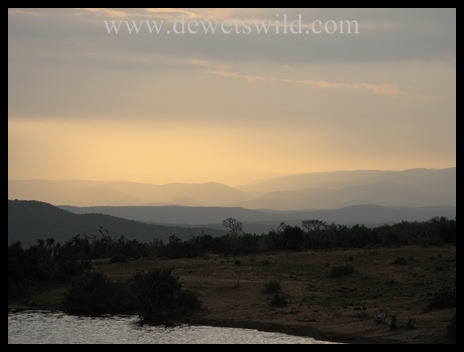
In the early 1900’s, a major P.J. Pretorius was contracted to rid the Addo region of its elephant population, then numbering around 150 animals, as the area was developing into one of the country’s most productive agricultural regions. It is he who described the Addo-bush as a “hunter’s hell” due to the impenetrable thickness of the spekboom vegetation. Pretorius was nevertheless extremely successful in his undertaking, and by the time the Addo Elephant National Park was proclaimed in 1931 on a small piece of land considered unsuitable for irrigation, and in the face of rising public support for the elephants, only eleven animals remained.
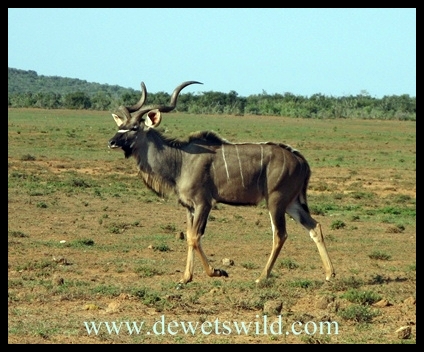
Over the years more land has been added to the Park and, from the original 40km² at proclamation, the Addo Elephant National Park today covers an area in excess of 1650 km² (and there are plans to increase this even more). As the Park grew, so did the elephant population – more than 450 now roam the reserve.
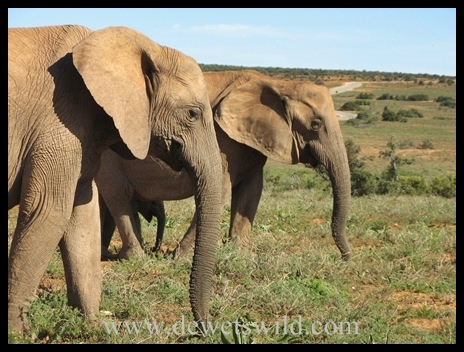
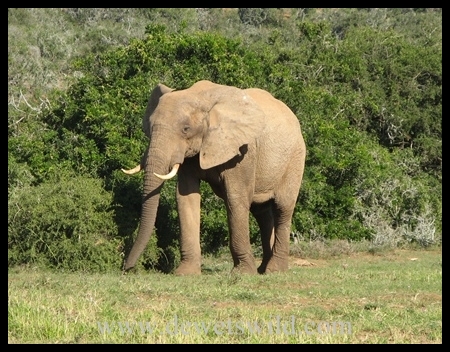
Those first Addo elephants were wild and dangerous, understandably so due to the persecution they endured, but the animals you’d find in the park these days are much more tolerant of the human presence and there are few, if any, places in Africa where you’ll be able to get so close to wild elephants going about their everyday business (though you’d still be well advised to keep a safe distance from those big bulls and cows with calves).
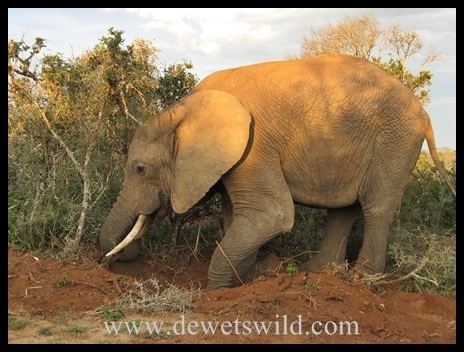
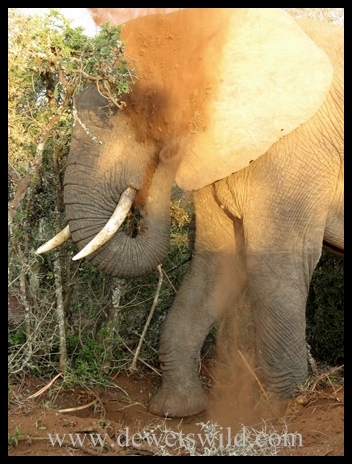
Now that the future of the Addo Elephant has been secured, the park’s priorities have shifted towards biodiversity protection, and it certainly ranks as one of South Africa’s most diverse protected areas in terms of habitat and species. Today the Park accommodates all the species of big game that occurred here historically, including Africa’s famed “Big 5”.
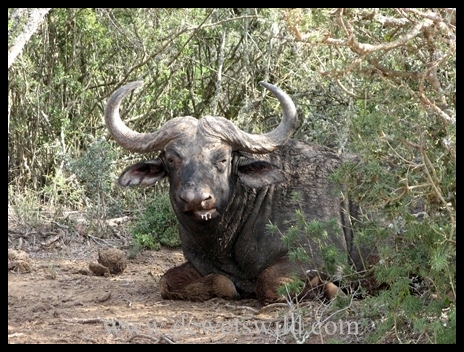
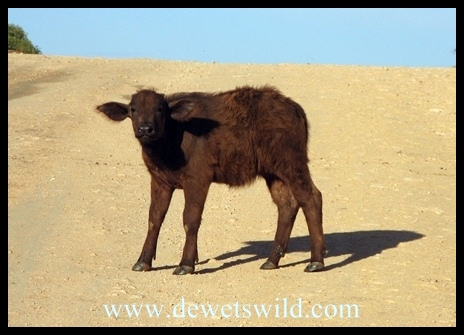
Located close to Port Elizabeth, one of South Africa’s largest cities, Addo is easily accessible and very popular. Accommodation is provided in a number of camps operated by the South African National Parks as well as a host of more upmarket, privately run, concession lodges.
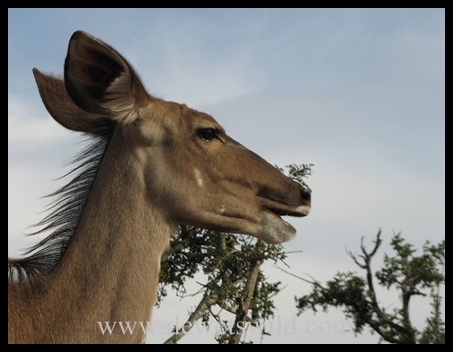
The Addo Elephant National Park is a South African conservation success story – if you ever have the opportunity, go see for yourself just how beautiful a “hunter’s hell” can be!
Happy

Seeing our son Joubert grow up to appreciate and enjoy our natural heritage – that makes us very happy!

Kruger National Park, September 2012

Spring has arrived in paradise!

We’ve just returned from another visit to our favourite place on earth – yes, the Kruger National Park (no prizes for correct guesses!).  We spent six days travelling the entire length of the reserve, from Pafuri in the north to Crocodile Bridge in the south.

The spring season arrives in South Africa in September, and it’s an excellent time to be out game-viewing in our country’s biggest game reserve.  Here’s a collection of some of the thrilling sightings we enjoyed on this trip.

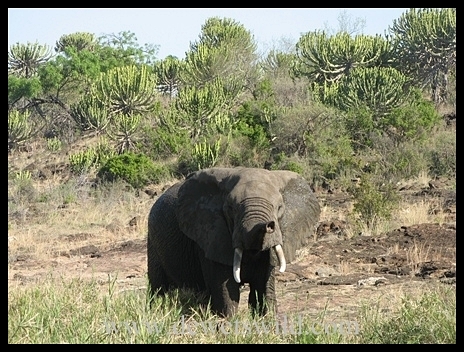
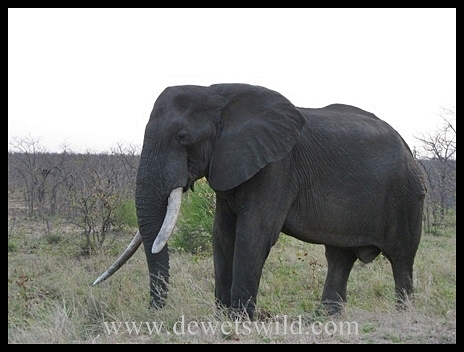
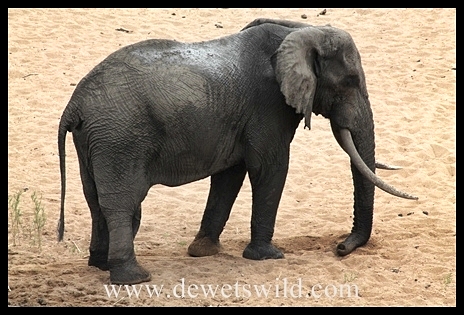
The Northern Kruger National Park is elephant country, and we encountered numerous bulls, including some large tuskers.

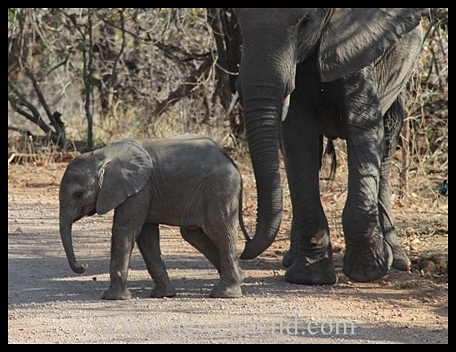
All the elephant herds we came across had small babies.

This one realised a bit late that mom had moved on, and ran as fast as his legs would carry him to catch up.

With spring’s fresh green growth, many young animals have already made an appearance.

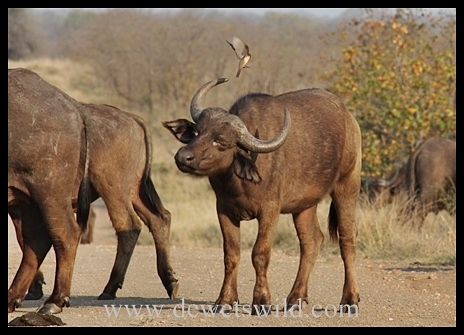
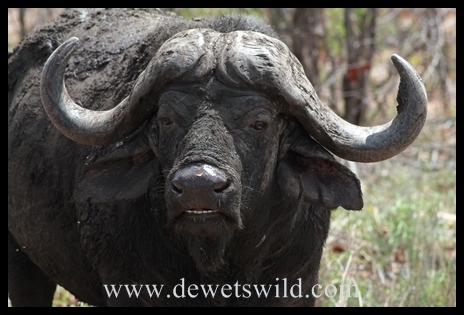
Buffalo are numerous and occur throughout Kruger, sometimes as loners and other times in huge herds several hundred strong.

These two cheetahs were devouring an impala they had caught in the dry bed of the Shingwedzi river, only about three kilometers from Shingwedzi Rest Camp.

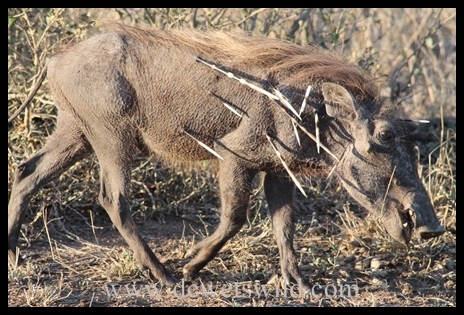
Near Satara, this warthog obviously had an altercation with a porcupine – we suspect it may have rushed into an already occupied bolthole a little too quickly!
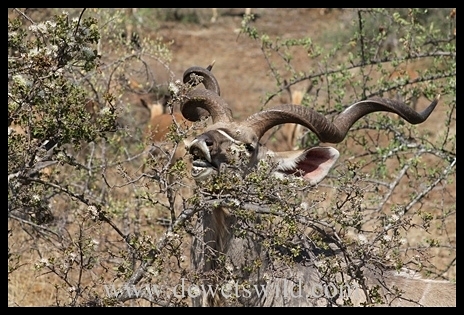
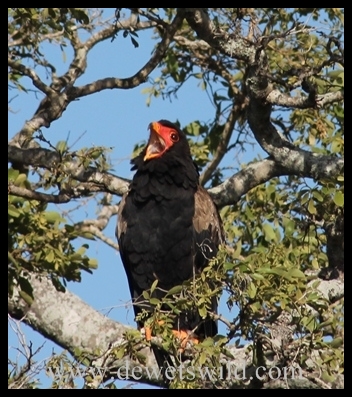
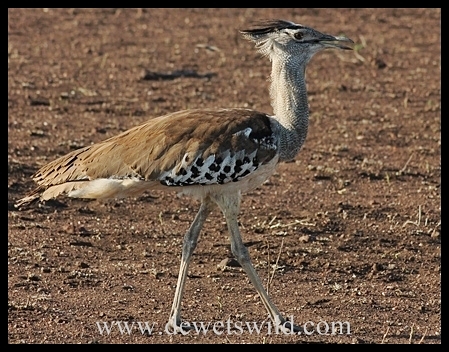
Some of the rarer bird species also made special appearances.

This chameleon was trying to blend in with the surface of the road it was crossing

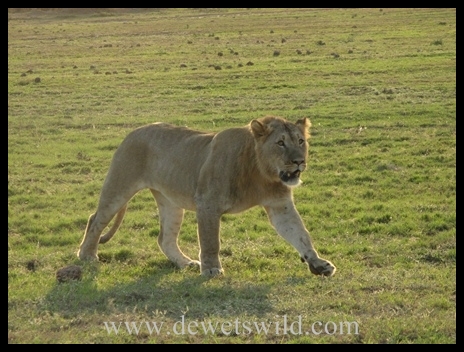
Of course, to many Kruger visitors the lions are the star attraction. We’d be lying of we said we didn’t share their enthusiasm for these magnificent animals and we were lucky to cross paths with a number of them on our latest excursion. A pride roaring right next to Shingwedzi Rest Camp’s perimeter fence in the darkness of early morning, their deep booming voices rattling the window panes of our bungalow, was a memorable experience.

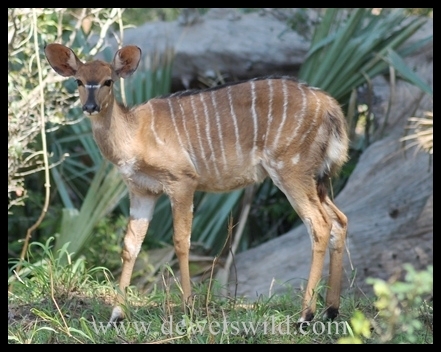
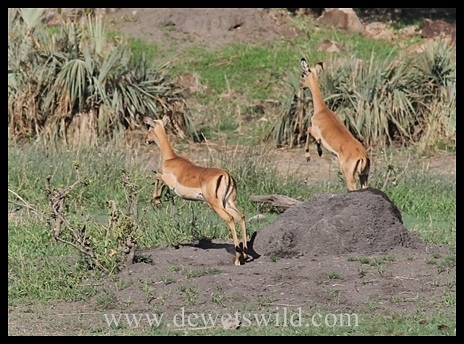
Some of the antelope were getting well into the “springy” swing of things

while others were indulging in more sedentary pastimes.

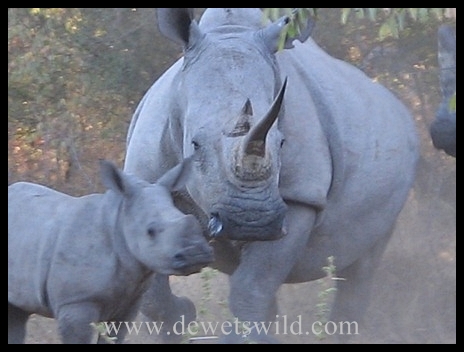
With World Rhino Day and the plight of our treasured rhinos in the relentless poaching firing line fresh in our minds, sightings such as this one of an impressive white rhino bull was all the more special.

For all our travels in South Africa’s wild places we’ve only rarely encountered side-striped jackals, and this is one of the best images we’ve managed to capture of these elusive animals.

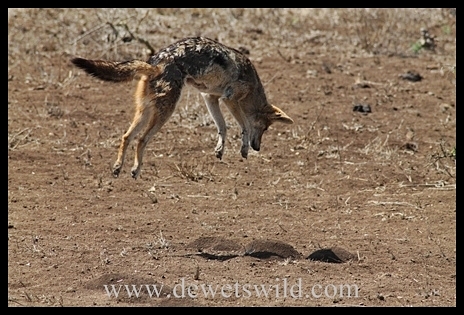
The absolute highlight of our trip was watching this acrobatic black-backed jackal (the side-striped’s much more common cousin) stalking and pouncing moles just north of Satara Rest Camp.

Any time we spend in Kruger National Park is always too little, and leaving through Crocodile Bridge Gate on our way to Pretoria, our heavy hearts could only be consoled by the knowledge that we’d be back soon…

Mine

This elephant bull, photographed near Letaba in the Kruger National Park, was clearly not in any mood to share “his” road!

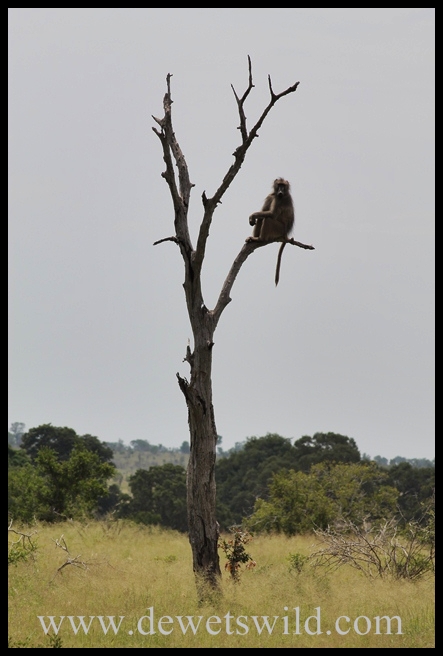
Solitary

This solitary baboon, in the Kruger National Park, was clearly ill at ease with his predicament (baboons being gregarious creatures by nature, normally occurring in large troops), choosing to survey his surroundings from a lofty perch.

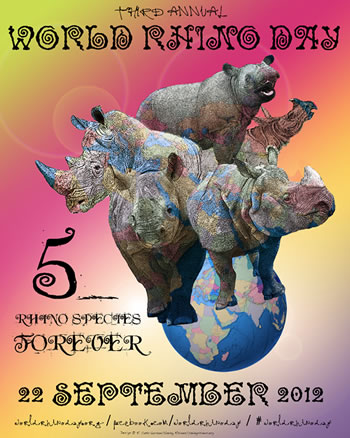
World Rhino Day 2012

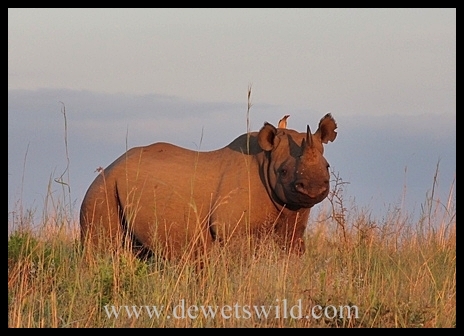
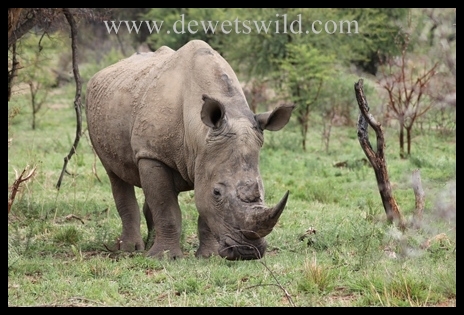
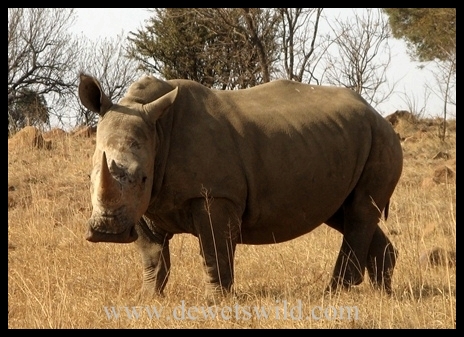
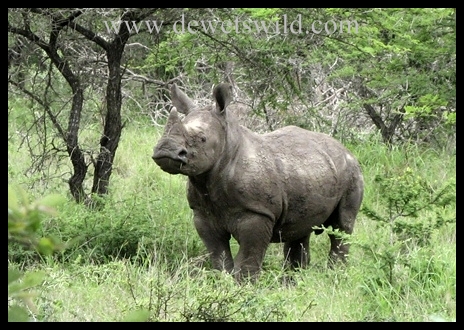
South Africa is home to both species of African rhinoceros: the extremely aggressive black rhino and the much more placid white rhino. Encountering either species during our visits to our country’s wild places is always a thrilling experience and losing these beautiful beasts forever, due to human greed and superstition, is a thought too terrible to ponder.

As I post these images I cannot help but wonder whether the individual animals they depict are still alive and well?

The 22nd of September 2012 is internationally celebrated as World Rhino Day. The message that rhinoceros horn holds no curative or aphrodisiac properties needs to be spread loud and clear so that the market for rhino horn can be wiped out, and it cannot happen soon enough. There are many people from all over the world and from all walks of life working tirelessly, and even putting their own lives in the firing line, to protect these magnificent creatures from savage poachers, but the onslaught from the organised crime syndicates continue unabated – so far this year we’ve lost at least 381 rhinoceros through poaching in South Africa alone (according to the official figures published in September 2012).

Please lend your support by spreading the message of World Rhino Day to the world.

Karoo National Park


Wide open spaces in an ancient thirst land

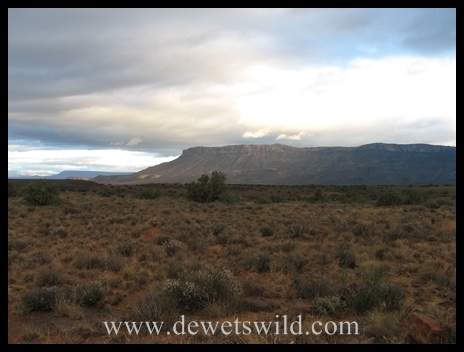
In South Africa’s Western Cape Province, near the historic town of Beaufort-West, lies the Karoo National Park: 88,113 hectares of semi-desert plains and towering mountains.

Inside the Park, altitudes vary between 840 meters above sea level in the valleys to over 1900 meters on top of the Nuweveld Mountains, the average annual rainfall is only 236mm and temperatures can range between -5°C on winter nights to 41°C on summer days.

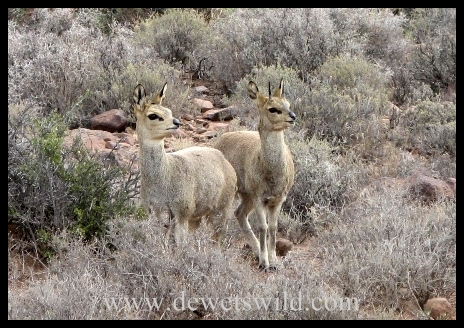
The wide range of habitats in the park, from scrub- and grasslands to dense riverine thickets, provide a safe haven to 202 bird species, 59 kinds of mammals (including lion, buffalo and black rhinoceros), 66 types of reptiles and, surprisingly for such an arid region, 8 species of frog.

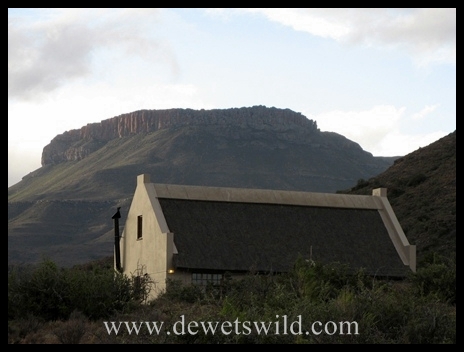
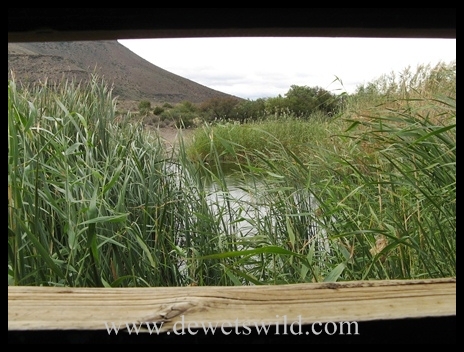
Accommodation and camping is available at the award-winning rest camp, opened in 1989, complete with a well-stocked little shop, restaurant and meeting venue. Visitors can enjoy bird-watching from a hide near the camp, guided walks, two beautiful picnic areas, an interesting information centre in an old barn, a swimming pool, and 4×4 trails. Guided and self-drive game viewing is possible along a well-maintained network of scenic roads, the routes having been given delightful names such as Klipspringer Pass, Potlekkertjie Loop and Lammertjies Leegte.

The Karoo is rich in fossils dating back as far as 255 million years ago, and visitors can explore this fascinating aspect of the park along the fossil trail (a 300m paved walkway) in the camp.

The Karoo National Park is easily accessible, lying as it is along South Africa’s main North-South highway (N1) and is often used as a stop-over by weary travellers. It is however a fascinating and rewarding destination in its own right, worthy of more than just a passing glance.

Everyday Life

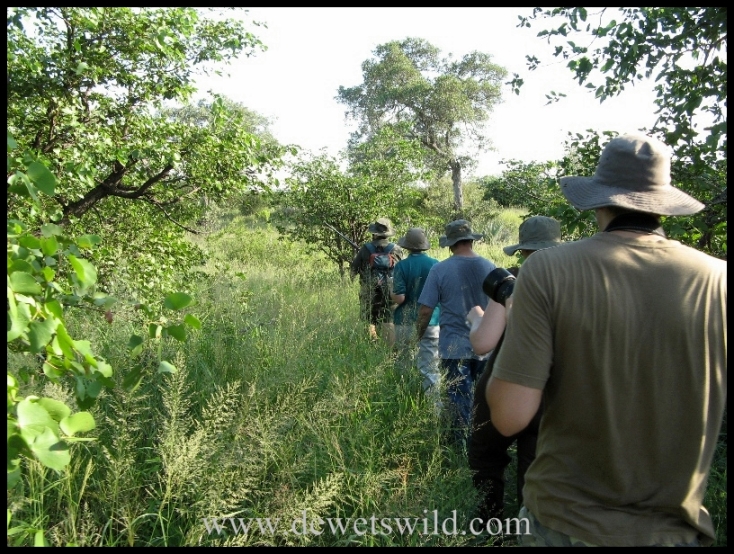
“Everyday Life” certainly depends on your perspective – to us de Wets this guided walking trail near Letaba in the Kruger National Park was a memorable and exciting experience, for the two ranger-guides it was just another day on the job (albeit a job they are very passionate about!)

Near and Far

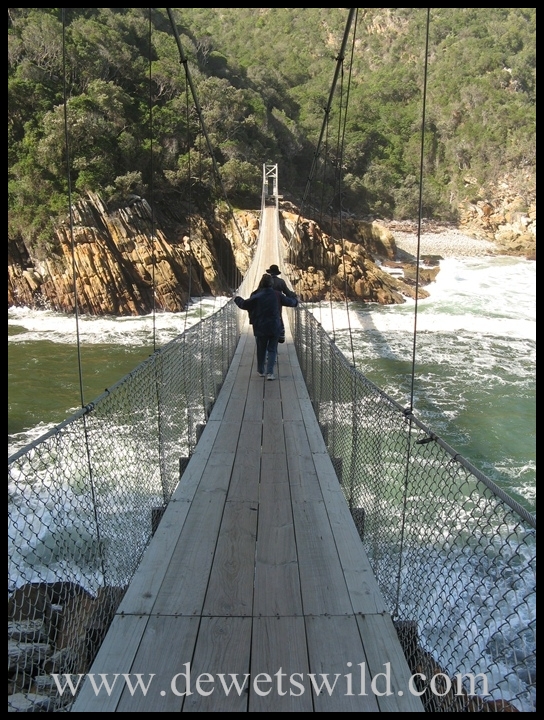
The 77m long suspension bridge across the Storms River in the Tsitsikamma section of the Garden Route National Park, South Africa.

Tsitsikamma

Fairy tale forests and rugged rocky shores

Tsitsikamma was South Africa’s first coastal national park, and has recently been incorporated into the newly proclaimed Garden Route National Park which spans the borders of the Eastern and Western Cape Provinces.

The Garden Route is one of South Africa’s best known tourist attractions, and the Tsitsikamma is a very popular destination, especially in summer. Accommodation and camping is provided by the South African National Parks at Nature’s Valley and Storms River Mouth – the former in a beautiful forest setting near the Groot River estuary and the latter right on the rocky shores of the Indian Ocean.

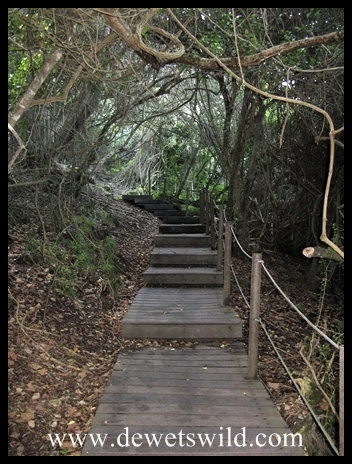
Hiking is a popular pastime in the Tsitsikamma, and at Storms River Mouth there’s a variety of trails to suit most tastes and fitness levels. The most popular of these lead to a suspension bridge, 77 meters long, across the Storms River just before it empties into the sea.

The wide range of habitats provides refuge to a rich diversity of plants, small animals and birds and the scenery is extraordinarily spectacular.

Many visitors spend weeks at a time here in the Tsitsikamma, and once you’ve experienced it for yourself it is easy to understand why.