This week’s WordPress Photo Challenge theme, Orange, seems the perfect excuse to show off another glorious Kruger Park sunrise!


This week’s WordPress Photo Challenge theme, Orange, seems the perfect excuse to show off another glorious Kruger Park sunrise!
The dust flies as two zebra stallions battle it out for control of a family group.


(seen near Lower Sabie in the Kruger National Park during a visit in February 2012)
“Fray” is this week’s WordPress Photo Challenge theme
A look at the evolution of tourist accomodation in the Kruger National Park
The Wolhuter Hut in Pretoriuskop Rest Camp dates from the 1920’s and has been preserved to offer a glimpse into what a visit to the Park was like when it was still in its infancy (it is no longer used to accommodate guests):
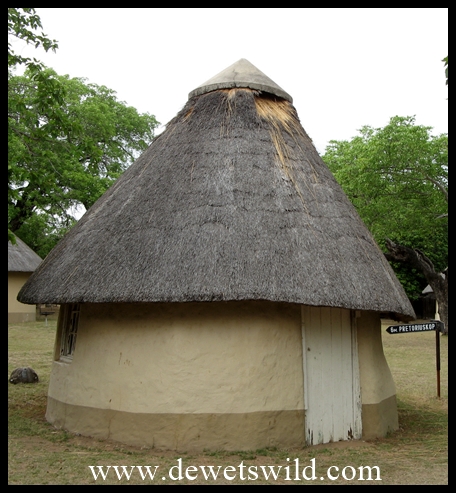
Wolhuter’s hut in Pretoriuskop
The accommodation on offer today is much more sophisticated and spacious – this is one of the new bungalows in Lower Sabie Rest Camp:
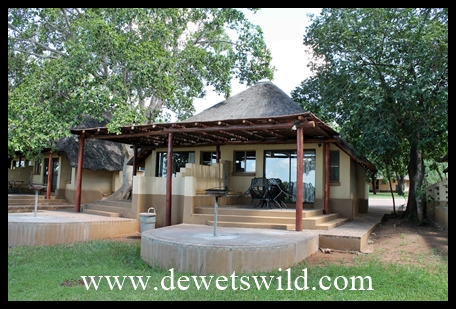
Bungalow in Lower Sabie
There’s a huge variety of accomodation options available in the Park today, ranging from the very rustic to the very luxurious, to cater for almost all tastes and budgets.
This post is in response to this weeks’ photo challenge from WordPress: Change
“The only man I envy is the man who has not yet been to Africa – for he has so much to look forward to.”
Richard Mullin.

Giraffe at sunrise, near Lower Sabie in the Kruger National Park, South Africa
Our deepest gratitude goes to everyone that has contributed to us reaching this milestone by reading, following, liking, commenting and sharing our posts. We appreciate the friendships we’ve made and the inspiration and encouragement you’ve given us through this medium immensely.
There’s still so much beauty and splendour to share from South Africa’s wild places, and as we look forward to doing just that through de Wets Wild for a very long time to come we’d be thrilled to have your continued support.
Our sincere thanks, again!
Dries, Marilize & Joubert – the wild de Wets
The “Big Five” is probably Africa’s most sought-after animals – the term was coined by colonial-era trophy hunters to describe the group of animals considered the most dangerous to hunt: Black Rhino, Buffalo, Elephant, Leopard and Lion. Today, these animals are a major reason for the popularity of South Africa’s wildlife reserves among locals and tourists from all over the world.
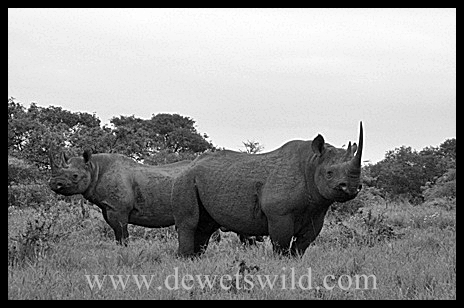
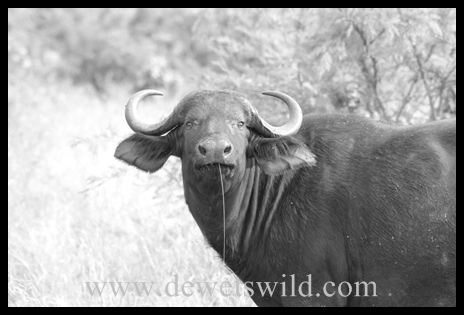
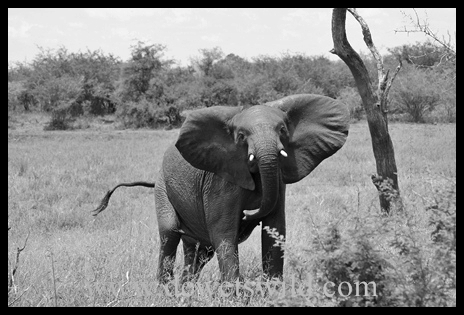
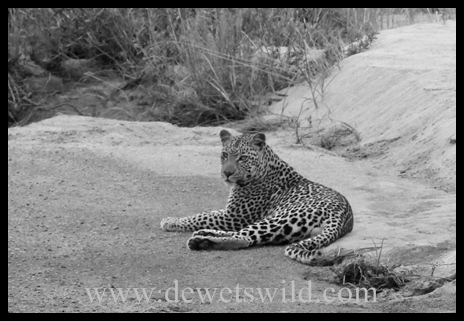
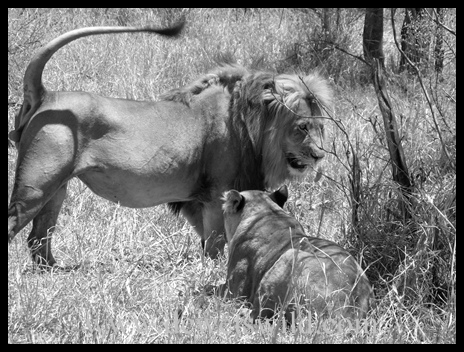
We’re participating in the online adventure travel and photography magazine LetsBeWild.com‘s Wild Weekly Photo Challenge for bloggers. This week’s challenge is “Black-and-White“
For the final challenge of 2012, we decided to submit a selection of photographs of the various accommodation units we stayed in while exploring South Africa’s wild places this year (you can click on the images for a clearer view).


Have a look here for more submissions in this week’s challenge.
Spring has arrived in paradise!

We’ve just returned from another visit to our favourite place on earth – yes, the Kruger National Park (no prizes for correct guesses!). We spent six days travelling the entire length of the reserve, from Pafuri in the north to Crocodile Bridge in the south.

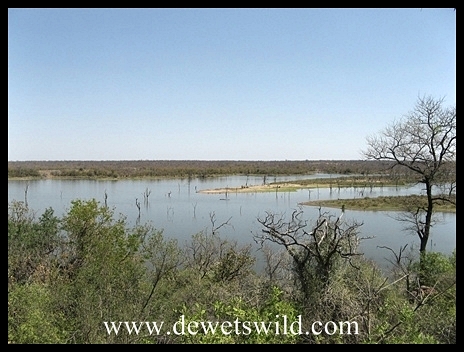
The spring season arrives in South Africa in September, and it’s an excellent time to be out game-viewing in our country’s biggest game reserve. Here’s a collection of some of the thrilling sightings we enjoyed on this trip.

The Northern Kruger National Park is elephant country, and we encountered numerous bulls, including some large tuskers.
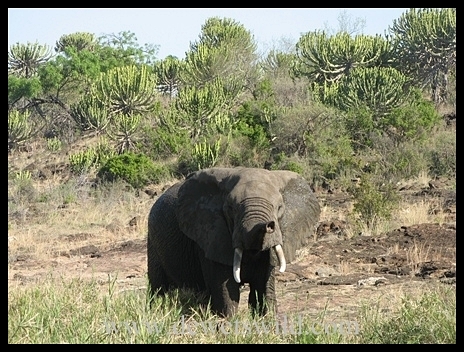
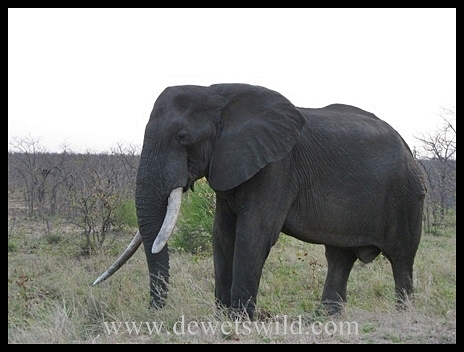

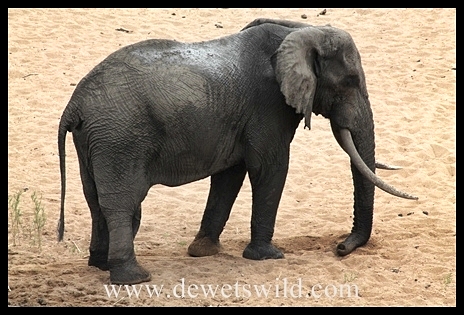

All the elephant herds we came across had small babies.
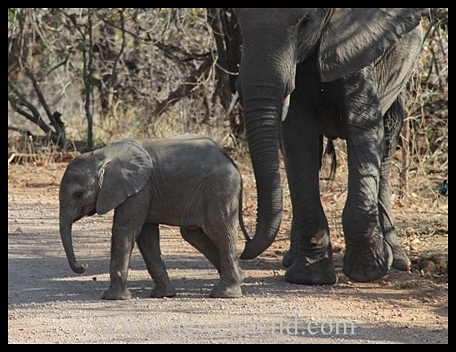
This one realised a bit late that mom had moved on, and ran as fast as his legs would carry him to catch up.

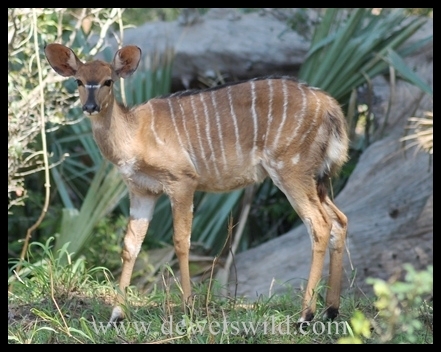
With spring’s fresh green growth, many young animals have already made an appearance.


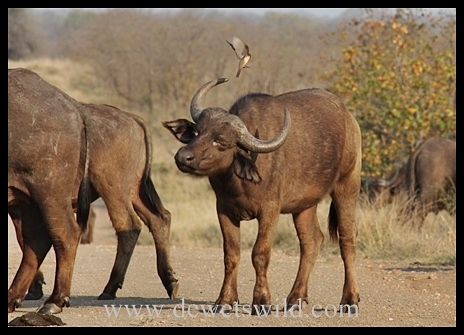
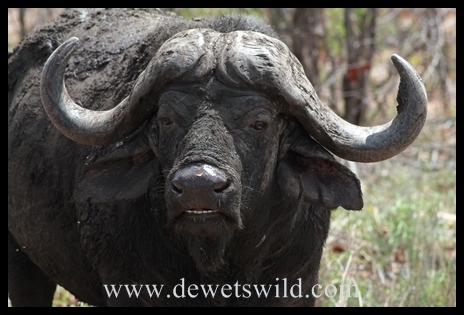
Buffalo are numerous and occur throughout Kruger, sometimes as loners and other times in huge herds several hundred strong.
These two cheetahs were devouring an impala they had caught in the dry bed of the Shingwedzi river, only about three kilometers from Shingwedzi Rest Camp.

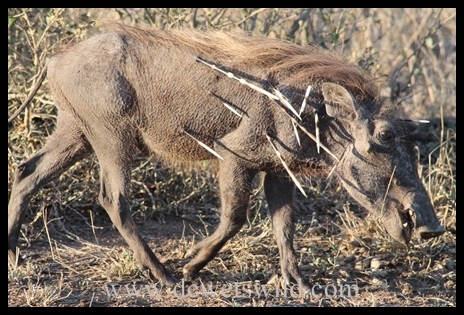
Near Satara, this warthog obviously had an altercation with a porcupine – we suspect it may have rushed into an already occupied bolthole a little too quickly!
Some of the rarer bird species also made special appearances.
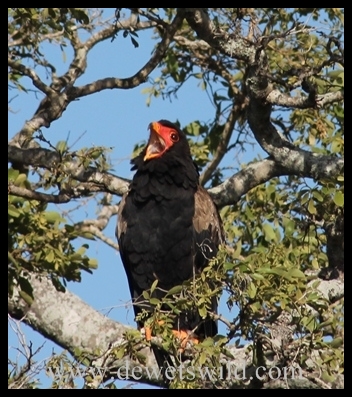
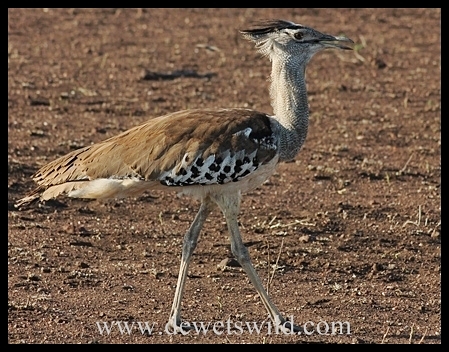
This chameleon was trying to blend in with the surface of the road it was crossing

Of course, to many Kruger visitors the lions are the star attraction. We’d be lying of we said we didn’t share their enthusiasm for these magnificent animals and we were lucky to cross paths with a number of them on our latest excursion. A pride roaring right next to Shingwedzi Rest Camp’s perimeter fence in the darkness of early morning, their deep booming voices rattling the window panes of our bungalow, was a memorable experience.


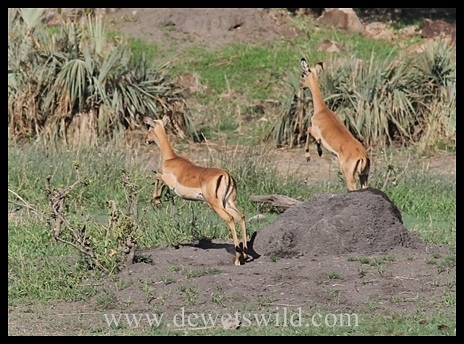
Some of the antelope were getting well into the “springy” swing of things


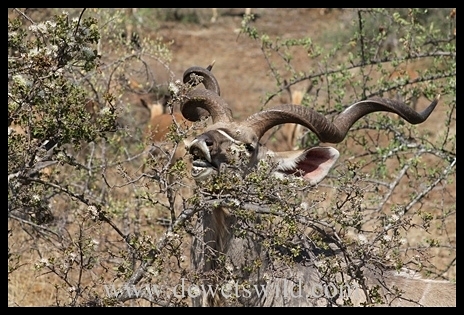
while others were indulging in more sedentary pastimes.


With World Rhino Day and the plight of our treasured rhinos in the relentless poaching firing line fresh in our minds, sightings such as this one of an impressive white rhino bull was all the more special.

For all our travels in South Africa’s wild places we’ve only rarely encountered side-striped jackals, and this is one of the best images we’ve managed to capture of these elusive animals.

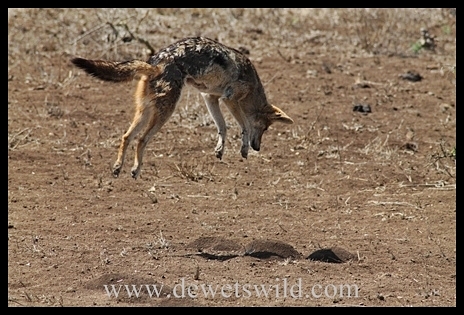
The absolute highlight of our trip was watching this acrobatic black-backed jackal (the side-striped’s much more common cousin) stalking and pouncing moles just north of Satara Rest Camp.
Any time we spend in Kruger National Park is always too little, and leaving through Crocodile Bridge Gate on our way to Pretoria, our heavy hearts could only be consoled by the knowledge that we’d be back soon…
 DeWetsWild