In 1927, a total of three tourist vehicles visited the Kruger National Park, entering through the Numbi Gate. A year later, the first accommodation was provided for visitors in what was then the garden of the legendary ranger Harry Wolhuter about nine kilometres into the Park. By 1931 Pretoriuskop, as the Rest Camp became known, and “The Game Reserve” had become so popular and grown so big that a permanent camp manager had to be appointed.
Like those first visitors, I had my first taste of the Kruger National Park as a small boy, four years old, entering through the Numbi Gate to overnight at Pretoriuskop, the Park’s oldest and historically richest rest camp.

Pretoriuskop scenery
Till this day, the huge “Indaba Tree” beneath which ranger Wolhuter held his staff meetings in the 1920’s can be seen inside the camp. But Pretoriuskop’s history dates back much further than that. Along the main road leading from Numbi to the camp, the lonely grave of Voortrekker Willem Pretorius who died in 1845, buried here by pioneering trader Joao Albasini, can be seen below the hill known as Pretoriuskop ever since. Albasini had a trading post to the north of Pretoriuskop, and the ruins of his house and shop can still be viewed today at the Phabeni Gate.
The Voortrekkers came along here in the 1840’s en route to Delagoa Bay (later Lourenco Marques and now known as Maputo), and later, following the discovery of gold at Pilgrims Rest in the interior, the same old ox-wagon route (Oude Wagenpad in Dutch) was used by the transport riders carrying goods between the gold fields and the harbour. Today, the H2-2 tourist road still follows the same general course as that historic trail, and along the way a number of historic landmarks can be appreciated. One of these, visible from quite a distance, is Ship Mountain – a strange rocky outcrop in the shape of a ship overturned – which was a popular place for the transport riders to camp out. The birthplace of South Africa’s most famous dog, Jock, is another point of interest along the way. In the 1880’s Jock, and his owner Percy Fitzpatrick, then a transport rider, had many adventures in the lowveld, immortalised in Sir Percy’s book “Jock of the Bushveld”.
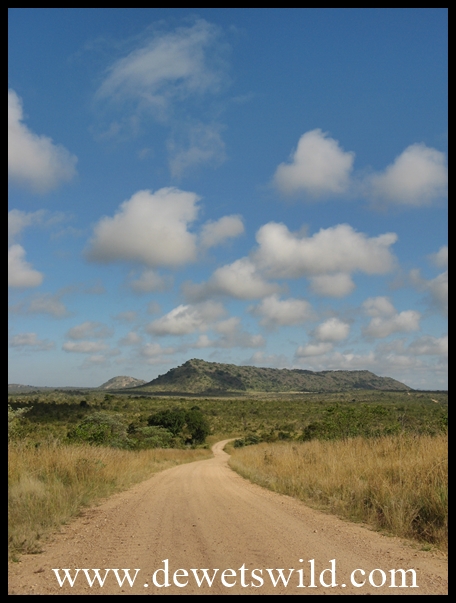
Ship Mountain, seen from the “Oude Wagenpad”
Today, Pretoriuskop is one of the Kruger National Park’s bigger rest camps yet it retains its historic and quiet, friendly character, with impala and guineafowl moving peacefully around the terrain. Accommodation ranges from camping and very basic huts to luxury guest houses, a beautiful pool built into a natural rock face is available for guest’s enjoyment and a fully stocked shop, restaurant, cafeteria and petrol station makes for a comfortable stay. Wolhuter’s Hut (no longer used to accommodate guests) has been preserved to show today’s visitors the accommodation provided to those first guests at Pretoriuskop in the 1920’s.
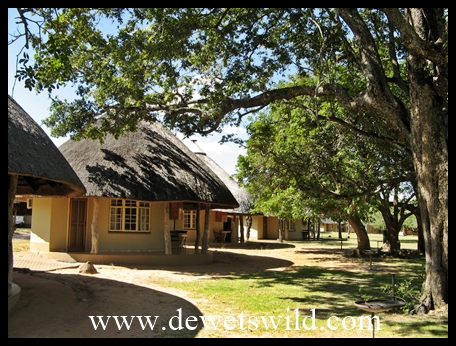
Pretoriuskop Rest Camp

Pretoriuskop swimming pool
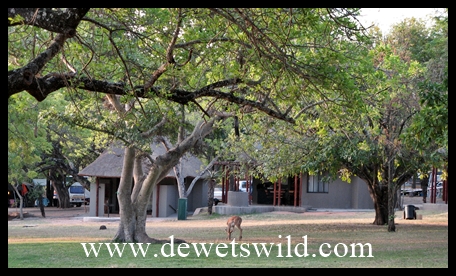
Pretoriuskop Rest Camp
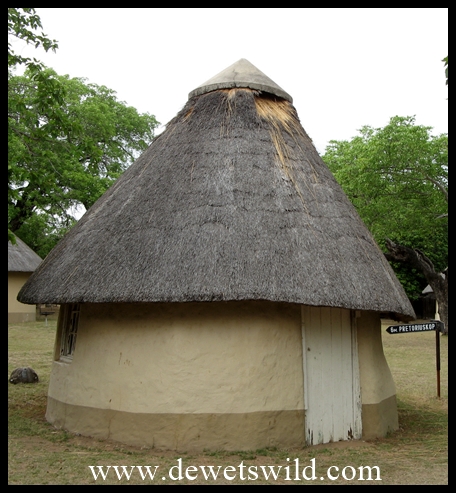
Wolhuter’s hut in Pretoriuskop
Because Pretoriuskop is located at a higher altitude, the camp is much cooler, even during the height of summer, than the rest of the Park. This also means that Pretoriuskop has a higher annual rainfall, and the sourveld vegetation around the camp is characterised by tall grass and dense bush, making game viewing tricky. Nevertheless, there’s a good chance of encountering large predators on any of the roads that radiate from the camp, kudu are numerous thanks to the thick vegetation, and it is here that the first white rhinos were reintroduced into the Kruger Park in 1961, having been wiped out of the lowveld by hunters by 1896. Another special reason to visit Pretoriuskop is the chance to encounter some of the rarer antelope, like sable, lichtenstein’s hartebeest, tsessebe and reedbuck, that still occur here in small groups.

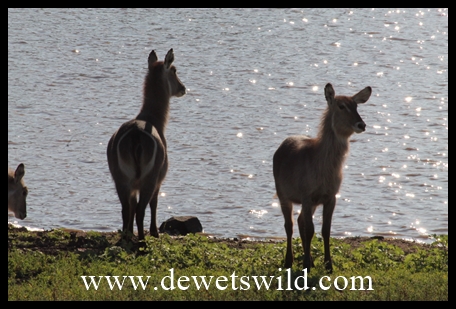
Waterbuck at Shitlhave Dam near Pretoriuskop

Helmeted Guineafowl

White rhinoceros
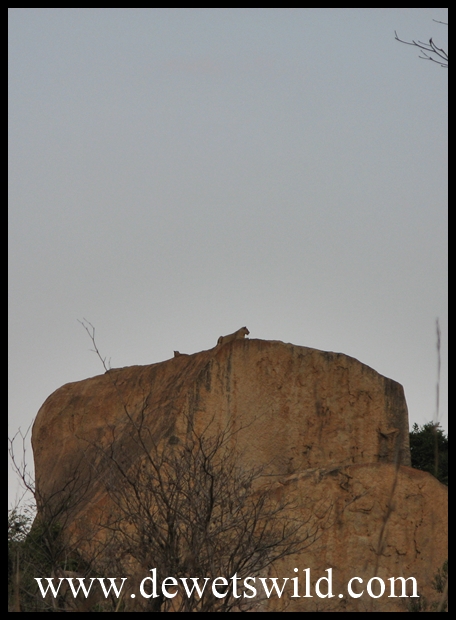
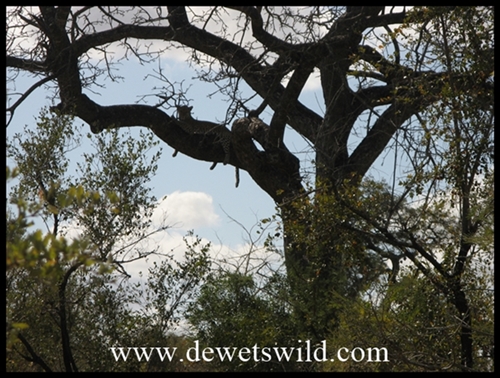
Lioness and cub atop Shabeni
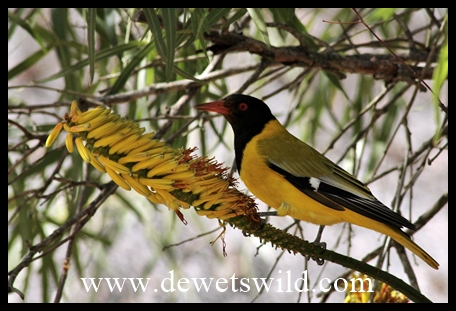
Black-Headed Oriole
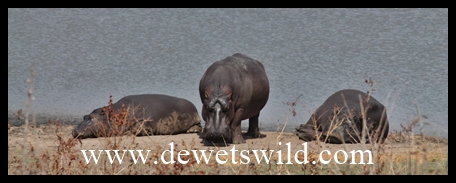
Hippopotamus
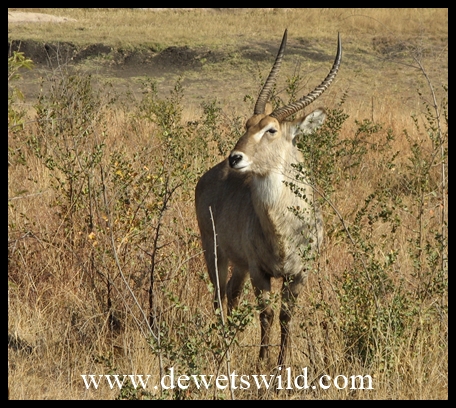
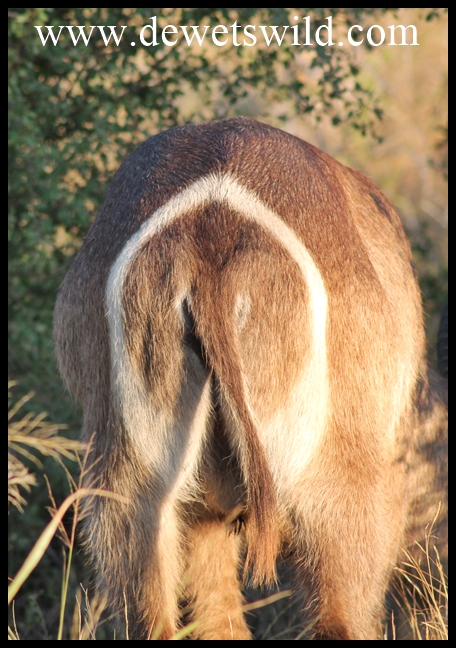
Waterbuck
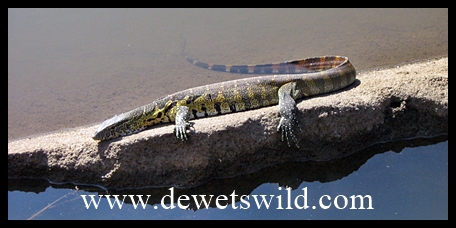
Water monitor

Warthog
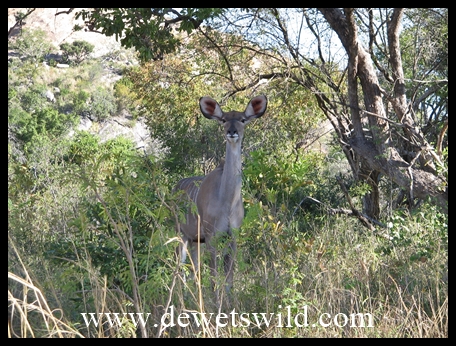
Kudu

Kudu cow and calf
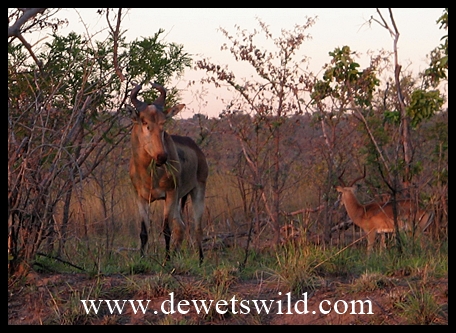
Lichtenstein’s Hartebeest
To us, the Pretoriuskop area’s scenery is the biggest attraction though. Mestel and Shitlhave Dams are near the camp and aside from residents pods of hippo and herds of waterbuck attract streams of game looking to quench their thirst. The enormous granitic outcrops, like Manungu and Shabeni, so characteristic of this area, offer beautiful photo opportunities and driving slowly around them in the golden light of the late afternoon, with magnificent views in all directions, is a truly relaxing, almost meditative, undertaking that has to be experienced to be appreciated.

Rocky outcrops lending character to the landscape around Pretoriuskop
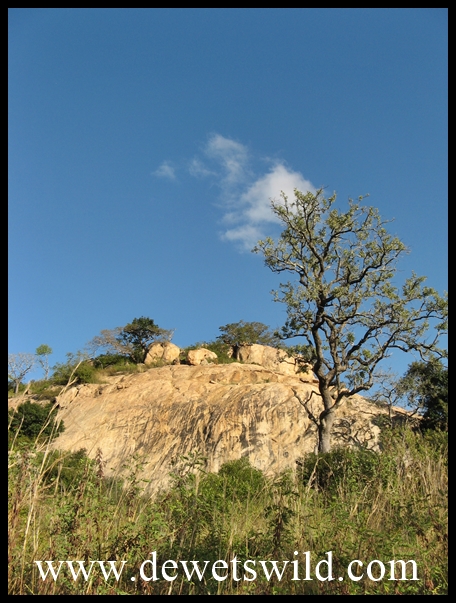
Rocky outcrops lending character to the landscape around Pretoriuskop

Stream crossing near Pretoriuskop

Rocky outcrops lending character to the landscape around Pretoriuskop

The massive granite dome of Shabeni
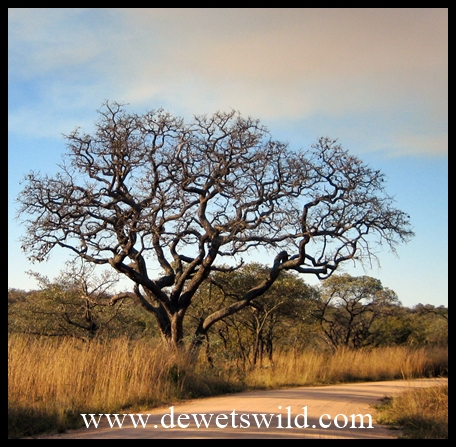
Pretoriuskop vegetation













 DeWetsWild