DeWetsWild conducted a two-week tour of the Kruger National Park with altogether nine people to see out 2025 and ring in 2026 and every day for the month of February I’ll be sharing just a few of the many memories our group collected.
While the Kruger National Park boasts an exceptional number of bird species on its official list even during winter, the summer brings with it an enormous number of migrants, and even more so in a season as wet as the current one. During our tour of two weeks we managed to tick off 187 bird species in the area between the Letaba and Sabie Rivers. These are just a few of them.
Bateleur
Bearded Scrub-Robin
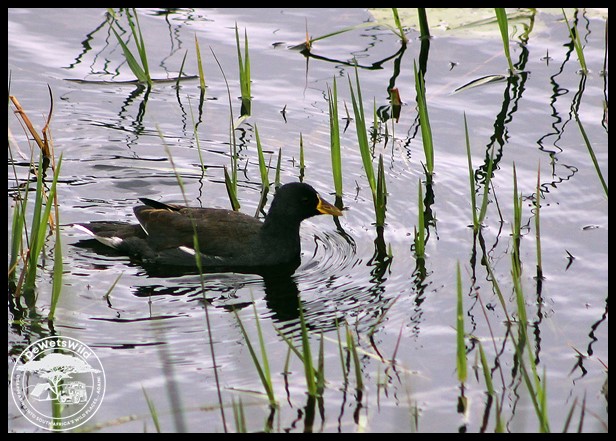
Black Crake
Black-crowned Tchagra
Brown Snake Eagle
Carmine Bee-eater
Cut-throat Finch
Dusky Indigobird
Dwarf Bittern
European Bee-eater
Immature Lanner Falcon
European Roller
African Fish Eagle
Great Spotted Cuckoo
Green-backed Heron
Grey-headed Bush-shrike
African Jacana
Knob-billed Duck
Common (Kurrichane) Buttonquail (note tiny chick!)
Lilac-breasted Roller
Long-tailed Paradise Whydah
Marabou Stork
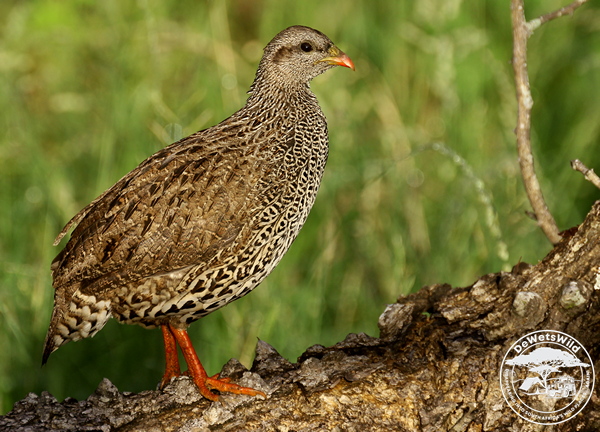
Natal Spurfowl
Greater Painted Snipe
Montagu’s Harrier male
Pied Wagtail
Red-crested Korhaan
Chestnut-backed Sparrowlark
Double-banded Sandgrouse
Tawny Eagle
Temminck’s Courser
Water Thick-knee
Wattled Starling
White-backed Vulture
Wood Sandpiper
Yellow-billed Oxpeckers
Yellow-billed Stork
If you’d like to join me on a guided tour of South Africa’s wild places, of even if you’d just like a bit of help putting your reservations together, don’t hesitate to reach out!
Wednesday last week, in conjunction with Hannes Rossouw Photography, we headed to the Marievale Bird Sanctuary for a wonderful morning of bird watching and photography in one of Gauteng Province’s prime locations for these pursuits. If you’d like to join Hannes and me on our next trip to Marievale, please don’t hesitate to reach out!
Marievale’s entrance
Map of Marievale
Ruff and Reed Cormorant
Marievale is covered by wetlands
Reed Cormorant
Southern Masked Weaver
Lesser Swamp Warbler
Red-knobbed Coot
Blue-billed Teal
Red-knobbed Coot
Yellow-billed Duck
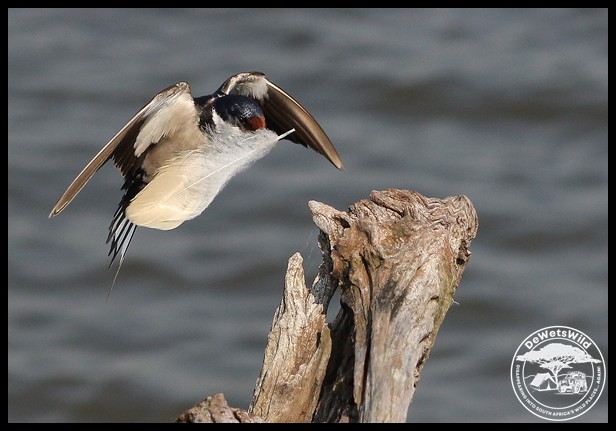
White-throated Swallow
White-throated Swallow
White-throated Swallow with a feather ir collected
White-throated Swallow
Whiskered Tern
Goliath Heron
African Darter
Blacksmith Lapwing
Reed Cormorant
Black Heron
Yellow-billed Stork
Squacco Heron
Spur-winged Goose
Large, hairy caterpillar (exact identity not certain)
The Mokala National Park is a bird watcher’s paradise, being populated by large numbers of a wide variety of bird species indigenous to the various habitats that make up the reserve. This is just a small portion of the many kinds of birds we ticked off during our visit in June – and as winter is by no means the best season for finding birds you can just imagine what a spectacle it must be during summer!
Acacia Pied Barbet
Ant-eating Chat
Black-faced Waxbill
Black-faced Waxbills
Black-throated Canary
Black-winged Stilt
Brubru (photo by Joubert)
Cape Glossy Starling
Cape Robin-Chat (photo by Joubert)
Chestnut-vented Warbler
Chestnut-vented Warbler (photo by Joubert)
Common Scimitarbill
Crimson-breasted Shrike
Familiar Chat
Red-billed Firefinch
Fiscal Flycatcher
Gabar Goshawk (photo by Joubert)
Golden-breasted Bunting
Greater Kestrel
Grey-backed Sparrow-Lark
Orange River White-eye
Orange River White-eye (photo by Joubert)
Orange River White-eye (photo by Joubert)
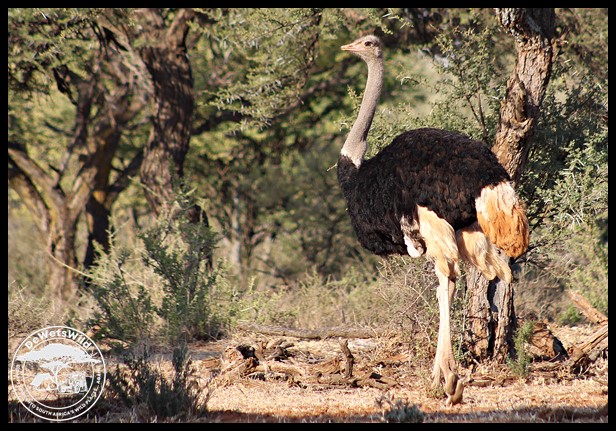
Ostrich
Pied Crow (photo by Joubert)
Green-winged Pytilia
Green-winged Pytilia
Red-billed Quelea
Red-billed Quelea
Red-billed Quelea
Red-crested Korhaan
Red-eyed Bulbul
Red-headed Finch
Red-headed Finch
Sabota Lark
South African Shelduck male
South African Shelduck female (photo by Joubert)
Scaly-feather Finch
Sociable Weaver
Southern Masked Weaver
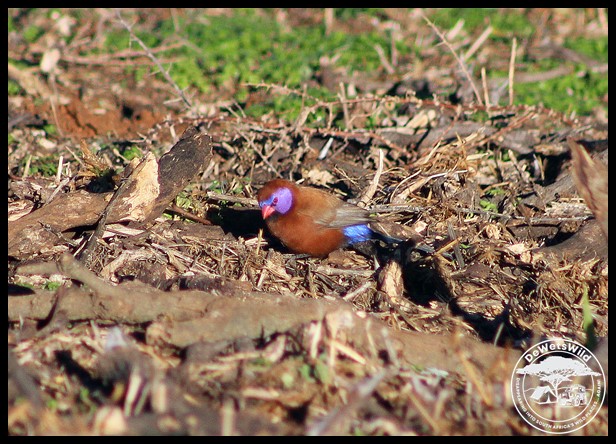
Violet-eared Waxbill
White-backed Mousebird
White-browed Sparrow-weaver (photo by Joubert)
Shaft-tailed Whydah male in transitional plumage
Yellow Canary
Remember that DeWetsWild can help you book a stay at Mokala National Park and I’d also be glad to escort you there on a guided tour!
More than 500 bird species have been recorded within the borders of the iSimangaliso Wetland Park, making it one of the country’s most rewarding bird-watching destinations – a fact that was once again proven to be undeniable during my latest tour of “The Place of Miracles and Wonders”. Even if I hadn’t ticked the Lesser Moorhen for the first time this would still have been a bumper birding trip! Lets start the birdwatching off with a few videos.
African Pygmy Kingfishers are little winged jewels and in our experience iSimangaliso is one of the best possible places to search for them during summer.
Another bird that you are more likely to see in iSimangaliso than probably anywhere else in South Africa is the Crested Guineafowl.
Grey-headed Gulls are the most commonly observed of their family on the beaches of iSimangaliso. This one found a dead fish but is struggling to gulp it down!
There were so many Hamerkops to be seen all over the Park – they’re obviously enjoying the inundated conditions and the boom in fish and frog numbers associated with it!
Of course, with so much of the Park under water now it’s hardly a surprise that waterfowl are to be seen in exceptional numbers, but what was especially gratifying to me was the plentiful sightings of African Pygmy Geese and White-backed Ducks – elusive species I’ve only rarely seen previously.
At the KwaMalibala-hide this flock of White-faced Whistling Ducks dabbling and diving for food were great entertainment. In the hot weather their splashing seemed quite refreshing!
Cattle Egrets in flight over the sea at the estuary of Lake St. Lucia
Collared Pratincole
Common Buzzard
Common Ringed Plover
Common Sandpiper
Common (left) and Swift (right) Terns
Crested Guineafowls
Dark-backed Weaver
Fan-tailed Widowbird
Giant Kingfisher
Glossy Ibis
Great Egret
Green-backed Heron
Grey Heron
Grey-headed Gull
Hamerkop
Immature Kelp Gull
Laughing Dove
Female Lesser Masked Weaver
Little Bee-eaters
Little Egret
Long-crested Eagle
Little Grebe
Malachite Kingfisher
Narina Trogon
Purple Heron
Rattling Cisticola
Red-billed Teal
Reed Cormorants
Ruddy Turnstone
Saddle-billed Storks
Sanderlings
Secretary Bird
Spectacled Weaver
Squacco Heron
Squacco Heron
Southern Banded Snake Eagle
Swift Tern
Trumpeter Hornbill
Village Weaver
Wahlberg’s Eagle
Water Thick-knee
Whimbrel
White-backed Duck
White-backed Duck diving
White-faced Whistling Ducks
White-fronted Plover
Wood Sandpiper
Woolly-necked Storks
Yellow Weaver
Yellow-billed Egret
Yellow-billed Storks
Eastern Nicator
Yellow-throated Longclaw
Remember that DeWetsWild will gladly assist you with reservations and guided tours of the iSimangaliso Wetland Park if you’d like to visit this wonderful place as well.
Finding a Lesser Moorhen at a newly formed pan of water in the Eastern Shores section of the iSimangaliso Wetland Park was a real highlight of my most recent visit to the “Place of Miracles and Wonders”, as it brings me to 609 species of birds seen in South Africa.
Lesser Moorhen
Lesser Moorhen
Lesser Moorhen
Lesser Moorhen
Lesser Moorhen
Lesser Moorhen
Lesser Moorhen
Paragallinula (Gallinula) angulata
The Lesser Moorhen inhabits freshwater wetlands ranging from periodically flooded grasslands to permanent swamps and marshes, showing a strong preference for areas densely covered by emergent vegetation and limited open water. They’re omnivores, feeding on water plants and aquatic invertebrates.
Lesser Moorhens start breeding after the first floods, building their cup-shaped grass nests on a platform of flattened living grass, reeds or sedges. The female is responsible for most of the incubation duties, with the clutch of up to nine eggs (though about 6 is more usual) hatching after about 3 weeks. The chicks start flying at about 5 weeks of age, but remain with their parents up to about 2 months old. Fully grown they’ll weigh about 135g and measure approximately 23cm in length. Lesser Moorhens are very shy and seldom venture into the open.
(Remember that DeWetsWild will gladly assist you with reservations and guided tours of the iSimangaliso Wetland Park if you’d like to visit this wonderful place as well.)
Earlier this week Joubert and I quickly popped into the hide at the Austin Roberts Memorial Bird Sanctuary while we were whiling away a few minutes before attending to some other (more boring) chores. Despite the cold and overcast weather the little reserve was alive with birds of all description (as it always is!) and again we were amazed that such a precious place still exists inside one of the capital city’s oldest neighbourhoods.
Southern Masked Weaver (photo by Joubert)
Grey Crowned Crane (photo by Joubert)
Yellow-billed Duck (photo by Joubert)
Village Weaver (photo by Joubert)
Yellow-billed Duck (photo by Joubert)
Common Arum Lily (photo by Joubert)
Little Egret (photo by Joubert)
Yellow-billed Duck (photo by Joubert)
Egyptian Goose (photo by Joubert)
Egyptian Goose (photo by Joubert)
Egyptian Goose (photo by Joubert)
The photographs are all courtesy of Joubert, while I was responsible for the videos.
The Kruger National Park boasts with a list of 550+ species of birds recorded within its boundaries, and even though some of these were rare vagrants while many others are summer visitors, the Park always has a huge variety and number of birds to entertain keen birdwatchers – even in winter.
African Goshawk
African Hawk Eagle
African Pipit
Arrow-marked Babbler (photo by Joubert)
Black Crake
Black Storks
Black-backed Puffback
Brown-hooded Kingfisher
Brown-crowned Tchagra
Immature Brown Snake Eagle (photo by Joubert)
Crested Francolin
Fork-tailed Drongo
Goliath Heron
Female Green-winged Pytilia (photo by Joubert)
Male Grey-backed Sparrow-Lark
Kori Bustard
Lilac-breasted Roller (photo by Joubert)
Little Bee-eater
Magpie Shrike
Marabou Stork (photo by Joubert)
Martial Eagle
Natal Spurfowl
Chestnut-backed Sparrow-Lark
Red-billed Hornbill (photo by Joubert)
Red-crested Korhaan
Saddle-billed Stork (photo by Joubert)
Secretary Bird (photo by Joubert)
Swainson’s Spurfowl chicks
Tawny-flanked Prinia (photo by Joubert)
Three-banded Plover (photo by Joubert)
Verreaux’s Eagle-Owl
Water Thick-knee (photo by Joubert)
White-crowned Shrike (photo by Joubert)
White-fronted Bee-eater snacking on a Guineafowl butterfly
The Mokala National Park has a very healthy population of birds, and even in winter with all the summer migrants having left for warmer parts of the globe Hannes and I still managed to tick 66 species without much effort during our recent 4-night stay.
Ant-eating Chat
Burchell’s Sandgrouse
Burchell’s Sandgrouse
Burchell’s Sandgrouse
Cardinal Woodpecker
Common Scimitarbill
Familiar Chat
Gabar Goshawk
Kalahari Scrub Robin
Kalahari Scrub Robin
Mountain Wheatear
Pale Chanting Goshawk
Rock Martin
Scaly-feathered Finch
Violet-eared Waxbill male
Violet-eared Waxbill pair
Yellow Canary
Yellow-bellied Eremomela
If you are a bird lover you are in for a treat, because we’ll be sharing even more of Mokala’s bird life tomorrow.












 DeWetsWild