Category Archives: Mpumalanga Province

Our experiences in the reserves of Mpumalanga, South Africa

Our 2023 in pictures

Join us for a look back at the wonderfully wild South African destinations we visited during 2023. May 2024 be a blessed year for you and your family, memorable for all the best reasons.

Getting REALLY up close with Leopards in Manyeleti

One of our very first sightings in the Manyeleti Nature Reserve – shortly after settling in at Ndzhaka Camp – was of two young Leopards. Their mother had caught an antelope for each of them and hoisted these into different trees so that the two cubs could eat in peace. One had a bushbuck, the other an impala. It was amazing being so close to the feeding leopards. They truly are beautiful animals.

The next afternoon while enjoying our drive from Buffelshoek Camp we eventually found ourselves back at the Leopard sighting just after sunset. Both the cubs were still there – in separate trees – and their mother joined them, snacking on the leftovers of the bushbuck. Below two Spotted Hyenas were waiting for scraps falling from the tree above.

In the fading light I eventually had to switch to video. The female would stop feeding every now and then, growling ferociously at something unseen in the dense undergrowth. Minutes later the source of her irritation revealed itself as a male Leopard, in all likelihood the father of the cubs. He climbed into the other tree to feed on the remains of the Impala carcass. In 45 years of frequent visits to our wild places I have never seen four leopards in the same spot. An incredible experience, and I hope this video gives you a sense of that!

Heading back to Buffelshoek Camp in the dark we encountered more Spotted Hyenas in the road.

Don’t miss the opportunity to visit Manyeleti along with DeWetsWild and Hannes Rossouw Photography!

Caught between Painted Wolves and Cheetahs

Shortly after leaving Ndzhaka Camp on our first guided morning drive in the Manyeleti Nature Reserve earlier this month, we found a pack of Painted Wolves, better known as African Wild Dogs, in the road. There was great excitement among the younger Dogs in the pack as the adults had just returned to them with meat from a fresh kill, and all of them were in a very playful mood. We got some wonderful photographs and video of the Dogs playing around the vehicles at the sighting.

After a while we noticed two Cheetahs walking along the road in our direction, very aware of the Wild Dogs but apparently not fazed enough by them to immediately head for cover.

Two cheetahs walking along the road in the Manyeleti Nature Reserve

It didn’t take long for the Wild Dogs to also notice the Cheetahs though, and they immediately set off in their direction.

Wild Dogs running along the road in the Manyeleti Nature Reserve

Now this is the point where I can kick myself! I thought I was videoing the whole sequence, but in the excitement I never pressed the recording button… Next time I will do better, I promise… As the Wild Dogs trotted ever closer one of the Cheetahs broke cover and charged at them, seemingly thinking that offense is the best defense. The Cheetah was however immediately surrounded by the adult Wild Dogs, hit with its front paws on the ground, hissing and spitting, and then ran through a gap in the Dogs and up a dead tree, where we pick up the action with a photograph or two.

With the Dogs satisfied that they’ve given the Cheetahs a run for their money and setting of on another hunt, we followed the now reunited Cheetahs for a while until they moved into dense cover where we lost sight of them. By then, the Wild Dogs had also ventured further into the bush and out of sight.

African Wild Dogs can cover enormous distances, and we found the pack again that afternoon, this time on a drive from Buffelshoek Camp. In the heat of the afternoon they were a lot less energetic and more content lazing in the shade at the side of the road than hunting.

Don’t miss the opportunity to visit Manyeleti along with DeWetsWild and Hannes Rossouw Photography!


Memorable encounters with Manyeleti’s Monarchy

The Manyeleti Nature Reserve is renowned for its large prides of Lions and so we had high hopes for excellent sightings before we arrived. We didn’t have to wait long into our first afternoon drive from Ndzhaka Camp for our first encounter with the “Kings of Beasts” as we happened upon a large pride walking with determination through the veld while our guide tried to manoeuvre the vehicle into position for the best pictures.

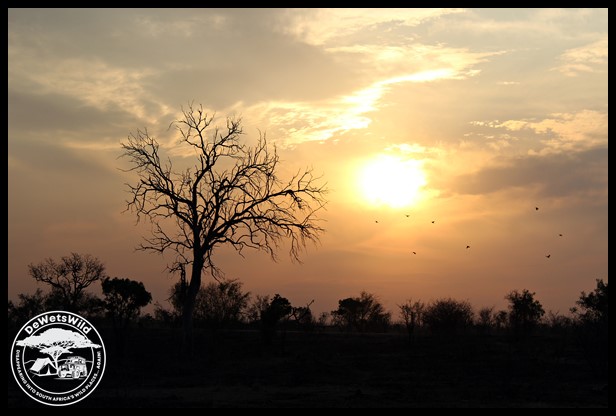
As we drove out of Buffelshoek Camp our last morning at Manyeleti Nature Reserve dawned like a painting with a glorious orange sun backlighting large trees eerily peering through the mist that settled on the plains overnight.

Sunrise over Manyeleti

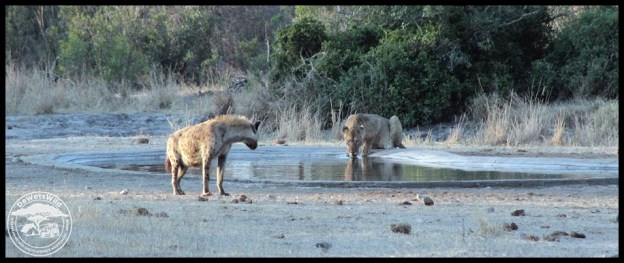
Years of visiting our wild places has given me a sixth sense that told me we won’t be waiting long for another audience with Manyeleti’s monarchy that morning, but our first sighting as we drove from camp was of two spotted hyenas lying lazily on the two-spoor track, as if just waiting for us to arrive.

And then, there they were! Two enormous Lionesses with their stomachs distended from a large meal enjoyed overnight. Eventually they got up and started moving in the direction of the nearby waterhole. We followed along for a few hundred metres, until they probably felt they needed another break and picked a termite mound as an elevated bed. One of the Queens flopped onto her side almost immediately, but the other was very interested in something happening between us and the camp, still visible in the distance.

Don’t miss the chance to visit Manyeleti along with DeWetsWild and Hannes Rossouw Photography!

Some of our encounters with Manyeleti’s Elephants

Being an extreme fan of African Elephants, when I made my first visit to Manyeleti Nature Reserve I was wondering how many elephants we would see there. Thankfully I can now confirm that the reserve has a thriving population of the pachyderms and they were very much in evidence as we went driving around the reserve.

This was the biggest herd we saw during our stay in the Manyeleti. In elephant society the breeding herds usually consists only of adults females and their offspring, with adult males only visiting the herd when there’s a cow in oestrus present.

This young bull we found a bit later at a dam was definitely interested in some or other smell exuded by another elephant or elephants, using his trunk to test both the air and urine spots left on the ground.

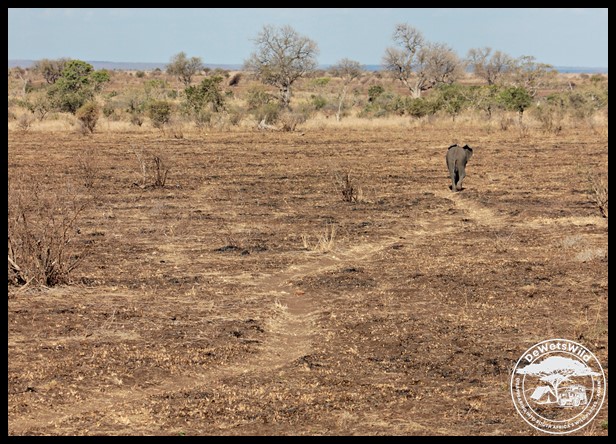
One of our final sightings as we drove towards the gate on our way back home was of a small group of bachelor Elephant bulls hanging around at – and in – the large dam in the centre of the reserve.

Don’t miss the chance to visit Manyeleti along with DeWetsWild and Hannes Rossouw Photography!

A prized Rhino sighting in Manyeleti, just in time for World Rhino Day

Today is World Rhino Day. The ongoing war against rhino poaching still features in the headlines all over the world and unfortunately it is seldom good news. As the numbers continue to dwindle sightings of these enigmatic creatures in our wild places are getting ever more scarce. That’s probably the reason why this wonderful encounter we had with a White Rhino bull in the Manyeleti Nature Reserve when we visited earlier in September is so precious and memorable.

Don’t miss the chance to visit Manyeleti along with DeWetsWild and Hannes Rossouw Photography!


Manyeleti Nature Reserve

Surprisingly for a reserve located in one of South Africa’s tourism hotspots, the Lowveld, the Manyeleti Nature Reserve is an unexploited and unpolished gem of a destination. I’ve just recently returned from my first visit to this special place, accompanied by friend and colleague Hannes Rossouw.

The Manyeleti Nature Reserve was established in the 1960’s by the government of the Apartheid homeland Gazankulu, for exclusive use by non-white visitors. Covering an area of 227km² and sharing unfenced borders with the Kruger National Park and the Timbavati and Sabi Sand Private Game Reserves, administration of the reserve passed to the Mpumalanga Provincial Government following the end of Apartheid in 1994.

Manyeleti means “Place of stars” – looking up at the night sky will confirm this to be a very apt name – and is covered mainly by open savanna-type vegetation communities, with dense riverine forest along the course of the usually dry Nwaswitsontso River. Several large dams inside the reserve provide a year-round water supply and are focal points for the reserve’s wildlife and, consequently, human visitors.

During our recent visit to the reserve, Hannes and I were hosted for one night at each of Ndzhaka and Buffelshoek Camps, and I am proud to say that DeWetsWild is now a contracted reservation agent for both. In co-operation with Hannes Rossouw Photography we will also be holding regular photographic safaris and workshops there – we’re already taking bookings for the first of these scheduled for June 2024. The camps are rustic and off the grid, and with each accommodating no more than 10 guests in 5 comfortable en-suite safari-style tents, with all meals and two daily game drives included, are perfect for an authentic bush experience. Ndzhaka is set among the enormous trees on the banks of the Nwaswitsontso almost in the centre of Manyeleti, its grounds frequented by nyala, bushbuck and waterbuck. Buffelshoek on the other hand is located on a remote open plain towards the reserve’s south-eastern corner, with herds of game and predators moving around and sometimes even through the camp to reach the local waterhole.

On the perimeter of Ndzhaka Camp a small trough of water is like a magnet to visiting antelope. I set up my little trailcam there to see what might come visiting while we’re out on our game drive or asleep in the tent.

In upcoming posts on DeWetsWild I will be sharing some of the incredible sightings we enjoyed during our visits to Ndzhaka and Buffelshoek in the Manyeleti Nature Reserve.


Returning to familiar favourites and finding new treasures in the Lowveld

I have just returned from a visit to the Lowveld and in particular the Kruger National Park and Manyeleti Game Reserve with Hannes Rossouw Photography. The following photographs are just a little appetiser of what you can look forward to in the next few posts on DeWetsWild.
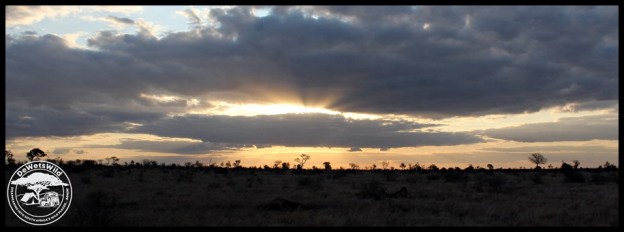
 

Some birds we saw this winter holiday in the Kruger National Park

The Kruger National Park boasts with a list of 550+ species of birds recorded within its boundaries, and even though some of these were rare vagrants while many others are summer visitors, the Park always has a huge variety and number of birds to entertain keen birdwatchers – even in winter.

From Antelope to Zebra

The Kruger National Park is home to at least 147 species of mammals, among the highest counts of any national park in the world. Many of these are small and difficult to see and/or identify, such as the various kinds of bats, shrews and rodents. However, there are also a number of other animals that are easily spotted from the roads traversing the park and bring great joy to the hundreds of thousands of visitors that flock to the reserve every year. In this post we’ll be featuring some of the mammals we encountered during our visit in June 2023.

Chacma Baboons are always great crowd pleasers, with their all to familiar human-like characters and antics. You might also enjoy our short video of two youngsters interacting with each other and their parents.

Banded Mongooses move around in troops and are often seen near picnic spots where they look for scraps, like these were doing at Tshokwane.

Troop of Banded Mongooses at Tshokwane

Early morning is a good time to see Black-backed Jackals.

Black-backed Jackal seen early morning on the H10 road from Lower Sabie to Tshokwane

The comical Blue Wildebeest is a familiar sight all over the Kruger National Park.

We’ve already taken a closer look at the Kruger National Park’s big Buffalo herds.

Bushbuck are found in areas of dense vegetation, such as the riverine forests lining most of the Kruger’s large rivers.

Bushbuck ewe

The Dwarf Mongoose is the smallest carnivore occurring in the Kruger National Park. They like living in termite mounds, and to sun themselves outside their homes on cold mornings!

The Kruger National Park has a sizable population of Elephant, making for some wonderful encounters with these charismatic animals.

Giraffes are very photogenic animals!

Hippos may look like jolly creatures, but they’re actually among the most dangerous animals in Africa!

Tamboti Tented Camp is well known for its Honey Badgers who come raiding the trash cans at night, which is why we had our little cameratrap set up outside our accommodation to capture the nightly attack!

The Impala is the most numerous large mammal in the Park and so familiar that most visitors pay them little more attention than a passing glance, which is a real pity as they are quite beautiful antelope!

Be sure to scan rocky outcrops for the dainty Klipspringer!

Many people consider the Kudu among the most regal of Africa’s antelope.

This Large-spotted Genet also came snooping around the trash can in Tamboti while the Badger was roaming elsewhere in camp.

We’ll remember our June 2023 visit to the Kruger National Park for a long time thanks to our wonderful Leopard sightings!

Lions are at the top of the wish list for most visitors visiting the Kruger National Park, and there’s no denying that seeing these enormous cats roaming wild is always an awesome experience!

I think the video of the Lioness and her cute cubs deserves another look!

Nyalas are seen more frequently in the northern reaches of the Kruger National Park.

Nobody will complain about the fact that the photogenic Plains Zebras are frequently seen in almost every area of the Park.

Reedbuck are a rare sighting in Kruger, but the grassy plains north of Lower Sabie is a good place to go looking for them – we found this ewe along the H10 road.

Reedbuck ewe seen along the H10 road north of Lower Sabie in the Kruger National Park

The Roan Antelope is one of the two rarest species of large antelope found in the Kruger National Park, so we were very excited to have seen them twice during our visit in June 2023; a sizable herd at the Babalala Picnic Site and later a pair along the Shingwedzi River.

Scrub Hares can often be seen among the huts in Kruger’s rest camps after dark, but seeing them out-and-about during daylight happens less frequently.

The tiny Sharpe’s Grysbok is found most regularly in the far north of the Kruger National Park.

Sharpe’s Grysbok

Side-striped Jackals are seen much less often than their black-backed cousins, so regularly seeing this one near Shingwedzi (caught here by our little cameratrap) was a rare treat.

Side-striped Jackal at Shingwedzi

The Slender Mongoose is a very active, usually solitary, predator – we were lucky to find a few willing to pose for photographs!

Spotted Hyenas are mostly active between dusk and dawn and a regular sighting on guided drives conducted by the Park authorities after dark.

The Steenbok is probably Kruger’s most frequently encountered small antelope.

Not only are Tree Squirrels very cute but they’re also excellent alarms when predators are around, so pay attention when you hear their excited chatter!

The north of the Kruger National Park, especially around Mopani and Shingwedzi Rest Camps, is the best place to go searching for the rare Tsessebe.

Warthogs might not be the most attractive animals, yet they’re sure to bring a smile to your face!

With their white-circled backsides the Waterbuck is instantly recognizable.

Given the huge danger poaching poses to the continued existence of the White Rhino we were extremely grateful to have had three encounters with these enigmatic beasts when we visited the Kruger National Park in June 2023.

White Rhino