Every year, World Water Day is held on the 22nd of March, to bring attention to the importance of preserving the earth’s freshwater resources.

A mountain stream carving its way through the rocks of the Blyde River Canyon
Every year, World Water Day is held on the 22nd of March, to bring attention to the importance of preserving the earth’s freshwater resources.
A mountain stream carving its way through the rocks of the Blyde River Canyon
We encountered this black-backed jackal hunting for moles near Satara, in the Kruger National Park.


The “Big Five” is probably Africa’s most sought-after animals – the term was coined by colonial-era trophy hunters to describe the group of animals considered the most dangerous to hunt: Black Rhino, Buffalo, Elephant, Leopard and Lion. Today, these animals are a major reason for the popularity of South Africa’s wildlife reserves among locals and tourists from all over the world.
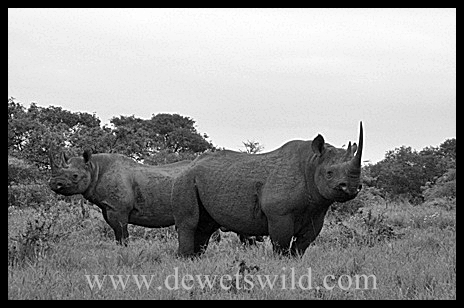
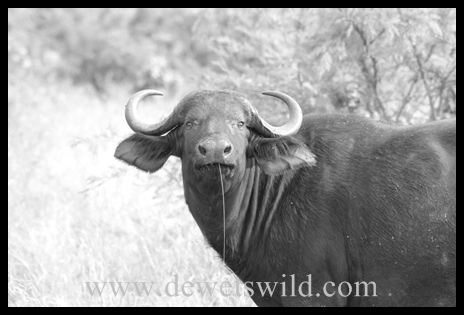
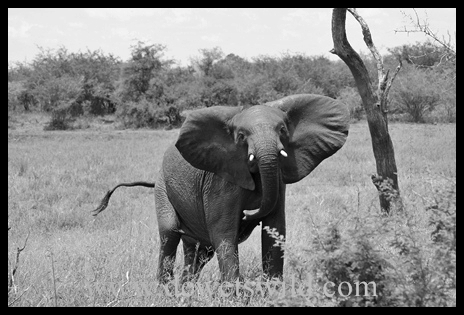
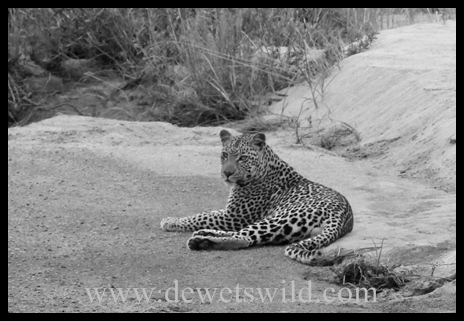
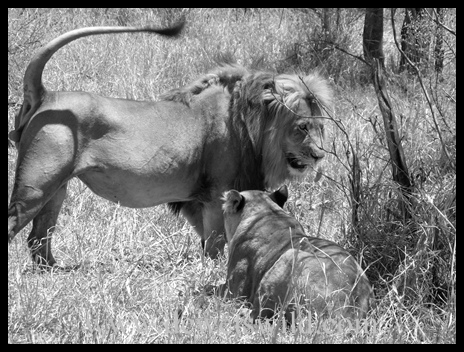
We’re participating in the online adventure travel and photography magazine LetsBeWild.com‘s Wild Weekly Photo Challenge for bloggers. This week’s challenge is “Black-and-White“
LOOK UP!
In South Africa’s wild places danger can lurk anywhere…

(you can click on the image for a clearer view)
We’re participating in the online adventure travel and photography magazine LetsBeWild.com‘s Wild Weekly Photo Challenge for bloggers. This week’s challenge is “Look Up!“
Our visit to the Kruger National Park in April 2012 delivered some of the most gorgeous sunrises we can recall:
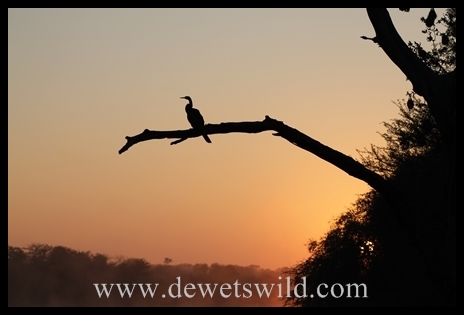
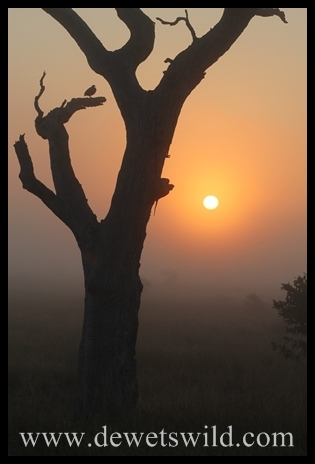
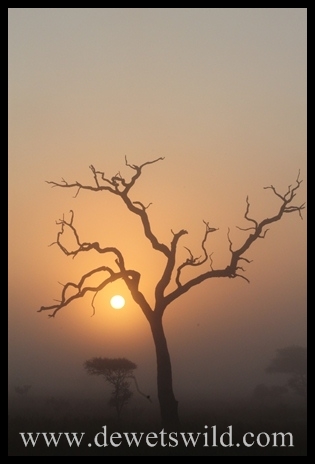
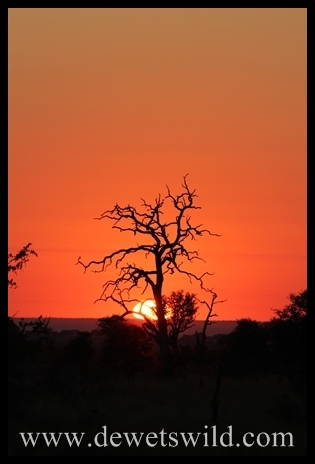
We’re participating in the online adventure travel and photography magazine LetsBeWild.com‘s Wild Weekly Photo Challenge for bloggers. This week’s challenge is Sunrise
There’s more than 14,000 elephants in the Kruger National Park, and of course they are a big drawcard for visitors to this game reserve, being charismatic animals and members of the famed “Big 5”.
For us too, encountering elephants is always a special treat: witnessing the interactions between different herd members or the playful antics of the calves, and there’s few things in nature as beautiful as the gait of a confident elephant bull, his massive head swaying from side to side, intent on ensuring anything and everything in his way clears out before he gets there.
The Kruger Park is known as one of the few remaining places on the African continent where you still have the chance to see elephants carrying impressive tusks, sometimes in excess of 2 or even 3 metres in length and weighing anything between 40 and 70kg. In the Letaba Rest Camp there’s a fascinating museum dedicated to the elephant, where visitors can also marvel at the tusks of some of Kruger’s most famous tuskers.
Over the years, we’ve been extremely fortunate to have encountered a handful of these living monuments while exploring the Kruger National Park, especially in the northern regions of the park in the vicinity of Shingwedzi, Letaba and Mopani Rest Camps. Traditionally, these remarkable giants are given distinctive names, either for the area they roam or in honour of Kruger staff members who have dedicated their lives to the protection of this special place.
Eventhough I was then only a child travelling to the Kruger Park with my parents, long before the advent of cheap (digital) photographic equipment, encounters with the magnificent Mandleve and Mabarule will live in my memory forever.
The photographs we’re sharing here are more recent. In January 2006, Marilize and I became two of the very small number of people to have had the honour of seeing Masbambela -we’ve already posted some pictures of him in a previous post (here)

Masbambela
Our sighting of Ngunyupezi in April 2007, when the whole de Wet clan went camping at Shingwedzi, was just as special – it was only the second officially recorded sighting of this enigmatic bull, whose left tusk characteristically grows almost straight down. At one point he charged at us, head held high and that straight tusk leading the way like the lance of a medieval knight! Ngunyupezi is still seen in the Shingwedzi area from time to time.

Ngunyupezi
Hlanganini was a well-known tusker, regularly seen around Letaba Rest Camp. This is also where we met him, in September 2007. Hlanganini died a couple of years ago, following a fight with another bull.

Hlanganini
During a visit in June 2011, my brother Niel and I came accross two of the new generation of Kruger Tuskers: Machachule, right at Shingwedzi’s back gate, and Masanana, near Letaba.

Machachule
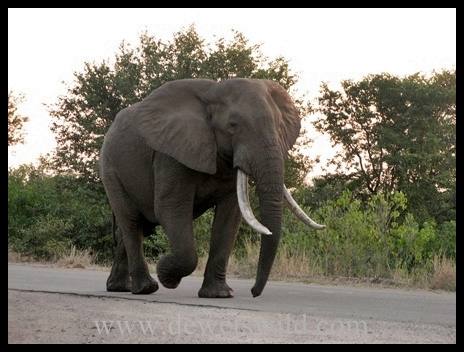
Masasana
We’ve already had five encounters with Masthulele, believed to be Kruger biggest tusker at the moment, over the years. This sighting was in April 2012 near Letaba, while visiting the Park with our friends the du Plessis’.
Edit: SANParks announced in September 2017 that Masthulele had died during 2016.

Masthulele
During our visit in September of 2012 we were lucky to see two more tuskers: Mandzemba welcomed us back to our beloved Shingwedzi, while Ngodzi bade us farewell us we departed from Mopani. These two tuskers haven’t been named “officially” by Kruger’s management (yet) and their names are, for now, derived from waterholes found in their home ranges.

Mandzemba
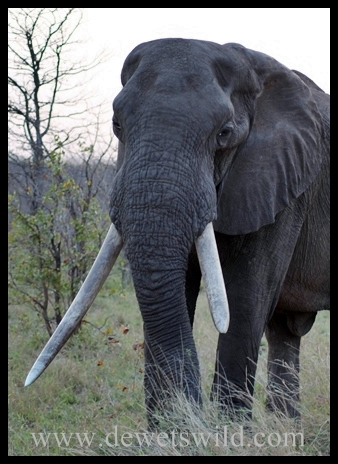
Ngodzi
Everytime we visit the Kruger Park, we hope for another special appearance by one of these majestic animals. It may be years before we are fortunate to have our path cross one of theirs again, but when it happens it will surely be another thrilling experience!
Blue wildebeest whispering sweet nothings?
(Picture taken near Satara in the Kruger National Park)

Have a look at other bloggers’ interpretation of this week’s theme “Love”.
Photos have been posted on the SANParks forum of the flooding that hit Shingwedzi Rest Camp in the Kruger National Park – click on the image below to see more.

Extensive flooding at Shingwedzi – published on the SANParks forum
Days of torrential rain in South Africa’s northern provinces have caused severe flooding in two of the country’s National Parks – Mapungubwe and Kruger. It appears that our beloved Shingwedzi Rest Camp has been hit exceptionally hard, with about 70 staff members and their families having to be airlifted to safety from there this morning, just hours after the guests staying in the camp were safely evacuated by road. We have seen the Shingwedzi area being flooded in January of 2006, though the camp itself was never inundated then, and can only imagine what these people had to endure overnight. We are immensely grateful for their safety.

Flooding in Kruger National Park – photograph published by SANParks on their facebook page (click on the image for more)
South African National Parks have posted the following media updates:
———————————————————————————————————————————————————————-
Update on the Mapungubwe floods
Date: 21st January 2013
The recent heavy rains experienced in most parts of the country have resulted in the sudden temporary closure of the Mapungubwe National Park and World Heritage (MNP& WH) site. The park is inaccessible from Musina, as roads leading to the area are washed away.
In the last week, most of the roads within the Park were temporarily closed but the subsequent rains that were received in the area over the last 72 hours, caused the park to be closed temporarily until further notice.
According to Divhani Maremba, spokesperson for the MNP&WH, “most clients who were in the Park at the time are currently safely kept at Leokwe camp. Some tourists who were booked in the park last night and today were asked to postpone their holidays. We appeal to all the people to be very cautious when approaching the area.”
“Although some people cannot be contacted through mobile phones because of network coverage, we are constantly monitoring the situation around the park to ensure that we keep everyone informed of developments. Our emergency personnel are also on site trying to prevent potential disaster,” said Maremba.
“More rain is expected over the next two days and we advise all the people with confirmed bookings in the immediate future to contact our reservations office about the status of their bookings as the Park will be temporarily closed until further notice,” she concluded.
More information will be provided in this regard on the SANParks website periodically and on all social media platforms belonging to the organisation.
Issued by:
SANParks
Media enquiries:
Divhani Maremba
Manager: Northern Regions Communications.
Tel: 012 426 5170; Cell: 082 941 9980
Email: divhani.maremba@sanparks.org
Or
Gabrielle “Gabby” Venter
Manager: Media and Stakeholder Relations.
Tel: (012) 426 5065; Cell: 083 825 9435
Email: gabrielle.venter@sanparks.org
Date: 21st January 2013
Members of the KNP Disaster Committee met early this morning to assess the impact of the heavy rain in the Kruger National Park (KNP).
Members briefed the committee on their initial inspections and assessments regarding roads, water and sewerage, vehicle fleets, electrical and mechanical as well Protection through the Operation Centre, that has been set up in the Park.
There have been no reports of any major incidents throughout the park except the ones listed below.
Tshokwane: The low-level bridge to staff and ranger houses were reported as over flowing, resulting in personnel being trapped at the picnic site and others at houses, but their lives are not threatened.
Olifants and Sweni trails: Eleven tourists who were trapped on these trails have been safely airlifted to Satara.
Tamboti: The camp is isolated with 8 guests and staff including the section ranger. The water levels are being constantly monitored and a rescue plan will be executed to airlift them to Satara.
Talamati, Biyamiti: The camps have been closed and guests moved to the safety of Satara and Berg-en-Dal.
Houtboschrand: Four patrol rangers and a SANDF unit are stuck in the area, they are in constant contact with the Section Ranger and will be assisted.
Muzanzene: Four guests and one staff member have been air-lifted to safety.
Shingwedzi: All guests were evacuated to Mopani last night. 70 staff members are currently being evacuated.
Roads
H1/1 link road between Skukuza and Pretoriuskop has been closed off due to the heavy current over the low level bridge.
Crocodile Bridge Gate is overflowing and as a result the camp has been isolated and no cars are allowed through.
Lucy Nhlapo: Regional Manager Marula: KNP has reiterated her appeal to all visitors to the Park to stick to the tarred roads as all gravel roads have been closed for safety reasons.
At this stage all is still in order at the Skukuza Rest Camp, the biggest in the Park, with the Nwatsishaka river level slowly rising but flowing steadily, however the low level bridge is currently closed as water is overflowing at high velocity, while the high level bridge is being constantly monitored.
Northern KNP:
The Northern part is still experiencing heavy downpours and the bush camps are still out of bounds. Visitors are still urged to drive only on tarred roads.
NB: All gravel roads in the park have been closed off for safety and motorists are requested to stay on tarred road.
“Generally our emergency plans are running accordingly and we’re constantly monitoring the developments, if anyone requires an update, our emergency 24hour hotline is available 013 735 4325. Please call to check on the conditions in the area you intend visiting” concluded Lucy Nhlapo.
Issued by:
SANParks
Media Enquiries:
Reynold “Rey” Thakhuli
GM: Media Liaison
Tel: 012 426 5170; Cell: 073 373 4999
Email: rey.thakhuli@sanparks.org
Ike Phaahla
SANParks Media Specialist
Tel: 013 735 4300; Cell: 0836736974
Email: isaac.phaahla@sanparks.org
Travel and Tourist Enquiries:
Emergency 24 hour hotline: 013 735 4325
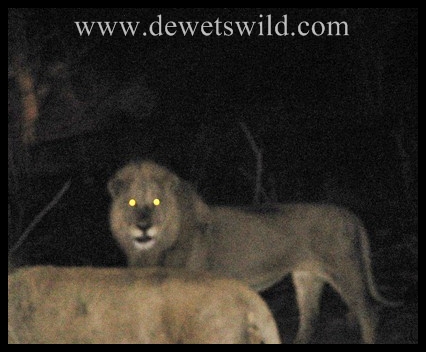
Lion caught in the spotlight, at Satara in the Kruger National Park
 DeWetsWild