Category Archives: Gauteng Province

Our experiences in the reserves of Gauteng, South Africa

A month of monochrome memories: Hunting Little Egret

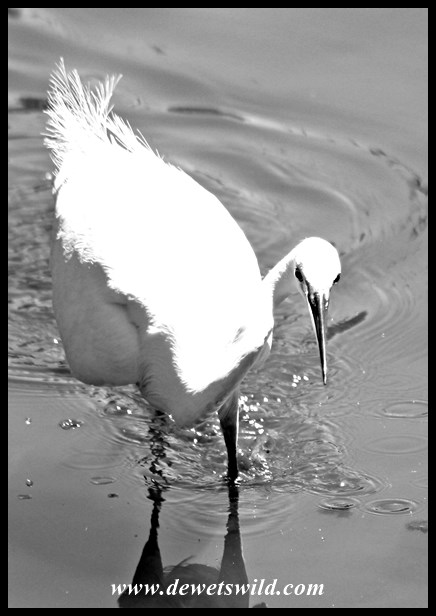
Austin Roberts Memorial Bird Sanctuary is a haven for several kinds of herons and egrets, going about their business rather unperturbed by the presence of human spectators. The hunting technique of the black heron we enjoyed close-up views of there was a special treat, and quite unlike the side-ways bobbing head movements employed by this hunting Little Egret in zoning in on its prey.

Austin Roberts 22112015 (2) Austin Roberts 22112015 (4)

Our end-of-year 2015 holidays were absolutely packed to the brim. Apart from our ten-day visit to the Kruger National Park (read more about our time at Lower Sabie, Olifants and Shingwedzi in December), we also made day trips to five other reserves, and will be sharing photos from those (except Suikerbosrand, which we introduced in a post all of its own) daily through the month of February, in a series we call “a month of monochrome memories”.

A month of monochrome memories: Metro Mahem

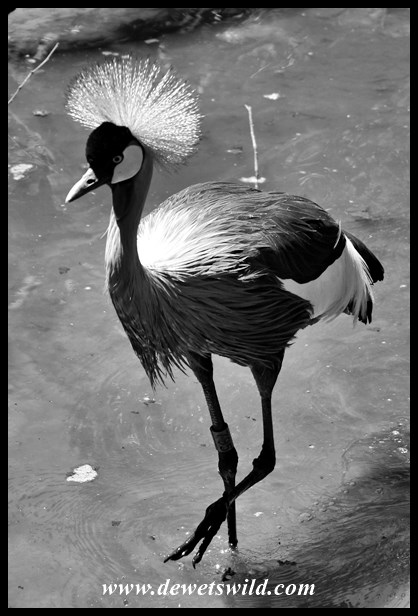
The tiny Austin Roberts Memorial Bird Sanctuary is one of the city of Pretoria’s gems, and the reserve’s flock of Grey Crowned Cranes (known as “mahem” in Afrikaans) must be among the most photographed of their species.

Austin Roberts 22112015 (1)

Our end-of-year 2015 holidays were absolutely packed to the brim. Apart from our ten-day visit to the Kruger National Park (read more about our time at Lower Sabie, Olifants and Shingwedzi in December), we also made day trips to five other reserves, and will be sharing photos from those (except Suikerbosrand, which we introduced in a post all of its own) daily through the month of February, in a series we call “a month of monochrome memories”.

Suikerbosrand Nature Reserve

Suikerbosrand Nature Reserve is one of the largest and most popular wild places in Gauteng, South Africa’s most urbanised province, providing vital environmental education and outdoor recreation to thousands of overworked city dwellers.

Suikerbosrand (5)

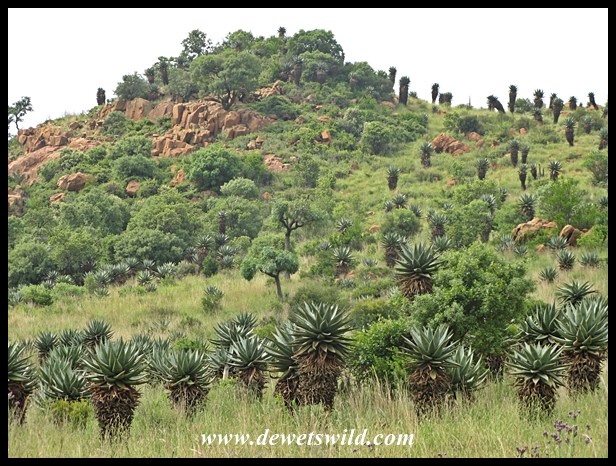
Proclaimed in 1974 and substantially enlarged in 2003, Suikerbosrand is managed by the Gauteng Department of Agriculture and Rural Development. Today it protects 220km² of scenic highveld grassland, rich in flowering plants and grasses, interspersed with areas of thorny bushveld, aloe forests, wooded gorges and marshland. The reserve is named after the Suikerbosrand range of hills (1,545 to 1,917m above sea level), which in turn is named for the Sugarbush (Protea caffra) that’s quite common in the area.

More than 250 bird species have been recorded at Suikerbosrand, and several species of non-threatening indigenous large game animals have been introduced. There is also an abundance of smaller mammals and reptiles, including a few venomous snakes, that find protection here.

Hiking is a big attraction at Suikerbosrand, with day trails ranging from the 800m long Toktokkie trail, accessible in wheelchairs, and the 4km long Cheetah Trail to the 10 or 17km Bokmakierie Trail, while overnight hikes that take up to 6 days to complete along a 66km network of trails, with basic huts to sleep in, can also be undertaken. The reserve is immensely popular with the cycling fraternity, especially so on weekends and holidays, and due care is required wherever vehicles and cyclists have to share the roads. The reserve has a network of approximately 60km good tar road that traverses most of the area’s habitats, allowing good game- and bird viewing. Two picnic areas cater to the needs of day visitors. At the time of our last visit (December 2015), the Kareekloof Resort, which used to offer options to overnight in the reserve in addition to the usual holiday resort amenities, was closed with no indication as to when, or if, it will reopen. Sadly, the same applied to the information centre at Diepkloof, the reserve headquarters.

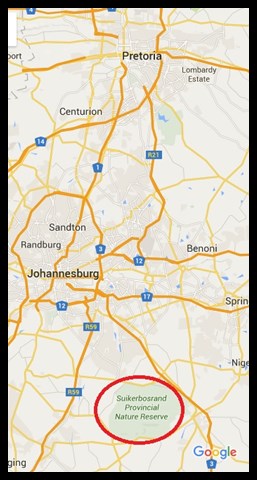
Suikerbosrand is easily accessible from the N3 highway, just north of the town of Heidelberg, south-east of sprawling Johannesburg.

Road to Suikerbosrand

Black Heron

Egretta ardesiaca

One of the most interesting birds you could hope to see in action in South Africa’s wild places, is the Black Heron. It’s a smallish species, about 55cm long and less than 350g in weight. Their black plumage and bright orange-yellow feet make them easily recognisable.

Black Heron (10)

Black Herons roost and breed communally in reedbeds or trees, near or over water, with others of their own species, and other kinds of egrets, herons, cormorants and ibises. Nests are platforms built of twigs at the start of the rainy season, on which clutches of 2 to 4 eggs are incubated.

Black Heron (9)

They search for food, alone or in flocks of varying sizes, in rivers, swamps, lakes and estuaries, and feed predominantly on fish.

Black Heron

Black Herons occur widely in Sub-Saharan Africa, excluding the equatorial forests, The IUCN considers the species’ population stable and in no immediate danger of extinction, though they are highly threatened in Madagascar.

Black Heron (8)

A recent visit to Austin Roberts Memorial Bird Sanctuary afforded us the opportunity to enjoy up-close views of the Black Heron’s characteristic hunting method, knows as “canopy feeding“. The bird uses its wings to create an umbrella around its head, and then picks off fish and tadpoles beneath. This behaviour may serve a dual purpose of preventing glare from the water, making it easier to see their prey, and tricking the prey into thinking that the shadow is a safe hiding place. They are also known to wiggle their toes underwater to attract their fishy prey.

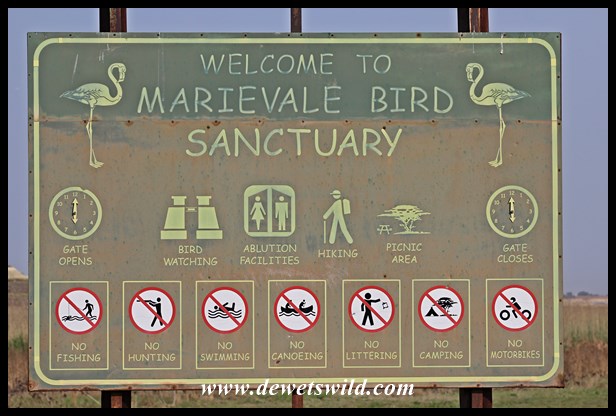
Marievale’s for the birds (and birdwatchers)!

This past Sunday, my brother introduced Joubert and me to the Marievale Bird Sanctuary, a popular destination for birdwatchers and photographers in Gauteng’s Far East Rand.

Marievale 11Oct2015 (16)

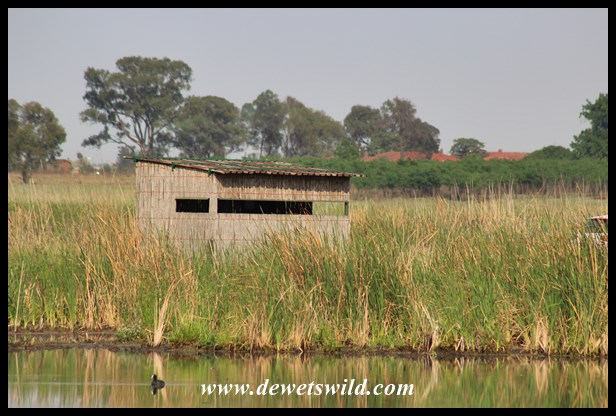
Marievale protects 1012 hectares of the much larger Blesbokspruit RAMSAR wetland, surrounded by mine dumps and other development. Facilities include two 4-bed chalets overlooking the wetland for overnight visitors, a conference centre, picnic sites, walking trails and several photographic hides. The roads in the reserve are rough gravel, for the most part easily traversed in a normal sedan.

Marievale 11Oct2015 (13)

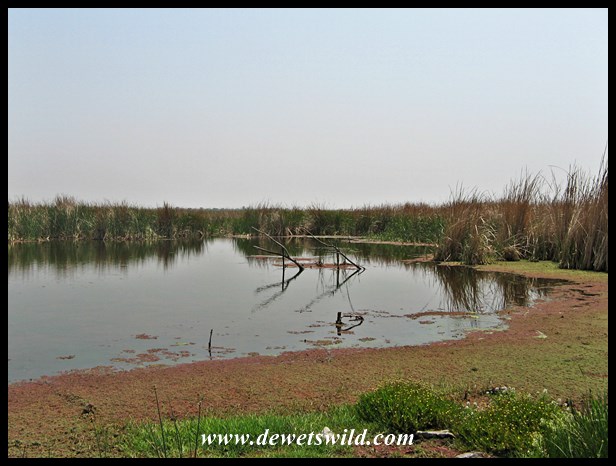
The reserve’s vegetation comprises extensive stands of reedbeds (about 70% of its surface area) and flooded grasslands, interspersed with areas of open water and, during drier periods, mud flats frequented by impressive concentrations of wading birds. The area can hardly be described as pristine however, as the wetland itself owes its existence to the altered flow of the river caused by mining, railways and roadworks, inundating what would otherwise have been grasslands. Pollution from the mines and industries surrounding it, and upstream, is now threatening Marievale’s man-made wetlands.

Marievale 11Oct2015 (35)

Nevertheless, the list of bird species recorded at Marievale has around 280 entries; during the extremely enjoyable six hours we spent in the reserve on Sunday we managed to tick 70 of those. Many of the birds are quite accustomed to the steady flow of human visitors and offer excellent photographic opportunities from the hides or while walking and driving around.

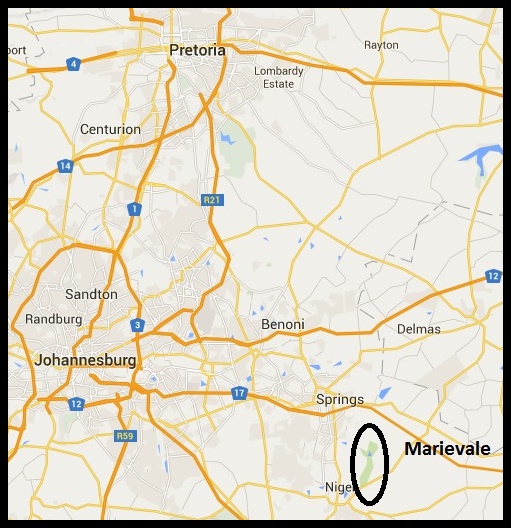
Marievale Bird Sanctuary is controlled by the Gauteng Province’s Department of Agriculture and Rural Development and is easily accessed from the R42 to Delmas, just 4km outside the town of Nigel (map drawn with Google Maps).

Marievale location


A Lazy Sunday At Rietvlei

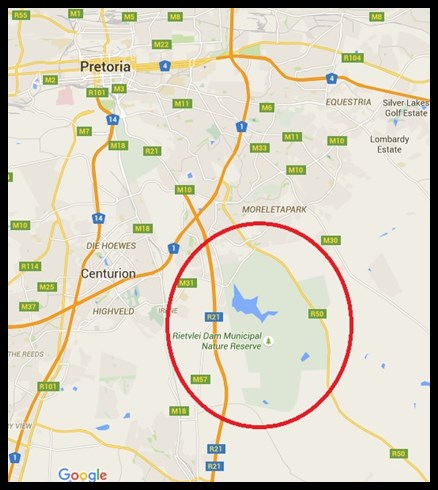
Rietvlei Nature Reserve is the largest of the natural areas within the Pretoria city limits, protecting 3800 hectares of endangered bankenveld grasslands and reedbeds around the Rietvlei Dam. Rietvlei offers sanctuary to an astounding variety of indigenous game and birdlife just minutes away from our home, and was the perfect destination for a picnic with a good friend on the last Sunday of August. The gallery that follows comprises some photos we took on the day, and is a perfect introduction to what this special reserve has to offer – in the few hours we spent there we ticked 13 kinds of mammals (including plains zebra, eland, waterbuck, reedbuck, buffalo and white rhino) and 53 different birdspecies.

The Rietvlei Nature Reserve, on the southern outskirts of Pretoria, is owned and managed by the City of Tshwane Metropolitan Municipality and is very popular, especially over weekends and on public holidays. The reserve offers chalet accommodation and camping, self-drive game- and birdviewing , photographic hides, picnic sites, a coffee shop, lion camp (guided tours only), guided night drives, fishing, sailing, rowing, hiking, mountain biking and horse trails.

Rietvlei location

Rietvlei lies roughly 19km south of the Pretoria City Centre (drawn with Google Maps)


The month of love is drawing to a close…

We encountered these two love-struck plains zebras this past weekend while walking in our local Moreletakloof Nature Reserve. What a contrast to the fighting, kicking and biting zebras from Ithala Game Reserve we showed you a couple of weeks ago!

5

This is our final entry for the 5 Day Black-and-White Challenge, and it gives us great pleasure to invite our dear friends, Joey and Marks Culver, to join in the challenge. They are experts at black-and-white photography, and showcase their talents on their blog, mjculverphotography, which you really should visit if you’re at all interested to see exactly how black-and-white should be done! Marks & Joey, it’s no problem if you decide not to join in, as long as you know how much we enjoy your blog and appreciate your friendship!

There are only two rules for this challenge:

1. On 5 consecutive days, create a post using either a past or recent photo in B&W.

2. Each day invite another blog friend to join in the fun.

A garden where the eagles soar

Jumping up from a picnic, while celebrating a special friends birthday, to take pictures of large eagles flying over a major metropolis is not a familiar scenario for the de Wets. And yet that seems to be par for the course at the Walter Sisulu National Botanical Gardens!

Opened to the public in 1987 as the Witwatersrand National Botanical Garden on land donated five years earlier by the town councils in Johannesburg’s western suburbs, the gardens were renamed after the ANC leader Walter Sisulu in 2004. The focal point of the garden is undoubtedly the Witpoortjie Waterfall, the source of the Crocodile River which flows through much of the garden. Apart from beautifully tended and themed plant displays, the grounds include large tracts of natural vegetation and ample lawns under shady trees, very popular for picnics. Several pathways and tracks provide access to various parts of the gardens, and the most challenging of these lead to the top of the cliff above the waterfall, a favourite spot for many photographers hoping for a special shot of the eagles soaring past.

The gardens are open daily from 08:00 to 17:00 and facilities include a restaurant, kiosk, several function venues, a concert stage, an environmental education centre, a curio shop and a nursery selling indigenous garden plants. Guided tours of the gardens can be arranged in advance. We like the garden’s policy of “picnic in, litter out” encouraging visitors to take all their garbage with them when they leave.

The gardens are a haven for a multitude of birds and small animals, many of which are quite tame and obviously used to the human presence.

It’s been more than thirty years since a pair of Verreaux’s Eagles (formerly known as Black Eagles) first took up residence at a nesting site next to the Witpoortjie Waterfall. The current pair had successfully raised a chick to sub-adulthood and at the time of our visit was just starting to let the youngster know that it has to start looking for lodgings of its own. This made for spectacular flying displays over the gardens and against the backdrop of the Roodekrans cliffs.

On the other side of the garden, a dam with a bird-viewing hide at its edge was just one more delightful feature to add to our reasons to return to the gardens (soon!). Here we found an extremely irritable Egyptian Goose laying claim to the body of water and intent on ridding it of anything else that seemed remotely like waterfowl! It probably had a nest or goslings hidden somewhere near.

This was our first visit to these beautiful gardens, and we were wonderfully surprised and delighted by what we found. We spent the entire day at the garden, from when the gates opened until they closed, and yet feel like we haven’t seen most of it. Couple that with a jolly time spent with good friends, we’re sure it won’t be long before we return.


—————————————————–

Please vote for de Wets Wild in the 2014 SA Blog Awards

If you enjoy de Wets Wild as much as we enjoy sharing our love for South Africa’s wild places with you, please vote for us in the 2014 SA Blog Awards by clicking on this badge. We’ve entered both the Travel and Environment categories, and you may vote for us in both.

Thank you for your support!

SA Blog Awards Badge

Perspective

The King in regal repose somewhere in the wilds of Africa?

Perspective1

Well, the King yes. But the setting is the very natural-looking lion enclosure at the National Zoological Gardens in Pretoria, South Africa.

Perspective2

Perspective” is WordPress’ Weekly Photo Challenge theme

Moreletakloof, 2 February 2014

There’s always something beautiful and interesting to enjoy in the Moreletakloof, our “local” nature reserve!