22 – 24 December 2020
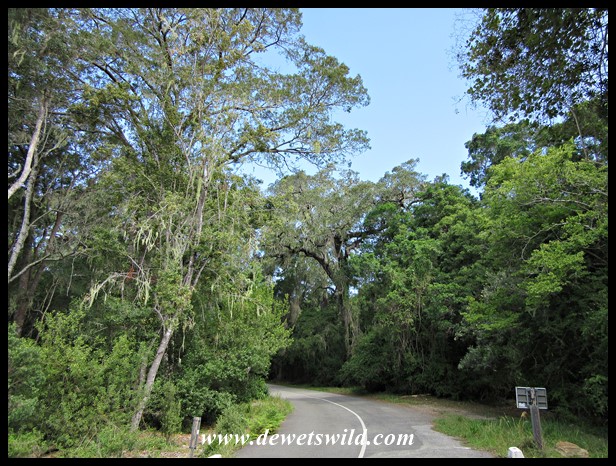
Located at the mouth of the Groot River, the small holiday town of Nature’s Valley is surrounded by the western reaches of the Tsitsikamma section of the Garden Route National Park. The town is connected to the N2 national highway by the Groot River Pass which makes for a magnificent drive as one descends through the forest canopy to the town below.
South African National Parks manages the De Vasselot Rest Camp, which offers two fully-equipped chalets, ten rustic forest huts and a camping area on the outskirts of town. Private holiday homes are available to hire in town where there’s also a small general store and restaurant. Several hiking trails traverse the forests and beaches around Nature’s Valley, and canoes can be hired to explore the river and lagoon.
We spent two nights at the De Vasselot Rest Camp at Nature’s Valley during our 2020-21 Summertide Ramble, arriving in the early afternoon on the 22nd and departing again late morning on the 24th of December 2020. Our chalet on the bank of the Groot River had a lovely setting from which we could wonder at the beauty of Nature’s Valley.

Chalet 12 at Nature’s Valley Rest Camp

The view from chalet 12 at Nature’s Valley Rest Camp

A view downstream from the island in front of Chalet 12

Forest Buzzard circling over the Groot River

Pied Kingfisher

Collared Sunbird

Knysna Turaco visiting us at our chalet in Nature’s Valley (photo by Joubert)

Tsitsikamma forest at Nature’s Valley

Yellow-billed Duck

African Dusky Flycatcher

Young Fish Eagle overhead

Bushbuck ewe
When the sun was out we enjoyed the most beautiful sunrises and sunsets from our stoep. When it was raining, the sound of the drops hitting the river and the quacking of the raucous toad beneath the deck combined to make a soothing lullaby, lulling me to sleep right there on the veranda.

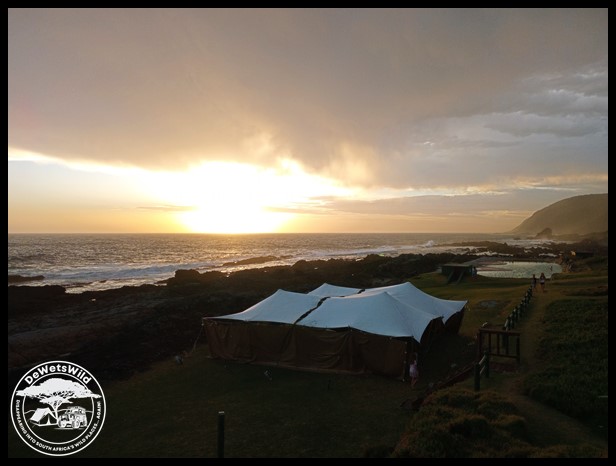
Sunset at Nature’s Valley

It’s raining! It’s pouring! It’s Dries that you hear snoring…

The “golden hour” at Nature’s Valley

The “golden hour” at Nature’s Valley
We didn’t see the sun very often during our time at Nature’s Valley and couldn’t explore as widely as we wanted to due both to the very rainy weather and government restrictions imposed to clamp down on South Africa’s “second wave” of COVID-19 infections, and we’ll definitely have to return to remedy that. Still, there were many trails that we did explore in between (and sometimes during) the rain showers, and even walking in the camp and town proved very rewarding.

The Groot River Pass is a beautiful drive through the forest at Nature’s Valley

Driving through the forest at Nature’s Valley

Ode to a tree

Outeniqua Yellowwoods (Podocarpus falcatus) towering over the road near Nature’s Valley

Majestic Outeniqua Yellowwood (Podocarpus falcatus)

Groot River and the Tsitsikamma

The Groot River at Nature’s Valley

Groot River

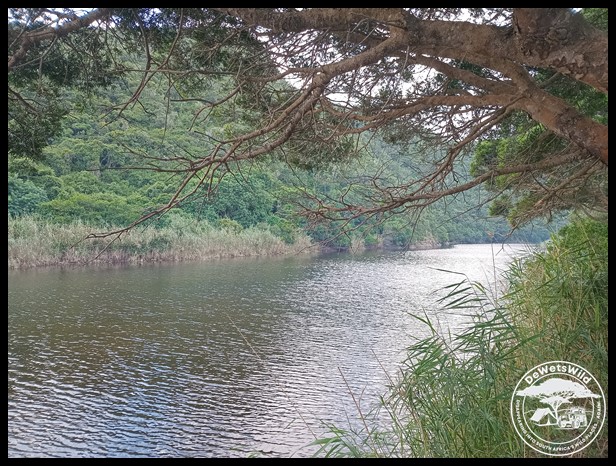
Groot River at De Vasselot Rest Camp

A side-loop of the Groot River

A side-loop of the Groot River

A side loop of the Groot River

Groot River at De Vasselot Rest Camp

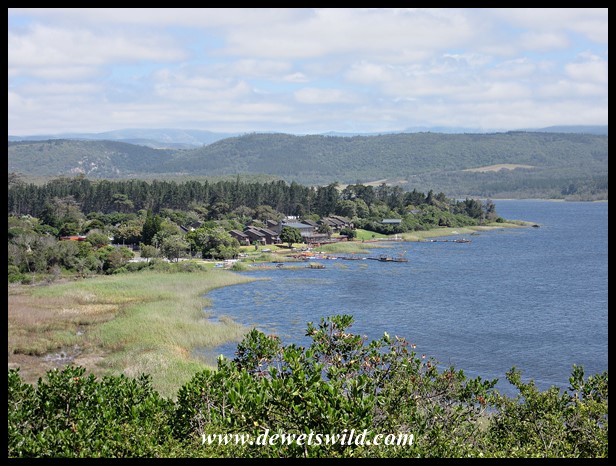
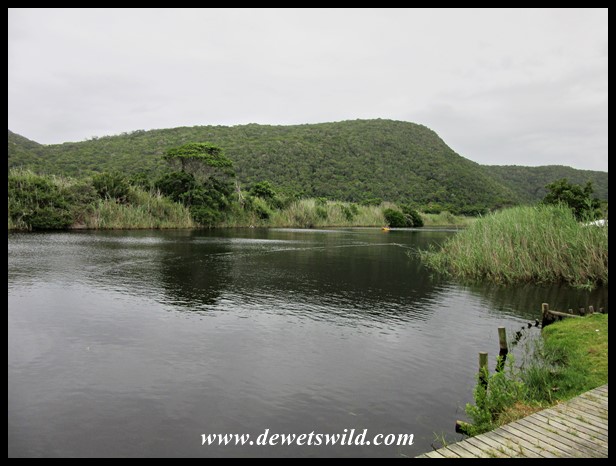
Groot River estuary at Nature’s Valley

Groot River near its mouth, with the forested foothills of the Tsitsikamma range in the background

Groot River near its mouth, with the forested foothills of the Tsitsikamma range in the background

The deserted beach at Nature’s Valley

The deserted beach at Nature’s Valley

Vygies

Vygies

Cape Chestnut

I’m still trying to identify the tree bearing these fruit

I’m still trying to identify the tree bearing these fruit

Not sure about the identity of these flowers either

Pincushion

Not sure about the identity of these flowers either

Not sure about the identity of these flowers either

Not sure about the identity of this plant either

Leprous Grasshopper

Old Man’s Beard lichens abound in the forest at Nature’s Valley

Bushbuck ewe

Cape Brown butterfly

Black-headed Oriole

Cape White-eye

Levaillant’s Cisticola
One of our hikes took us on a forest trail in the early morning, and we were hoping to reach a cliff-top vantage point overlooking the Indian Ocean. But we got lost in the forest. Thankfully we could trace our steps back after realising that we lost our way. And we could swing on monkey vines (yes, strong enough to hold even me!). And we got soaking wet after it started raining. And yet there was so much life to marvel at that the hike really was still more than worth the effort. The fact that we really do want to go see that viewpoint is just another reason why we have to return to Nature’s Valley!

About to cross the Groot River at Nature’s Valley

Curious baby Baboon

Young Baboon

Pill-millipede

Hiking at Nature’s Valley

Hiking at Nature’s Valley

Hiking through the forest at Nature’s Valley

Impenetrable forest vegetation at Nature’s Valley

Common Bush Brown

Common Bush Brown

The damp of the forest provides ideal conditions for fungi to thrive

The damp of the forest provides ideal conditions for fungi to thrive

Well camouflaged Raucous Toad

A jeep track through the forest

Groot River from a spot along our hike

Old Man’s Beard hanging over a serene pool in the Groot River
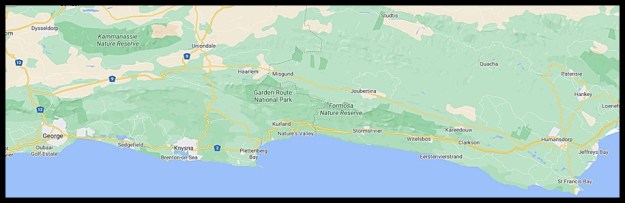
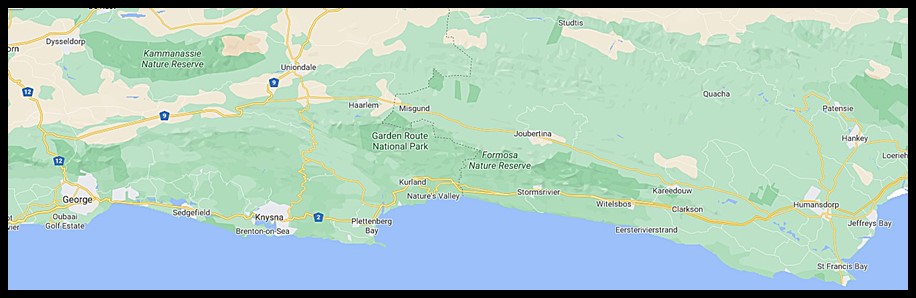
Nature’s Valley location (Google Maps) Click on the map for an enlarged view.
-33.970681
23.562209



















 DeWetsWild