Author Archives: DeWetsWild

Unknown's avatar

About DeWetsWild

Nature and wildlife enthusiast and tour guide, based in Pretoria, South Africa.

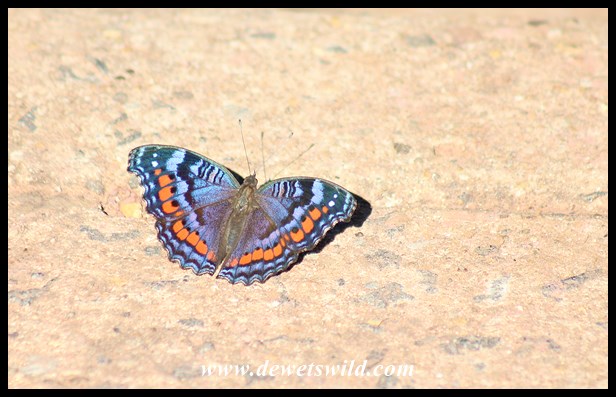
Gaudy Commodore

Precis octavia

The strikingly beautiful Gaudy Commodore inhabits rocky grasslands, savannas and gardens and in South Africa can be found from the Eastern Cape northwards to the Lowveld and Limpopo Valley. North of our borders they occur in similar habitats throughout sub-Saharan Africa. They are restless and fast fliers, often hiding in the shade along stream banks and earthen walls in winter though commonly encountered in the open on hilltops during warmer weather. Eggs are laid singly and the larvae is sustained by a wide range of food plants. Adult Gaudy Commodores have a wingspan of 5 – 6.5cm and can be seen throughout the year.

Mountain folk

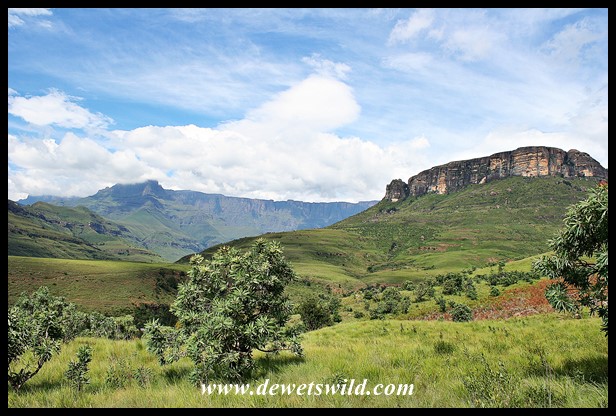
There’s so much more animal life occurring in the mountainous habitats of the Royal Natal National Park than the butterflies we’ve already shown you, many of them wonderfully adapted to the harsh environmental extremes at these altitudes.


Feeling small in the Drakensberg

This mountain, the arched back of the earth risen before us, it made me feel humble, like a beggar, just lucky to be here at all, even briefly.” (Bridget Asher)

Do the mountains have the same profound impact on you as it does for us?

These mountains, which have seen untold sunrises, long to thunder praise but stand reverent, silent so that man’s weak praise should be given God’s attention.” (Donald Miller)


A bouquet from the ‘Berg

The mountainous grasslands and forested riverbanks around Mahai in the Royal Natal National Park are adorned by the most beautiful, though hardy, plants – a treat to even the most amateurish of botanists like me; so if you can help with identifying most of these beauties I’d be forever in your debt (I know at least that mushrooms aren’t plants, strictly speaking…)


The hills are alive… with butterflies!

I know this is a post that will be very pleasing to several of our regular followers!

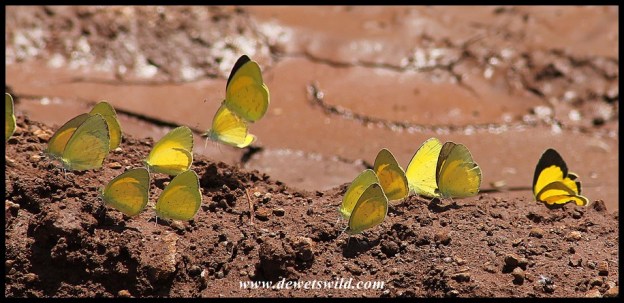
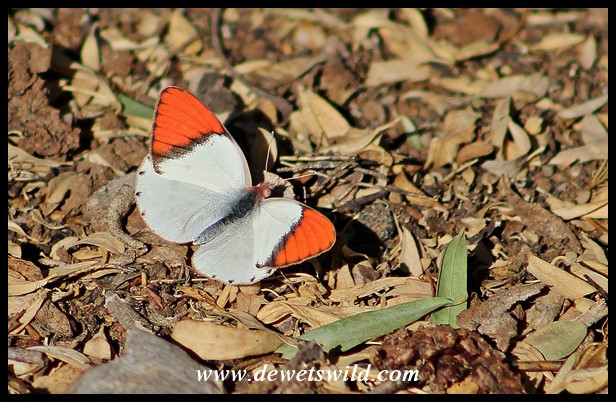
With bright sunshine and warm autumn weather in the Drakensberg the butterflies come out to play in their numbers, and we go chasing them with camera in hand. These little beauties were all fluttering around Mahai in the Royal Natal National Park on Monday.

Picturesque Camping at Mahai

Mahai is the larger of the two camping areas at Royal Natal National Park, and there aren’t very many camping sites that can compete with it for scenic beauty!

Isolation, the way we like it…

With South Africa preparing for a nationwide “lock-down” of a minimum three week duration in the face of the global pandemic, we’ve returned from the Drakensberg grateful for having had a chance to recharge our batteries in beautiful natural surroundings. We’ll be sharing many more photos from our latest trip in days to come and hope that they’ll bring you as much joy as the memories will for us in these trying times.

God bless you and keep you.

Fresh air and fresh water at Royal Natal

With a massive storm looming over the Drakensberg this evening we can look back on another fun-filled day in the great outdoors at Royal Natal.

Reflections at Mahai

The Cascades in the Mahai stream

We fled to the Mountains

Well, not really – our bookings were made long before the current health crisis and we opted not to cancel, figuring that it is nice to know that for a while at least we can breathe the fresh mountain air of the Royal Natal National Park again. So here we are.

Rainbow Skink

Trachylepis margaritifera

The Rainbow Skink, or Five-lined Skink, is an active lizard occurring in rocky terrain in savanna habitats from Kwazulu-Natal, through the Lowveld and Limpopo Valley to as far north as Kenya. They feed primarily on insects and other invertebrates. Males are territorial. Females lay one, perhaps two, clutches of 6-10 eggs in summer, with the baby skinks emerging around two months later. Females, adolescents and immature males exhibit the distinct lines and brilliant blue tails associated with this species, while the adult males have an olive base-colouration speckled with tiny white spots. Adults may grow to 20cm in length, including the tail. The IUCN lists the Rainbow Skink as being of least concern.