Monthly Archives: May 2015

On the way

The scenic route through the Kgaswane Mountain Reserve, which we visited last weekend. If you’d like to learn more about Kgaswane, have a look at the blogpost we dedicated to this special piece of South Africa yesterday.

The scenic route

The scenic route

On the way” is the latest theme for the WordPress Photo Challenge

Kgaswane Mountain Reserve

It is hard to imagine a more peaceful mountain retreat than Kgaswane, especially so close to the maddening cities of Johannesburg and Pretoria.

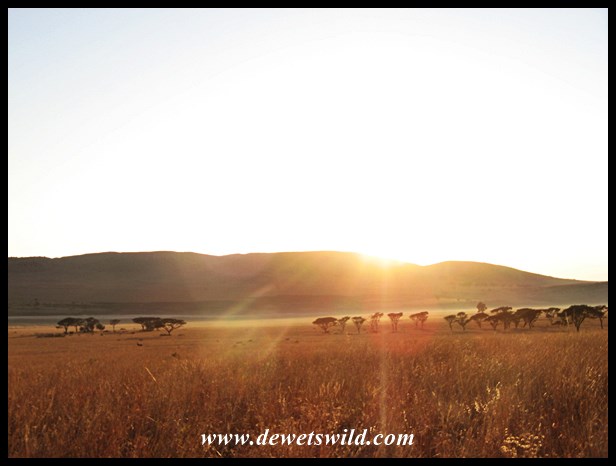
Kgaswane sunrise, taken by Joubert!

Kgaswane sunrise, taken by Joubert!

Located in the western Magaliesberg mountain range, the Kgaswane Mountain Reserve forms an integral part of the Magaliesberg Protected Environment, an inspiring collaboration between private and state land owners and agencies to protect this beautiful ecosystem from exploitation. Proclaimed in 1967 as the Rustenburg Nature Reserve, incorporating the farm Rietvallei that once belonged to Paul Kruger (legendary president of the Zuid-Afrikaansche Republiek), Kgaswane today covers an area of 5,300 hectares and is managed by the North West Parks and Tourism Board.

Kgaswane

The reserve is a popular hiking destination, with two overnight hikes; the Summit Route of 25km and the Baviaanskrans Route of 20km, each trail with two overnight hutted camps accommodating twelve hikers at a time. For day visitors, the 5km Peglerae Trail and 2km Vlei Ramble (which incorporates a bird-viewing hut overlooking the marshlands below the main visitor centre) is an excellent introduction to Kgaswane’s varied topography and habitats, with wonderfully shaded picnic sites available at the visitor centre. While the road network may be limited, it is tarred and in good condition, allowing for easy game and bird-viewing from vehicles and mountain bikes. There’s three spectacular viewing points along the way into the mountains from the entrance gate. Joubert and I spent a night on one of the twenty-two spacious camping sites and found the ablution facilities well maintained and entirely adequate (just remember to bring your own bath and sink plugs). There are no powerpoints at the camping sites but each site has a braai (barbeque) stand and picnic table and there’s a communal freezer available in the scullery. Best of all, there’s little to no cellphone reception in the camping area so no telemarketers can interfere with your rest and relaxation! Accommodation is also available in a self-catering cottage and two rondavels that sleep a combined 14 people and a group camp that can house up to 50 people in dormitory-style.

The Magaliesberg dominates the scenery at Kgaswane with rocky ridges, stacked boulders and deep ravines. The vlei (marsh) on the plateau is the largest in the Magaliesberg, and an important catchment area.

The reserve hosts good, though skittish, populations of a variety of game animals; we encountered black-backed jackal, baboon, warthog, eland, red hartebeest, plains zebra, oribi, reedbuck, blesbok, impala, kudu and waterbuck. The reserve’s birdlife is even more diverse, with 320 species recorded, including a breeding colony of endangered Cape vultures. Kgaswane’s most prized residents are the herds of the magnificent and rare sable antelope. It was here in the Magaliesberg that these regal animals first came to the attention of the scientific community, thanks to explorer Major Sir William Cornwallis Harris, in the 1830’s. But unlike Harris, we were not lucky enough to find the sable on our first visit to Kgaswane. And that’s just one of the excuses we’ll use to visit again, soon…

Kgaswane Mountain Reserve lies on the outskirts of the city of Rustenburg, in the North West Province, an easy 3km from the R24 offramp on the N4 highway and 134km from our home in Pretoria.

Pretoria to Kgaswane <br />  (map drawn with Google Maps)

Pretoria to Kgaswane
(map drawn with Google Maps)

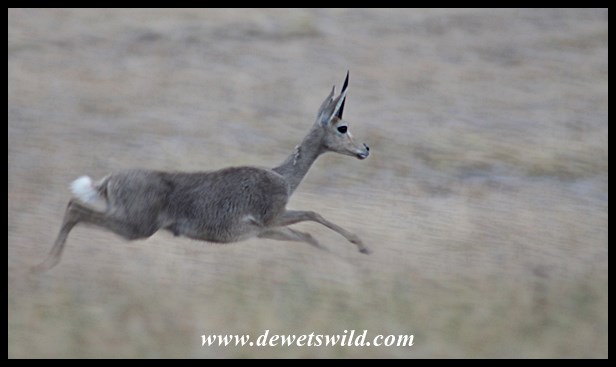
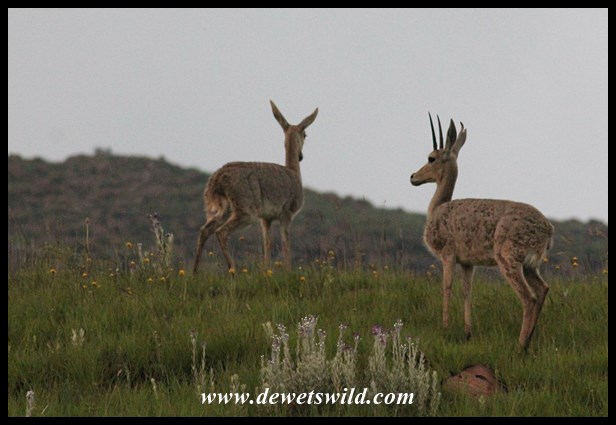
Grey Rhebok

Pelea capreolus

The Grey Rhebok is an antelope almost endemic to South Africa, with only two small populations outside our borders, in Lesotho and Swaziland.

Grey rhebok (3)

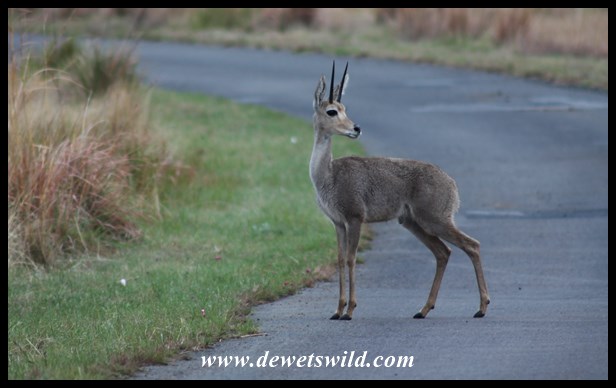
Often confused with the mountain reedbuck, with which it shares its mountainous habitat, the grey rhebok differs in having a duller coat and overall more slender appearance. The horns of the rams are straight, not curved as in those of the mountain reedbuck. Grey rhebok stand up to 80cm high at the shoulder and weigh on average around 20kg.

Grey rhebok are mixed feeders, taking both grass and browse depending on the season. Unlike mountain reedbuck they are not dependant on drinking water. Rams are territorial and surprisingly aggressive, being known to have killed rival males and even sheep, goats, mountain reedbuck and dogs traversing their areas. Small herds consisting of females and their young often remain within the territory of the same ram for considerable periods of time. Most lambs are born in the wet, warm, summer months. Grey rhebok are extremely fleet-footed and agile and yet they do fall prey to predators ranging from eagles and jackals to leopards. Their life expectancy is only 8 to 10 years.

The IUCN considers the grey rhebok to be safe, with a population of between 10,000 and 18,000 in Southern Africa, with up to 3,000 occurring in the uKhahlamba Drakensberg Park alone. We’ve also seen them at Karoo and Mountain Zebra National Parks, but we’ve had our best sightings at Golden Gate Highlands National Park.

Grey rhebok (4)

Broken

Joubert and I have just finished unpacking the car, after returning from a weekend camping at Kgaswane Mountain Reserve, at Rustenburg in the North West Province. Set high in the Magaliesberg range, the reserve abounds in magnificent scenery and interesting formations like this stack of boulders that looks almost like a toppled fortress. Of course, we’ll tell you all about Kgaswane in an upcoming blogpost.

Broken

Broken” is the theme for this week’s WordPress Photo Challenge.

Story of my life

This morning, JacarandaFM – one of South Africa’s biggest radio stations – aired a humorous sketch based on one of our most hair-raising wildlife encounters and the events that followed in their breakfast show’s weekly “Story of my life” segment.

Unfortunately for most of our friends here at de Wets Wild the story is mostly in Afrikaans, our home language, but perhaps you’ll be able to catch the gist of it, which involves a swear word slipping out in an unguarded moment and being stored away in a little boy’s memory bank for later use…

Click here to listen to the piece.

Vir al ons Afrikaanse vriende, julle sal verstaan dat die “kru taal” juis is wat die storietjie so snaaks maak!

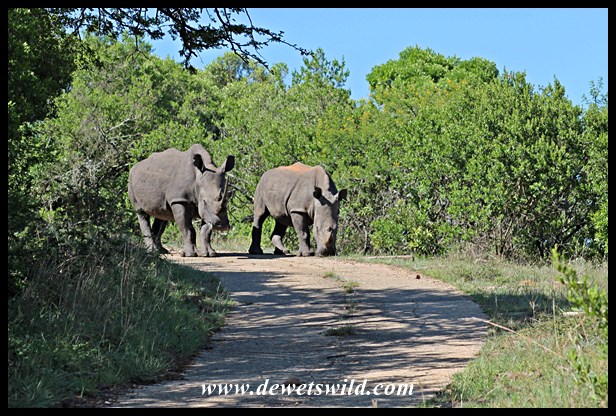
The rhinos that caused the swearing at Ithala Game Reserve...

Two of the three rhinos that caused the swearing at Ithala Game Reserve…


Mountain Reedbuck

Redunca fulvorufula

South Africa’s mountainous areas is home to the Mountain Reedbuck, a grazing antelope uniquely adapted to the highlands, mountains, hills and rocky ridges, where they prefer open vegetation.

Though they closely resemble the related southern reedbuck, they’re much more lightly built, weighing approximately 30kg and standing about 75cm at the shoulder. Only the males carry the short, forwardly curved horns.

Mountain reedbuck are more social than their close cousins, occurring in herds of up to 40, but more usually up to 16 individuals, consisting mostly of ewes and their lambs accompanied by a mature, territorial male. They’re active during the cooler daylight hours and throughout the night, which is when they’re normally heading into the lower-lying areas to drink, returning to their rugged abodes before first light. Most lambs are born in the summer rainy season and remain hidden for up to three months, with the ewe returning to it regularly to suckle, before joining their mothers in the herd. Their life expectancy is not much more than 14 years, with most of Africa’s larger predators including them in their diet and jackals especially taking a heavy toll on lambs.

The mountain reedbuck is safely protected in several South African reserves and the IUCN estimates their population at 33,000 at least. We’ve encountered them in the uKhahlamba Drakensberg Park, at Golden Gate, Loskop Dam, Marakele, Pilanesberg and Rietvlei Nature Reserve, but in our experience Ithala Game Reserve and Willem Pretorius Game Reserve offers the best chances to have close-up sightings of this agile antelope.

Enveloped

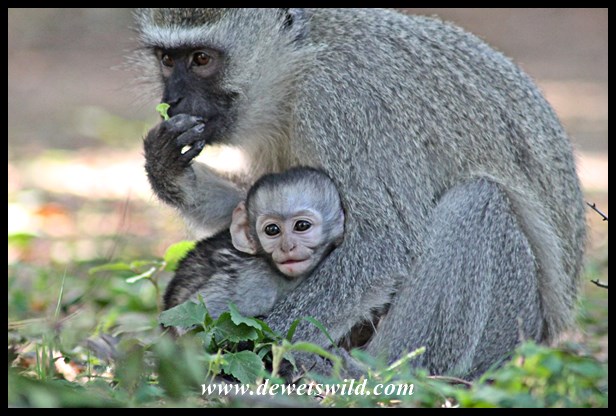
A tiny vervet monkey feeling secure in his mother’s embrace, at Skukuza in the Kruger National Park.

Enveloped

Enveloped” is this week’s WordPress Photo Challenge theme

Kamberg Nature Reserve

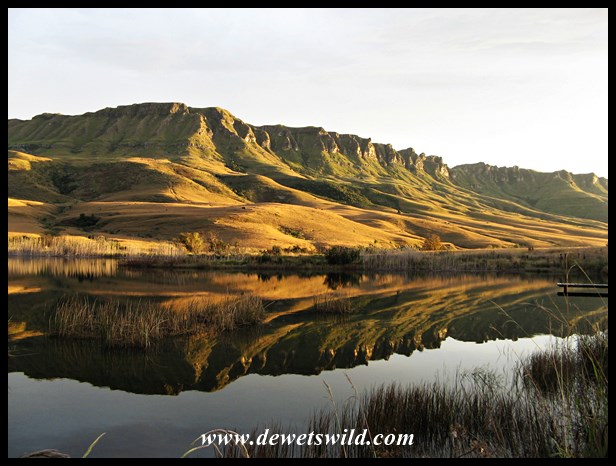
Talk about South Africa’s most scenic natural attractions, and the Drakensberg mountain range is sure to feature in the conversation. The Kamberg is a distinctive mountain, reminiscent of a comb (“kam” in Afrikaans, “berg” meaning mountain), in the foothills of the Drakensberg. The Kamberg Nature Reserve was originally proclaimed in 1951, covering only 2,232 hectares. Today it forms an integral part of the uKhahlamba Drakensberg Park‘s expansive 243,000 hectares of protected mountain paradise, recognised by UNESCO as a World Heritage Site of natural and cultural significance. Grasslands predominate, though forested sections exist in the sheltered valleys and extensive reedbeds and wetlands can be found along the Mooi (“pretty”) River, which forms a focal point for the reserve.

Whatever your energy levels, there’s ample opportunities to enjoy the refreshing mountain air at Kamberg. The reserve is well known in fly-fishing circles, with the Mooi River and two dams stocked with (admittedly exotic) trout. There’s three small, but well maintained, picnic sites – one in a copse of trees at the gate, one on the banks of Eland Dam, and one next to the river. Of course there are several trails leading down into the valleys and up into the mountains that may be explored on foot or mountain bike. And there’s a jungle gym and swings to keep the younger generation entertained within shouting distance of the chalets up at the camp.

The tiny camp at Kamberg, managed by Ezemvelo KZN Wildlife, is heaven-on-earth to any weary city dweller searching for peace and quiet, as there’s only 5 two-bedded chalets and one six-sleeper cottage at the camp. Eight kilometers from the main resort, the rustic and isolated Stillerust (Afrikaans for “quiet rest”) Farm House provides accommodation for ten guests. There’s a very limited selection of cooldrinks and sweets on sale at reception, and guests should bring along all their own provisions, firewood included. Just behind the camp, at the reception office, is the Kamberg San Rock Art Interpretive Centre where educational films on the San rock art of the Drakensberg are shown and from where the guided walks to the Game Pass Shelter departs. It’s a three-hour round trip to the internationally renowned cave, where high quality San paintings that were instrumental in deciphering the meaning behind the images left by these hunter-gatherers on rock faces across Southern Africa, can be appreciated. Unfortunately the prevailing weather conditions kept us from visiting the cave on this trip, but that’s reason enough in itself to return soon! For guests staying longer, Kamberg is also an ideal base from which to explore other destinations in the Drakensberg, such as nearby Giant’s Castle, and Midlands attractions like Midmar Dam, Karkloof Conservancy, Umgeni Valley Nature Reserve and Queen Elizabeth Park.

During our visit, the local wildlife mostly remained well hidden in the long, flowing grasslands through the day, except for a water mongoose that flashed across the trail next to Erskine Dam, a troop of baboons that sauntered through the camp one afternoon and a distant herd of black wildebeest we saw on the plains near Stillerust. At night however literally dozens of antelope; reedbuck, grey rhebuck and grey duiker, and hares and rabbits would come out to graze on the lawns between the chalets at the camp.

The Drakensberg is home to an amazingly diverse birdlife, with several rare and endemic species occurring at Kamberg. We were thrilled to see several pairs of grey crowned cranes in the wetlands, but absolutely overjoyed by our first ever sighting in the wild of the highly endangered  wattled cranes, even if the breeding pair was quite far off in the distance and our photograph nothing more than proof of the sighting 😉

Speaking of cranes, we paid a quick visit to the Hlatikulu Crane Sanctuary on the nearby property of the Entabeni Education Centre where they take care of injured and orphaned blue, crowned and wattled cranes and do more than their share to preserve these special and endangered birds for South Africa’s future generations.

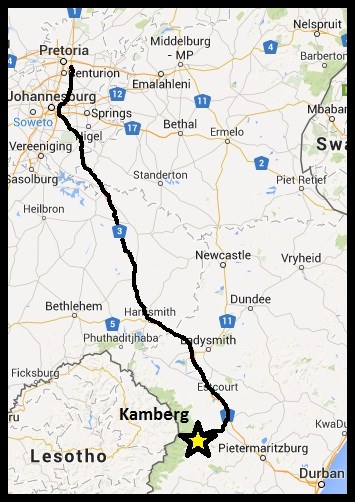
From Pretoria, it’s a drive of approximately 540km to Kamberg, following the N3 southwards to Mooi River. The road to the reserve turns off the R103 at Rosetta, between the Midlands towns of Mooi River and Howick. The 40km (30km tar and 10km gravel) stretch between Rosetta and Kamberg is a very scenic drive through green farmlands and the foothills that constitute the “Little ‘Berg”,  and should not be rushed (the road is not in a good enough condition to travel on at speed in any case).
Kamberg Map

Pretoria to Kamberg (drawn from Google Maps)

Our first visit to Kamberg over a long weekend early in May 2015 opened only a tiny window onto the rich cultural and natural treasures protected there. We’ll be back for sure; there’s still so much to explore, experience and appreciate at this little known gem of “the ‘Berg”.

Force of nature

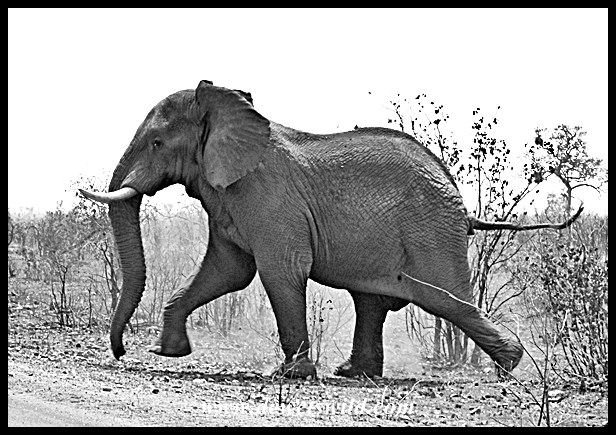
Few things will stop an African elephant bull at full speed… This photo was taken near Babalala, between Shingwedzi and Punda Maria, in the northern Kruger National Park.

Force of nature

“Forces of nature” is the theme for this week’s WordPress Photo Challenge

Intricate

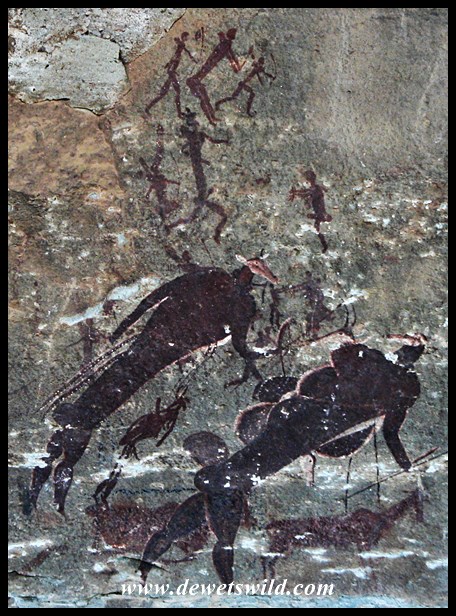
An exquisite example of San rock art, on display at the Main Caves Museum in Giant’s Castle Game Reserve, in the uKhahlamba Drakensberg Park World Heritage Site.

Intricate

Intricate” is this week’s WordPress photo challenge theme.