Damaliscus pygargus phillipsi
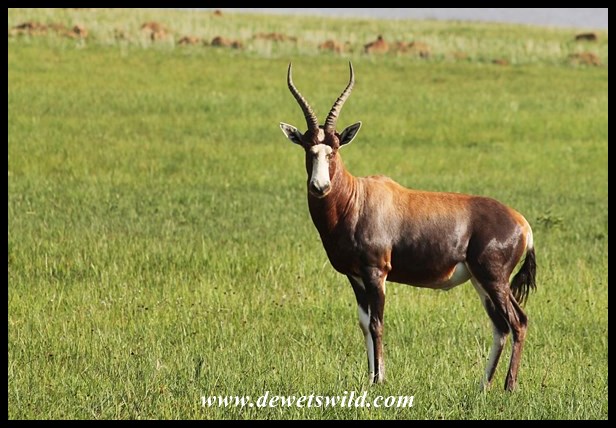
The Blesbok is a medium-sized antelope endemic to South Africa’s central plains. They have a shoulder height just short of 1m and weigh around 70kg. The “bles” in their name refers to the striking white blaze on their faces. White Blesbok have a leucistic coat and are mainly selectively bred on game ranches.

Blesbok ewe

Blesbok face

Blesbok ram

Blesbok

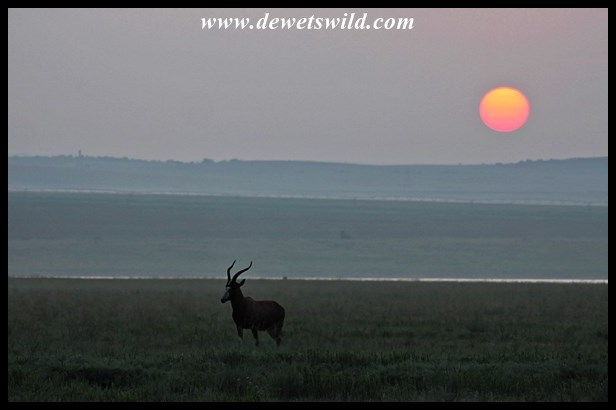
Blesbok in silhouette

Herd of Blesbok

Blesbok in the golden light of a Golden Gate sunrise

Big herd of blesbok at Golden Gate

Skittish blesbok

Blesbok at sunrise

White Blesbok

Blesbok

White Blesbok

White and normal-coloured Blesbok

White Blesbok

Blesbok
The Blesbok naturally occurs only on the open grasslands of South Africa’s Highveld, where they are well adapted to the cold winters, though they have been introduced to farmland in the more densely wooded Bushveld and drier Karoo regions as well with varying success. Their diet consists almost exclusively of short grasses and require daily access to a supply of fresh drinking water.

Blesbok

Blesbok herd on the move

Blesbok in typical open habitat

Blesbok

Blesbok

Young Blesbok

Blesbok

Blesbok

Blesbok (photo by Joubert)
Blesbok form large mixed herds during winter, but at the onset of the summer the rams will start establishing small territories, demarcated with scent glands and dung heaps, advertised through ritualised displays and maintained through some serious fighting, in which they attempt to herd and keep groups of ewes with which to mate. Blesbok are diurnal animals, resting during the heat of the day by positioning themselves with lowered heads facing the sun. Blesbok are fast runners with great stamina. When moving, herd members follow each other in a straight line, even when fleeing from predators.

Sun-facing posture during heat of the day

Blesbok herd

Blesbok rams posturing

Blesbok rams posturing

Blesbok rams posturing

Sun-facing posture during heat of the day

Blesbok ewe

Blesbok ram

Blesbok youngster with adult female

Blesbok ewe

Blesbok

Blesbok lying on their path
Ewes give birth to single lambs, usually in the summer months, and will nurse only their own lambs. Lambs are capable of running with the herd within 20 minutes of birth, and are preyed upon by jackals, caracals and feral dogs. Most of Africa’s large predators have been exterminated from the Blesbok’s range. They have a life expectancy of up to 17 years in the wild.

Blesbok yioungster

Blesbok lambs

Territorial Blesbok ram

Blesbok ewe and lamb

Blesbok lamb

Blesbok lambs

Blesbok

Blesbok

Blesbok

Blesbok

Blesbok

Blesbok

Blesbok in a hurry

Blesbok

Blesbok
The Blesbok once occurred in enormous numbers on the Highveld of South Africa, but excessive hunting led to the population plummeting to a low of about 2,000 at the end of the 19th century. Their numbers have since been built back up, but not nearly to erstwhile levels, with the IUCN estimating a population of approximately 240,000, most of which occur on private land where they are a popular game ranching animal as they can be contained by standard stock fencing. Golden Gate Highlands National Park, Rietvlei Nature Reserve and Willem Pretorius Game Reserve are good places to go searching for Blesbok.

Blesbok ewe with lamb

Blesbok ewe with lamb

Blesbok ewe with lamb

Blesbok ewe with lamb

Blesbok ewe and lamb

Blesbok lamb

Blesbok ewes and lambs

Blesbok

Blesbok

Blesbok lamb

Pregnant Blesbok ewe

Blesbok

Blesbok

Blesbok

Blesbok

Blesbok lamb (photo by Joubert)

Blesbok lamb

Blesbok Ram standing proud

Blesbok

Blesbok

Blesbok

Blesbok running across Otter Bridge (photo by Joubert)

Blesbok

Blesbok







 DeWetsWild