Tag Archives: wildlife

Mauritian Tomb Bat

Taphozous mauritianus

When we found a small colony of Mauritian Tomb Bats on the outside walls of the reception office at the Hluhluwe-Imfolozi Park’s Nyalazi Gate, it presented a good opportunity to learn a bit more about this seldomly seen creature.

Mauritian Tomb Bats are quite large for insectivorous bats, weighing as much as 36g and up to 11cm long. They occur in the moist savanna areas of north-eastern South Africa, further north into Central and East Africa, as well as on a few of the islands of the Indian Ocean. By day they roost in small, loosely associated groups on the shaded walls of buildings or on tree trunks, and not in caves or tombs as their name might suggest. At night they forage for moths and other nocturnal invertebrates, which they catch and eat in flight.

Most females raise a single baby at a time, though some do give birth twice annually. Dependent young cling to the mother as she flies around and at their roost, but as soon as they can fly themselves they become autonomous.

The IUCN considers the Mauritian Tomb Bat of “Least Conservation Concern” owing to its wide distribution, large population, and tolerance for habitat change.

Don’t forget to look down!

When you’re surrounded by a landscape filled with big and dangerous animals it is easy to forget that there’s a wholly different but equally fascinating world of smaller creatures to enjoy down on ground level! While out exploring Hluhluwe-Imfolozi Park in December we used the time we spent in camp and at the numerous picnic spots, hides and viewsites throughout the Park to appreciate the smaller fry as well.

Caterpillars and Cocoons at our Chalet

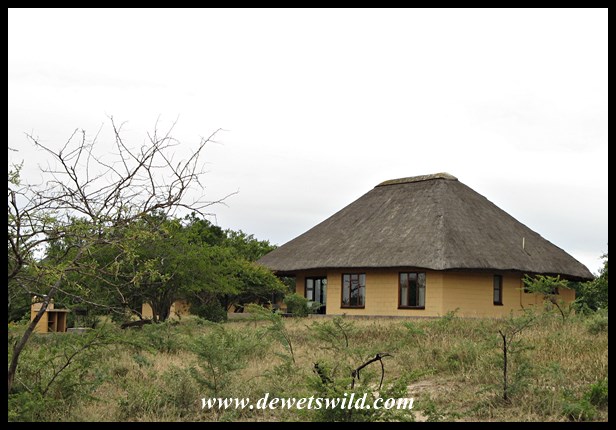
It appeared our accommodation unit (#21) at Mpila (Hluhluwe-Imfolozi Park) in December was some kind of magnet to some very large and very hairy caterpillars intent on spinning their cocoons in any available nook or cranny. We didn’t mind, of course, as the whole process is just so darn interesting!


Wonderfully Wild Mpila

Mpila, set high on a hill with sweeping views over both the Black and White Umfolozi Rivers, is the main accommodation base in the Imfolozi section of the Hluhluwe-Imfolozi Park. Apart from a single strand of electric wire strung high above the ground, designed to keep the elephants from coming into camp and digging up the water pipes, animals – including predators – have free access to the grounds. This of course make the place just all the more alluring to the de Wets!

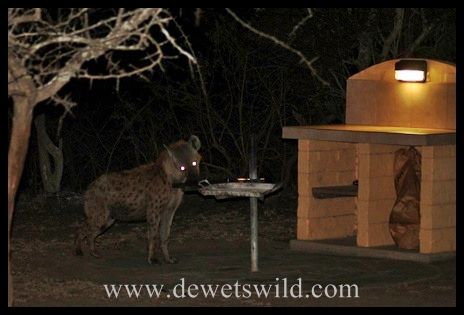
This image of a spotted hyena licking our braai (barbeque) grid was taken on a previous visit to Mpila

Hyena in Mpila

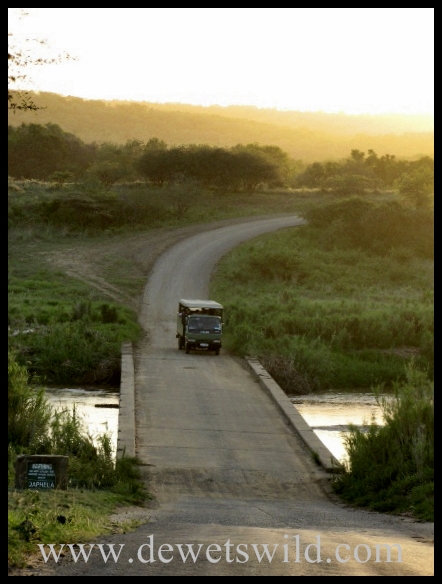
Bridge over the Black Umfolozi

One of our favourite spots in Hluhluwe-Imfolozi Park is the bridge crossing the Black Umfolozi River on the road to Mpila Camp. There just always seem to be something of interest to find there!

This picture of a guided sunset drive about to cross the bridge was taken on a previous visit to Hluhluwe-Imfolozi

Wanderlust


A walk in the Park

There’s no doubt that hiking is the biggest pastime enjoyed by visitors to the Royal Natal National Park. Walking through the mountains allows access to so many beautiful spots. We particularly enjoy the easy trails that lead from the Mahai campsite and visitor centre, like Otto’s walk and the trails to the Cascades and Fairy Glen.

This was the last installment on our December visit to Royal Natal National Park in the uKhahlamba Drakensberg. From here we travelled to Hluhluwe-Imfolozi Park in Zululand, and from tomorrow we’ll be sharing some of what we experienced there.

Drakensberg Birding

The varied habitats of the Royal Natal National Park provides excellent habitat for a wide range of bird species. We’ve already introduced you to the rare Bush Blackcap, which is often recorded in the reserve, and the Lesser Striped Swallows that shared our accommodation unit, but there’s so many other feathered inhabitants in the Park that we can dedicate a whole blogpost just to them – in fact, this gallery contains just a few of the more than 60 species we ticked during our December visit!

Breathtaking Mountains

Come rain or shine, and no matter which way you look, the mountain scenery at Royal Natal National Park, dominated by the magnificent cliff face of the Amphitheatre, will take your breath away!

Bush Blackcap

Lioptilus nigricapillus

Our December 2016 visit to Thendele in the Royal Natal National Park afforded us our first opportunity to photograph the Bush Blackcap, a rarely seen endemic South African bird with a very limited distribution along the Eastern Escarpment.

These small birds occur singly or in pairs in the dense canopy of mountain forests and their verges, moving down to coastal forests (and lush gardens) during winter. Breeding takes place in summer. They feed on fruits, berries and insects. The IUCN considers them “near threatened” due to a small population size (estimated at most around 5,000) and threats to their forest habitat.

Squatters at the lodgings

From the moment we arrived at chalet 27 in Thendele Camp in the Royal Natal National Park in December, we just loved the unit’s setting. And we were not the only ones, as a pair of Greater Striped Swallows were diligently building their mud-walled nest on the veranda, quite unconcerned about the humans sitting below them and watching them go about the task.