

The Easter break afforded us the opportunity to visit South Africa’s flagship National Park, and one of our favourite destinations, again, spending first three nights at Skukuza Rest Camp in the south of the Kruger National Park, and then four nights around Mopani Rest Camp in the north. After a summer of apparently good rainfall, the Park’s vegetation is lush and green, with water in ample supply. These conditions make searching for wildlife a bit trickier, but it is wonderful to see the Park transformed from the harrowing effects of the recent drought that is still so fresh in our minds.


The Kruger National Park is renowned for its Big-5 sightings. There isn’t very many other places where one can so easily find completely wild lions, leopards, elephants, buffaloes and rhinos from the comfort of your own vehicle, at your own pace and according to your own schedule. And then there’s always a chance that you may cross paths with a magnificent big tusker!


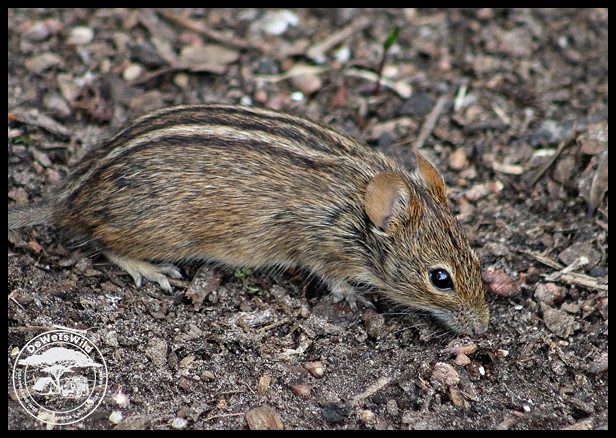
On the other side of the scale are those less frequently noticed smaller critters (“creepy crawlies” or “goggas” as we call them), that fairly seldom feature on any of the Kruger visitors’ sightings wish-lists. They may be small and unobtrusive, but they are certainly no less fascinating than the glamorous Big-5. We already shared with your the exciting scenes of a Western Stripe-bellied Sand Snake catching and swallowing a skink in Shingwedzi, but there’s plenty more to see if you bend your knees!


The Mopani area is well-known for prized sightings of the rarer antelope species, and we weren’t disappointed on that score either, ticking bushbuck, nyala, eland, tsessebe, reedbuck and roan antelope on our list.


The lush vegetation made it very challenging to see the smaller antelope species. We managed to photograph steenbok, grey duiker and klipspringer, but unfortunately the grysbok just weren’t willing to pose for a picture this time around.


There’s quite a few herbivore species that you are virtually guaranteed to see when visiting the Kruger National Park. Among these are baboons and vervet monkeys, blue wildebeest, plains zebra, impala, kudu, waterbuck, giraffe, warthog and hippo.


Of course, with such a menu there are many predators in attendance. Apart from lions and leopards, on our latest visit we also encountered spotted hyena, side-striped and black-backed jackal, crocodile and large-spotted genet.


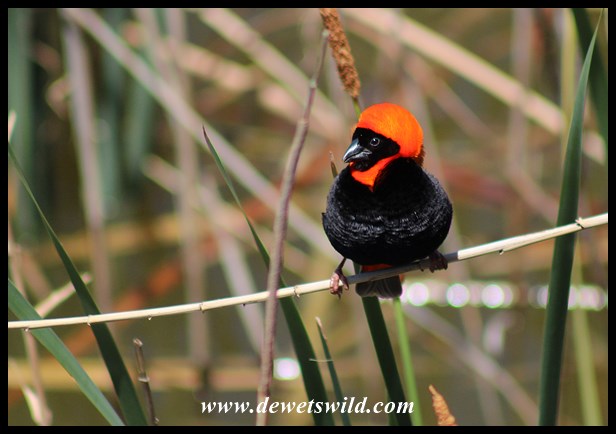
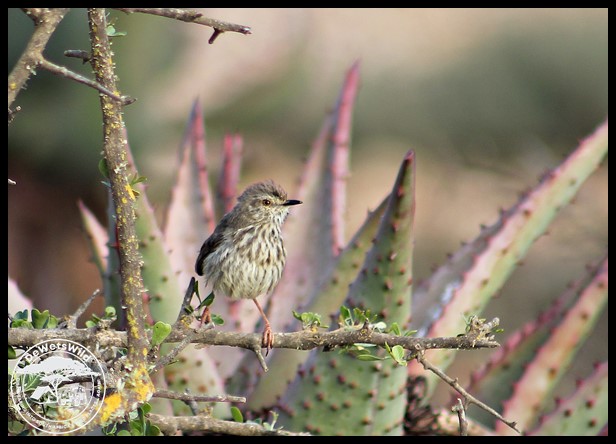
The Kruger National Park is regarded as a paradise for bird-watchers, and that is not without reason. During the warmer months especially, when many summer migrants from northern latitudes enjoy our warm weather, the variety and numbers of bird species to be seen is absolutely prolific, but even in winter feathered life abounds in the Lowveld.


The Kruger National Park is an addictive place. You only need to visit once for it to get under your skin, and stay there. The more you experience of Kruger’s wonders, the more you pine for it. We’ll be back again and again, no question about it.








 DeWetsWild